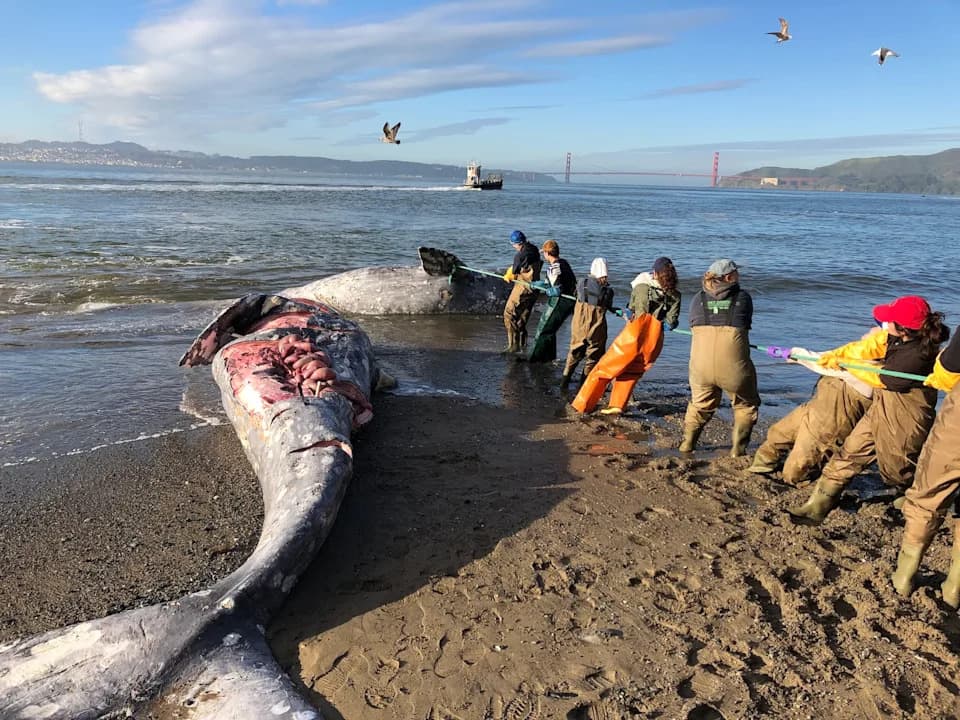
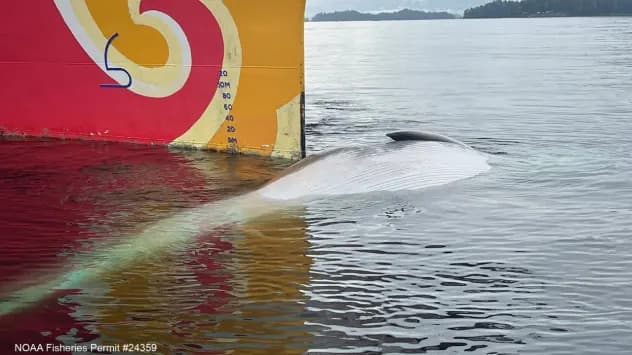
Two more dead gray whales washed ashore in Washington, bringing the state's confirmed total to 25 this year and contributing to at least 51 deaths along the West Coast as of May 28, 2026. The carcasses were found near Kalaloch (about 18 miles south of Strawberry Point) and Ocean Park. Scientists report many whales appeared severely malnourished and increasingly link the deaths to shrinking prey in Alaska and the Arctic as rising ocean temperatures shift krill and other food sources. The strandings underscore broader ecological stress and the need for continued monitoring and research.
Two More Gray Whales Wash Up On Washington Beaches — State Toll Now 25 As Food Supplies Shrink
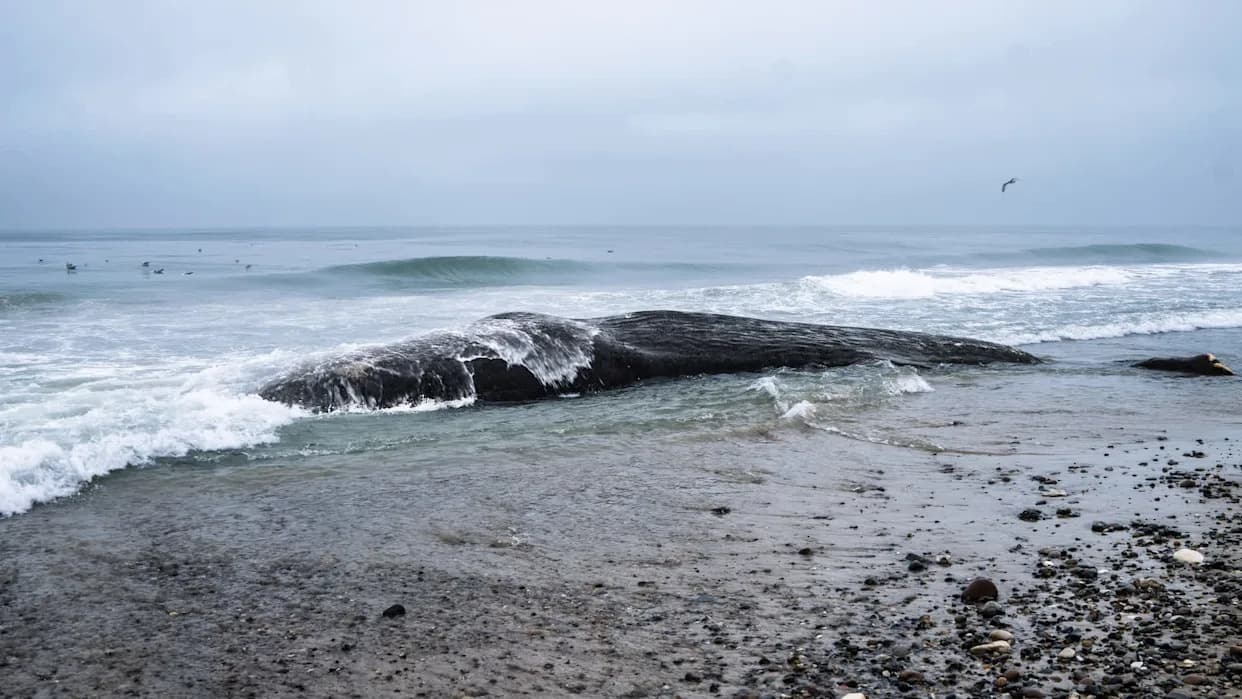
Photo Credit: iStock
Two additional dead gray whales have washed ashore on Washington's coast, bringing renewed attention to a growing regional crisis affecting these migratory giants. The new discoveries increase Washington state's confirmed total to 25 gray whale carcasses found so far this year, KIRO 7 reported.
Where They Were Found
One carcass was recorded near Kalaloch in Olympic National Park, and the other was located on the shoreline at Ocean Park. Cascadia Research Collective said the Kalaloch animal was discovered roughly 18 miles south of a recent stranding near Strawberry Point, suggesting these events are part of a broader pattern of strandings along the coast.
Scale Of The Problem
According to the Center for Biological Diversity, cited by KIRO 7, at least 51 gray whales had died along the U.S. West Coast as of May 28, 2026, including eight in Oregon. Marine biologists examining many of the beached whales report they appeared severely malnourished before dying.
Likely Causes
Scientists increasingly link the poor condition of these whales to shrinking food supplies in Alaska and the Arctic. Rising ocean temperatures and other climate-driven changes are shifting or reducing populations of staple prey — such as krill and other small organisms — that gray whales rely on. A single adult gray whale can consume roughly 800 pounds of prey per day, meaning any decline or redistribution of those prey species can quickly threaten whale survival.
Broader Ecological Implications
When prey populations move or decline, the effects ripple through entire marine ecosystems and put species like the gray whale at greater risk. Researchers and wildlife officials say the recent strandings highlight wider ecological stress across the Pacific Coast and underscore the need for continued monitoring, rescue capacity, and research into food-web changes driven by warming oceans.
Sources: Cascadia Research Collective, Center for Biological Diversity, KIRO 7.
Help us improve.