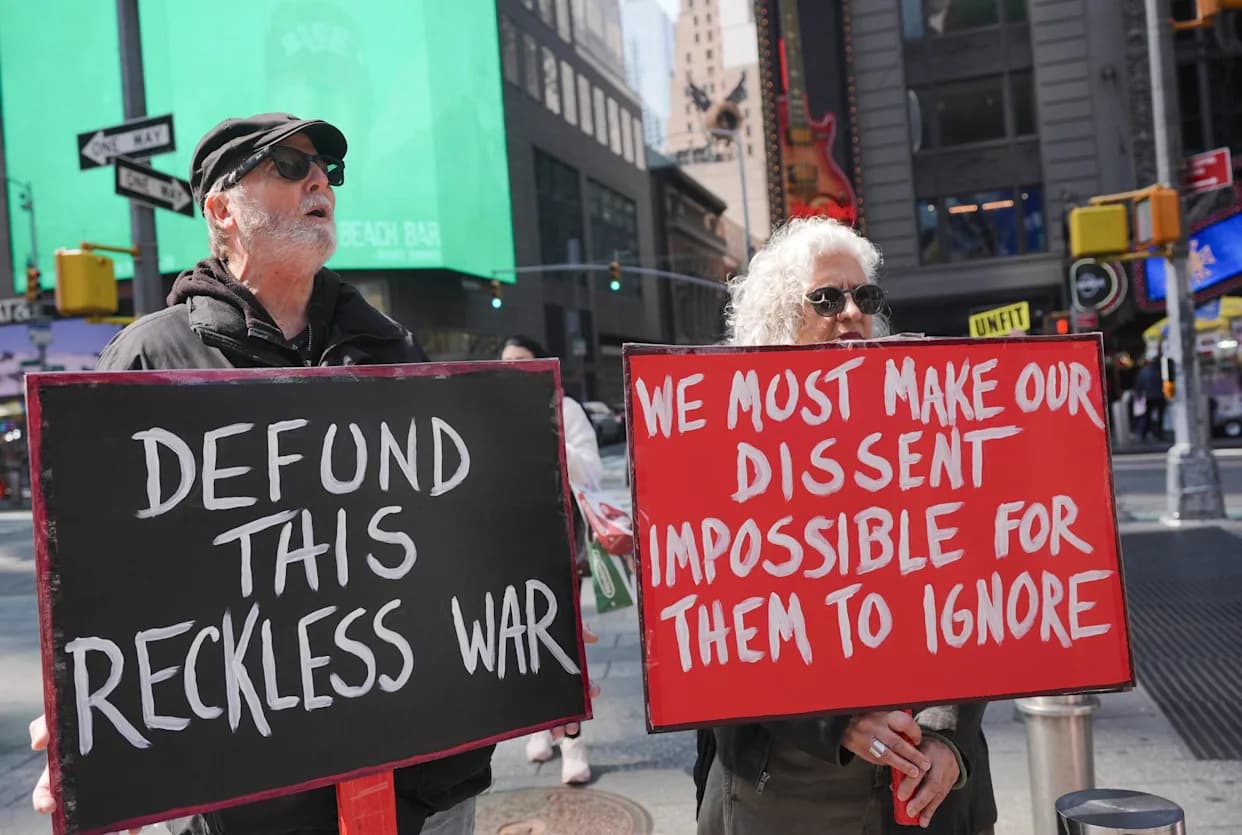
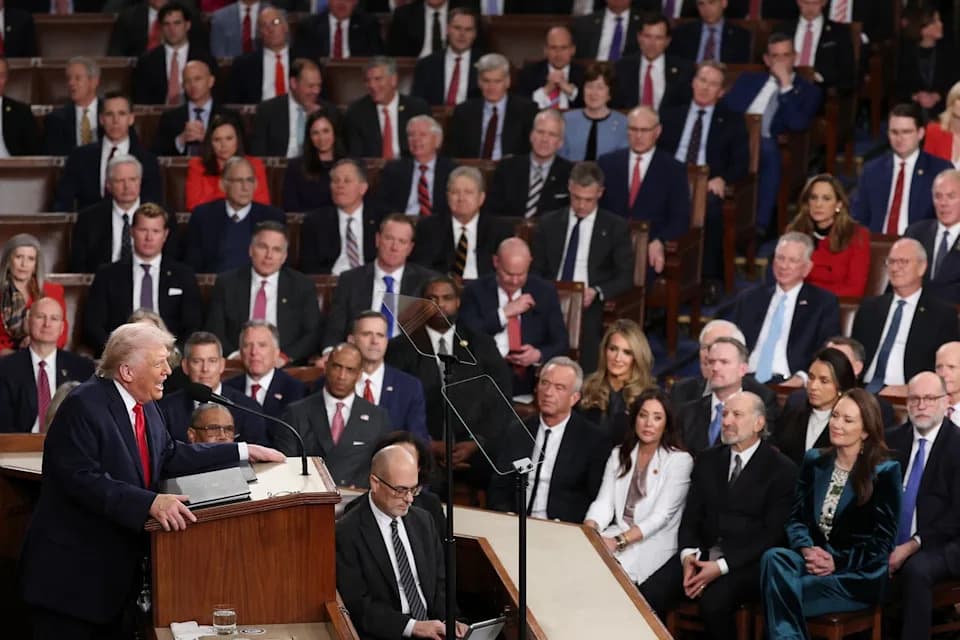
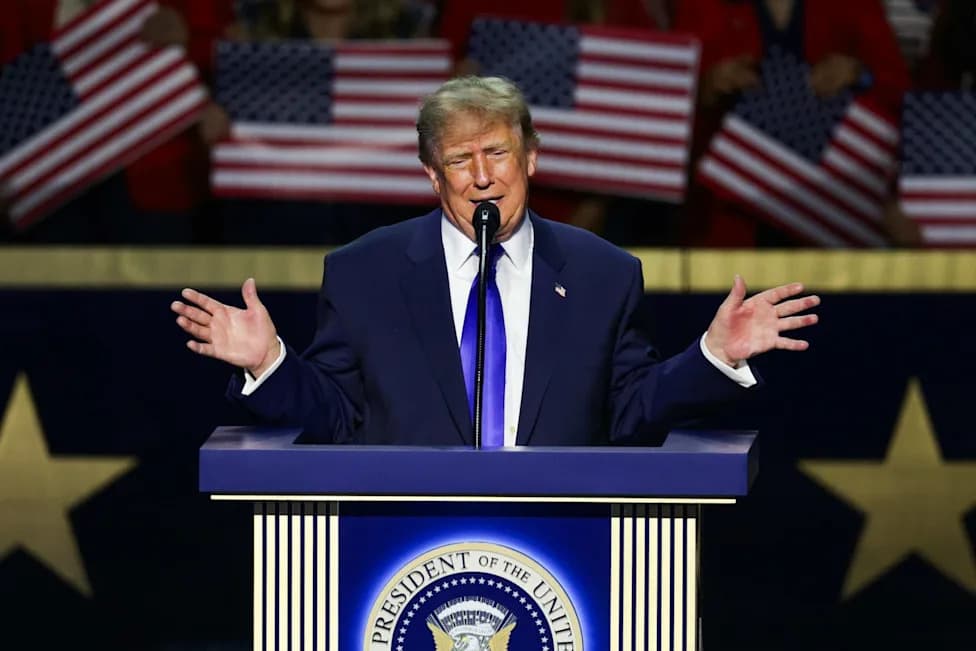
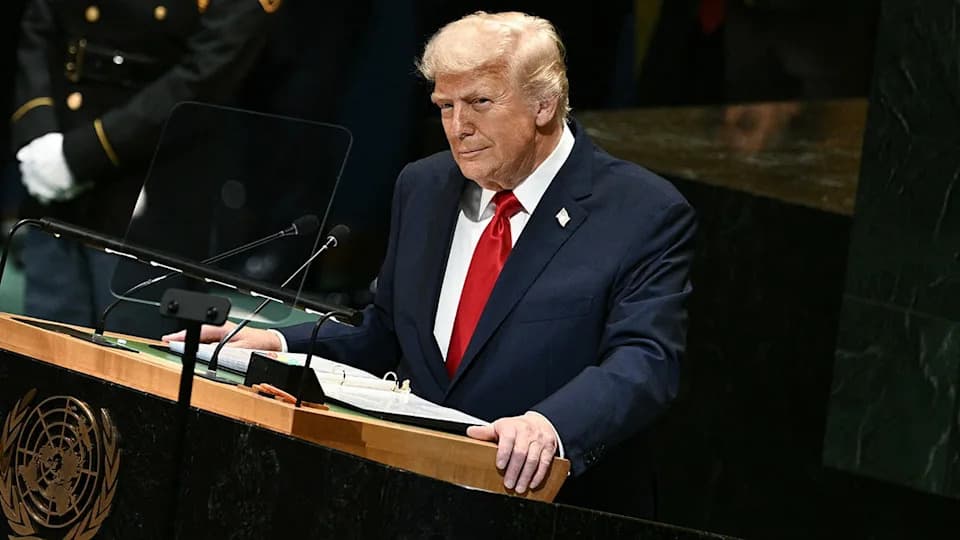
President Donald Trump is sending mixed messages about the US campaign against Iran: he insists the fighting has ended, yet he publicly condemned a House resolution that sought to direct the withdrawal of US forces as "unpatriotic," saying it could jeopardize the peace talks he says are underway.
On Wednesday, the US House of Representatives voted 215-208 to urge the president to withdraw US forces from hostilities with Iran — the first time either chamber has passed such a measure since Operation Epic Fury began on 28 February. By the following morning Mr. Trump used Truth Social to denounce the vote and blamed it on what he called "Trump Derangement Syndrome."
Four Republicans Crossed Party Lines
Four Republicans joined Democrats to pass the measure, each for different reasons:
- Rep. Thomas Massie (KY) — a libertarian-leaning constitutionalist who opposed the campaign from the outset and faced a Trump-backed primary challenger.
- Rep. Warren Davidson (OH) — a West Point graduate and former Army Ranger who previously voted against the campaign before briefly returning to the administration's position.
- Rep. Brian Fitzpatrick (PA) — a moderate and former FBI agent who framed his vote around the rule of law: "You either follow the law, or you change the law."
- Rep. Tim (Tom) Barrett (MI) — who voted differently earlier in the year but cited growing economic pain among constituents as a reason to reverse course.
Administration Messaging Versus Reality
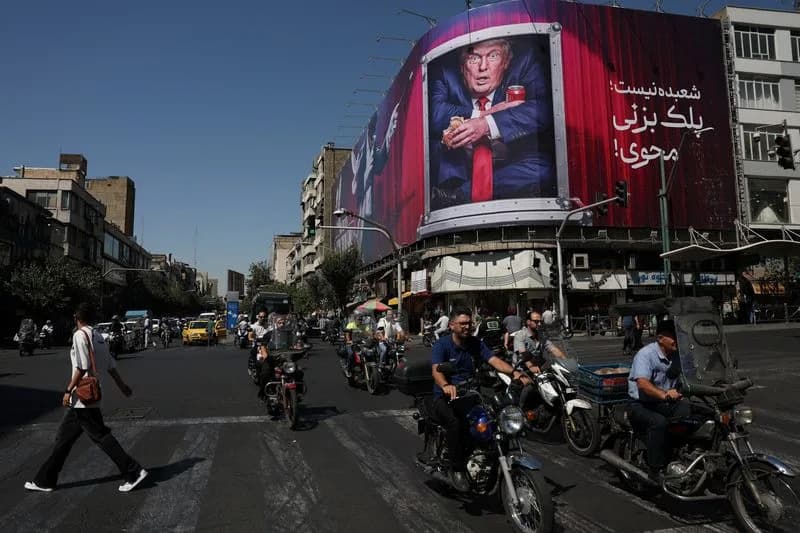
The White House has repeatedly insisted the operation has "concluded" and described recent US strikes as "completely defensive." Sen. Marco Rubio told Congress this week that Operation Epic Fury had "concluded." Yet many of the campaign’s economic and strategic consequences remain visible: national gasoline averages hover around $4.24 per gallon, approach $6 in some parts of California, and shipping through the Strait of Hormuz — historically carrying roughly 20% of global oil shipments — continues to be disrupted three months after the first strikes.
In a Truth Social post condemning the House vote, Mr. Trump described ongoing "final negotiations to end the War with the Islamic Republic of Iran," a statement critics say conflicts with his claim that the operation is already over.
Public Opinion And Congressional Stakes
Public sentiment appears to have turned against the administration’s approach. A May Economist/YouGov poll found 59% of Americans disapproved of Mr. Trump’s handling of the crisis, with only 31% approving. A Reuters/Ipsos survey reported that roughly two-thirds of Americans said rising gasoline prices had put stress on household finances. Moody’s Analytics estimates the conflict has cost US households about $100 billion in aggregate through higher energy costs.
Attention now shifts to the Senate, where the arithmetic is more fluid. The upper chamber reached a simple majority of 50 votes after Senator Bill Cassidy of Louisiana flipped to support a similar war powers measure. Several Republican senators have so far declined to back the measure, while others are signaling independence from the White House position. If the Senate passes the measure, it would be a politically consequential challenge to the president’s authority over the campaign.
Why This Matters
Wednesday’s House vote is largely symbolic — as the White House notes — but symbolism can accumulate into political momentum. The combination of an administration insisting the campaign is finished while labeling debate about it as disloyal has failed to persuade a growing segment of voters and some members of the president’s own party. With economic pain mounting and strategic chokepoints still disrupted, the political and policy consequences of the conflict remain unresolved.