Delcy Rodríguez visits India to discuss trade and investment, but oil is the central issue. India has resumed Venezuelan crude imports—roughly 266,000–280,000 bpd in April–May—with June volumes expected higher following a sanctions-easing agreement. Venezuelan heavy, sulphur-rich crude fits India’s refinery capabilities and offers diversification from Middle East and Russian supplies, though political volatility and constrained output mean Venezuela is unlikely to replace major suppliers soon.
Delcy Rodríguez in India: Can Oil Talks Yield a Strategic Energy Deal?
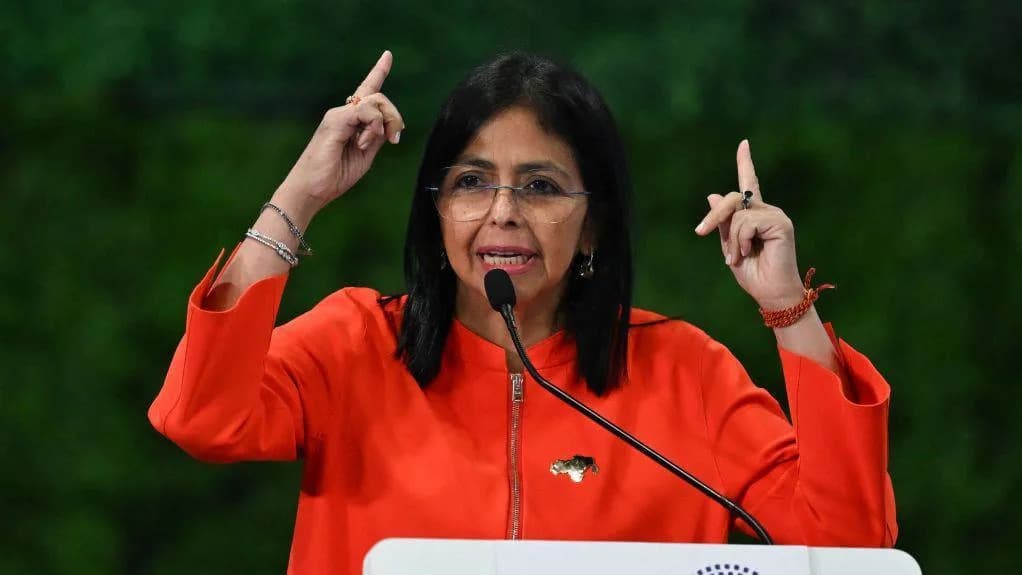
Rodríguez arrives in India on Wednesday for her sixth visit, with energy ties high on the agenda [AFP via Getty Images]
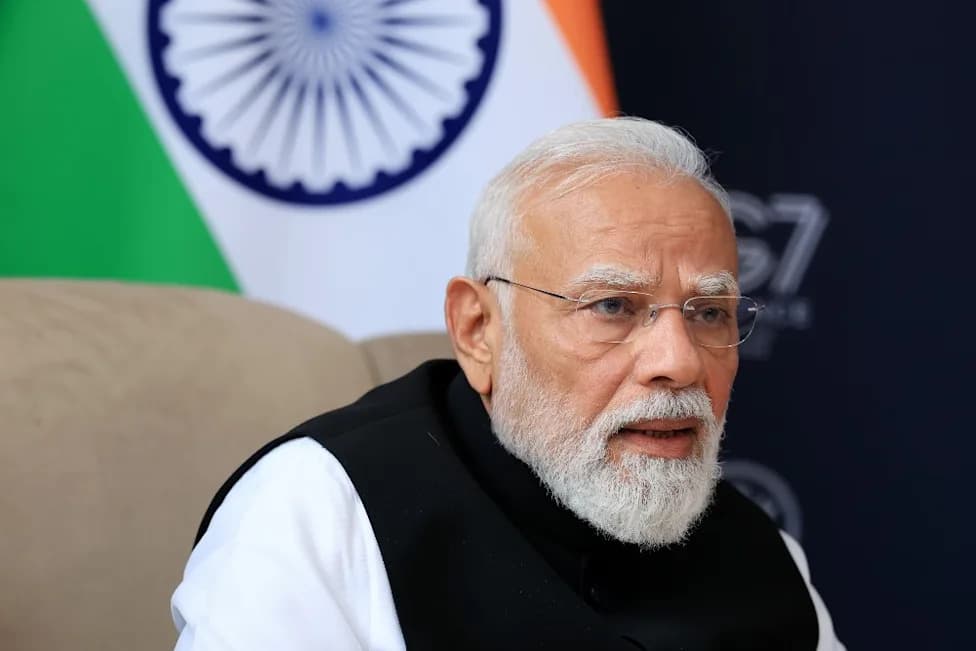
Delcy Rodríguez, Venezuela's acting president, is visiting India to meet Prime Minister Narendra Modi for talks on trade, investment, healthcare and renewable energy. Yet the defining element of the visit is energy—specifically crude oil—and whether it can translate into a deeper, strategic partnership.
Why Venezuela Matters to India
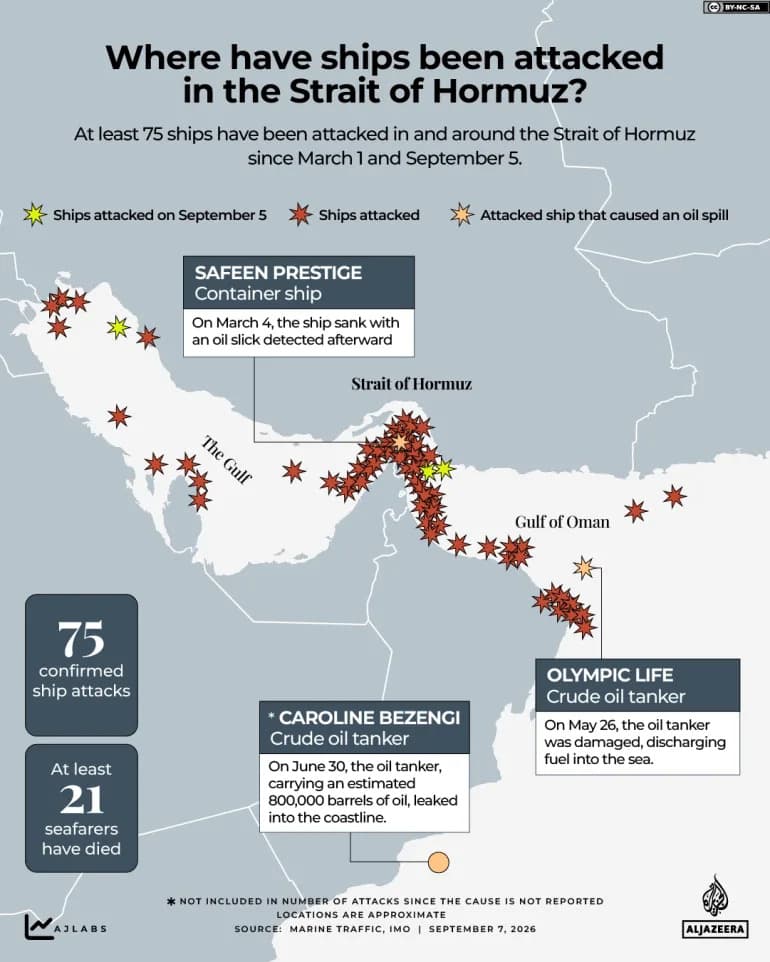
India is the world's third-largest oil importer and depends on foreign crude for about 90% of its needs. Roughly half of India's crude imports—around 2.5–2.7 million barrels per day—transit the Strait of Hormuz, a narrow chokepoint in the Gulf that has been disrupted by recent regional tensions. That vulnerability has pushed New Delhi to broaden its supplier base, elevating Venezuela's strategic importance despite its small share of overall bilateral trade.
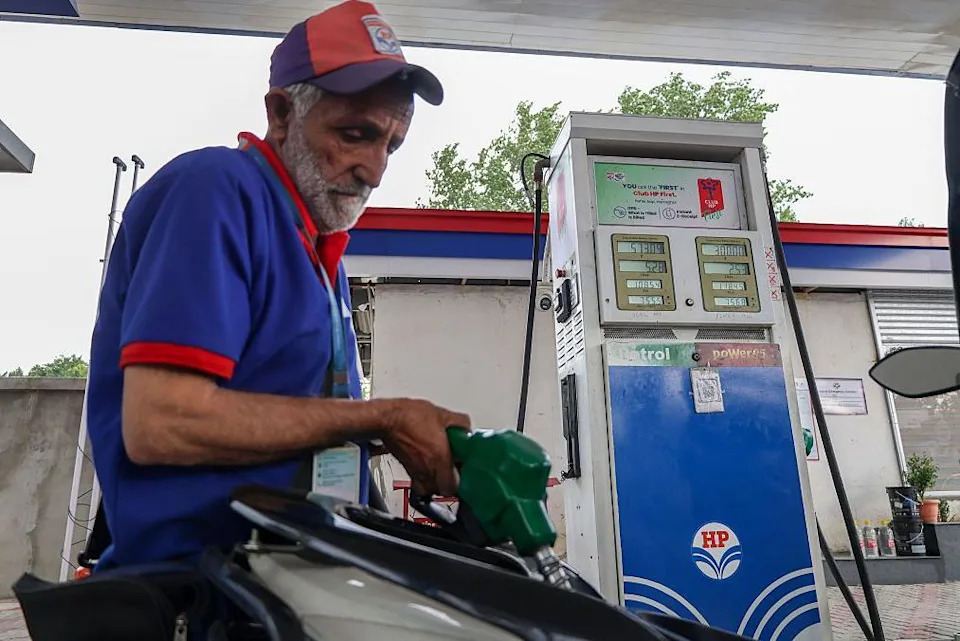
India imports about 90% of its oil - roughly half its crude imports pass through the Strait of Hormuz [NurPhoto via Getty Images]
Recent Trade and Shipments
Bilateral trade was only about $679m in 2024–25, a modest figure in the context of India's global commerce. Still, Venezuelan crude returned to Indian refineries after a pause caused by US sanctions targeting buyers of Venezuelan oil.
Maritime analytics firm Kpler reports that shipments resumed in February. Cargoes averaged roughly 266,000–280,000 barrels per day in April–May, accounting for roughly 5% of India’s crude imports, with June arrivals expected to surpass 300,000 bpd.
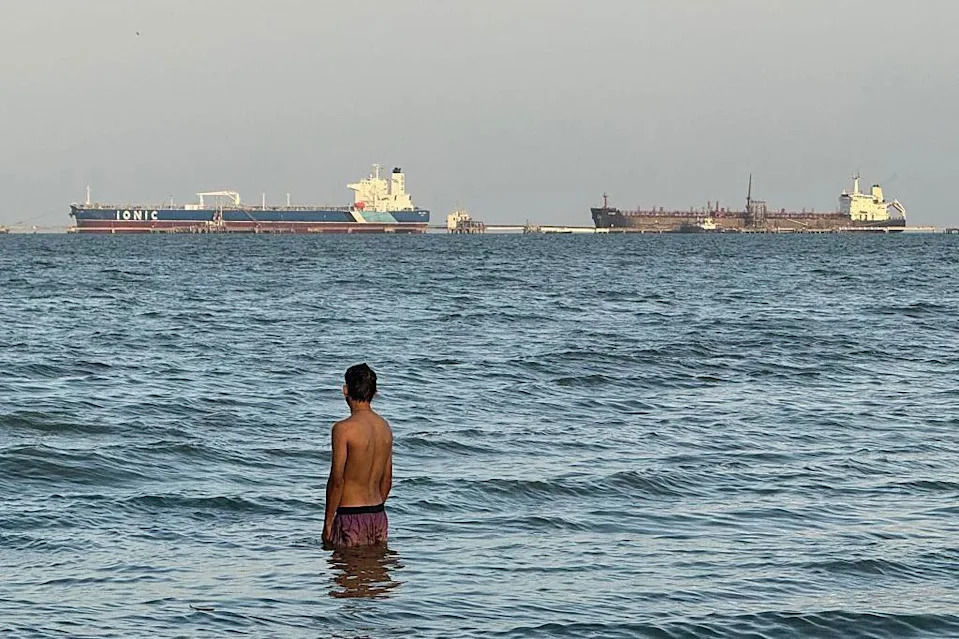
Venezualan oil output has risen this year, but remains far below historic levels [AFP via Getty Images]
"Ramping up imports from Venezuela could also give a boost to India's ties with Washington," said Michael Kugelman, senior fellow for South Asia at the Atlantic Council, while cautioning that Venezuela's political volatility complicates deeper ties.
Economic and Refining Appeal
Venezuelan crude is heavy and sulphur-rich—cheaper on the market but more challenging to refine. India's complex refineries are among the few globally equipped to process such grades efficiently into diesel, jet fuel and other refined products, making Venezuelan barrels attractive as part of a diversification strategy rather than a wholesale replacement of existing suppliers.
"The timing of the initial cargoes suggests they were likely secured well before recent disruptions, highlighting a longer-term sourcing strategy rather than a purely reactive response," said Sumit Ritolia, lead research analyst at Kpler.
Limits and Outlook
Venezuela's output has climbed by roughly 400–500 thousand barrels per day this year but remains well below historic highs, constraining Caracas's ability to supplant major suppliers. The future scale of any energy partnership will hinge on production recovery, the status of sanctions, and broader geopolitical shifts.
Delhi appears interested in strengthening energy ties: Indian state-owned firms already hold stakes in Venezuela's oil sector and have signalled a willingness to explore further investment. Still, analysts expect a cautious approach during Rodríguez's visit—talks will likely push for deeper cooperation, but a headline-grabbing, large-scale energy deal is unlikely to be sealed immediately.
Bottom line: Venezuelan crude offers India a valuable avenue for diversification and affordable heavy oil that its refineries can process, but political risk and limited production growth mean Caracas is more of a strategic supplement than a near-term substitute for India’s largest suppliers.
Help us improve.