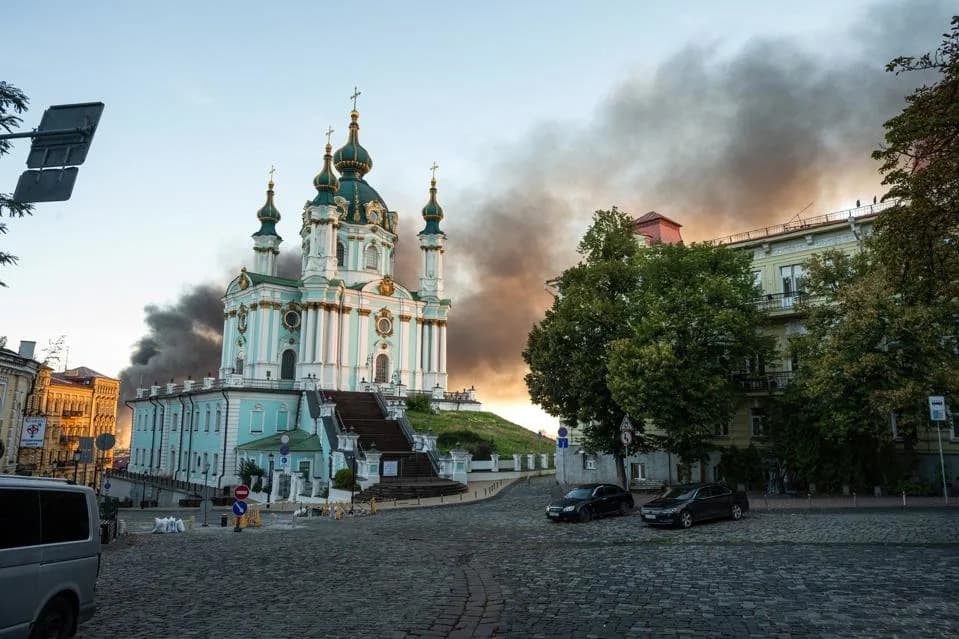
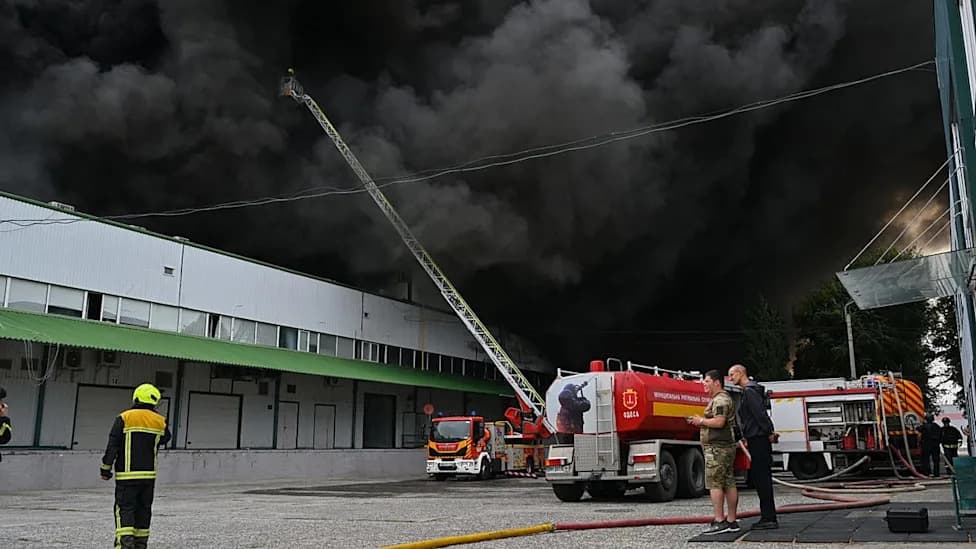
On June 3, 2026, Ukrainian attack drones struck the Kronstadt naval base near St. Petersburg, reportedly setting the Project 20380 corvette Boikiy ablaze while it was in dry dock. The strikes, claimed by Ukraine's unmanned forces, also hit oil storage facilities and coincided with the opening of the St. Petersburg International Economic Forum. Analysts say the operation highlights Kyiv's growing long‑range drone reach — roughly 680 miles — and signals fresh pressure on Russia's Baltic Fleet and its shadow oil‑export network.
Ukrainian Drones Strike Kronstadt: Project 20380 Corvette Boikiy Set Ablaze Ahead Of SPIEF
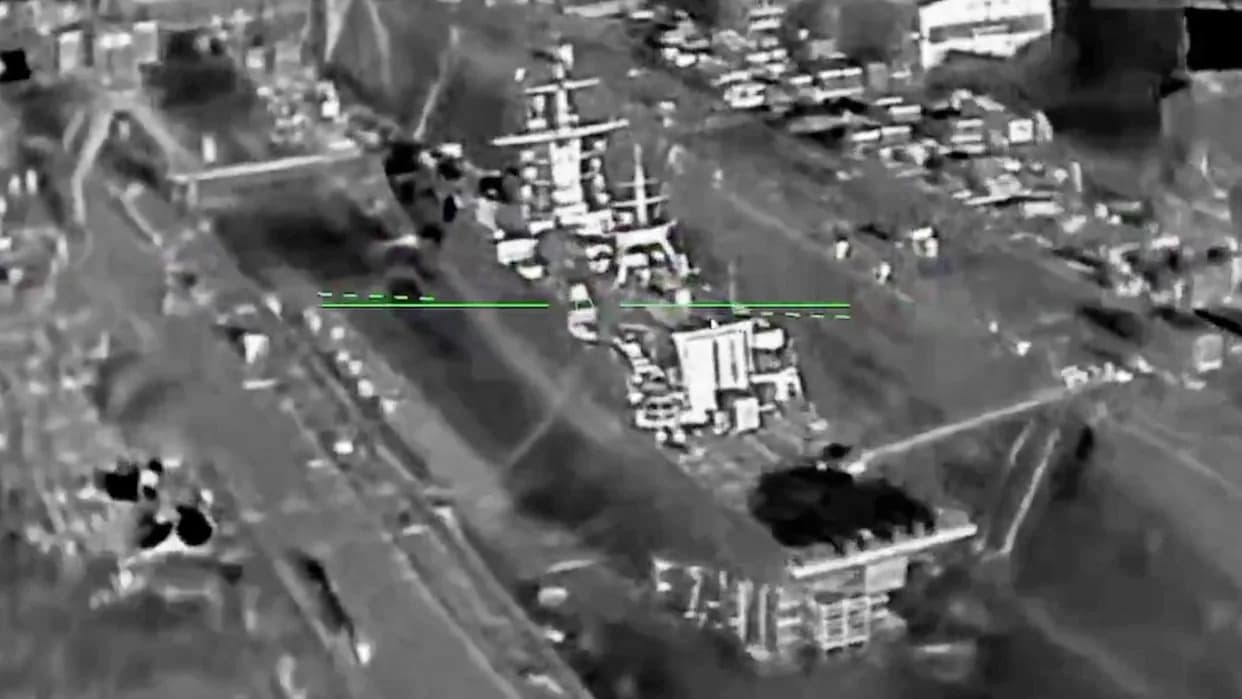
Ukrainian drones targeted the Kronstadt naval base and the Steregushchy class corvette Boiky. Damage assessments were not fully clear in initial reporting.
Overnight on June 3, 2026, Ukrainian attack drones struck the Russian naval base at Kronstadt, near St. Petersburg, reportedly setting the Project 20380 Steregushchiy‑class corvette Boikiy alight while it was in the Veleshchynskyi dry dock for scheduled maintenance. Ukrainian units and circulating footage attributed the operation to the 414th Separate Unmanned Strike Aviation System Brigade and elements of Ukraine’s Unmanned Systems Forces.
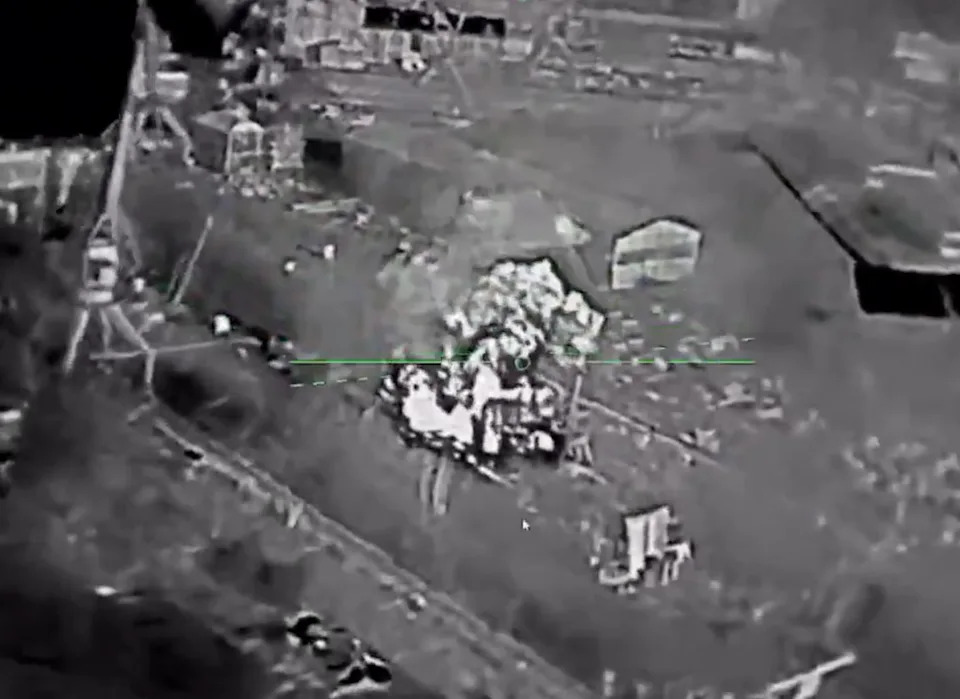
A drone’s eye view of the Russian corvetteBoikiyablaze in the Veleshchynskyi dry dock in Kronstadt.Ukrainian Ministry of Defense screencap
What Happened
Video published by Ukrainian sources shows the corvette burning in dry dock from multiple angles. Observers noted that multiple drones produced sustained seeker feeds and external footage, rather than the usual single kamikaze clip that cuts out before impact. Analysts say this indicates either a local operator relaying live video, a satellite communications relay, or a staged relay of shorter‑range drones — though the exact method has not been confirmed.
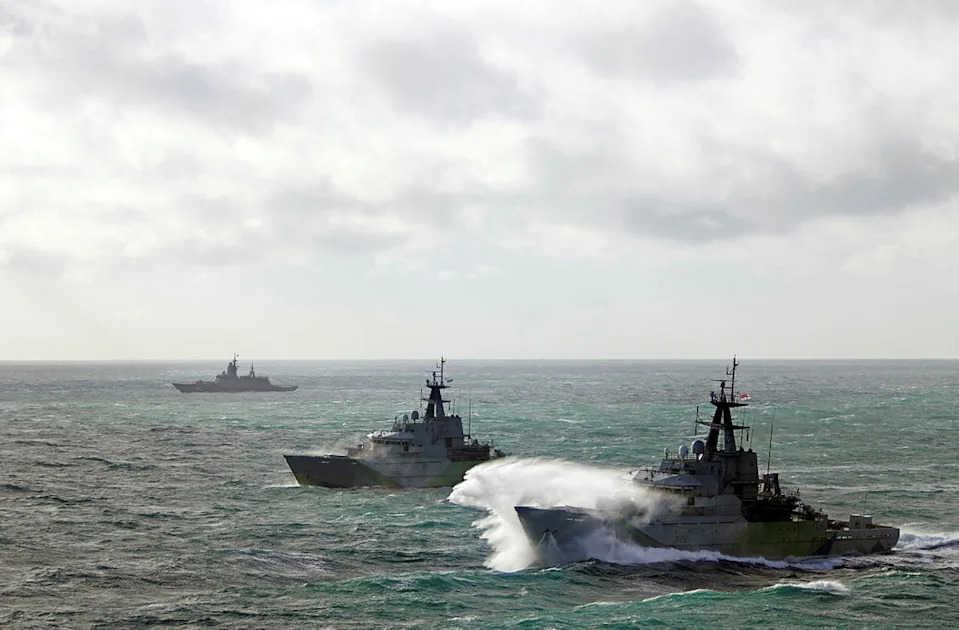
The British offshore patrol vessels HMSMerseyand HMSSevernshadow the Russian corvetteBoikiyin the English Channel in 2017.
Targets And Context
Kyiv said the Boikiy had been involved in escorting vessels tied to Russia’s so‑called shadow fleet, a network of older tankers operating under foreign flags that Moscow uses to move sanctioned oil. Ukrainian officials and analysts argue Baltic Fleet warships have increasingly protected those tankers as they transit the Baltic Sea.
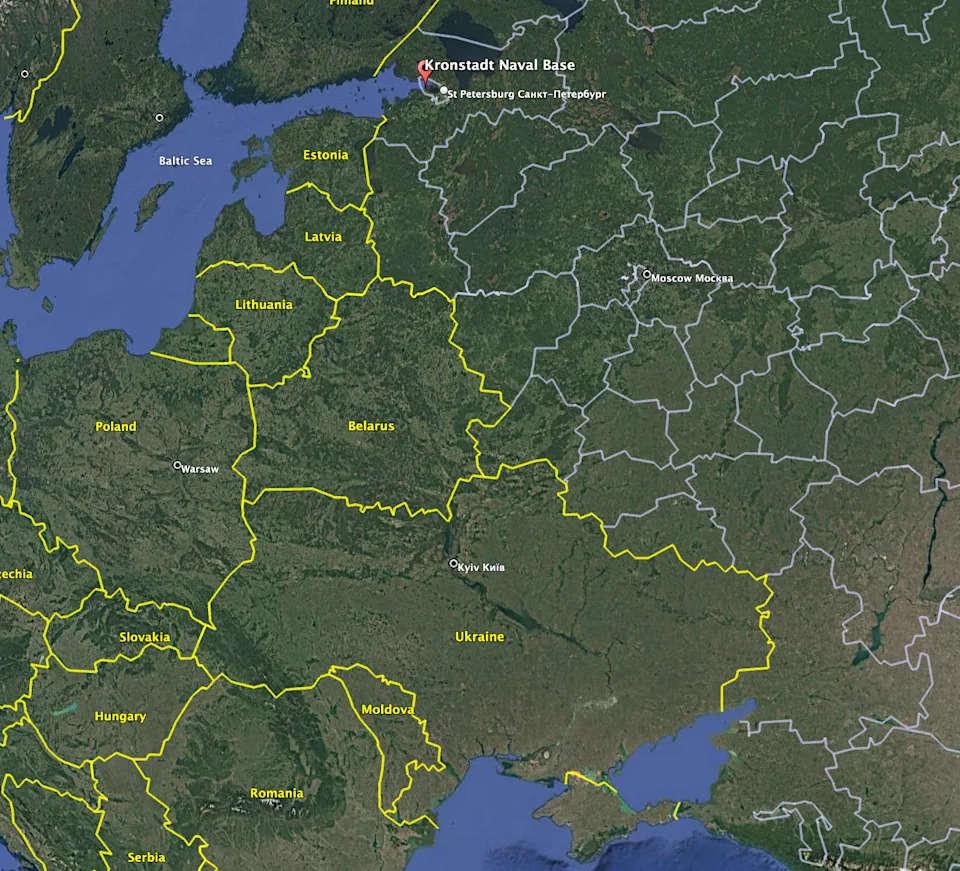
The approximate location of Kronstadt and St. Petersburg in relation to Ukraine.Google Earth
The strike on Kronstadt formed part of a broader drone wave that also hit oil storage facilities and other infrastructure in and around St. Petersburg. Footage showed FP‑1 and FP‑2 type drones flying low over the Gulf of Finland and striking a major oil terminal, producing large plumes of black smoke. Russian authorities confirmed strikes in the Kirovsky and Krasnoselsky districts and temporarily closed the city airport.
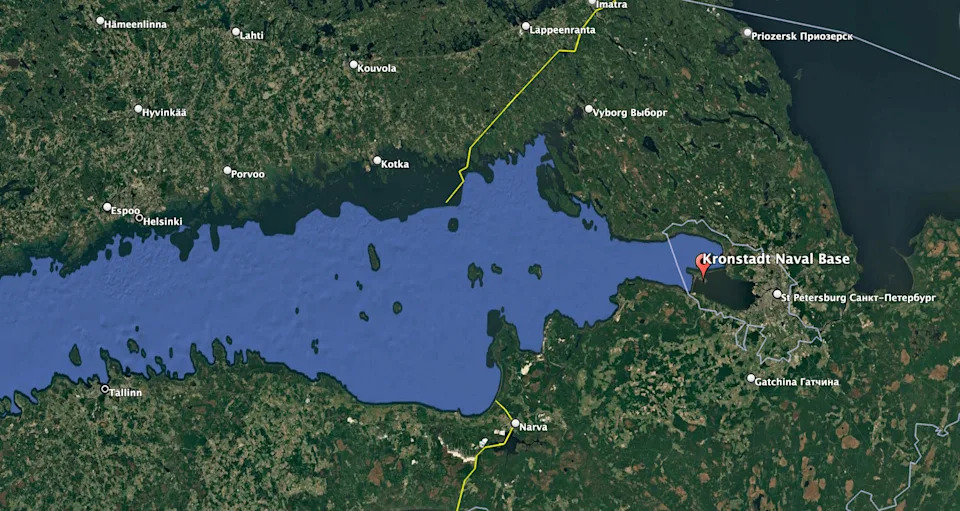
The approximate location of Kronstadt, at the gateway to St. Petersburg, and at the far east end of the Baltic.Google Earth
Why It Matters
First, the attack has strong symbolic and political impact: it came hours before the St. Petersburg International Economic Forum, projecting vulnerability in front of an international audience. Second, it underlines Ukraine’s growing ability to strike deep inside Russian territory using a range of long‑range attack drones and cruise missiles; the reported targets lie roughly 680 miles from the nearest Ukrainian border. Third, by striking Kronstadt, the operation signals an expansion of pressure on the Baltic Fleet while ships are in port.
About The Vessel
The Steregushchiy‑class corvettes are among Russia’s more modern small surface combatants, often compared to light frigates. They displace about 1,800 tons, measure roughly 343 feet, and include a flight deck for a helicopter. Their armament typically includes Uran anti‑ship missile launchers, a 12‑cell Redut vertical launch system for air defense, and Paket‑NK anti‑torpedo and anti‑submarine launchers.
Broader Campaign And Response
Ukraine has focused its naval campaign on the Black Sea Fleet but has increasingly used long‑range drones to target ports, oil depots, military factories and logistics far from the front lines. Russia, meanwhile, continues major missile and drone strikes inside Ukraine; on the same week a Russian barrage killed dozens and prompted Kyiv to renew appeals for advanced air defenses like Patriot systems.
Whether the strike inflicted decisive structural damage to the Boikiy or functioned primarily as a strategic and psychological blow, the message was clear: key Russian naval infrastructure, including Kronstadt, is within reach of Ukrainian long‑range systems. The development will likely prompt changes in Russian fleet basing, escort operations for sanctioned oil shipments, and air defence postures around critical facilities.
Contact the author: [email protected]
Help us improve.