A Cornell trial of 126 broiler chickens found that adding 0.5% grape pomace—a fiber- and antioxidant-rich winemaking byproduct—to feed improved gut health and boosted weight gain, with pomace-fed birds gaining about 79% more weight than unsupplemented controls. Results nearly matched the performance benefits of zinc bacitracin, a common antibiotic growth promoter. Farmers are intrigued but want proof of consistent, cost-effective results at commercial scale; researchers plan larger trials and mechanism studies.
Could Winemaking Waste Replace Antibiotics in Broiler Feed? Cornell Study Shows Promise
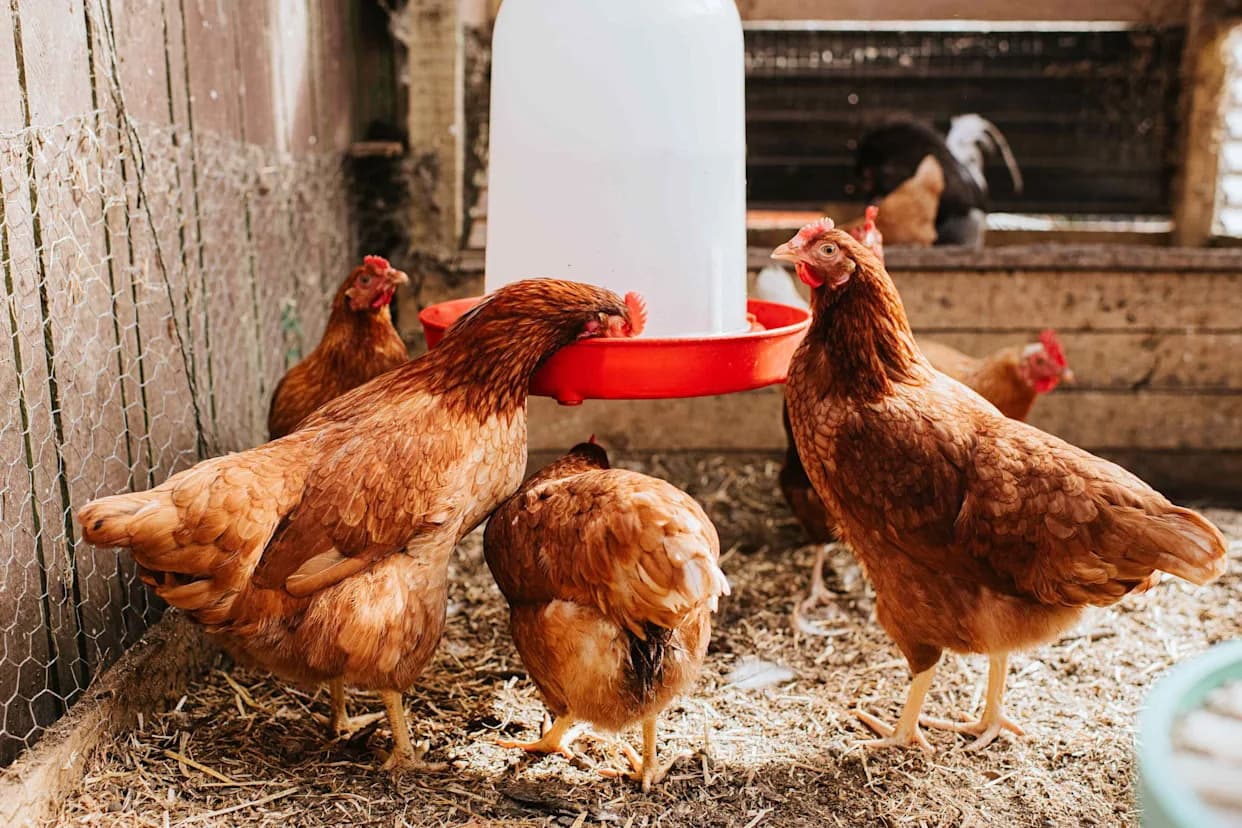
Credit: Catherine Falls Commercial / Getty Images
A Cornell University study suggests a small amount of winemaking residue—grape pomace—could help poultry producers reduce reliance on antibiotic growth promoters while improving bird health and performance.
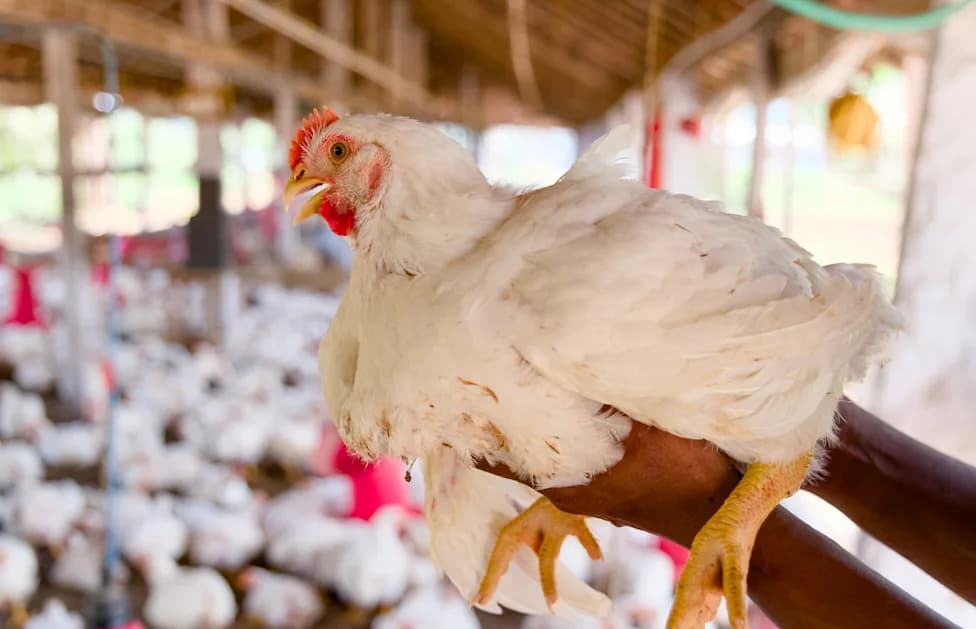
What researchers tested: In a controlled trial of 126 young broiler chickens, researchers added 0.5% grape pomace (the skins, seeds and stems left after grapes are pressed) to standard feed and compared results with birds fed a conventional diet and with those given zinc bacitracin, a commonly used antibiotic growth promoter.
Key findings
Birds fed feed containing 0.5% grape pomace showed significantly better weight gain and markers of gut health than birds on the conventional diet. In this trial, pomace-fed birds gained about 79% more body weight than unsupplemented controls, and overall performance nearly matched the benefits seen with zinc bacitracin.
Why grape pomace may help
Grape pomace, typically treated as an agricultural byproduct, is rich in dietary fiber, polyphenols, antioxidants and other bioactive compounds. These components can influence gut microbiota, reduce inflammation and support nutrient metabolism—mechanisms that likely underlie the improvements observed in the trial.
“Grape pomace represents a major agricultural byproduct with significant untapped nutritional and functional potential,” says Elad Tako, PhD, co-author and associate professor in Cornell’s Department of Food Science.
Industry response and challenges
Farmers and producers are cautiously optimistic. Many want evidence that grape pomace can deliver consistent, reproducible results at commercial scale and that it remains cost-effective within tight production margins. Some growers note previous plant-based remedies produced mixed results in real-world conditions.
Producers also face market and labeling constraints: retailers and brand owners increasingly require birds raised without antibiotics, which complicates treatment options when flocks become ill. Natural alternatives that maintain flock health without contributing to antibiotic resistance would be attractive if they perform reliably and affordably.
Next steps
Tako and colleagues plan larger, commercially relevant trials to confirm whether the benefits persist under industry conditions and to investigate mechanisms—how grape pomace affects the gut microbiome, immune signaling and nutrient metabolism. If validated at scale, grape pomace could be a low-cost, sustainable tool to support antibiotic-free poultry production.
Source: Original reporting on Food & Wine; study published in npj Biofilms and Microbiomes.
Help us improve.