Sonja Shaw criticizes a San Francisco Unified School District training that labeled classroom authority “adult supremacy” and questioned traditional academic benchmarks. She argues such ideological framing distracts from core instruction while more than half of California students are not reading at grade level. The article links weakened K–12 focus to rising math remediation at University of California campuses and urges schools to prioritize skilled teachers, high standards and fundamental skills.
‘Adult Supremacy’ Workshop Sparks Backlash — Critics Demand San Francisco Schools Return To Core Teaching

Teachers and SFUSD staff join a city-wide protest to demand a fair contract while at Mission High School in San Francisco on Monday, Feb. 9, 2026. Public schools in the...
California families expect public schools to teach children to read, write, calculate and think critically. A recent workshop hosted by the San Francisco Unified School District, however, has drawn sharp criticism for framing classroom authority as “adult supremacy” and questioning commonly used academic benchmarks.
What Happened
In April, the nonprofit Teachers 4 Social Justice led a training at John O’Connell High School that described the teacher–student relationship as shaped by systemic power dynamics and suggested that some traditional academic benchmarks are Eurocentric or dehumanizing. The session prompted parents and local officials to raise concerns about priorities in K–12 classrooms.

San Francisco Unified School District is hosting workshops that cast classroom authority as “adult supremacy.” San Francisco Chronicle via Getty Images
Academic Concerns
Critics say the controversy matters because many California students are already struggling with basic skills. Statewide data indicate that more than half of California students are not reading at grade level. Opponents of the workshop argue that emphasizing power dynamics over core instruction risks further eroding literacy and numeracy.
Impact On Higher Education
University faculty have begun sounding alarms. Hundreds of University of California professors — including seven of nine UC math department chairs — signed an open letter urging the reinstatement of standardized math tests for STEM admissions after the UC system dropped the SAT and ACT. Faculty report that incoming students demonstrated weakened math preparation; one UC campus reported an almost 30-fold increase in students requiring remediation in middle-school-level math.
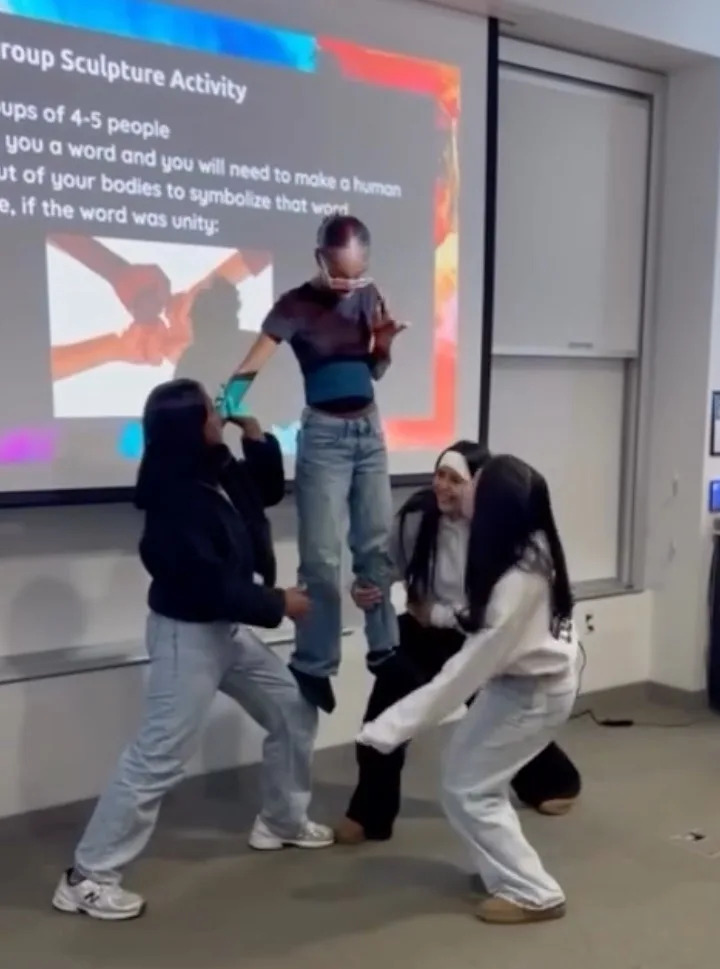
San Francisco’s public school district reportedly hosted a bizarre seminar on “adultism.” Instagram/oakyac
Critics' View: When authority, discipline and high academic standards are framed as forms of oppression, schools risk prioritizing ideology over learning — with measurable consequences for student readiness and college-level instruction.
A Call To Focus On Fundamentals
Supporters of a fundamentals-first approach say strong schools rely on skilled teachers, clear expectations and rigorous academic standards. They argue that educators should help students master reading, writing, mathematics and critical thinking before layering political or social theories into classroom practice.
Those who defend the workshop say examining power dynamics can help make classrooms more inclusive and responsive to students' needs. The debate highlights a larger question for districts statewide: how to balance social and civic education with a steady focus on literacy, numeracy and other core competencies.

The seminar marks a new woke trend labeling teachers and adults as “oppressors.” Instagram/oakyac
As the discussion continues, many families and education leaders say the priority should be unambiguous: make sure students can read, reason and calculate at grade level so they are prepared for college, careers and civic life.
Sonja Shaw is President of the Chino Valley Unified School District Board of Education and a candidate for California State Superintendent of Public Instruction.
Help us improve.