High-contrast 'dazzle' paint schemes have been applied to Russian Ural and KAMAZ logistics trucks in an attempt to confuse image-matching seekers used by AI-enabled drones. The approach borrows from World War I naval dazzle camouflage and aims to reduce machine-vision confidence during autonomous search. Its effectiveness is uncertain because human operators, other sensors (notably infrared), and retrained AI models can mitigate the technique's impact.
Russian Trucks Painted With 'Dazzle' Camouflage to Foil AI-Enabled Drones
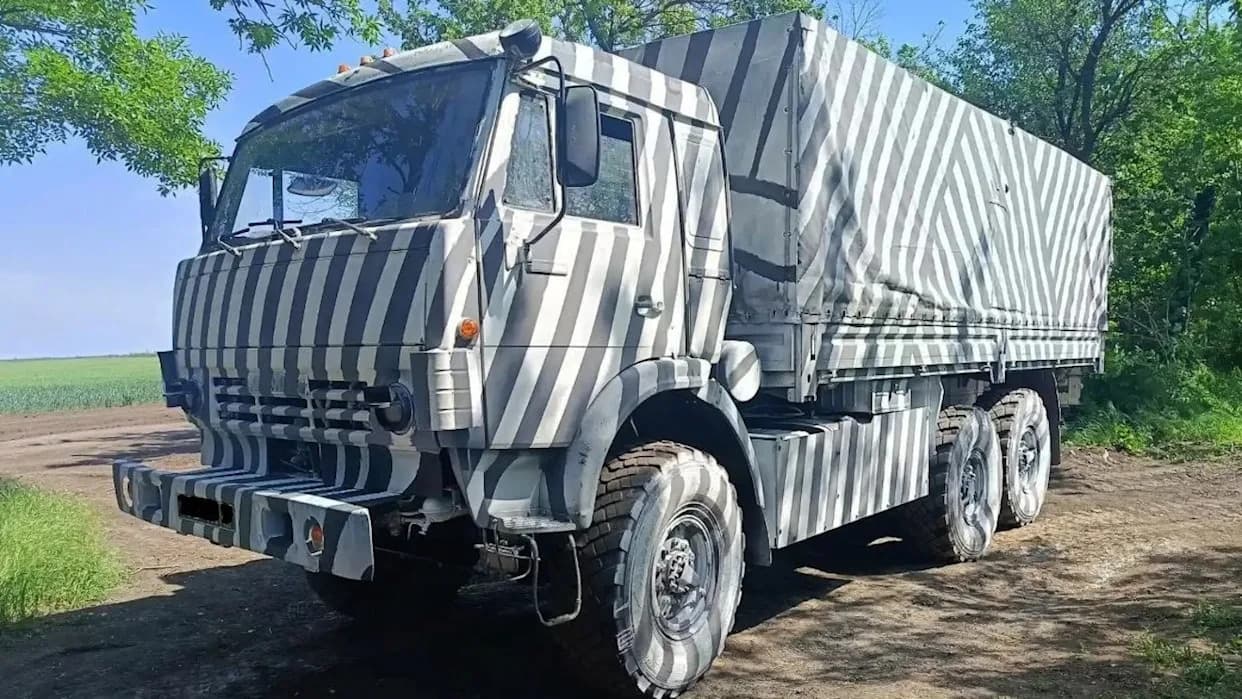
Several images showing the unusually painted Russian trucks have appeared on social media channels in recent days. So far, examples of Ural and KAMAZ heavy-duty truck designs have appeared. There are at least two distinct patterns so far: a zebra-style application of broadly straight lines, and a more organic leaflike, swirling design. In both cases, they extend over most external surfaces, including the wheels and tires. The white paint is simply applied over the base color of dark green.
Images circulating on social media over recent days show Russian logistics trucks — including Ural and KAMAZ heavy-duty models — painted in striking high-contrast patterns intended to disrupt image-matching seekers on long-range weapons and AI-enabled drones. Two main schemes have been observed: a broadly linear, zebra-like pattern and a more organic, leaf- or swirl-like design that often extends across bodywork, wheels and tires. Observers have not confirmed whether the white markings are painted over black panels, layered atop a dark green base coat, or applied using a combination of techniques.
From World War I Naval Art to Machine Vision Countermeasures
The technique echoes the Royal Navy's World War I innovation known as 'dazzle' or dazzle camouflage, devised in 1917 by war artist Norman Wilkinson. Dazzle used sharply contrasting geometric shapes, often black and white, to break up a ship's outline and make it harder for a periscope observer to judge range, heading and speed. Variants reappeared in World War II and sporadically afterward.
Where the original approach targeted the human eye, the new application on trucks seeks to mislead machine vision systems — electro-optical and sometimes infrared seekers and cameras — that form the core of many modern guided munitions and AI-assisted drones.
Why This Might Work — And Why It Might Not
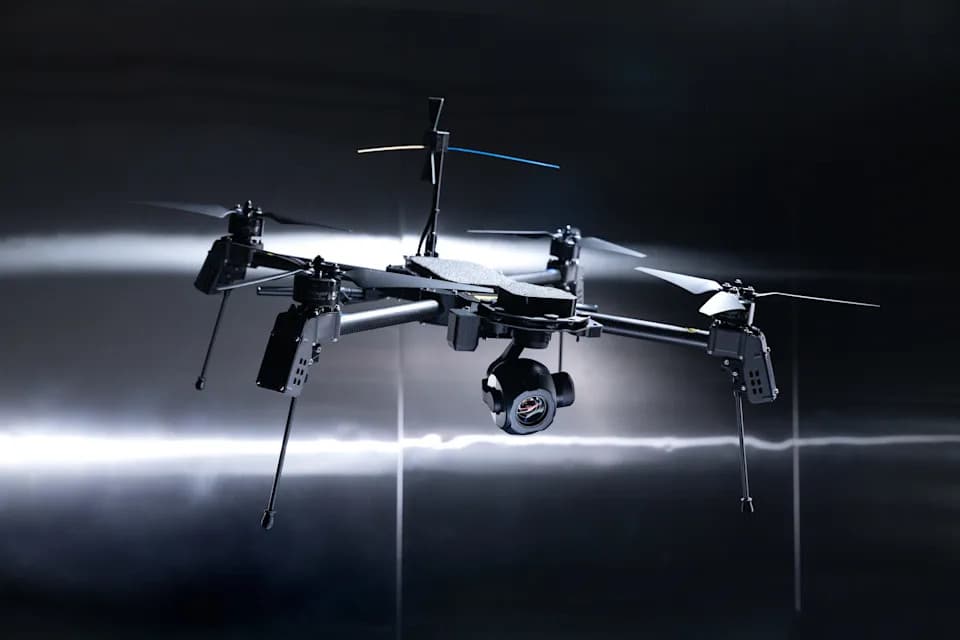
AI and machine vision let drones perform object recognition, classification, tracking and even engagement prioritization. Embedding AI into lower-cost drones increases resilience to electronic attack, enables networked swarm behavior and reduces the need for continuous human-in-the-loop control. A visual signature altered enough from the model used to train a classifier could lower confidence scores and prevent an automated strike decision during autonomous target-search.
That said, effectiveness is uncertain. Many systems still require a human operator to authorize strikes, and the paint schemes are highly conspicuous to human eyes and conventional sensors. In areas where people or other collection platforms can see the trucks, the patterns could make them easier to spot. Conversely, the unusual markings could become a distinctive signature that adversaries could deliberately train to recognize.
Different sensors react differently to passive countermeasures. Complex visible-light paint may confuse electro-optical imagers, but infrared sensors — particularly at longer wavelengths — may be far less affected. AI models can also be rapidly retrained in simulation or using real-world footage to recognize modified signatures, although defenders might force attackers to expend extra development effort to overcome many permutations.
Improvised Protections and the Evolving Battlefield
These paint schemes join a string of improvised measures seen during the conflict, from trucks loaded with logs as ad hoc armor to discarded tyres draped over aircraft. Analysts previously suggested tyres on Russian strike aircraft could confuse image-matching seekers; that theory was later confirmed by a senior U.S. military technologist. Both sides have also used nets, spikes, 'cope cages' and other ad hoc vehicle protections as part of a fast-moving cycle of countermeasure and counter-countermeasure.
Schuyler Moore, U.S. Central Command's first Chief Technology Officer, noted in September 2024 that adding unexpected objects to a known silhouette — for example, tyres on a wing — can disrupt many computer vision models' ability to identify the platform.
Whether dazzle-painted trucks will materially reduce losses remains an open question. The measures are most relevant to the autonomous search phase rather than a terminal guidance phase where multiple sensors or human confirmation may prevail. Regardless of their ultimate effectiveness, the patterns are a clear indicator of how AI-enabled drones are reshaping tactical thinking and prompting low-cost, improvised responses across contested rear areas.
Contact the author: [email protected]
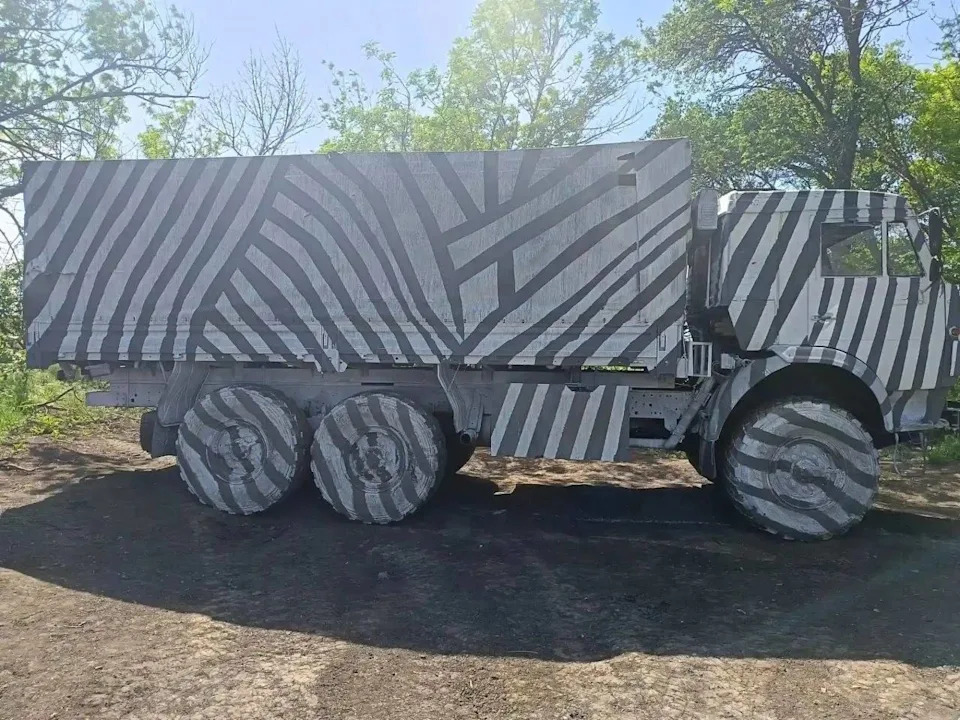
KAMAZ truck with zebra-style pattern.via X
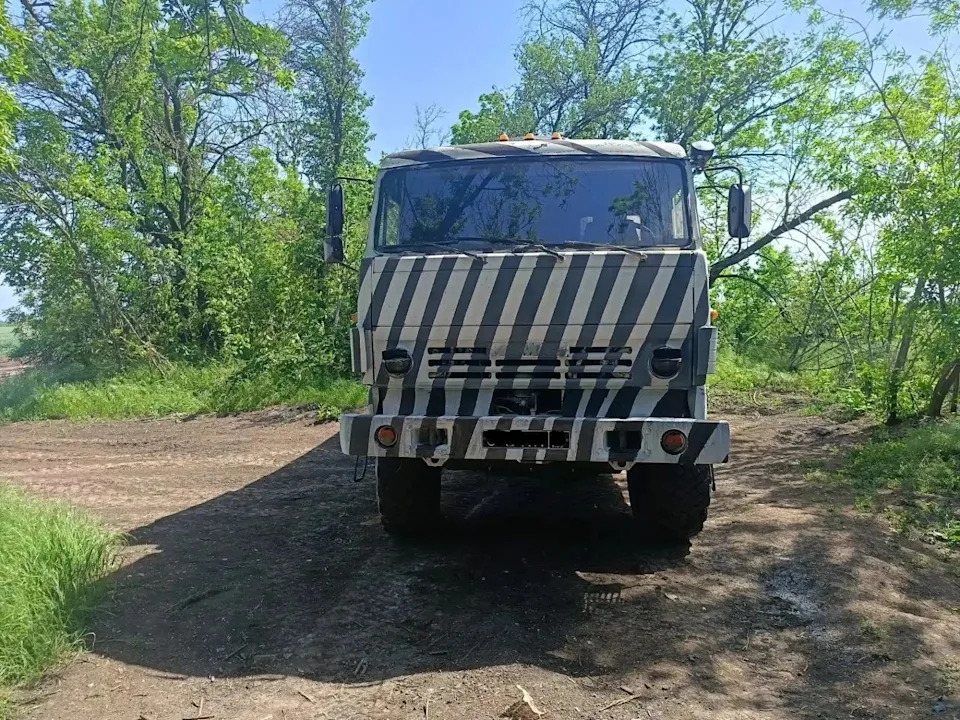
via X
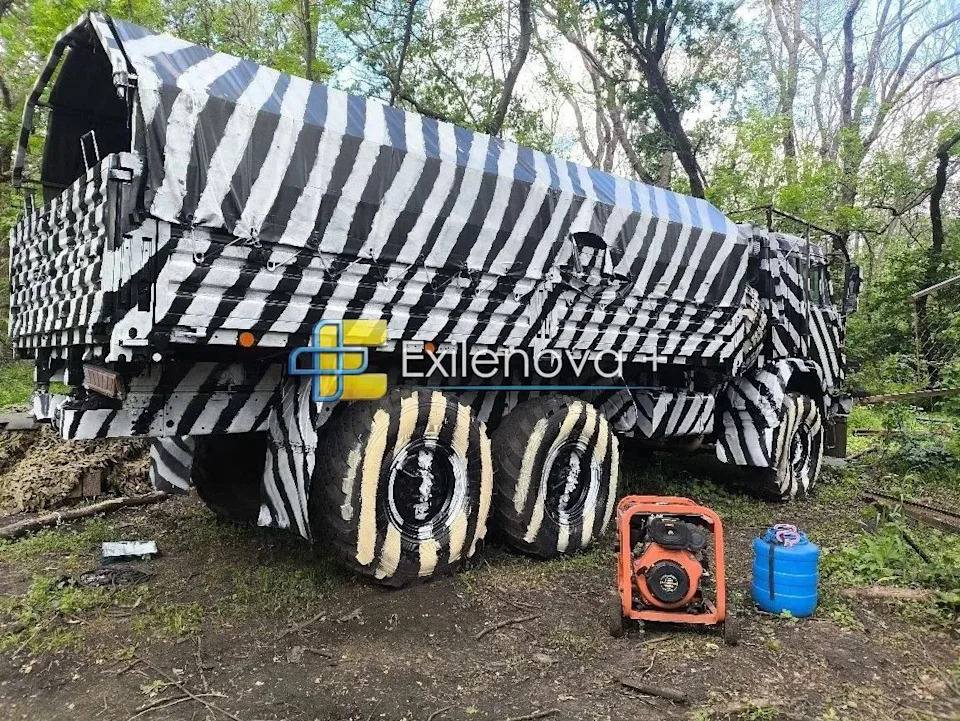
via X
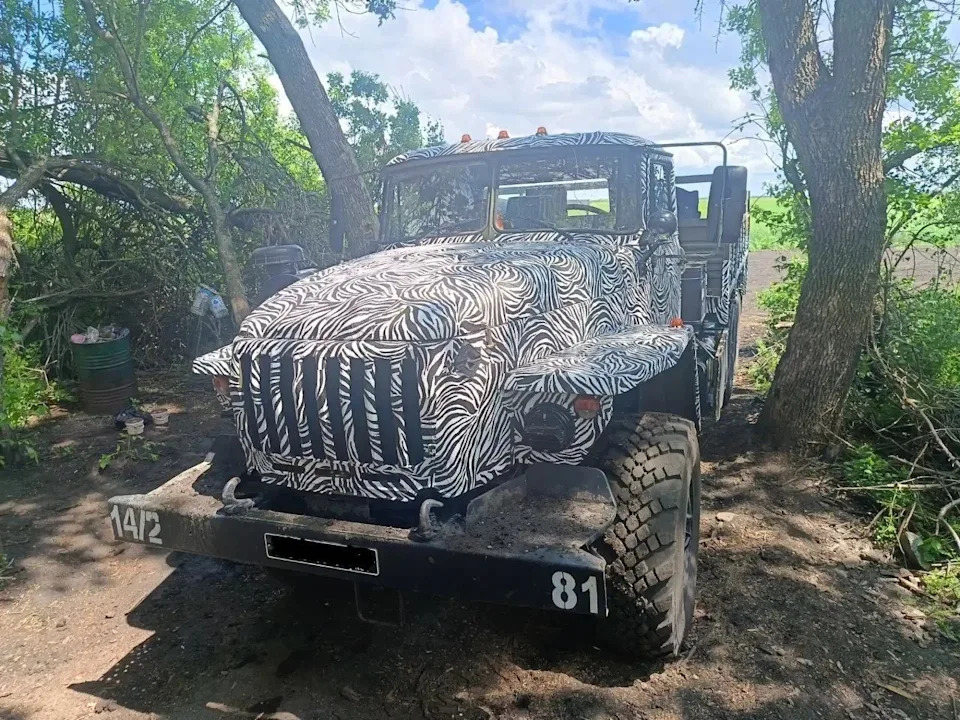
Ural truck with leaf-like pattern.via X
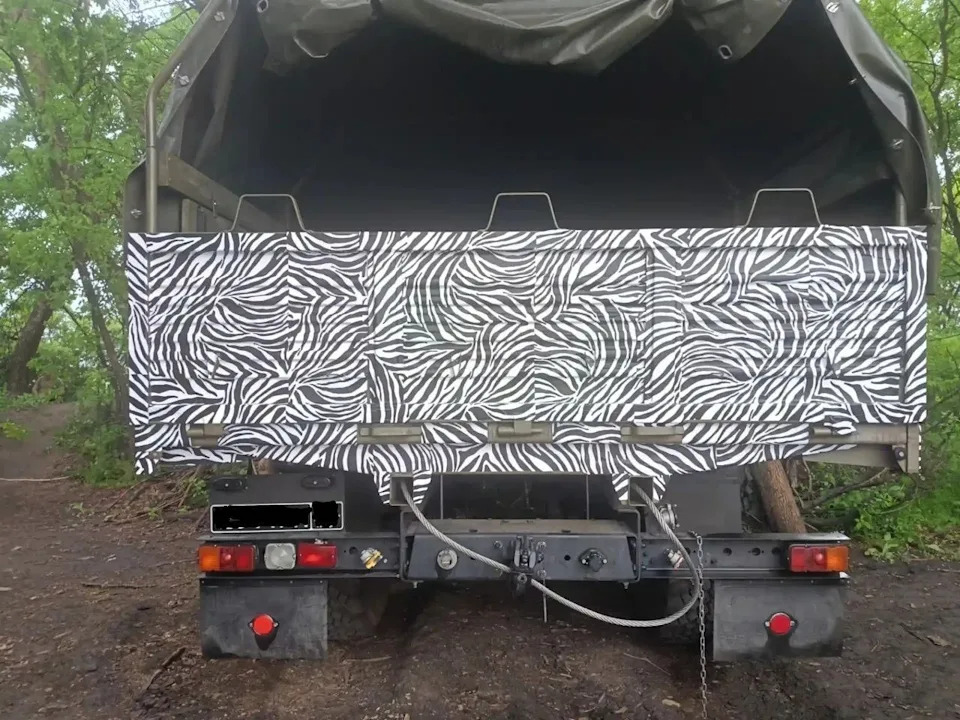
via X
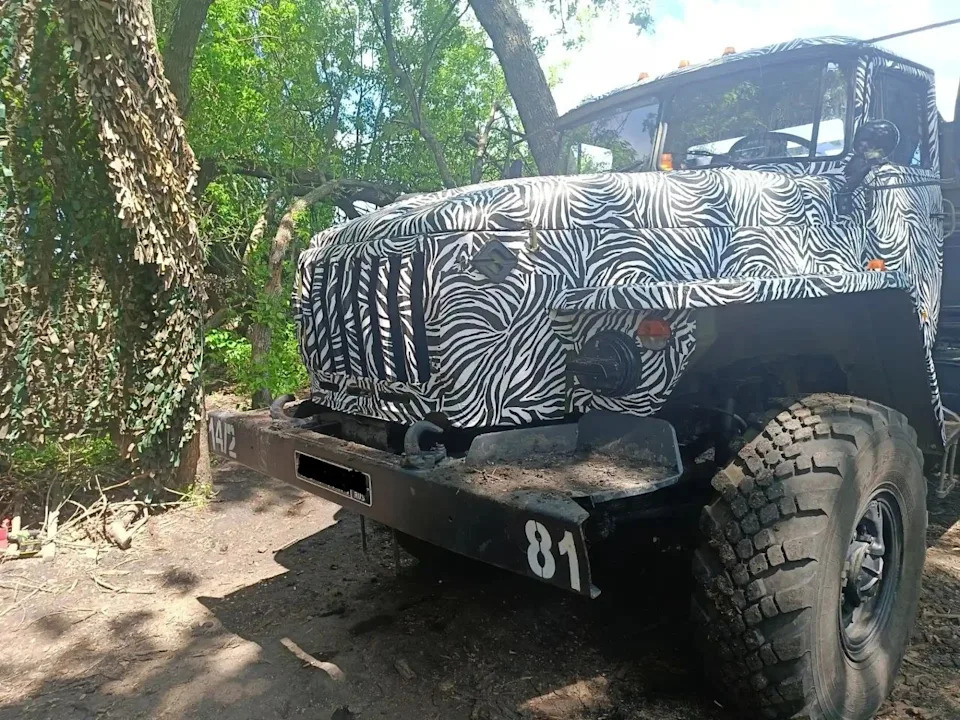
via X
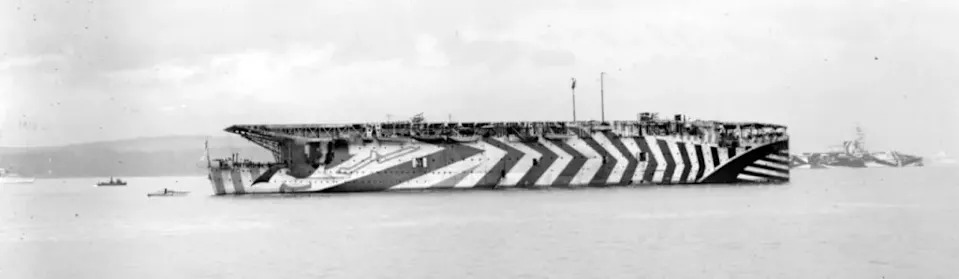
British aircraft carrier HMSArguswearing dazzle camouflage in 1918.Crown Copyright
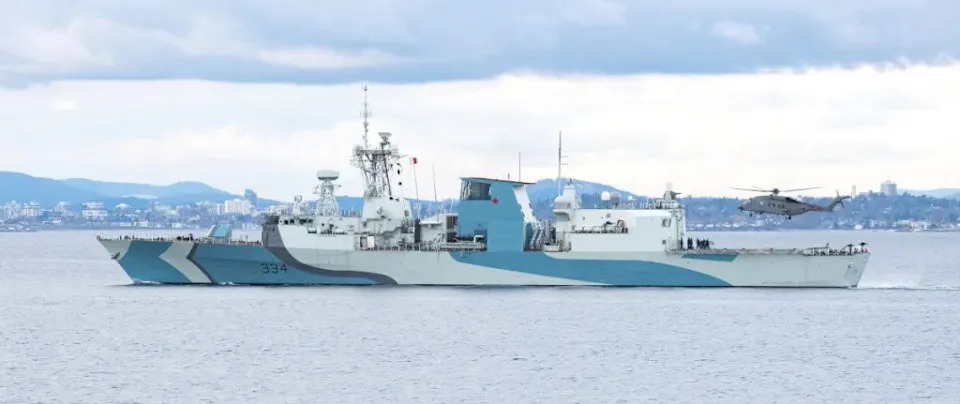
The Canadian frigate HMCSRegina, carrying a dazzle camouflage scheme, takes part in an exercise in 2020.Canadian Forces
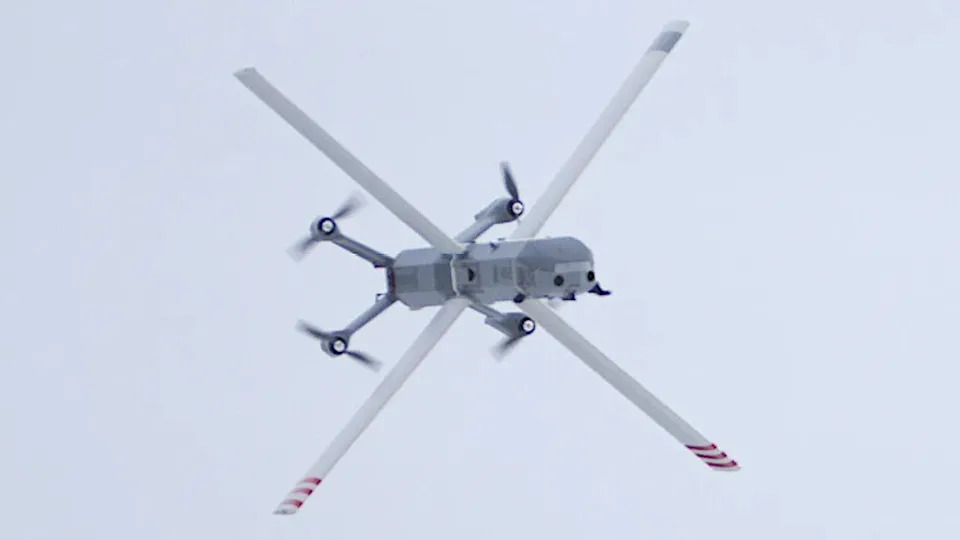
An HX-2 drone in flight. The HX-2 has some capabilities enabled by AI.Helsing
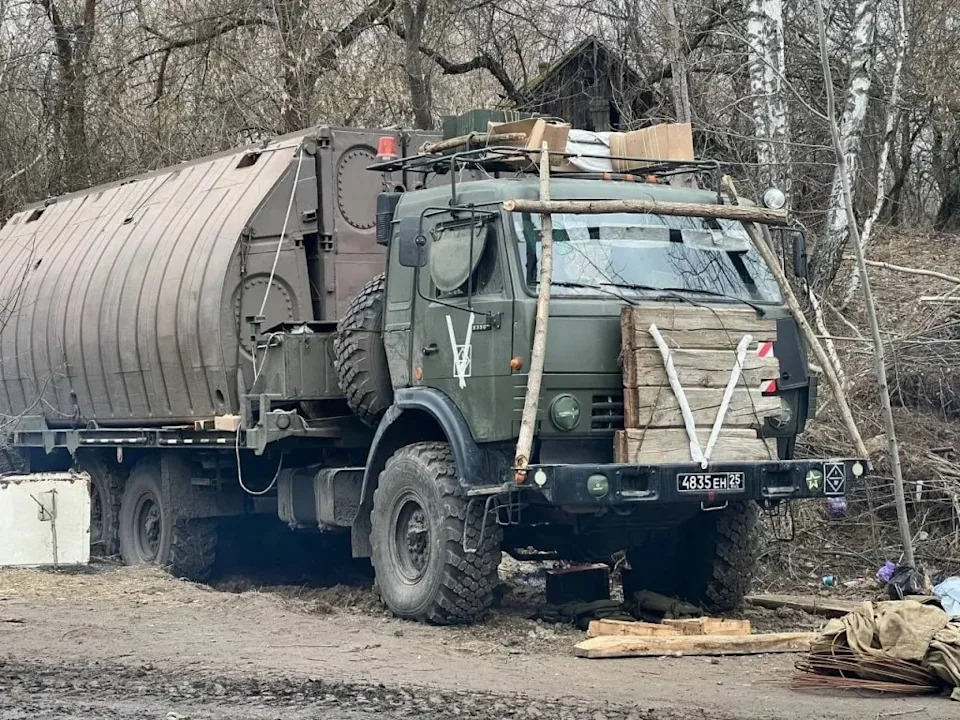
A Russian truck with improvised armor made of logs, in 2023.via X
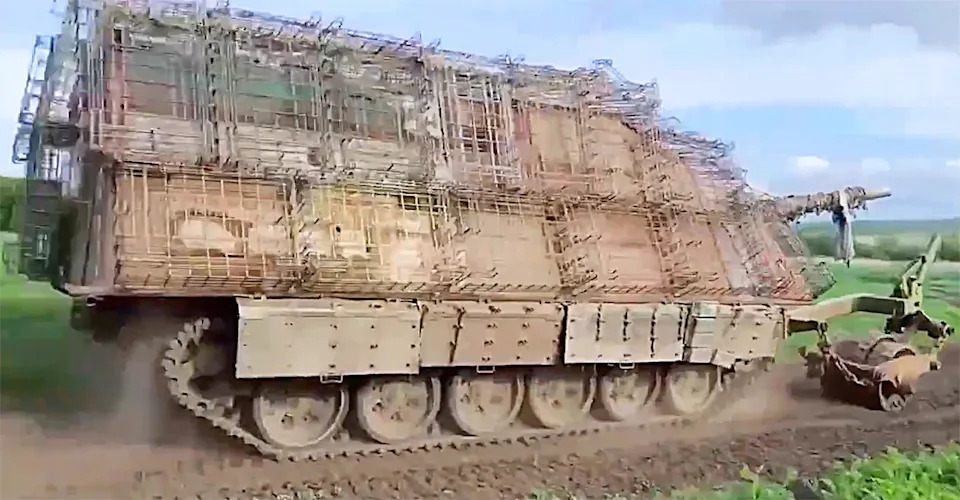
Russian ‘turtle tank’ seen operating with additional cage armor and an attached mine roller.via X
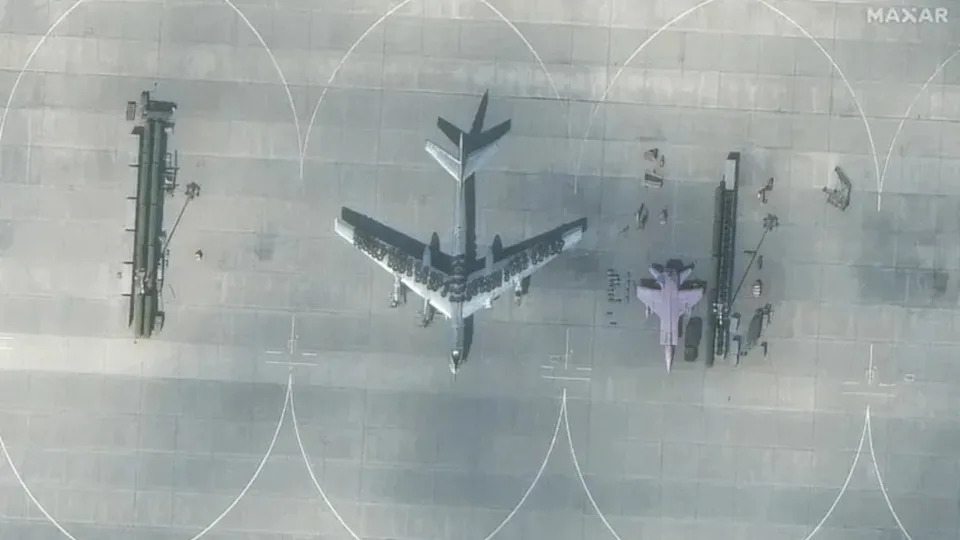
A close-up of a Russian Tu-95MS bomber with tires on the wings and top of the center fuselage at Engels-2 Air Base, taken August 28, 2023.Satellite image ©2023 Maxar Technologies
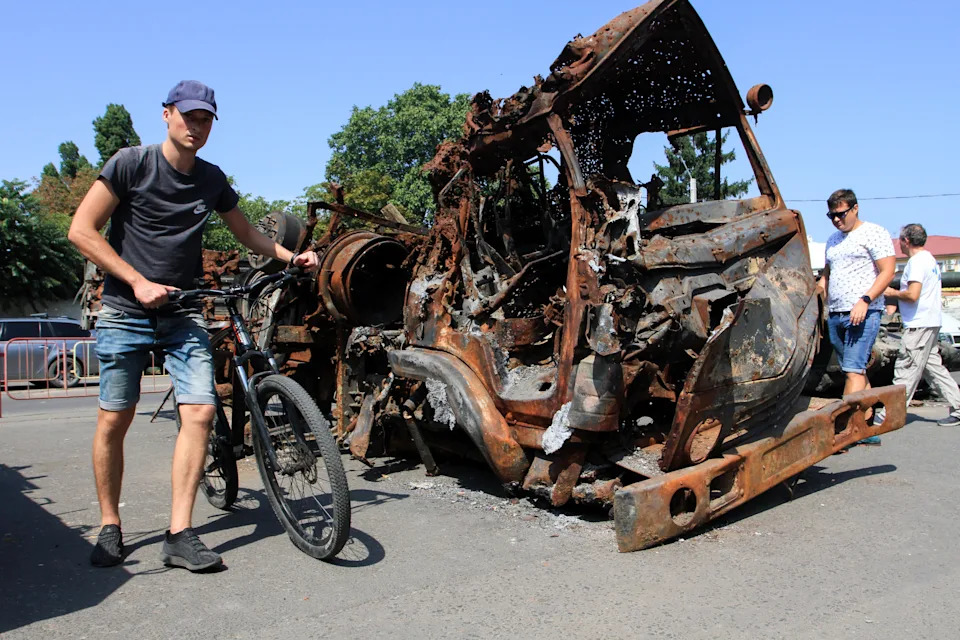
A man with a bicycle passes by a burned-out KAMAZ truck, part of a display of Russian military equipment destroyed in the fighting in Ukraine.Photo by Viacheslav Onyshchenko/SOPA Images/LightRocket via Getty ImagesSOPA Images
Help us improve.