Dusky sharks — once driven close to extinction — have been spotted feeding on seals off Cape Cod and Nantucket, signaling a slow recovery for the species. Federal protections since the 1990s, including a ban on finning and later prohibited status for dusky sharks, have helped populations rebound. A 2023 video provided the first clear proof of active seal predation, and recent captures and winter tagging (2–6 sharks) indicate the species is recolonizing former habitats. Recovery remains fragile because dusky sharks mature around 20 years and reproduce infrequently.
Rare Dusky Shark Returns To New England — Caught On Camera Hunting Seals
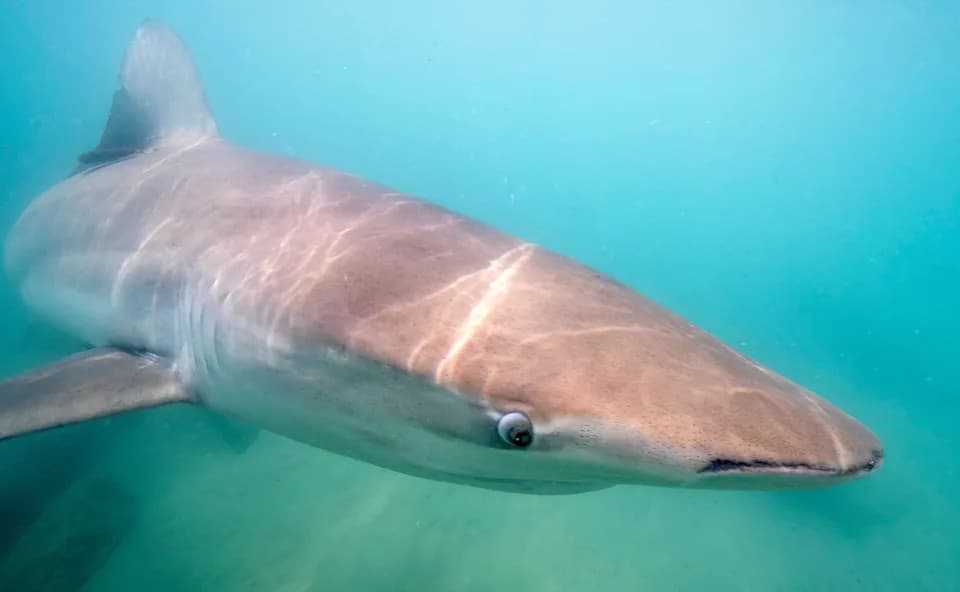
Photostock-israel/STOCK PHOTO/Getty Images - PHOTO: Dusky shark (Carcharhinus obscurus)
Marine biologists report a striking comeback: dusky sharks, a large-bodied species that nearly vanished from U.S. Atlantic waters, have been observed feeding on seals off southeastern Massachusetts, including Cape Cod and Nantucket.
Mistaken Identities and New Evidence
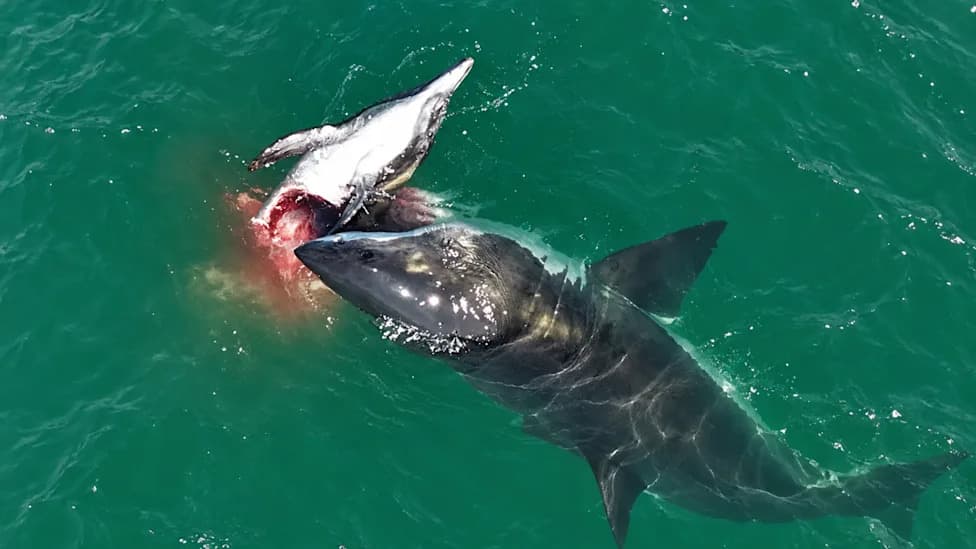
Summer seal attacks in the region are often attributed to great white sharks, but several recent incidents that were thought to involve white sharks were later identified as dusky sharks, John Chisholm, adjunct scientist at the New England Aquarium’s Anderson Cabot Center for Ocean Life, told ABC News. In 2023, Megan Winton of the Atlantic White Shark Conservancy filmed a dusky shark killing a seal — the first definitive video evidence that the species actively preys on seals rather than only scavenging.
How They Nearly Disappeared
Dusky sharks were heavily targeted by commercial fisheries in the Gulf and Atlantic in the late 20th century. Demand for shark meat and fins — historically driven in part by markets in China — and bycatch pressures caused steep declines. By 2006, population estimates placed dusky sharks at roughly 15%–20% of their mid-1970s abundance.
Federal Protections And A Slow Recovery
Conservation measures have helped spur a gradual rebound. NOAA Fisheries introduced the first Fishery Management Plan for Sharks of the Atlantic Ocean in 1993, banning shark finning at sea and grouping species into management complexes. Dusky sharks were among the species given strong protections around 2000, placed under prohibited status so fishermen must release any that are caught.
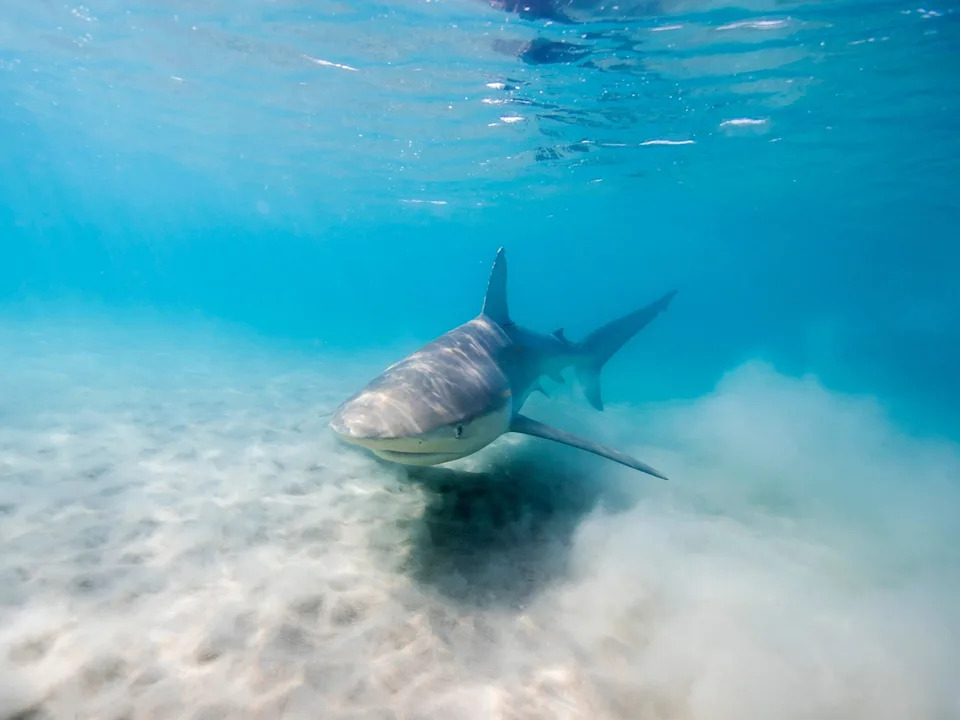
Photostock-israel/STOCK PHOTO/Getty Images - PHOTO: Dusky shark (Carcharhinus obscurus)
Biology That Slows Recovery
Dusky sharks have a very slow life history: they typically reach reproductive maturity at about 20 years, and females reproduce only every few years. Those traits make population recovery slow and make the species highly vulnerable to elevated fishing mortality, as Demian Chapman of the Mote Marine Laboratory explains.
Recent Scientific Findings
Citizen scientists began reporting sharks preying on gray seals around 2020; many observers assumed the attackers were great whites. Male dusky sharks can grow up to about 14 feet — similar in size to sub-adult white sharks — which contributes to confusion. Key physical differences include a leaner body and an extended upper caudal lobe on the dusky shark's tail, whereas white sharks have more symmetrical tail lobes.
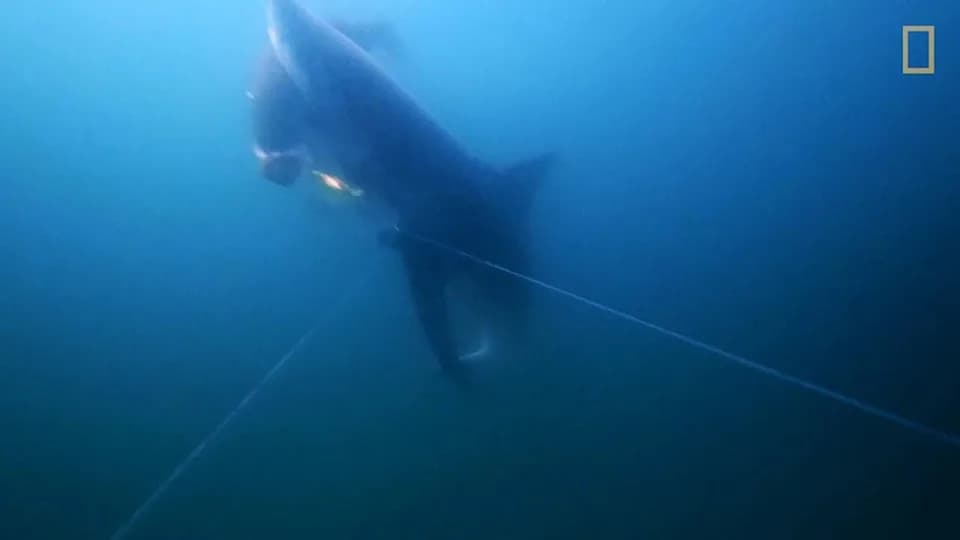
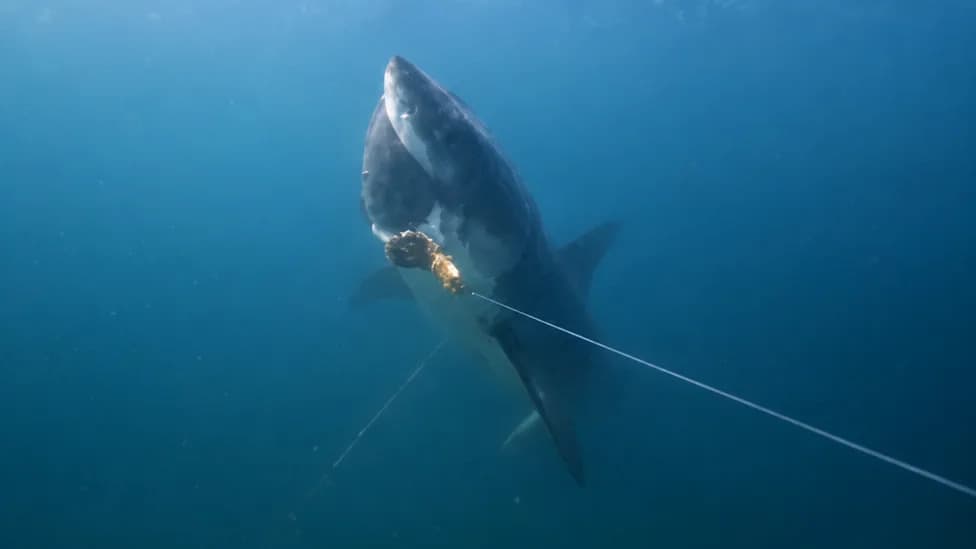
Between 2003 and 2022, Mote researchers did not capture a single dusky shark, but in December 2022 they landed two females longer than 10 feet. Since then, the team has been catching, tagging and releasing between two and six dusky sharks each winter — additional evidence the species is recolonizing its historical range.
"We've started to see them come back, which is fantastic," Chapman said, while emphasizing that the comeback is fragile due to the species' slow reproduction.
What This Means
The return of dusky sharks is a conservation success story, but it also underscores the need for continued protections and public awareness. For beachgoers and water users, standard safety guidance applies: stay alert, avoid swimming near seal colonies, and follow local advisories. For scientists, the rediscovery offers a new opportunity to study the species' behavior, migration and population dynamics as they re-establish in New England waters.
Help us improve.