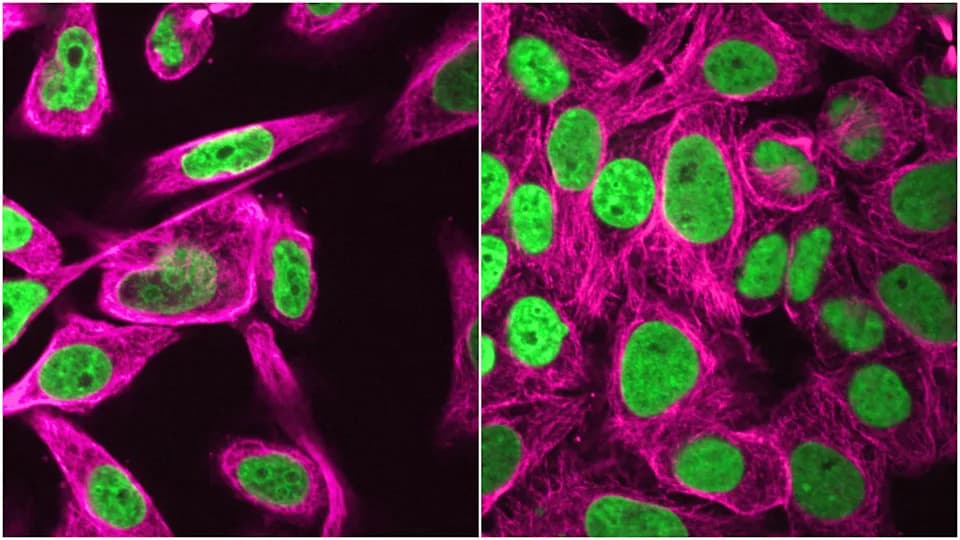
China's Academy of Sciences has sent lab-grown artificial human-embryo models to the Tiangong station to test whether very early stages of human-like development change in microgravity. The models—unable to form a fetus—represent about two and three weeks of development; after five days in orbit they will be frozen and analyzed on station and back on Earth. Researchers aim to compare microgravity-grown samples with Earth controls, while weighing risks from weightlessness and increased space radiation.
China Sends Artificial Human-Embryo Models to Tiangong to Test Early Development in Microgravity
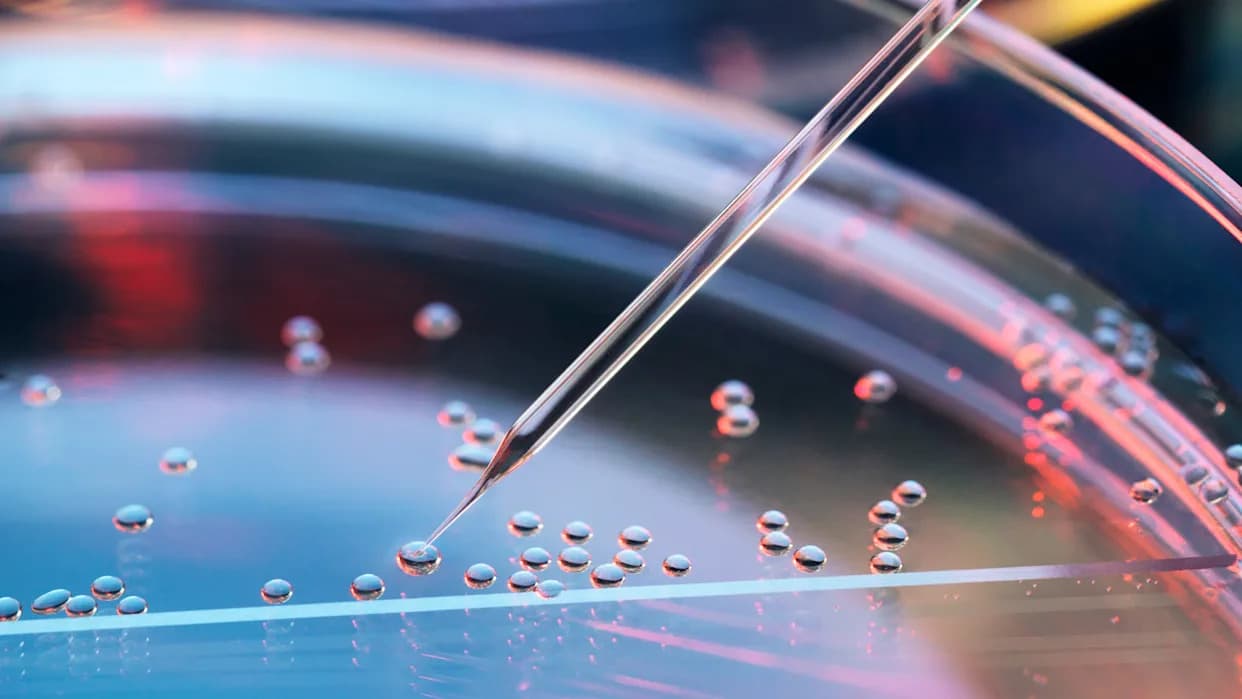
(Credit: Westend61/Getty Images)
The Chinese Academy of Sciences has launched a controversial and scientifically ambitious experiment: researchers sent laboratory-grown "artificial human embryos" into low Earth orbit to study how very early human development proceeds in microgravity.
These artificial embryos are multicellular assemblies of human cells engineered to mimic the structure and cell types found in embryos at the earliest stages of development. Crucially, the models lack the capacity to develop into a full human fetus, a distinction that narrows ethical concerns while still allowing researchers to probe early developmental processes.
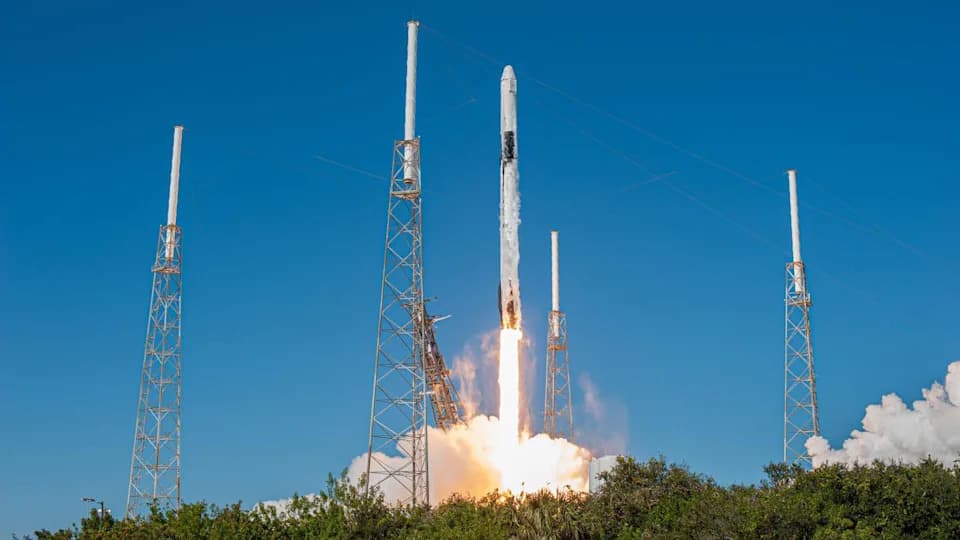
The payload reached the Tiangong space station aboard a Tianzhou-10 cargo flight. The experiment includes two types of embryo models, one approximating about two weeks of development and the other roughly three weeks. After five days of growth aboard the station, each sample is to be frozen and later analyzed both on board and after return to Earth; the Chinese Academy of Sciences has not provided a public timeline for completion of those analyses.
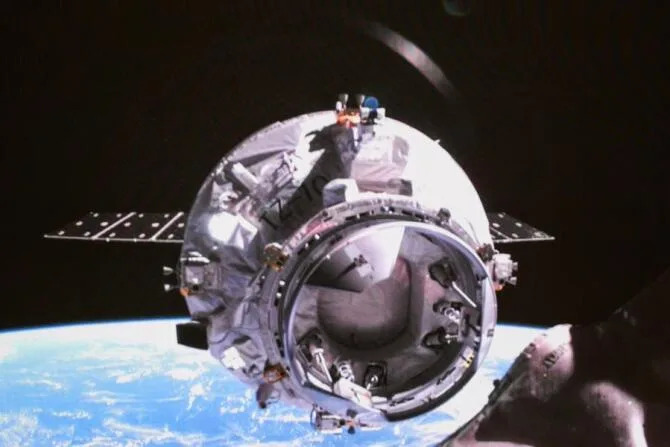
tianzhou-10 cargo carrier tiangong station
Why This Experiment Matters
The stated goal is to compare how human-analog structures organize and pattern themselves in microgravity versus identical controls cultured under Earth gravity. Scientists do not yet know whether directional cues such as gravity influence the earliest steps of tissue organization and symmetry breaking in embryos.
Project lead Yu Leqian of the Institute of Zoology at the Chinese Academy of Sciences said the models "were brought to space to explore whether life, which has evolved under gravity for hundreds of millions of years, is affected by its sudden absence."
Possible Outcomes and Concerns
Outcomes could range from negligible differences to substantial developmental changes. In addition to microgravity, other space hazards—particularly elevated levels of ionizing radiation—pose risks to developing cells. A number of studies and reviews have concluded that space is a challenging environment for unshielded biological systems.
Laboratory research has also reported that microgravity can impair sperm motility and fertilization, which would complicate any attempt to conceive in orbit. Because early fetal development is a complex, fragile process, these findings raise questions about accidental or intentional pregnancy during extended spaceflight.
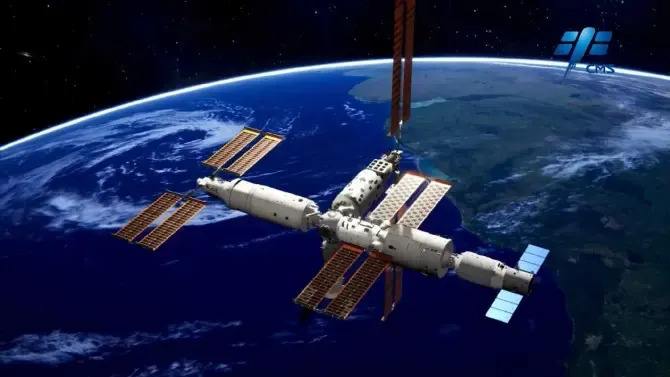
china tiangong station
Possible Mitigations
If microgravity or radiation prove harmful, engineers and biologists have proposed countermeasures such as rotating habitats or small centrifuges to simulate gravity for critical developmental stages, and enhanced shielding to reduce radiation exposure.
As commercial spaceflight carries increasing numbers of private citizens into orbit, the ethical and practical implications of reproductive research in space will likely attract closer scrutiny. This experiment—focused on embryo-like models that cannot form a fetus—offers a way to advance scientific understanding while minimizing some ethical concerns, but it will still demand careful oversight and transparent reporting of results.
Image credits: Han Qiyang/Xinhua; CMSA (renders and mission images referenced by the Chinese Academy of Sciences).
Help us improve.