Reviewing a long-running voluntary screening programme, UK researchers found routine tests detected 175 previously undiagnosed heart problems in almost 40,000 women aged 14–35, with 94 classified as high risk for sudden cardiac death. While early detection can save lives, ECG screening can miss some conditions and may produce false positives, so policymakers must balance benefits against potential harms. The findings are being discussed as the UK considers wider screening for over-14s.
Simple Heart Checks Spot Hidden Risks In Young Women — Could Prevent Sudden Cardiac Death

Kaitlin says many of her friends have gone for heart checks after hearing about her story [CRY]
Simple routine heart tests are identifying previously hidden conditions in young women that can lead to sudden cardiac death (SCD), UK researchers report.
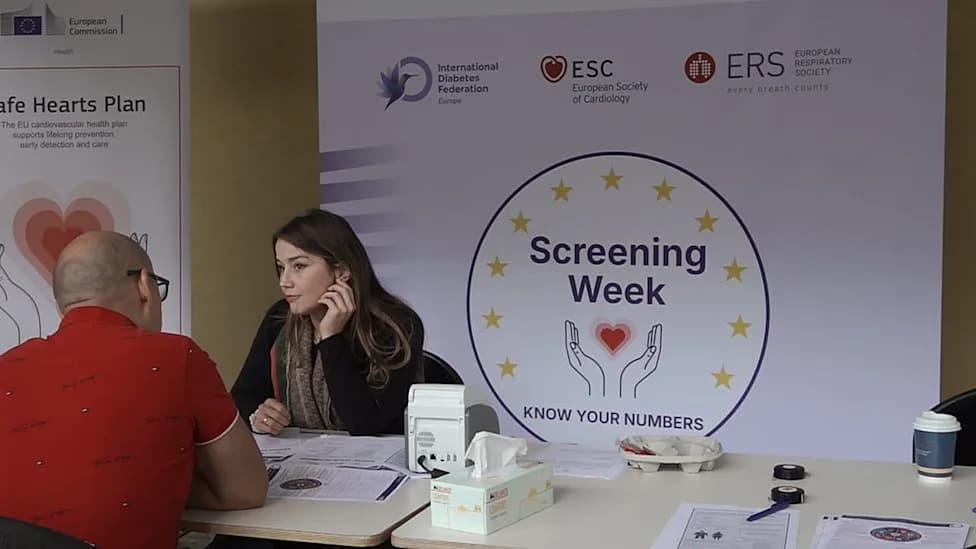
The findings come from a review of a long-running voluntary screening programme, run by the charity CRY (Cardiac Risk in the Young) since the early 1990s. Nearly 40,000 women aged 14–35 took part in screening; 175 were found to have previously undiagnosed cardiac problems despite appearing fit and healthy, and 94 of those were judged to be at high risk of SCD.
Screening Benefits — And Limits
Clinicians say these results highlight that young women, not only athletic men, can harbour dangerous heart conditions. Early detection can be lifesaving, but screening is not perfect: in this review 92 cardiac conditions were missed by the screening process, and 28 of those missed cases were considered fairly major. Simple tests such as an electrocardiogram (ECG) can detect many abnormalities but do not catch every case.
Policy Debate
The UK National Screening Committee is currently reviewing whether to recommend screening for everyone aged over 14 for conditions linked with SCD. A public consultation is expected as part of that review, though a date has not yet been announced. Policy-makers must weigh the benefit of finding true high-risk cases against the anxiety, cost and potential harm caused by false positives and unnecessary follow-up tests.

Kaitlin collapsed while playing a netball league match [CRY]
Inherited Risk And Family Screening
Some causes of SCD are inherited; when a hereditary condition is suspected, the NHS offers free family checks. CRY warns that routine triggers — such as a sudden cold shower or vigorous exercise — can provoke a fatal event in someone with an undiagnosed electrical or structural heart fault. The charity also notes that some SCDs may be misclassified as asthma, epilepsy or drowning, and that in about one in 20 sudden deaths no recognised cause is found even after post-mortem examination.
Patient Story: A Close Call
One woman featured in the review, 24-year-old Kaitlin Lawrence from Surrey, collapsed while playing netball and was later diagnosed with a potentially lethal heart rhythm disorder. "I felt sick and then a few seconds later I passed out on the sideline," she recalls. Team-mates said she was hard to revive and her lips turned blue, although she continued to breathe. She was taken to hospital and eventually received an implantable cardioverter-defibrillator (ICD).
"It can deliver an electric shock to restart my heart. It feels like a thump when it happens — it's a bit scary, but it works. I'm also on beta-blockers to help stabilise my rhythm," Kaitlin says.
Her ICD has already delivered life-saving shocks twice. She says her condition might have been picked up by a quick ECG; her family and several friends have since chosen to be screened.
How Common Is SCD In Young People?
Across the UK, sudden cardiac death accounts for around 12 deaths per week among people under 35. The risk is roughly three times higher in boys and young men than in girls and young women, but young women remain affected and can benefit from targeted detection and care.
The decade-long screening review by CRY is being presented at the British Cardiovascular Society annual meeting in Manchester. Experts say better awareness, targeted screening for those at higher risk, and family tracing where hereditary disease is suspected can help reduce these tragic events.
Help us improve.