The U.S. Commerce Department on May 31 issued guidance closing a roughly year-old loophole that may have allowed advanced Nvidia Rubin and Blackwell chips and AMD’s MI350x to reach subsidiaries of Chinese firms located abroad. The new rule requires export licenses for advanced chips sent to entities headquartered in China, even if they operate outside mainland China. Industry sources say shipments during the gap could number in the hundreds of thousands, though figures are unverified. The guidance does not force data centers to stop using or servicing equipment already in place.
U.S. Closes Loophole, Bars Advanced Nvidia and AMD AI Chips From Firms Headquartered in China Abroad
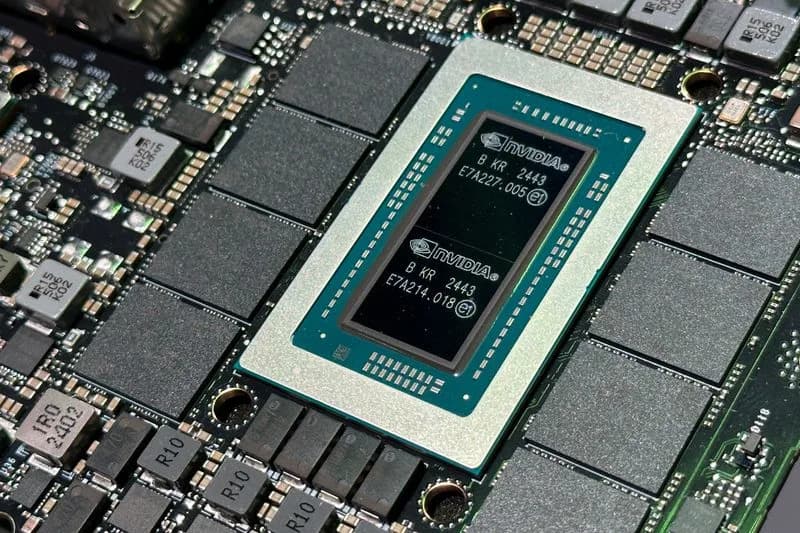
FILE PHOTO: Nvidia GB10 Grace Blackwell Superchip is displayed at the company's GTC conference in San Jose, California, U.S., March 19, 2025. REUTERS/Max A. Cherney/ File Photo
May 31 (Reuters) - The U.S. Department of Commerce on Sunday issued guidance closing an approximately year-old gap that may have allowed some of the world’s most advanced artificial intelligence chips to be exported to subsidiaries of Chinese firms located outside mainland China.
The instruction, posted on the Commerce Department's website, applies to high-end accelerators such as Nvidia’s Rubin and Blackwell processors and AMD’s MI350x. It requires export licenses for advanced chips destined for entities that are headquartered in China, even if those entities operate or are physically located in other countries.
What the Guidance Does—and Doesn’t—Do
The guidance reverses a prior policy gap created when the Commerce Department said in May 2025 it would not enforce the AI Diffusion rule issued in the final days of the Biden administration. That earlier decision may have permitted shipments of advanced AI chips to overseas subsidiaries of Chinese companies for nearly a year.
Commerce officials said the change will now enforce license requirements for China-headquartered entities regardless of their location. The department did not immediately respond to requests for comment. Nvidia and AMD also did not immediately reply to requests for comment from Reuters.
Importantly, the guidance does not require data centers to stop operating existing equipment or to immediately cease maintenance and servicing of already-deployed servers and other advanced computing hardware.
Scale and Concerns
It remains unclear how many chips were shipped during the period when the gap existed. One industry source with deep supply-chain knowledge estimated the number could be in the hundreds of thousands, though Reuters could not independently verify that figure.
"This is a HUGE problem," technology expert and former State Department official Chris McGuire wrote on social media, adding that the gap allowed overseas subsidiaries of Chinese companies to acquire Nvidia Blackwell chips without a license.
Analysts say the guidance tightens export controls aimed at preventing China from acquiring advanced AI training hardware that could accelerate development of cutting-edge AI models. Enforcement details and how the Commerce Department will screen and approve license requests were not included in the posting.
(Reporting by Karen Freifeld in New York; Additional reporting by Fanny Potkin in Singapore; Editing by Chris Sanders and Matthew Lewis)
Help us improve.