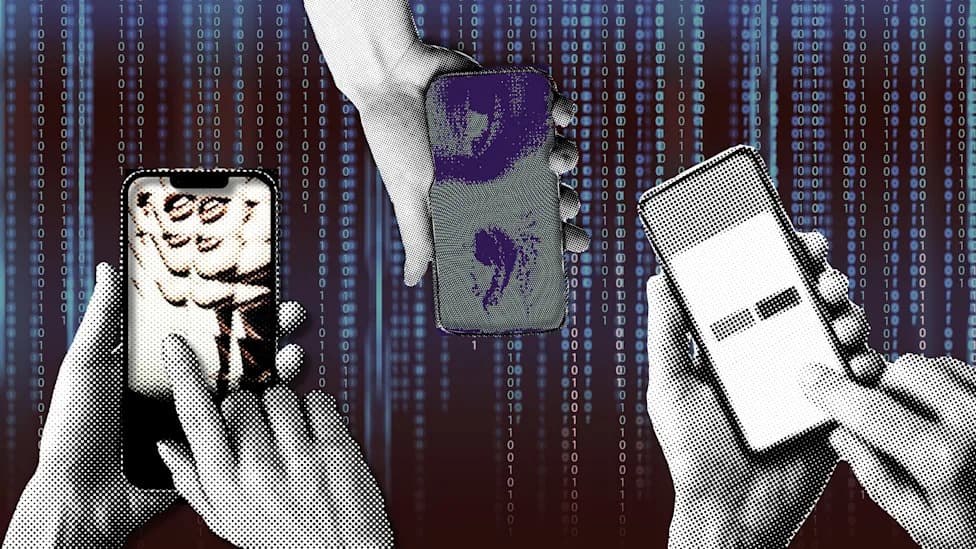
Lunchshaming—the covert photographing and online sharing of students while they eat—is on the rise, experts warn. A study of roughly 25,000 students found about 14% of elementary and 18% of middle/high school students reported being bullied in the cafeteria in the past month. Schools are experimenting with phone bans and other measures, which can help, but digital harassment often adapts and subtle forms of bullying persist.
Experts Warn Of Rising 'Lunchshaming' In School Cafeterias — Students Secretly Photographed And Harassed

Worrying new bullying trend emerging in school cafeterias, mental health experts warn
Mental health experts are raising alarm about a growing form of school bullying known as "lunchshaming," in which students are secretly photographed while eating and those images are shared online. Specialists say the practice can damage self-esteem, intensify body-image concerns and drive some students to avoid the cafeteria altogether.
What Is Lunchshaming?
Lunchshaming typically involves peers taking covert photos or videos of a student while they eat and posting the images to social media or group messaging platforms. The Wall Street Journal describes the behavior as falling into two common patterns: the "ugly mouthful"—capturing an unflattering moment of someone chewing—and the "lonely eater," which highlights a student eating alone.
Scope And Evidence
Researchers say school dining areas are especially vulnerable because they tend to have less adult supervision than classrooms. Catherine Bradshaw, a University of Virginia researcher who studies bullying and child mental health, reported that in a study of roughly 25,000 students, about 14% of elementary pupils and 18% of middle- and high-school students said they had been bullied in the cafeteria during the past month.

'Lunch shaming' has led some students across the country to avoid eating at school altogether, out of fear that classmates will take and share embarrassing photos of them on social media (Getty Images)
"Catching people doing embarrassing things has been going on for some time, and this is the more recent iteration of that," Bradshaw told The Wall Street Journal, noting how smartphones have intensified an old problem into something persistent and public.
Student Experiences
High school students quoted in the report described repeated targeting. Christian Okafor, a senior in San Diego, estimated classmates have photographed and shared unflattering images of him while he was eating between 30 and 40 times. "It makes you feel self-conscious and like you have to hide while eating," he said, adding that he now seeks out secluded spots on campus and has not reported the incidents because he doubts administrators can stop them.
Similarly, Nihar Patel, a recent graduate from Fairfield, Ohio, said a friend stopped eating in the cafeteria after students posted photos of her eating to a school Snapchat page. Patel and his friends began eating in a teacher's classroom instead.
School Responses And Limits
Schools have tried cellphone restrictions and other anti-bullying measures to curb the trend, but educators warn that digital harassment evolves faster than policy. Some districts have introduced full-day phone bans while others restrict phones only during instruction. Early evidence suggests phone limits can reduce disciplinary incidents and even boost academic performance.

Phone bans are being rolled out in more American schools and have reportedly eased the problem somewhat, though students and experts say some bullying just shifts to other methods (AFP via Getty Images)
In Aberdeen, Washington, a full-day ban coincided with a noticeable increase in middle-school students returning to eat school lunches because they no longer feared being photographed, co-superintendent Traci Sandstrom told the outlet.
Remaining Challenges
Even where phone bans reduce visible posts, experts and students say the behavior has not disappeared. Some harassment simply shifts to other online channels or becomes more subtle and hidden, making it harder to detect and address. "It's the subtle hidden bullying that's the worst," said Kaplan Jørgensen, an associate professor of social psychology at University College Copenhagen.
Experts recommend a combination of clearer policies, consistent adult supervision in communal spaces, education about digital citizenship, and support services for affected students to address both the immediate harms and the longer-term mental health effects.
Help us improve.