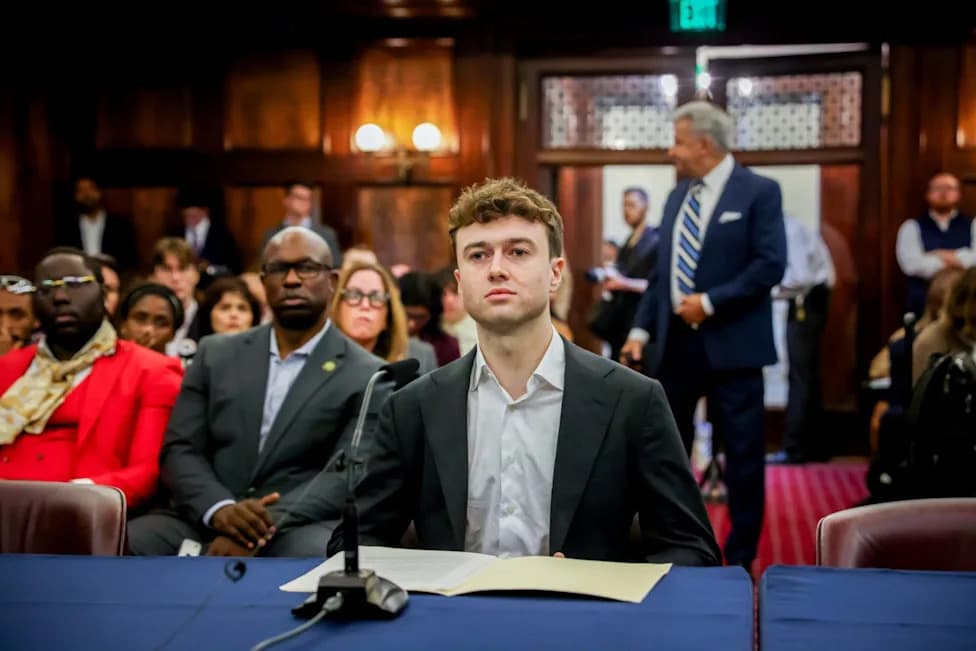
Wired/Benzinga reported that more than 1,000 unpublished pages from the FBI, DHS and regional fusion centers show monitoring of opponents of AI and data centers under an "anti‑tech extremism" label. Civil‑liberties groups warn such broad labels risk conflating peaceful protest with violent threats and chilling public participation. Marjorie Taylor Greene condemned the surveillance on X as criminalizing ordinary complaints, while officials say they must still track credible threats and distinguish speech from violence.
Report Shows Federal Agencies Tracked Anti‑AI Critics As 'Anti‑Tech Extremists' — Marjorie Taylor Greene Calls It Criminalization Of Dissent
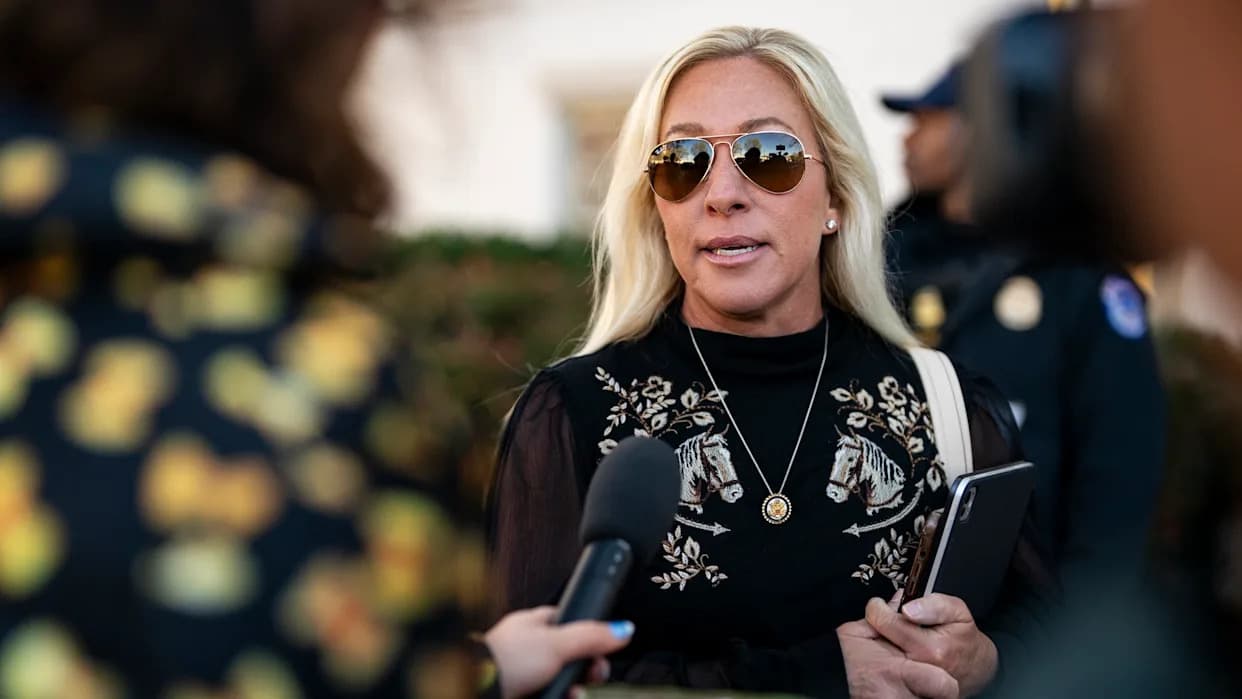
Photo Credit: Getty Images
A newly surfaced document review has intensified the debate over where legitimate protest ends and government surveillance begins — and former Rep. Marjorie Taylor Greene has sharply criticized federal agencies for what she calls the criminalization of ordinary community concerns.
What The Documents Say
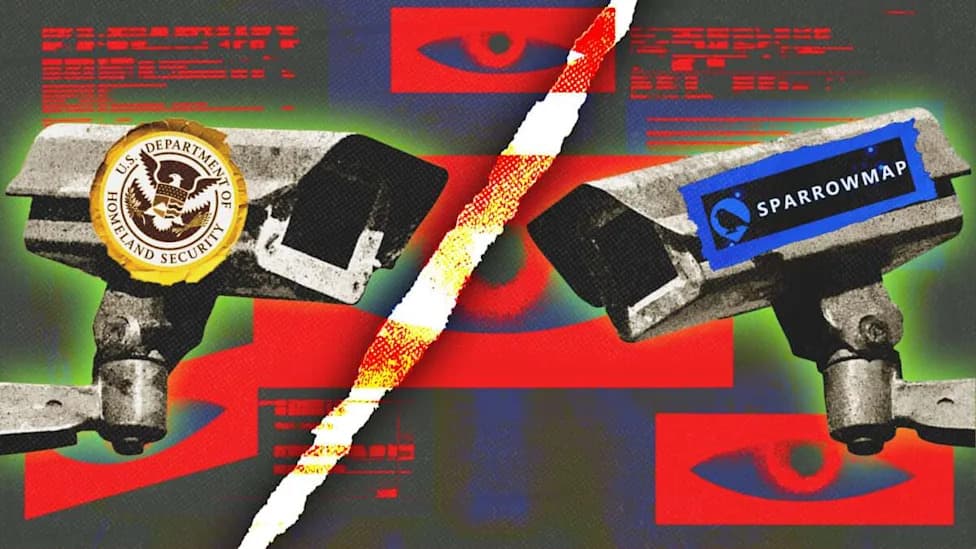
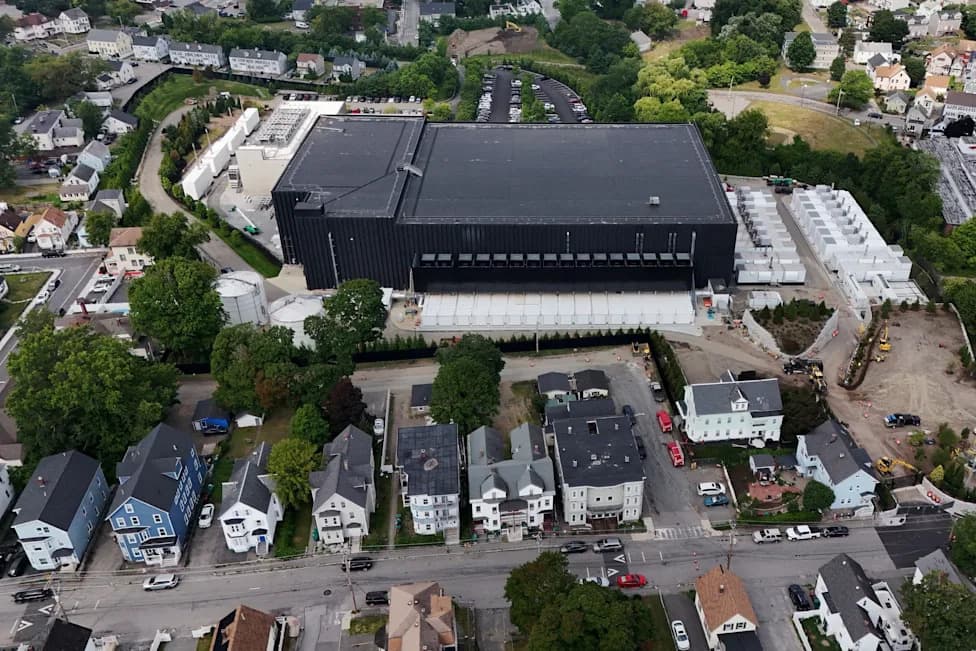
Wired, cited by Benzinga, reported this week that reporters reviewed more than 1,000 unpublished pages from the FBI, the Department of Homeland Security and several regional fusion centers. The documents suggest officials have been monitoring opponents of artificial intelligence and protesters opposing data‑center projects under an "anti‑tech extremism" rubric.
Concerns Raised
Intelligence assessments included in the review warned that opposition to AI, fears of job displacement and disputes over new data centers could contribute to unrest. One New York assessment reportedly described a "chaotic atmosphere" around AI that could produce "large‑scale protests" and potential anti‑tech extremist activity, especially in major cities.
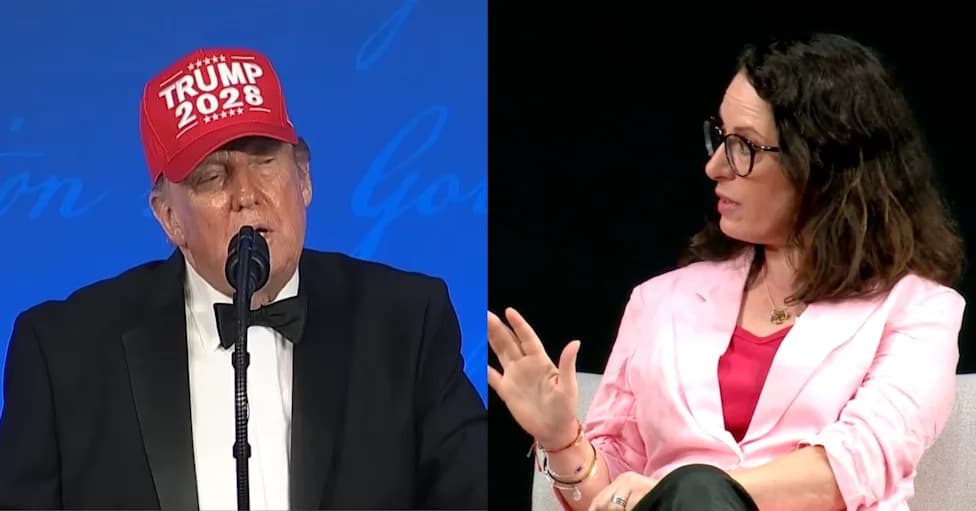
"How dare the peasants complain about data centers stealing their water and driving the cost of electricity! How dare the peasants complain AI will replace their jobs!!" Greene wrote on X. "The peasants are dangerous extremists if they don't shut up and comply!!"
Civil Liberties And The Official Response
Civil‑liberties advocates told Wired they worry that broad labels such as "anti‑tech extremism" risk conflating peaceful protest with genuine violent threats, which could chill public participation on issues like power use, water withdrawals and local economic impacts. Spencer Reynolds of the NAACP Legal Defense Fund noted that intelligence products have in the past treated protest and dissent as possible precursors to violence.
The FBI told Wired its investigations focus on people who commit or plan violence or other activity that threatens national security. Officials say they must monitor credible threats, but the reports raise questions about whether agencies can reliably distinguish between constitutionally protected dissent and actions that presage violence without overreaching.
Outside Actors And Additional Controversy
The debate has also spilled into the private sector. Investor Kevin O'Leary said his team is investigating alleged coordinated bot activity targeting energy infrastructure and AI data‑center projects across North America. He additionally made unsubstantiated claims that some Utah residents were acting as Chinese sleeper cells and described hundreds of local protesters as paid.
Groups named by O'Leary pushed back, calling the assertions insulting and saying opposition to a data‑center project should not be dismissed as the handiwork of a foreign government.
Why It Matters
The story raises a broader policy question: how can law‑enforcement and intelligence agencies protect public safety while preserving the right to peaceful dissent? As AI reshapes economies and communities, clearer boundaries and transparency about what officials monitor and why will be critical to maintaining public trust.
Help us improve.