The Foundation for the Defense of Democracies found hundreds of songs praising Hamas and other militant groups circulating on major streaming services, with some tracks attracting hundreds of thousands to millions of plays. The FDD identified over 550 potentially violative songs on SoundCloud and analysed 30 tracks that explicitly glorified violence. Researchers warn that coded language and platform algorithms can help extremist material evade moderation and spread widely, and they call for improved detection, transparency and possible law‑enforcement investigation.
Report: Hundreds Of Pro‑Hamas Songs Streamed On Major Music Platforms, Some Garner Millions Of Plays

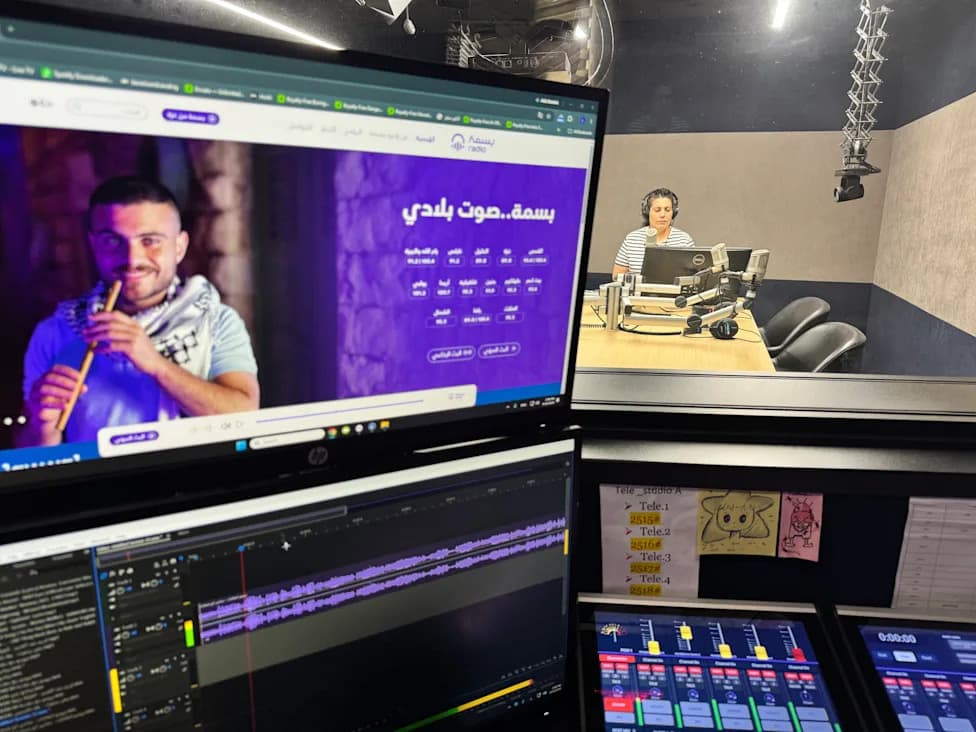
Hamas’s al-Qassam military wing is referenced in songs available on popular music streaming platforms - Anadolu
Researchers say music-streaming platforms have been used to distribute extremist songs that praise or encourage violence, reach large audiences and sometimes evade moderation. A study by the Foundation for the Defense of Democracies (FDD), titled "Time To Stop The Music," identified hundreds of tracks that appear to celebrate terrorist attacks or promote Hamas and other militant groups.
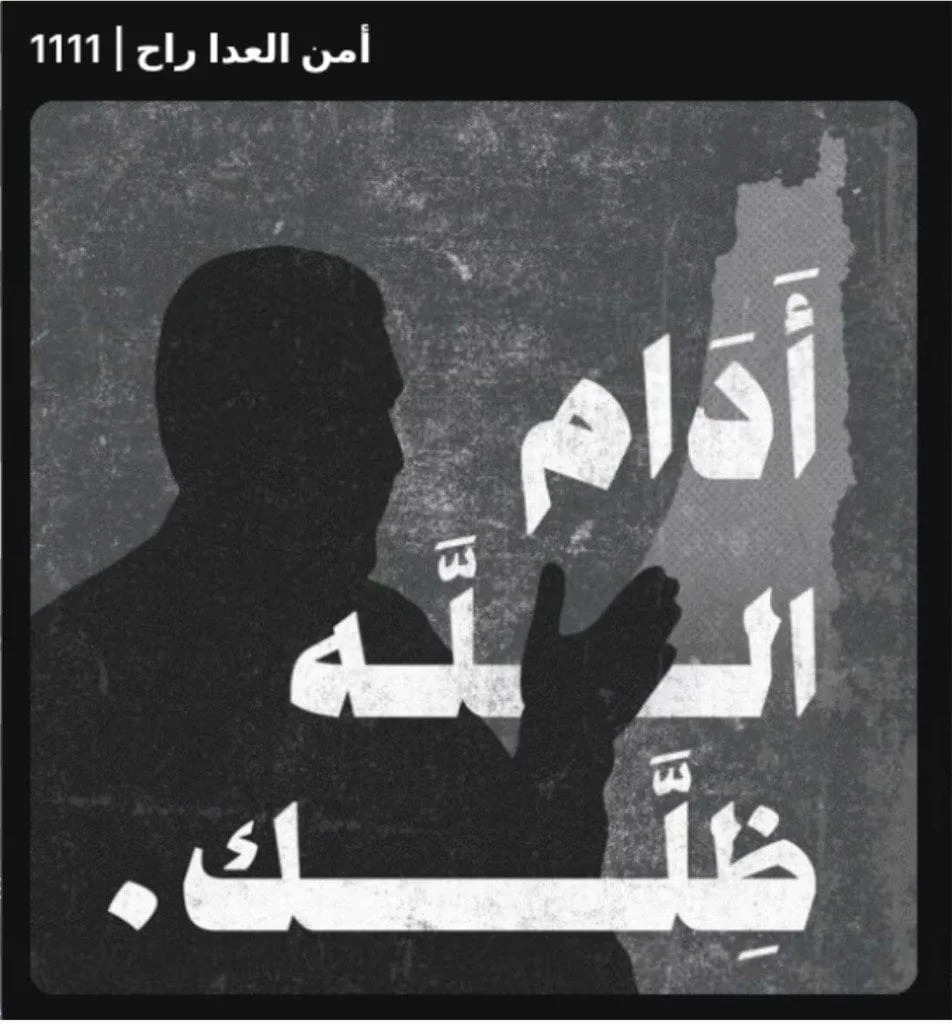
The cover art for a song available to stream online, with imagery honouring former Hamas leader Mohammed Deif
Key Findings
The FDD found more than 550 potentially violative songs on SoundCloud alone. In a focused review of 30 tracks, every song analysed glorified violence or terror; 22 explicitly mentioned Hamas and eight referenced other groups such as the Al‑Aqsa Martyrs’ Brigades and Palestinian Islamic Jihad.
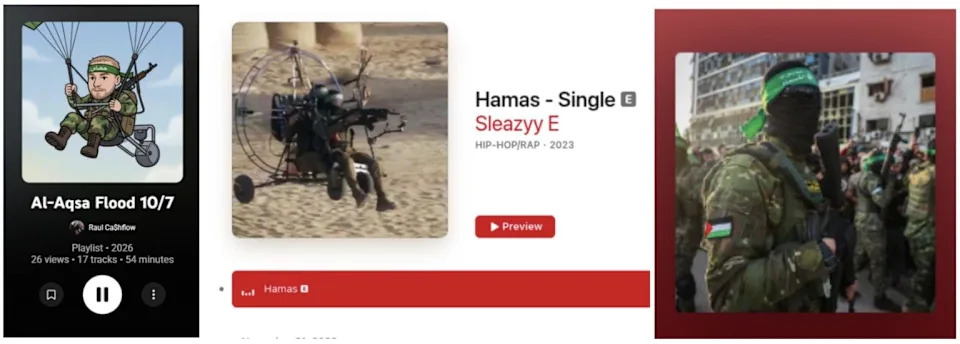
Pro Hamas songs illustrated with AI-generated images of paragliders terrorists, like those who attacked Israel on October 7, 2023
Examples And Reach
- A track urging Jordanians to join Hamas’s campaign against Israel has been streamed more than 600,000 times.
- One song with imagery of a burning Israeli tank and a Hamas spokesman recorded over 303,000 plays; another track linked to a former Hamas commander has amassed more than 2.3 million streams.
- Researchers also identified artwork and playlists across services that reference the Oct. 7, 2023 attacks, including covers titled "Al‑Aqsa Flood 10/7" and imagery of paragliders.
Platforms Affected
Content was located on multiple services, including SoundCloud, Spotify, Apple Music, YouTube Music, Amazon Music, Tidal and Deezer. The report notes that some uploads use coded spellings (for example, "7amas") or refer to specific wings such as the al‑Qassam Brigades to try to evade automated filters.

Music cover art showing an Israeli tank on fire with Hamas spokesman Abu Obaida above it
Platform Responses And Moderation Data
SoundCloud says it combines automated detection, audio matching, keyword tools and human review to remove violent extremist content. Its transparency reports show removals of terrorist‑related content increased from 15,766 in 2023 to 42,523 last year, and user reports rose from 106 in 2018 to more than 100,000.
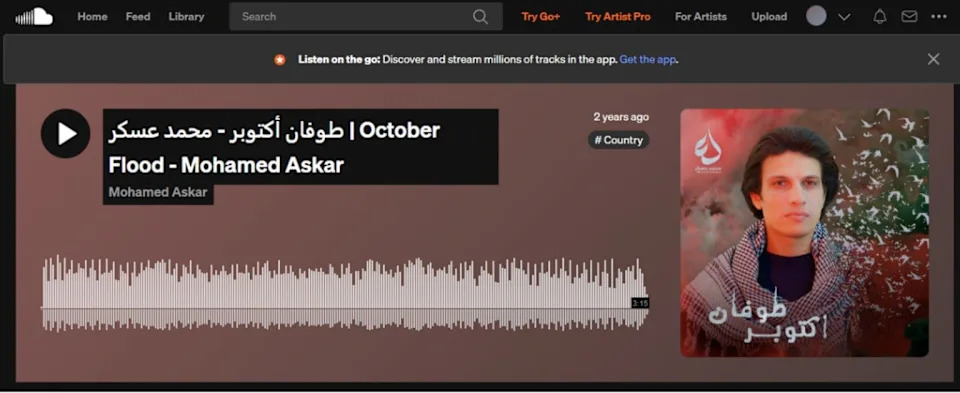
A track praising Hamas’s October 7, 2023 attacks on Israel, as seen on SoundCloud. It has also been available on other popular streaming services
Spotify confirmed it had removed specific tracks named in the report, and Deezer said it removes hateful or illegal content when flagged. Several platforms stated they continually update detection methods and work with external experts and law enforcement where appropriate.

Mohammed Deif, who was head of al-Qassam Brigades, was killed in an air strike in July 2024 - Getty
Dr William Allchorn (Anglia Ruskin University): "Extremist propaganda has evolved from fringe messaging into algorithmically amplified cultural content. Recommendation systems, playlists and comments can turn isolated uploads into interconnected propaganda ecosystems reaching millions."
Danny Stone of the Antisemitism Policy Trust called for stronger safety‑by‑design requirements and urgent government action, saying platforms are not doing enough to prevent real‑world harm.
Concerns And Recommendations
The FDD urged further investigation into whether creators, producers or distributors of extremist audio are providing material support to terror groups. Researchers also recommend platforms enhance detection of coded language, imagery and rapidly uploaded content, and increase transparency about removal processes.
Conclusion
The report highlights how music and audio platforms can be exploited to spread violent extremist messaging to large audiences. While platforms say they are responding, experts warn that algorithms, playlisting and social features can amplify harmful content unless moderation and platform design are strengthened.
Help us improve.