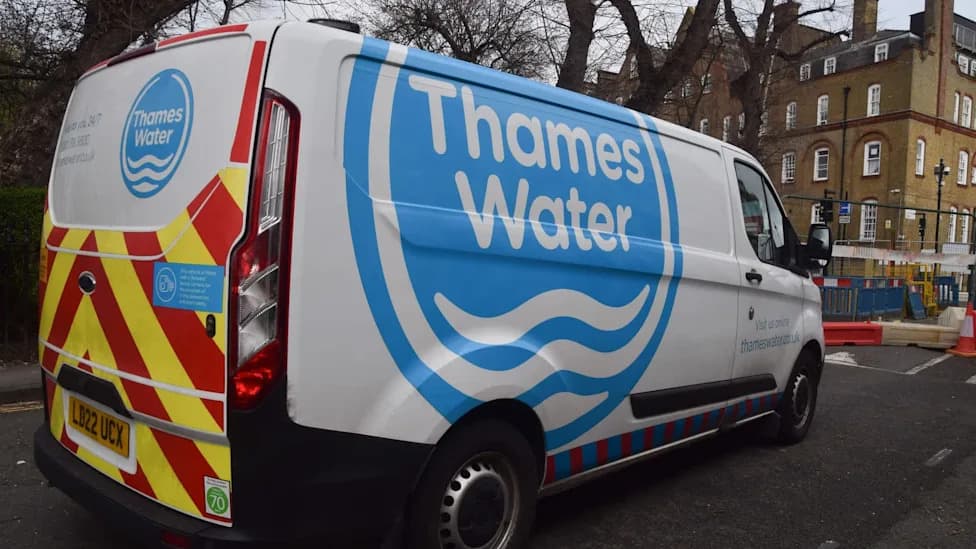
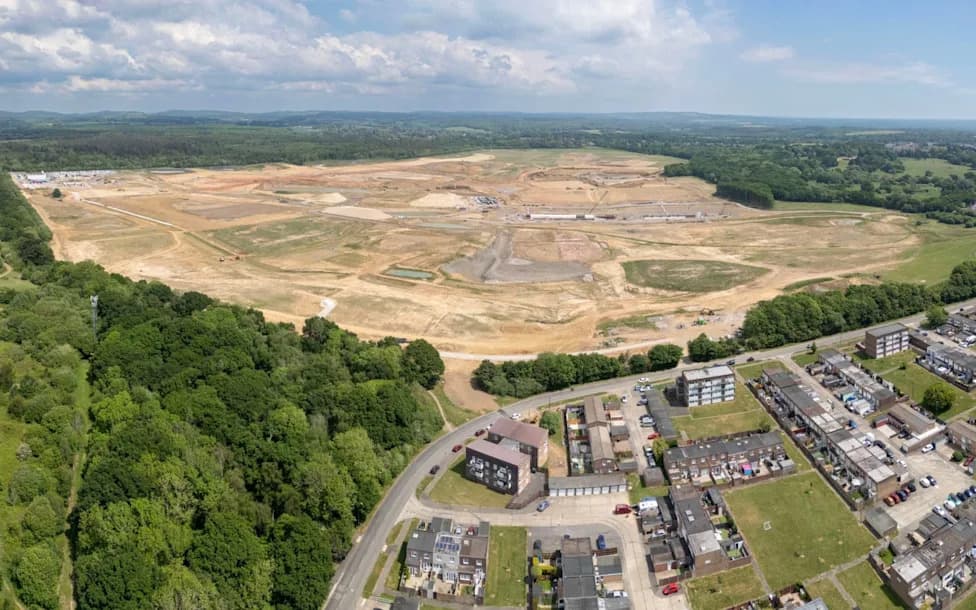
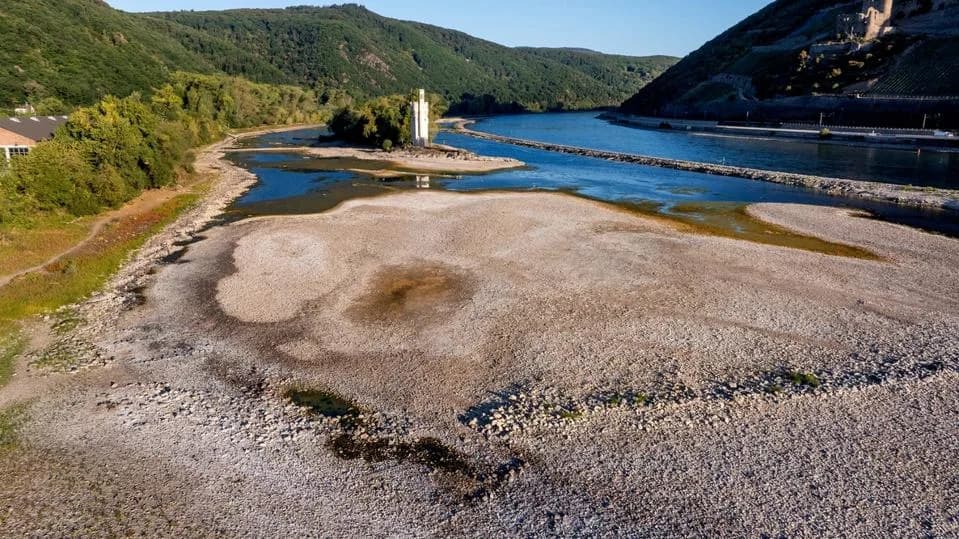
Record May temperatures and a dry spring left parts of southeast England facing water shortages, affecting more than 20,000 people and cutting supply to about 8,000 residents in Whitstable. South East Water apologised, saying it pumped 628 million litres in a day—around 100 million litres above seasonal norms—while storage across its area remained low. Critics blame years of underinvestment by privatised water firms, and experts warn hotter, drier summers will make such episodes more frequent, with the Climate Change Committee estimating £11 billion a year is needed for adaptation.
Heatwave and Dry Spring Leave Thousands in Southeast England Without Water
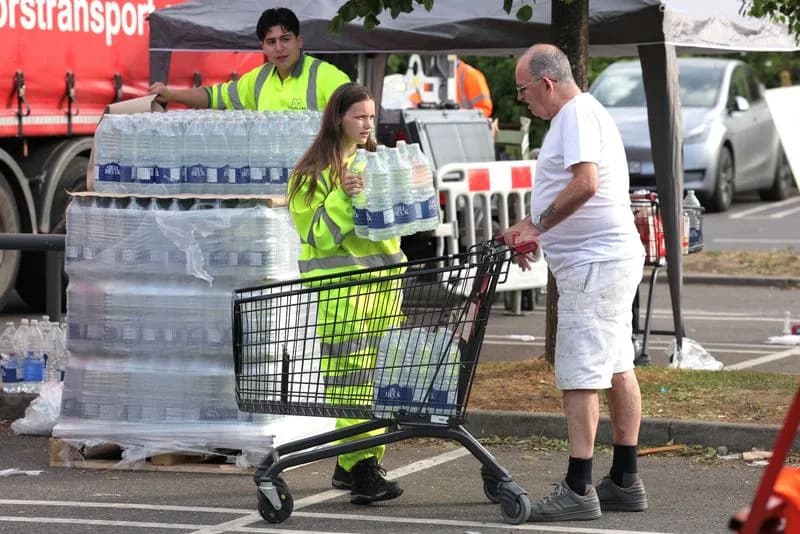
A worker loads bottles into people's cars at a collection point at Sainsbury's car park as water shortages caused by reservoirs running at critically low levels continue in the tourist seaside town of Whitstable, Britain, May 29, 2026. REUTERS/Kevin Coombs
Thousands of households in southeast England experienced interrupted supplies or low water pressure during a record-breaking May heatwave, as unusually high demand after a dry spring exposed weaknesses in the region's ageing water network.
What Happened
At the peak of the disruption more than 20,000 people were affected, including roughly 8,000 residents in the coastal town of Whitstable, South East Water incident manager Matthew Dean said. On Friday, people queued to collect emergency water deliveries and bottled supplies.
Local Impact
Businesses in Whitstable were forced to close during one of the busiest weeks of the year amid school holidays. Cafe owner Mark Kidd warned of immediate public-health and economic consequences: 'If you can't wash your hands, you can't make food.' A local resident who gave his name as George blamed South East Water for the outage and warned against companies attributing failures solely to climate change or usage.
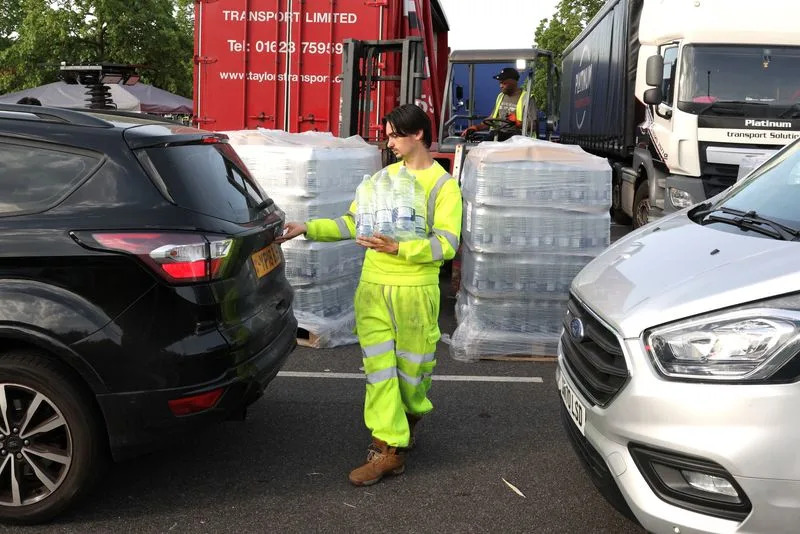
A worker loads bottles into people's cars at a collection point at Sainsbury's car park as water shortages caused by reservoirs running at critically low levels continue in the tourist seaside town of Whitstable, Britain, May 29, 2026. REUTERS/Kevin Coombs
Causes And Company Response
South East Water apologised for the disruption and said exceptionally high temperatures created very large demand. The company, which supplies around 2.3 million customers, reported it pumped 628 million litres on Wednesday — about 100 million litres above the seasonal average — and said storage levels across its supply area were low despite planning for hotter conditions.
Wider Context
Britain and parts of Europe recorded some of the hottest May temperatures on record during the heatwave, with readings above 34°C, according to the national weather service. The Environment Agency said rainfall in March and April ran well below normal, leaving some reservoirs under strain. Experts say sequences of dry spells followed by short bursts of intense heat are becoming more likely as global temperatures rise, complicating efforts by water companies to balance supply and demand.
Regulation and Investment
Public anger has grown over perceived underinvestment by privatised water companies, with critics citing recurrent sewage discharges and network failures. South East Water is already under investigation by regulator Ofwat for earlier outages in parts of its network this year. Britain's independent Climate Change Committee has warned that adapting to progressively hotter, drier summers would require roughly £11 billion a year in investment.
Reporting: Yann Tessier in Whitstable and Sam Tabahriti in London. Editing: Chiara Rodriquez. (Exchange rate in story: $1 = 0.7450 pounds)
Help us improve.