
The month of May is bookended by two full moons, producing a calendrical blue moon on May 31. This blue moon is also a micromoon, the smallest full moon of 2026, appearing about 6% smaller and 10% dimmer than average, though the change is hard to notice without equipment. Blue moons typically recur about every 2.5 years, with the next similar event expected in 2028.
Rare Blue Moon Peaks May 31 — A Micromoon That Won't Return Until 2028
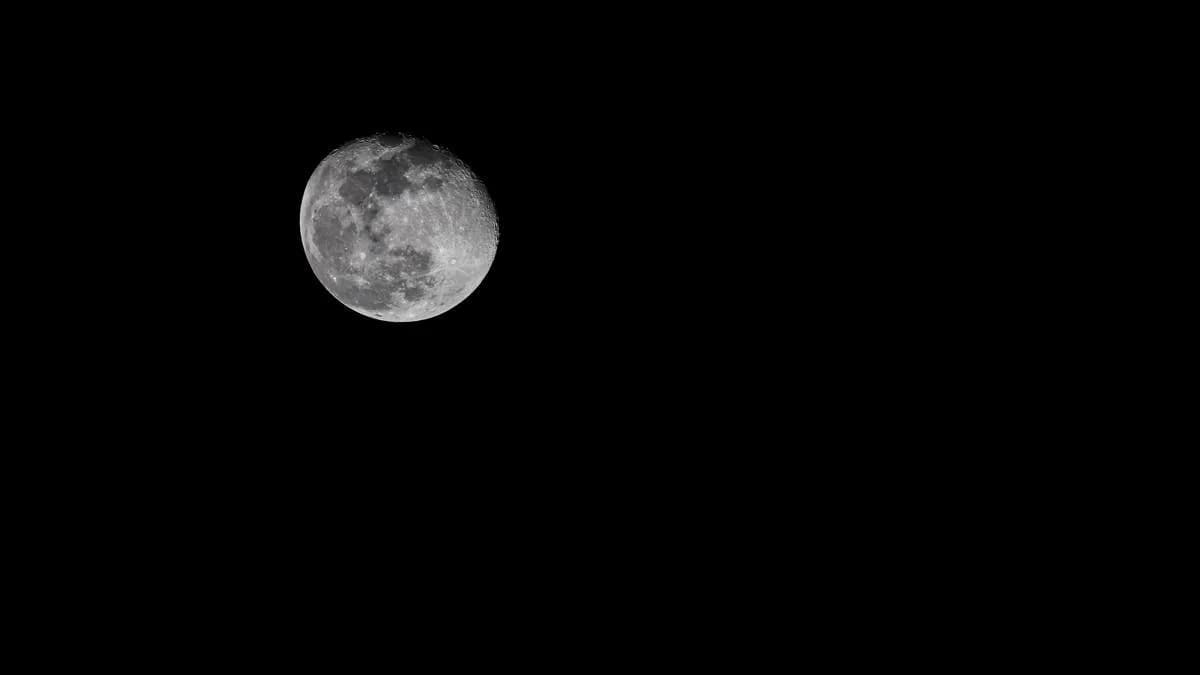
This May is bookended by two full moons, creating a calendrical blue moon on May 31. Despite its name, a blue moon isn’t blue in color; the term most commonly refers to a second full moon in a single calendar month or, seasonally, the third of four full moons in an astronomical season.
According to the Old Farmer’s Almanac, a seasonal blue moon occurs when an astronomical season (marked by solstices and equinoxes) contains four full moons and the third of those is labeled a blue moon. The popular modern meaning of the phrase became widespread after a mistaken definition published in Sky & Telescope in 1946 was amplified in the 1980s.
This year’s blue moon is also a micromoon — the smallest full moon of 2026. Astronomer Gianluca Masi, founder of the Virtual Telescope Project, told the Associated Press that Earth’s satellite will appear roughly 6% smaller and about 10% dimmer than an average full moon. Those differences are real but subtle, and most observers will not notice them with the unaided eye.
While the phrase "once in a blue moon" suggests extreme rarity, a blue moon averages about once every 2.5 years. The last monthly blue moon occurred on August 19, 2024, when it coincided with a supermoon, according to USA Today. Skywatchers hoping to catch this weekend’s spectacle should look skyward on the night of May 31, ideally from a dark location away from city lights; binoculars or a small telescope will reveal more lunar detail.
Sources: Old Farmer’s Almanac, Virtual Telescope Project, Associated Press (Marcia Dunn), USA Today (Julia Gomez), originally reported by Men's Journal (May 29, 2026).
Help us improve.





















