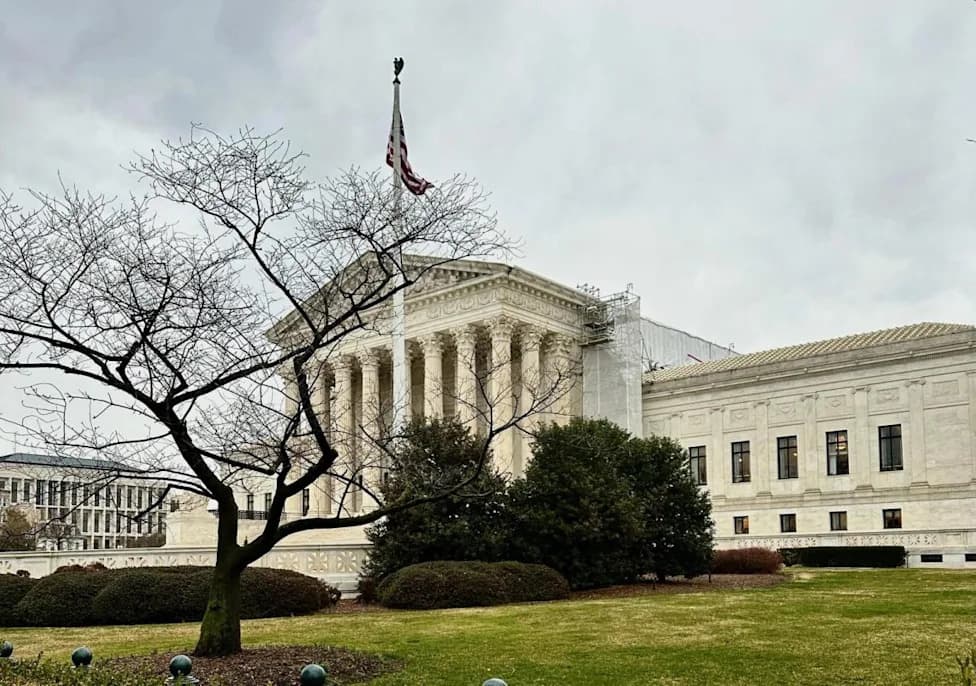
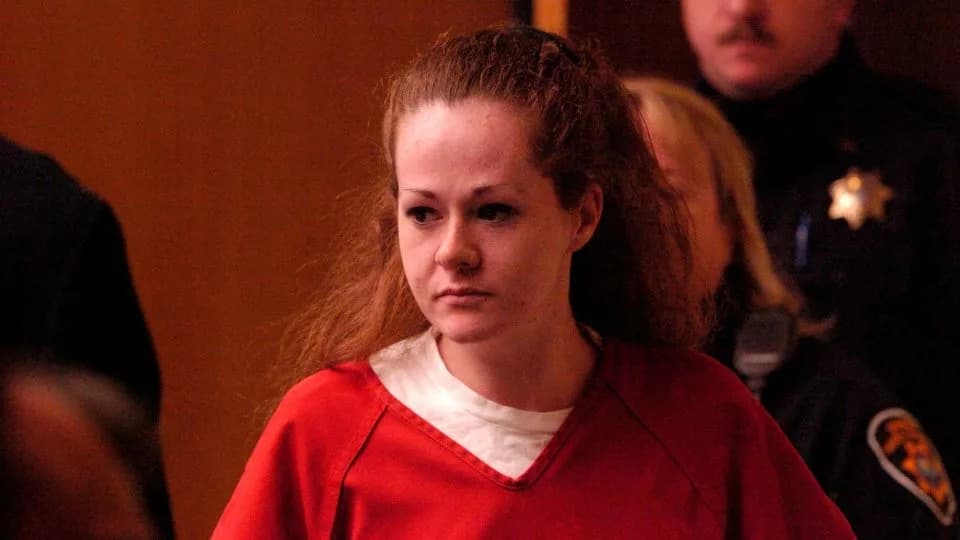
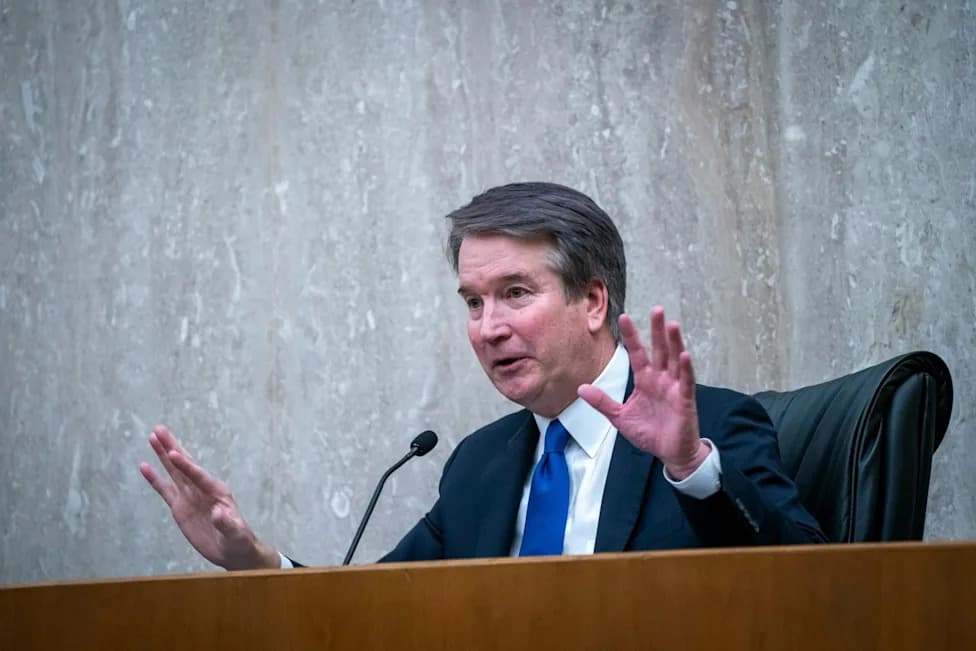
Justice Brett Kavanaugh authored a 5-4 Supreme Court opinion reversing an appeals court and siding with Mississippi death-row inmate Terry Pitchford, who alleged that Black jurors were improperly excluded under Batson. The majority — Kavanaugh, Chief Justice Roberts, and the Court’s three Democratic appointees — found the Mississippi Supreme Court unreasonably applied Batson and wrongly concluded Pitchford waived his chance to rebut race-neutral explanations for strikes. The case was complicated by AEDPA’s deferential federal standard, and the dissent warned the decision’s precedential impact is limited.
Why Kavanaugh Joined a 5-4 Win for Death-Row Inmate Terry Pitchford — And Why It’s Not Surprising
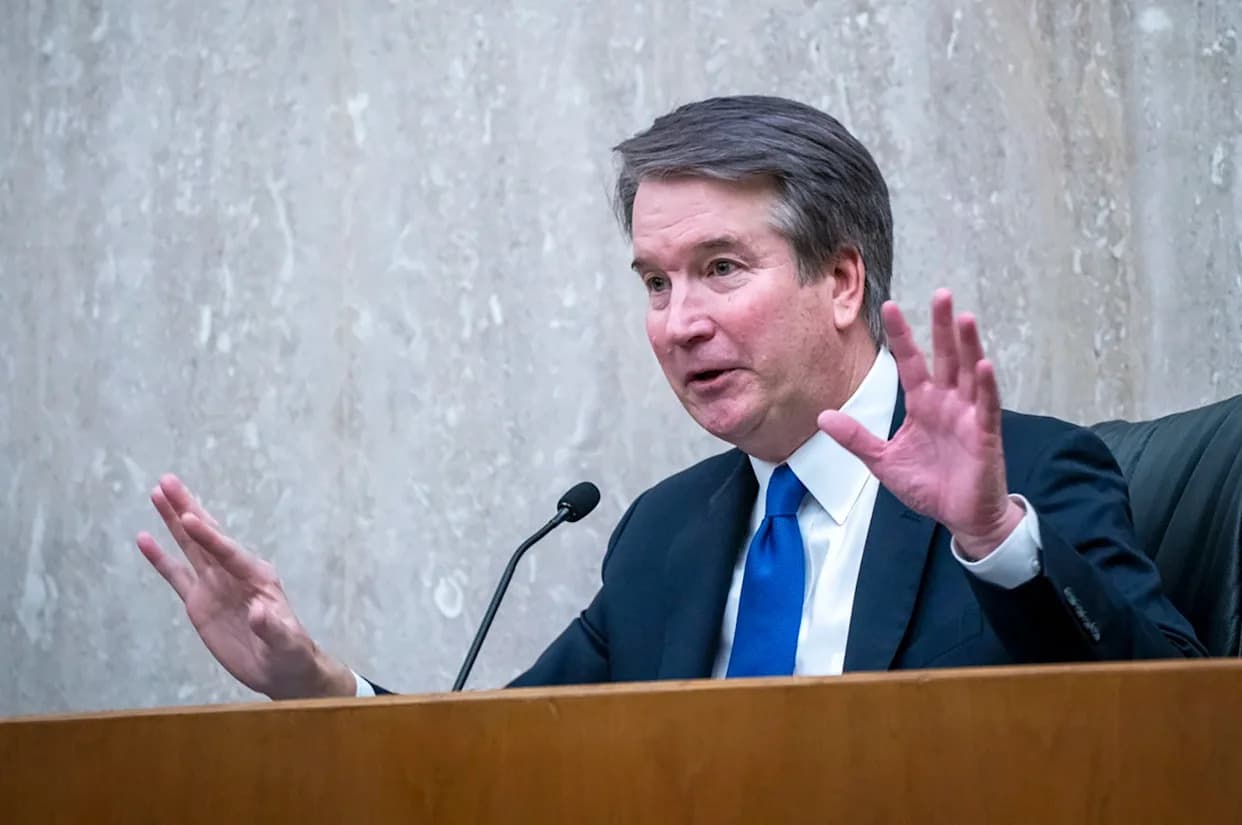
Supreme Court Justice Brett Kavanaugh a gives a lecture at the U.S. Courthouse in Washington on March 9, 2026.(Maxine Wallace / The Washington Post via Getty Images)
When Terry Pitchford’s appeal reached the Supreme Court this spring, many observers saw the outline of how Justice Brett Kavanaugh might shape the outcome. On Thursday, Kavanaugh wrote the opinion that produced a narrow 5-4 majority siding with Pitchford, a Mississippi death-row inmate who argued that prosecutors impermissibly excluded Black jurors from the panel that sentenced him to death. Chief Justice John Roberts joined Kavanaugh and the Court’s three Democratic appointees.
Why Kavanaugh’s Vote Made Sense
Kavanaugh’s position was predictable for several reasons. He has long shown interest in the jury-rights issues at stake and authored the Court’s 2019 decision in Flowers v. Mississippi, a high-profile ruling finding racial bias in jury selection. The same Mississippi prosecutor, Doug Evans, handled both Flowers and Pitchford prosecutions, which gave the justices context on the patterns at issue.
The Complication: AEDPA
Pitchford’s case differed procedurally from Flowers because it reached the Court through the federal habeas framework under the Antiterrorism and Effective Death Penalty Act (AEDPA). AEDPA requires federal courts to defer to reasonable state-court decisions, and the Court’s GOP-appointed majority has often read AEDPA narrowly to limit federal relief for state convictions. That made the legal question here not only whether Pitchford’s rights were violated, but whether the Mississippi Supreme Court unreasonably concluded Pitchford waived his right to rebut the prosecutor’s race-neutral explanations for striking prospective Black jurors.
Lower-Court History
A federal district judge, Michael Mills (a George W. Bush appointee), concluded the state courts unreasonably rejected Pitchford’s claim. A Republican-appointed federal appeals panel reversed, ruling that even if Mills was correct on the facts (including that Pitchford’s attorney had properly objected), AEDPA’s deferential standard foreclosed relief. The Supreme Court reversed that panel and sided with Pitchford.
Kavanaugh: "But deference does not mean abdication."
In his opinion, Kavanaugh wrote that in light of the whole record the Mississippi Supreme Court unreasonably applied clearly established Batson precedents and unreasonably found that Pitchford waived his opportunity to rebut the prosecutor’s asserted race-neutral reasons for peremptory strikes.
Dissent And The Case’s Limited Reach
Justice Neil Gorsuch authored the dissent, joined by Justices Clarence Thomas, Samuel Alito and Amy Coney Barrett. Gorsuch argued the decision’s broader impact is limited because the majority did not address many of the Court’s AEDPA precedents. In short, the ruling helps Pitchford without signaling a broader change in how AEDPA is applied.
Facts, Framing, And The Court’s Calculus
As is often true in capital cases, the majority and dissent framed the factual record differently to support their legal conclusions. Gorsuch opened with a blunt description of the crime and the state-court findings that Pitchford killed the store owner. Kavanaugh’s version emphasized context—Pitchford’s youth, the role of a teenage accomplice who fired the fatal shots, disputes over whether Pitchford fired at the victim, and the county’s demographics—details that helped explain the Batson challenge.
Chief Justice Roberts provided the decisive fifth vote. Roberts has in recent years sometimes joined the Court’s liberal justices in capital cases, and the limited precedential reach of this opinion may have helped assemble this narrow coalition. The opinion is unusually concise for such a consequential case—just over eight pages—suggesting the majority sought to vindicate precedent without opening broader doctrinal change.
Why This Matters
The decision illustrates how precedent (like Batson), procedural rules (AEDPA), judicial philosophies, and the way judges tell the facts combine to determine outcomes on today’s Court. Although the ruling provides important relief for Pitchford, its narrow grounding means its effect on future AEDPA habeas challenges may be limited.
Help us improve.