
SpaceX announced plans for a private, crewed Mars flyby and named cryptocurrency entrepreneur Chun Wang to lead both a planned lunar flyby and the two-year Mars mission. The company revealed the plans on May 21, alongside the debut of a next-generation Starship prototype at its Starbase facility. Starship — a 407-foot vehicle that has not yet reached orbit in 12 test flights — would perform both missions, with the lunar pass planned at roughly 125 miles from the surface. SpaceX is also adapting Starship as a potential lunar lander for NASA’s Artemis program, with possible testing in 2027 and a landing by 2028.
SpaceX Names Crypto Billionaire Chun Wang To Lead Private Mars Flyby
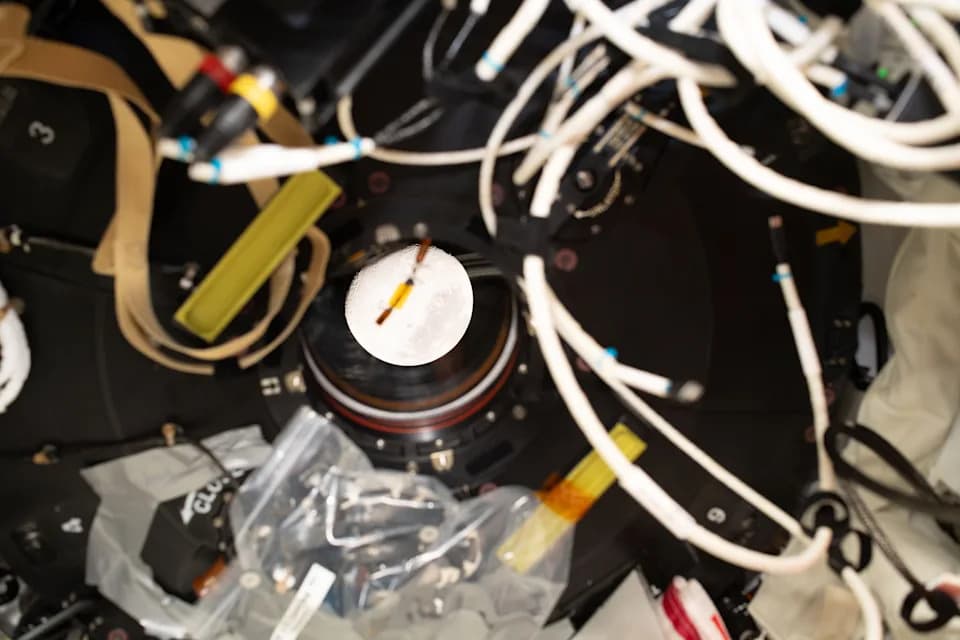
NASA released thousands of new photos taken during the Artemis II mission around the moon. The astronauts selected for the mission thoroughly documented the 10-day voyage, which included an April 6 lunar flyby as they traveled more than a quarter-million miles from Earth.(Provided by NASA)
Don’t assume Elon Musk has abandoned his longtime goal of sending humans beyond Earth. Although SpaceX said in February it would focus first on building a lunar city, the company has reaffirmed plans for an ambitious crewed mission that would send private astronauts around Mars.
What SpaceX Announced
On May 21, SpaceX posted plans for a two-year, private crewed flyby of Mars and said the mission would be led by cryptocurrency entrepreneur Chun Wang. The announcement appeared a day before a next-generation prototype of SpaceX’s Starship made a high-profile appearance at the company’s Starbase complex in South Texas.
The Planned Missions
SpaceX proposes to use its 407-foot Starship vehicle to carry a private crew on a lunar flyby followed by a longer Mars flyby. The lunar outing would pass within roughly 125 miles of the Moon’s surface — far closer than NASA’s Artemis II crew, which did not approach closer than about 4,067 miles. The Mars mission is described as a roughly two-year round trip that would send humans around Mars without landing; SpaceX calls it what would be the first human interplanetary spaceflight.
Who Is Chun Wang?
SpaceX named Chun Wang to lead both the lunar and Mars flybys. Wang, a Malta-based entrepreneur who started in China and built his fortune operating Bitcoin mining pools, previously financed and led Fram2 — a private mission from April 1–4, 2025 that used a SpaceX Falcon 9 and Dragon capsule to become the first crewed orbital flight to pass over both Earth’s North and South poles.
"Mars will no longer become a distant place, it will become a reality," Wang said in a video interview with SpaceX communications manager Dan Huot. "It will light the fire, it will ignite the imagination and it will build momentum."
Starship Status And Technical Goals
Starship has flown 12 test missions since 2023 but has not yet achieved orbital flight. SpaceX says its new design, Version 3 (V3), is the configuration it expects to place into orbit and to demonstrate in-space refueling — a capability the company views as essential for missions beyond the Moon.
Partnership With NASA
Separately, SpaceX is under contract with NASA to adapt Starship’s upper stage into a lunar lander for Artemis missions. NASA has suggested testing a Starship-derived lander in Earth orbit during Artemis III, currently scheduled for 2027, with a potential lunar landing during Artemis IV targeted for 2028.
Timing And Outlook
SpaceX has not provided firm launch dates for the private lunar or Mars flybys. The company's public shift toward a "self-growing" lunar city indicates a near-term focus on the Moon while continuing to develop Starship for eventual Mars missions. Much depends on Starship achieving reliable orbital performance and demonstrating in-orbit refueling.
Editor’s note: This article consolidates SpaceX’s May announcement, the background of the named mission leader, and the current technical and programmatic context. Details such as launch dates and final mission profiles remain subject to change.
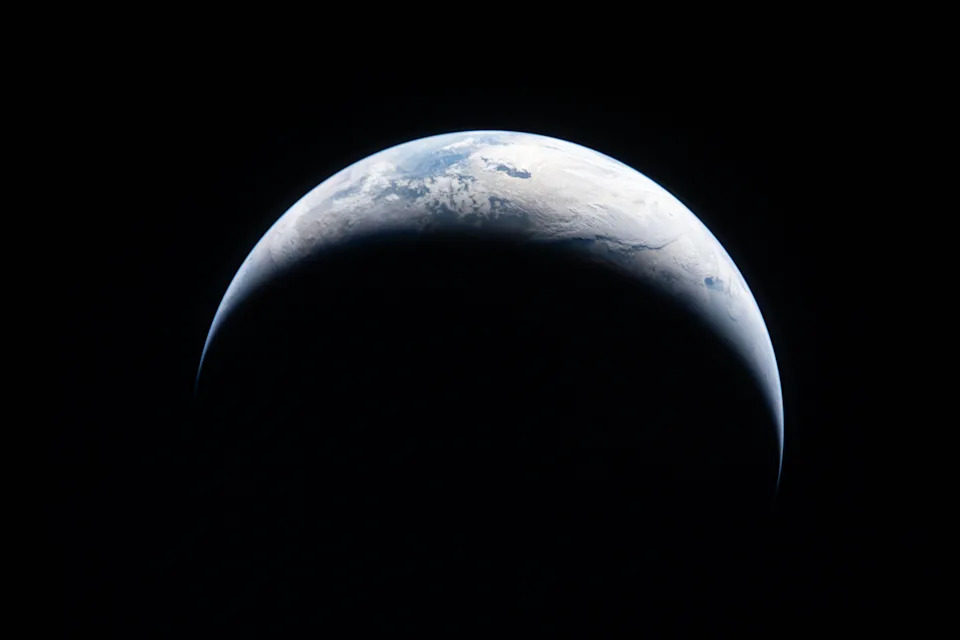
NASA released thousands of new photos taken during the Artemis II mission around the moon. The astronauts selected for the mission thoroughly documented the 10-day voyage, which included an April 6 lunar flyby as they traveled more than a quarter-million miles from Earth.(Provided by NASA)
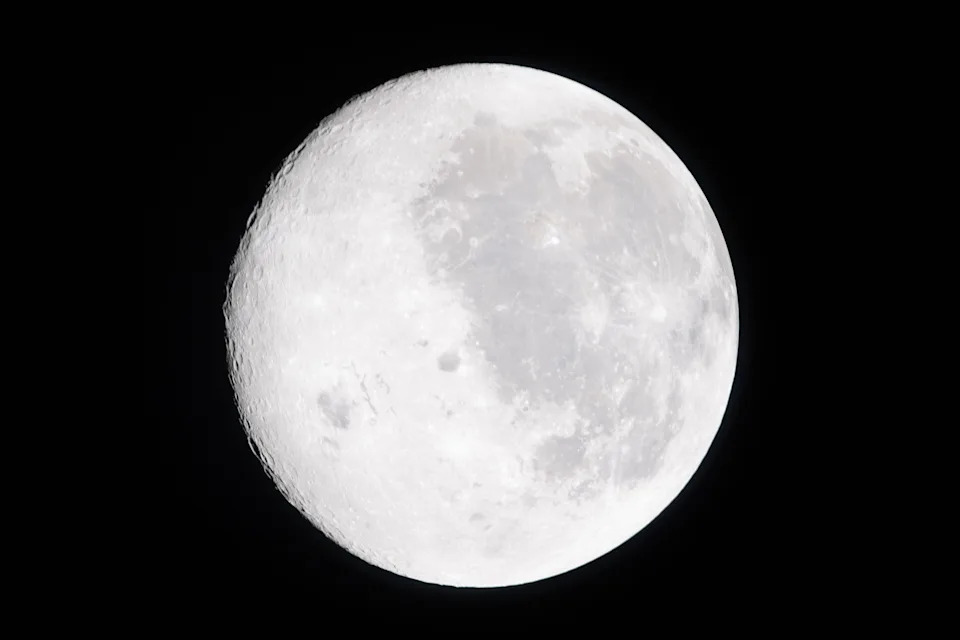
NASA released thousands of new photos taken during the Artemis II mission around the moon. The astronauts selected for the mission thoroughly documented the 10-day voyage, which included an April 6 lunar flyby as they traveled more than a quarter-million miles from Earth.(Provided by NASA)
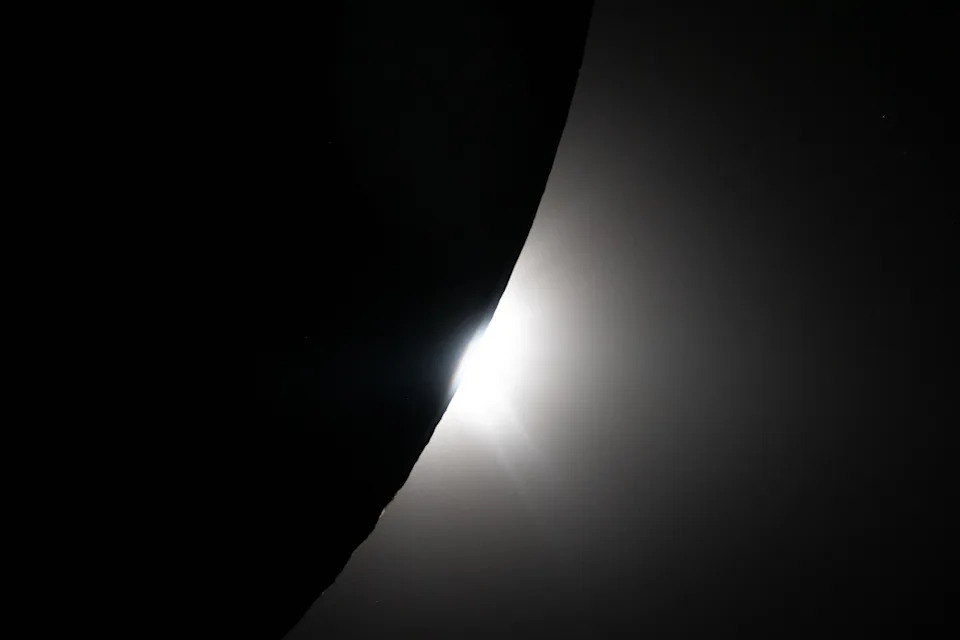
NASA released thousands of new photos taken during the Artemis II mission around the moon. The astronauts selected for the mission thoroughly documented the 10-day voyage, which included an April 6 lunar flyby as they traveled more than a quarter-million miles from Earth.(Provided by NASA)
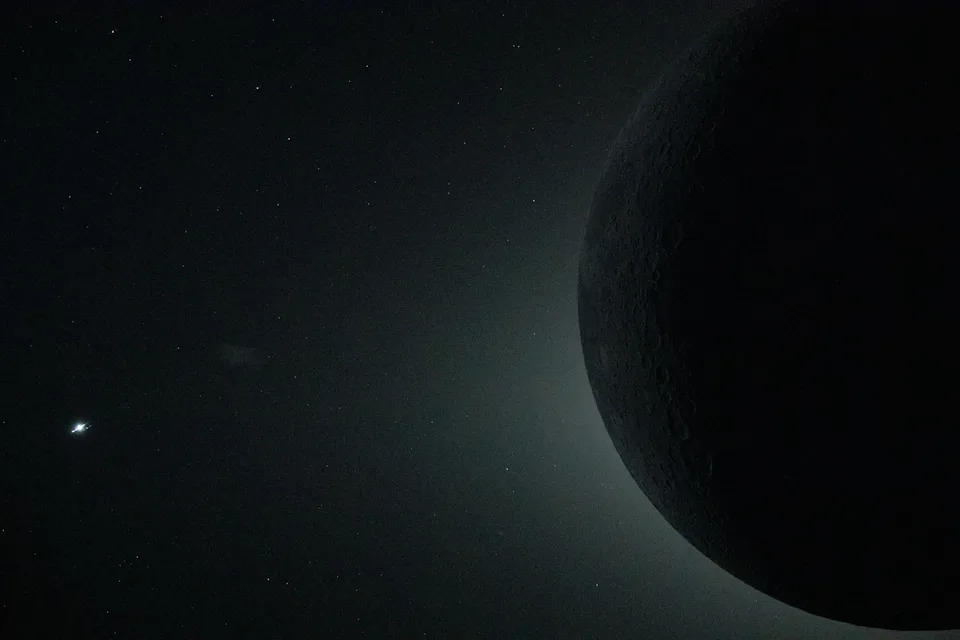
NASA released thousands of new photos taken during the Artemis II mission around the moon. The astronauts selected for the mission thoroughly documented the 10-day voyage, which included an April 6 lunar flyby as they traveled more than a quarter-million miles from Earth.(Provided by NASA)
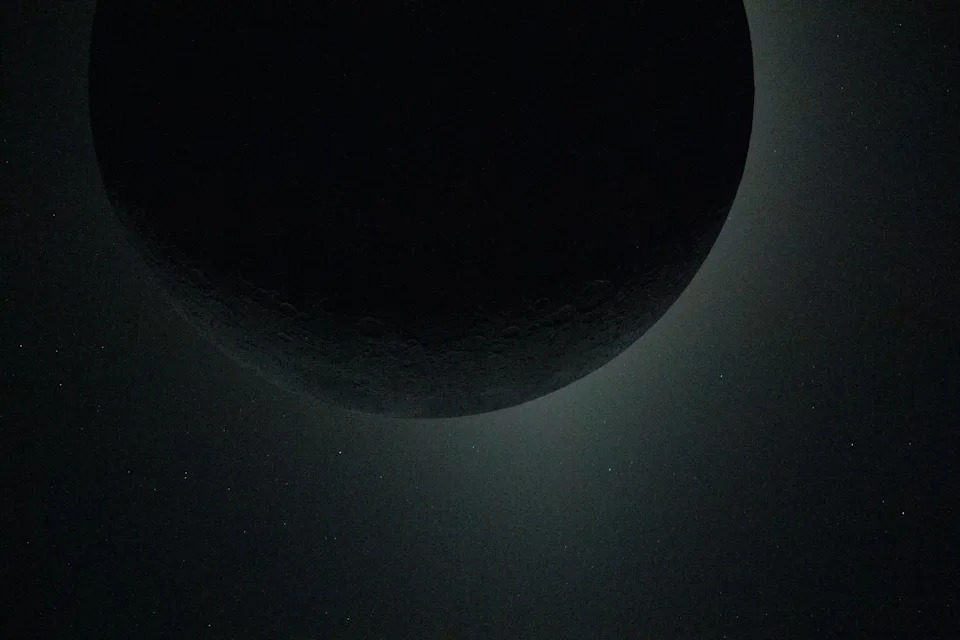
NASA released thousands of new photos taken during the Artemis II mission around the moon. The astronauts selected for the mission thoroughly documented the 10-day voyage, which included an April 6 lunar flyby as they traveled more than a quarter-million miles from Earth.(Provided by NASA)
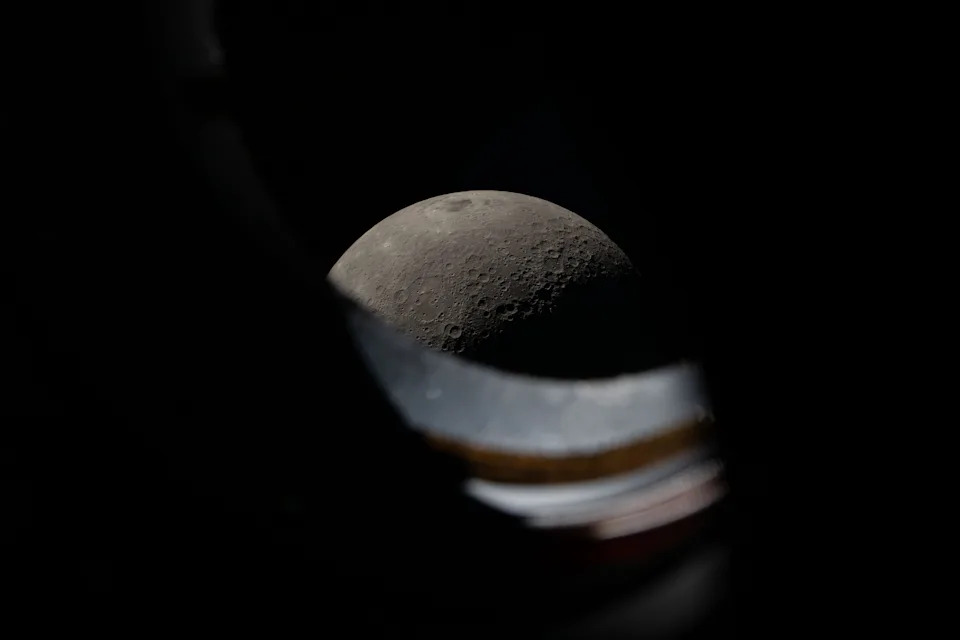
NASA released thousands of new photos taken during the Artemis II mission around the moon. The astronauts selected for the mission thoroughly documented the 10-day voyage, which included an April 6 lunar flyby as they traveled more than a quarter-million miles from Earth.(Provided by NASA)
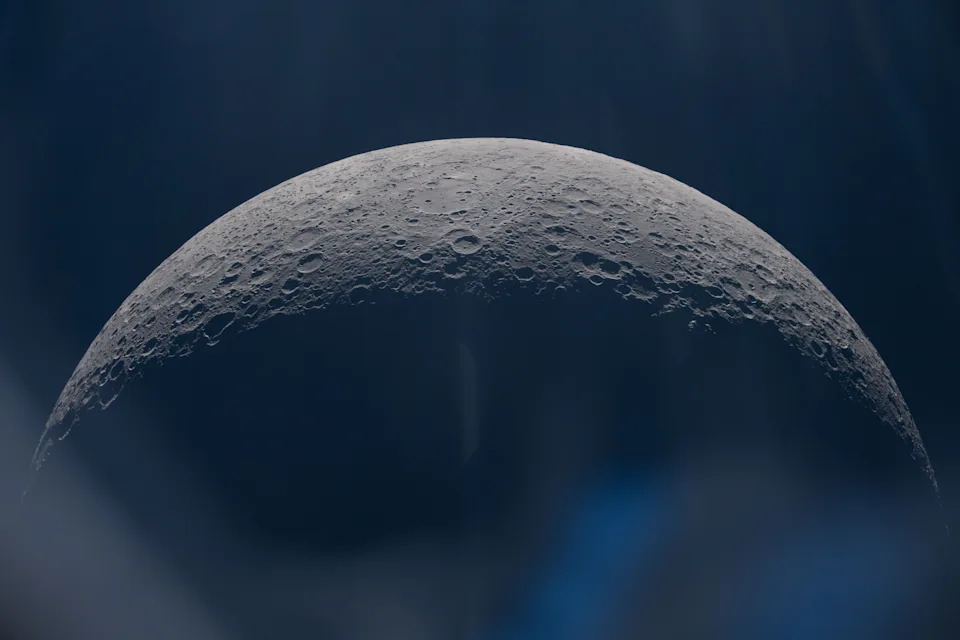
NASA released thousands of new photos taken during the Artemis II mission around the moon. The astronauts selected for the mission thoroughly documented the 10-day voyage, which included an April 6 lunar flyby as they traveled more than a quarter-million miles from Earth.(Provided by NASA)
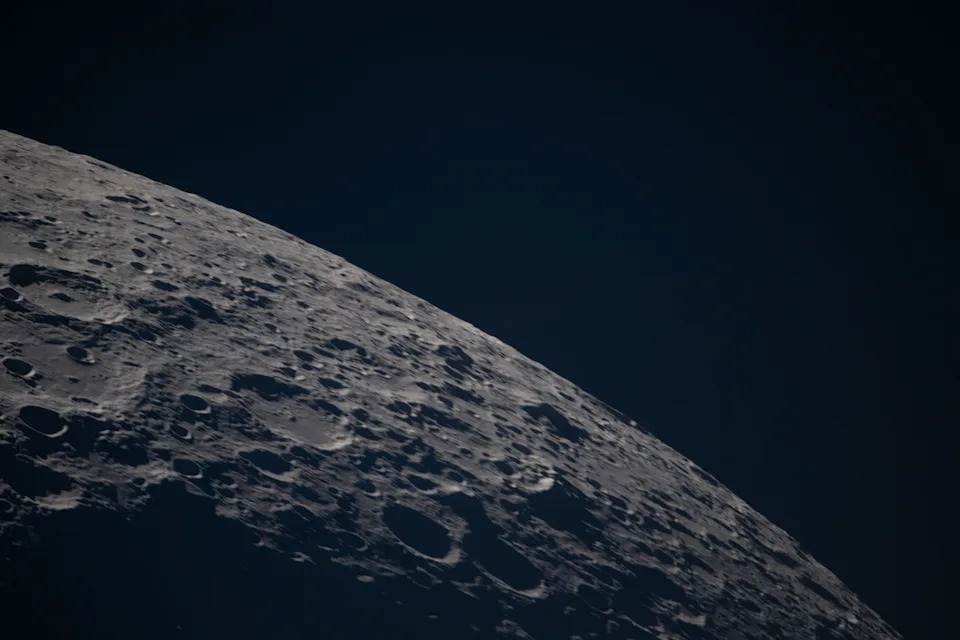
NASA released thousands of new photos taken during the Artemis II mission around the moon. The astronauts selected for the mission thoroughly documented the 10-day voyage, which included an April 6 lunar flyby as they traveled more than a quarter-million miles from Earth.(Provided by NASA)
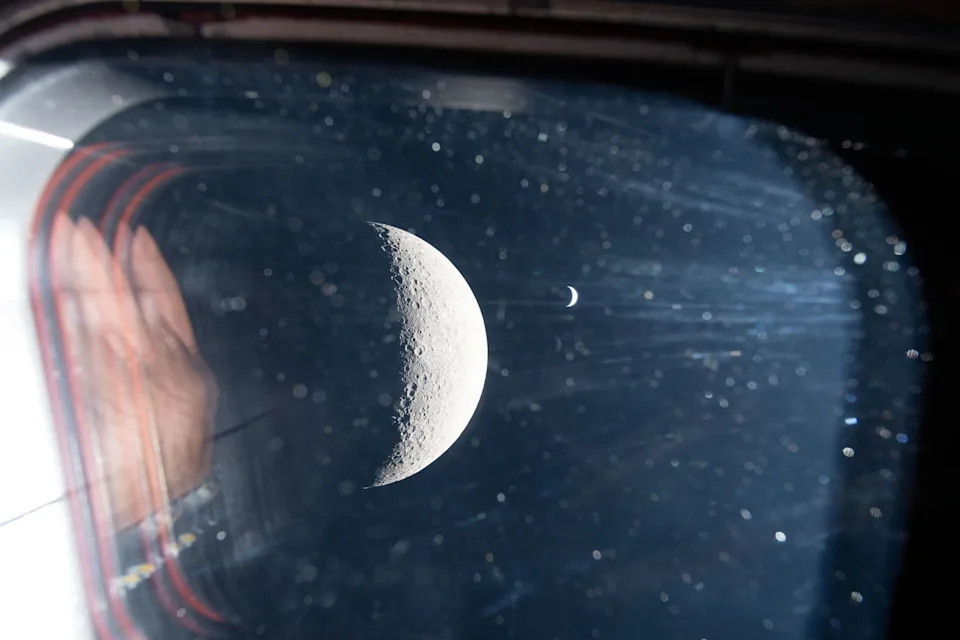
NASA released thousands of new photos taken during the Artemis II mission around the moon. The astronauts selected for the mission thoroughly documented the 10-day voyage, which included an April 6 lunar flyby as they traveled more than a quarter-million miles from Earth.(Provided by NASA)
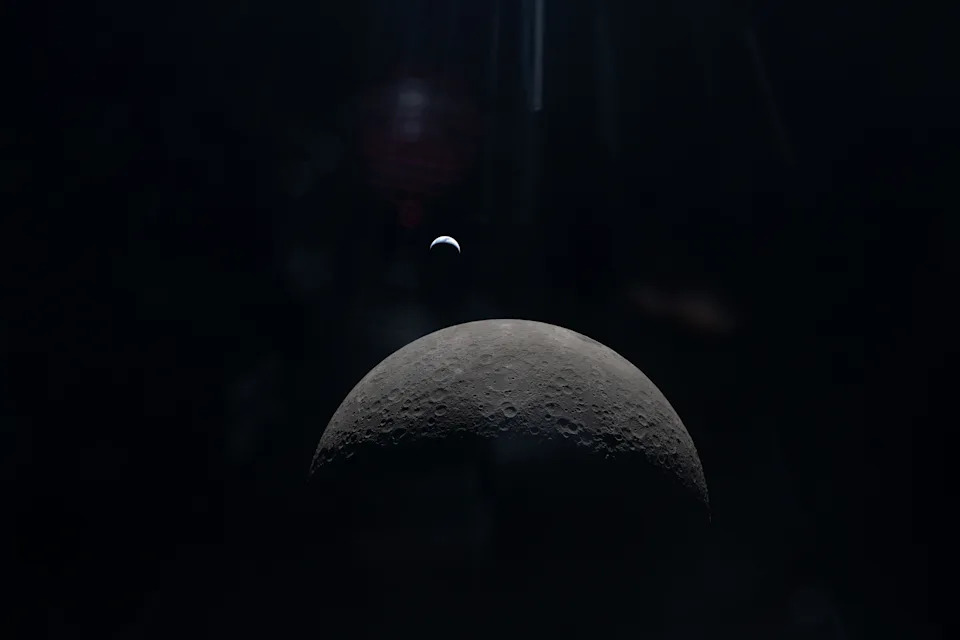
NASA released thousands of new photos taken during the Artemis II mission around the moon. The astronauts selected for the mission thoroughly documented the 10-day voyage, which included an April 6 lunar flyby as they traveled more than a quarter-million miles from Earth.(Provided by NASA)

NASA released thousands of new photos taken during the Artemis II mission around the moon. The astronauts selected for the mission thoroughly documented the 10-day voyage, which included an April 6 lunar flyby as they traveled more than a quarter-million miles from Earth.(Provided by NASA)
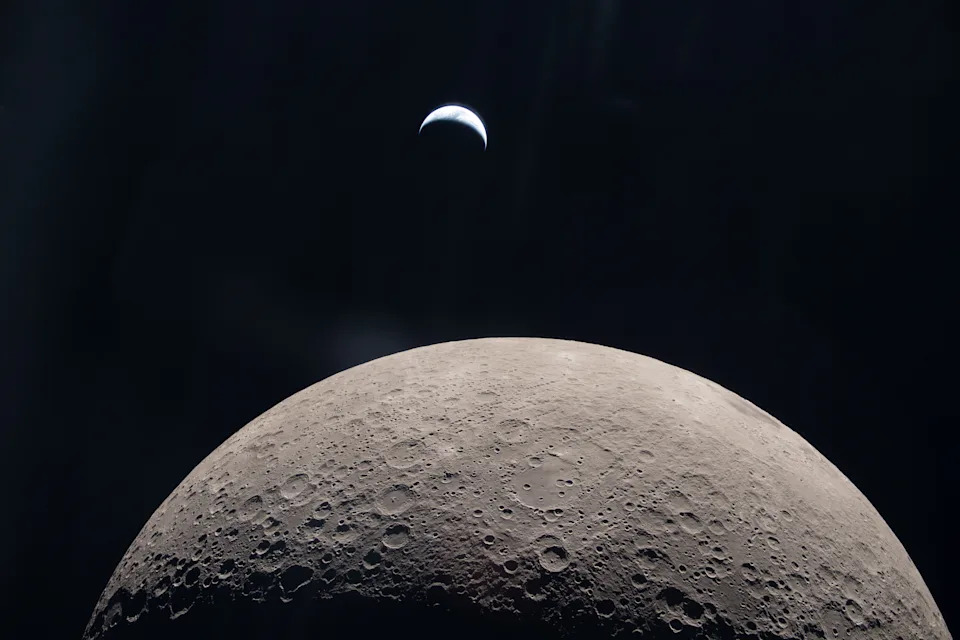
NASA released thousands of new photos taken during the Artemis II mission around the moon. The astronauts selected for the mission thoroughly documented the 10-day voyage, which included an April 6 lunar flyby as they traveled more than a quarter-million miles from Earth.(Provided by NASA)

NASA released thousands of new photos taken during the Artemis II mission around the moon. The astronauts selected for the mission thoroughly documented the 10-day voyage, which included an April 6 lunar flyby as they traveled more than a quarter-million miles from Earth.(Provided by NASA)

NASA released thousands of new photos taken during the Artemis II mission around the moon. The astronauts selected for the mission thoroughly documented the 10-day voyage, which included an April 6 lunar flyby as they traveled more than a quarter-million miles from Earth.(Provided by NASA)

Chun Wang, a cryptocurrency businessman, is financing the mission and serving as mission commander.
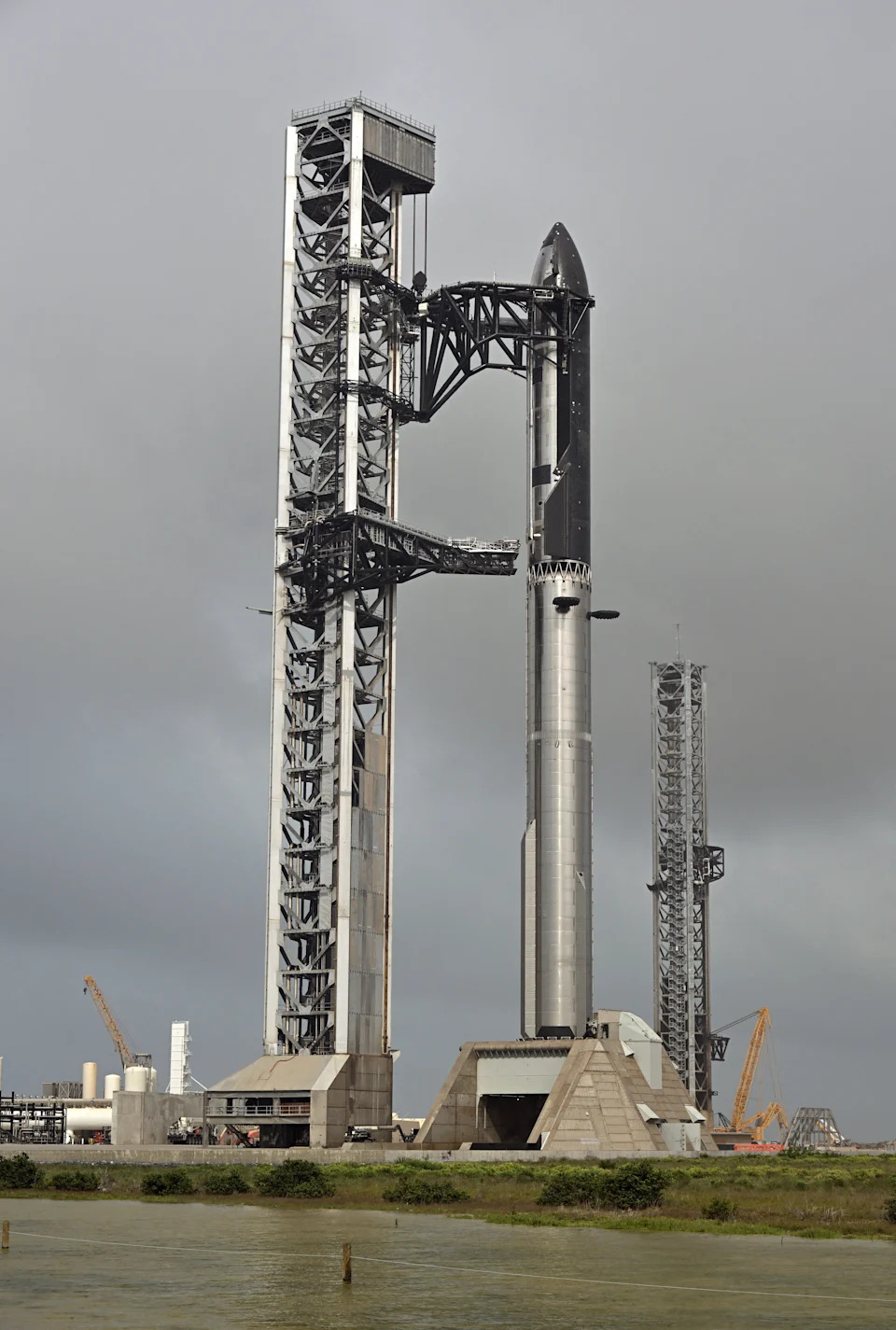
The SpaceX Starship spacecraft sits atop the Super Heavy Booster Tuesday, May 19 at launch pad 2 as preparations continue for the 12th test flight of the Starship rocket in Starbase, Texas.(Steve Nesius/Reuters)
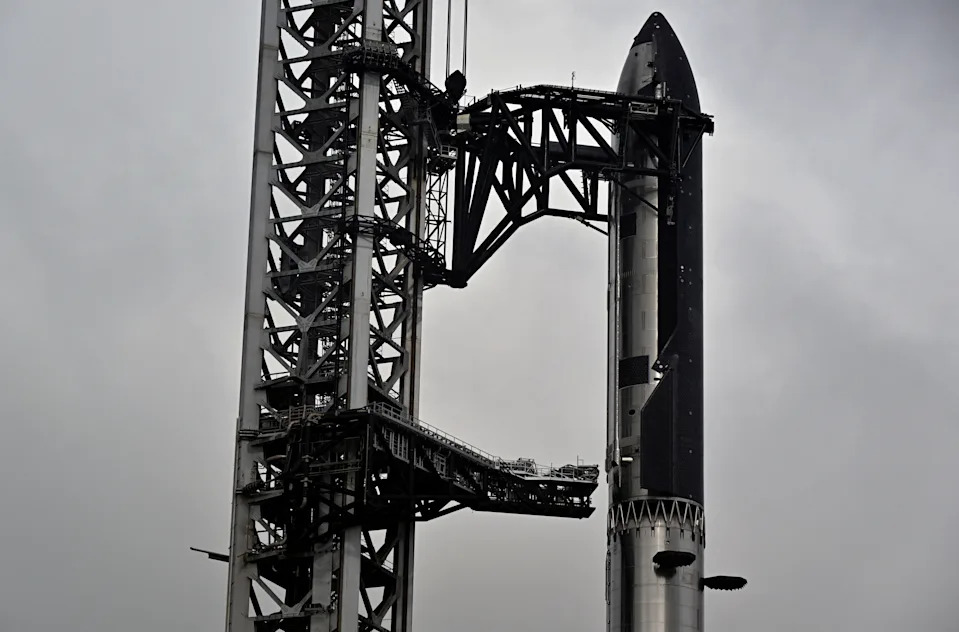
The SpaceX Starship spacecraft sits atop the Super Heavy Booster Tuesday, May 19 at launch pad 2 as preparations continue for the 12th test flight of the Starship rocket in Starbase, Texas.(Steve Nesius/Reuters)
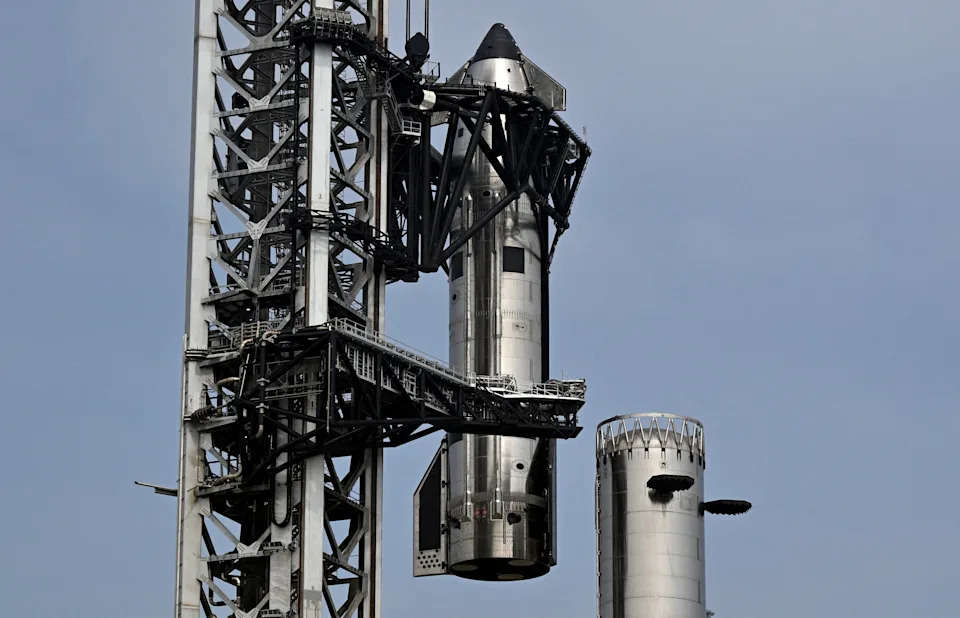
The SpaceX Starship spacecraft is lifted at launch pad 2 for a full stack on top of the Super Heavy Booster as preparations continue Tuesday, May 19 for 12th test flight of the Starship spacecraft in Starbase, Texas.(Steve Nesius/Reuters)
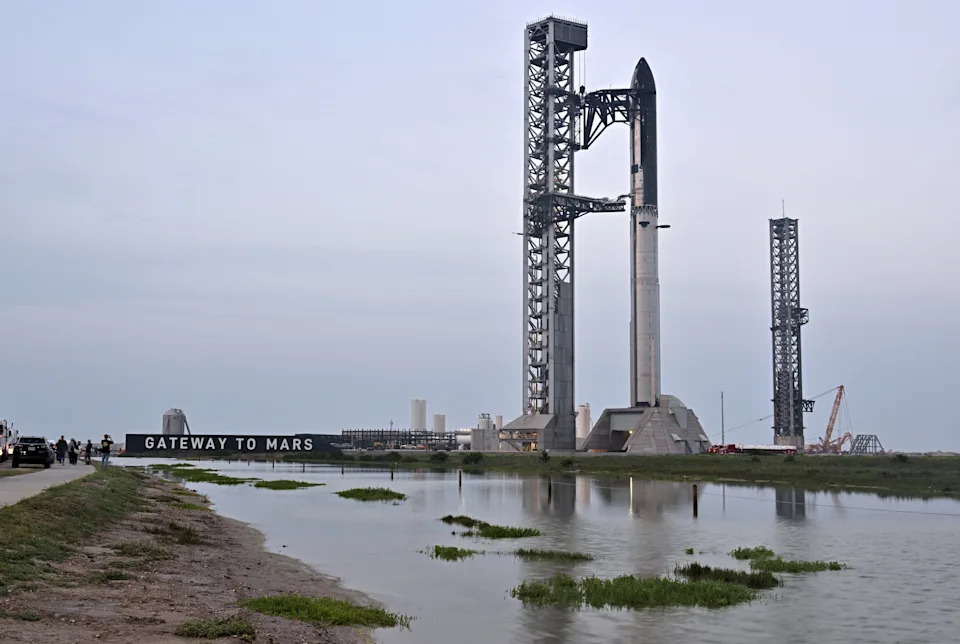
The SpaceX Starship spacecraft sits atop the Super Heavy Booster on May 20 as preparations continue for the 12th test flight from Starbase, Texas.(Steve Nesius/Reuters)
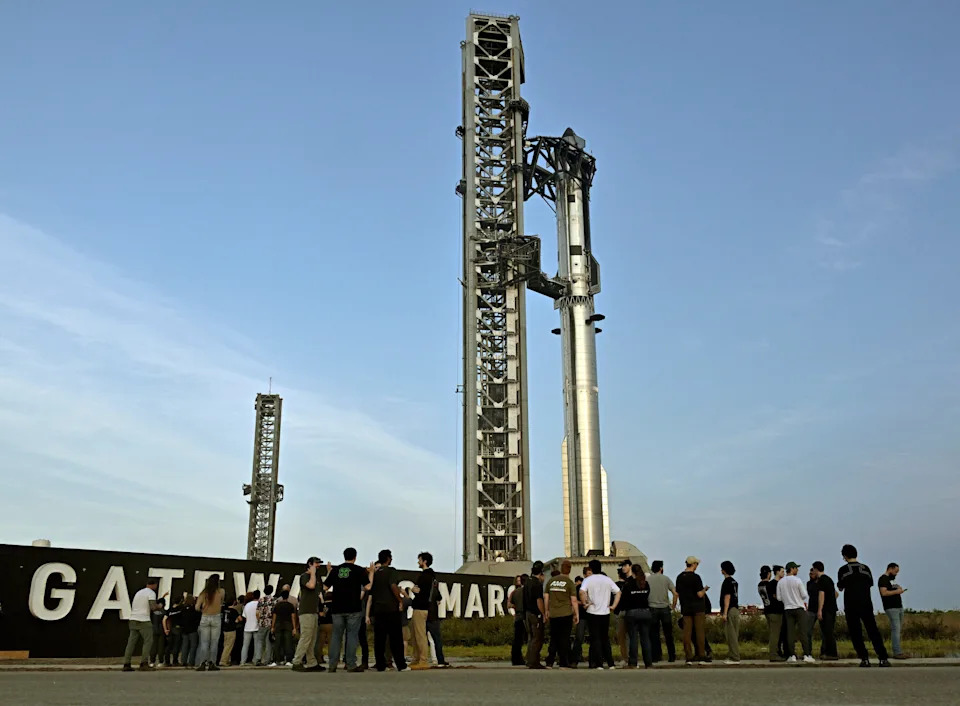
A crowd gathers May 20 near launch pad 2 to look at Starship stacked at SpaceX's Starbase headquarters in South Texas ahead of flight 12.(Steve Nesius/Reuters)
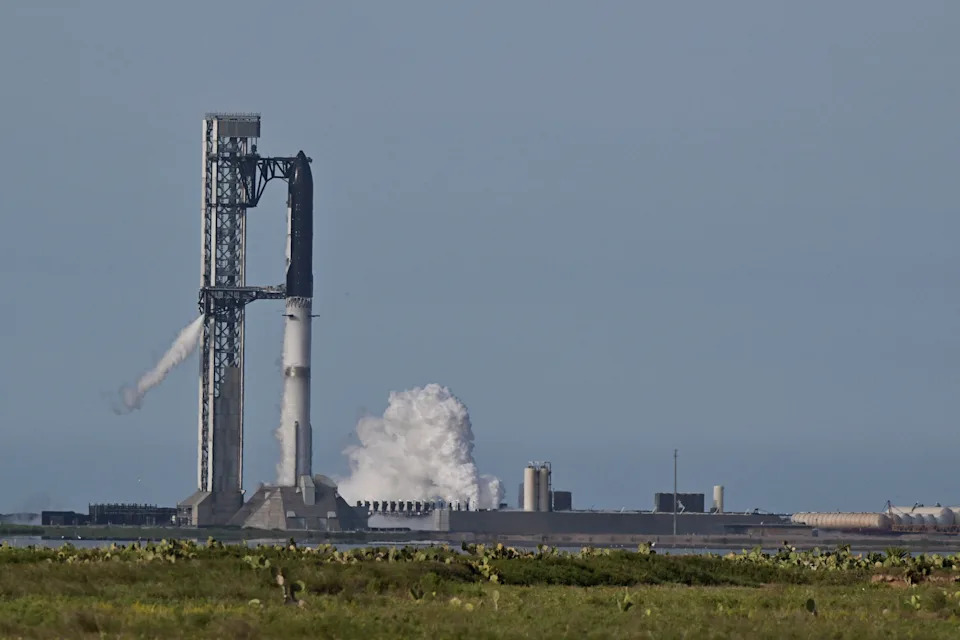
The SpaceX Starship spacecraft sits atop the Super Heavy booster May 21 before SpaceX scrubbed a planned flight test at the last minute.(Steve Nesius/Reuters)
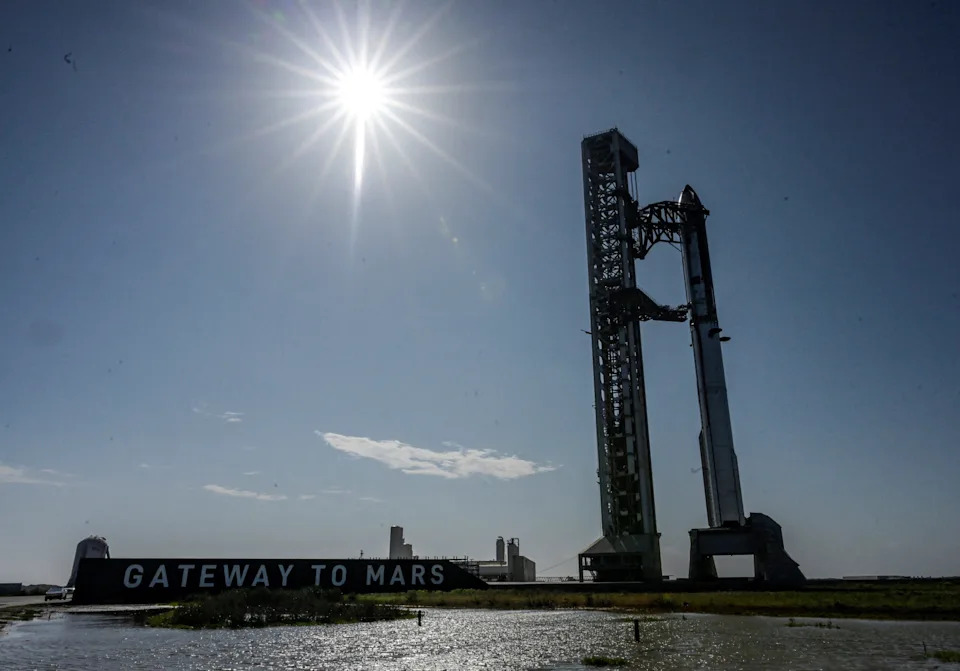
The SpaceX Starship sits atop the Super Heavy Booster May 22 as preparations continue for another attempt to launch the 12th test flight of the spacecraft at the company’s launch complex in Starbase, Texas.(Steve Nesius/Reuters)
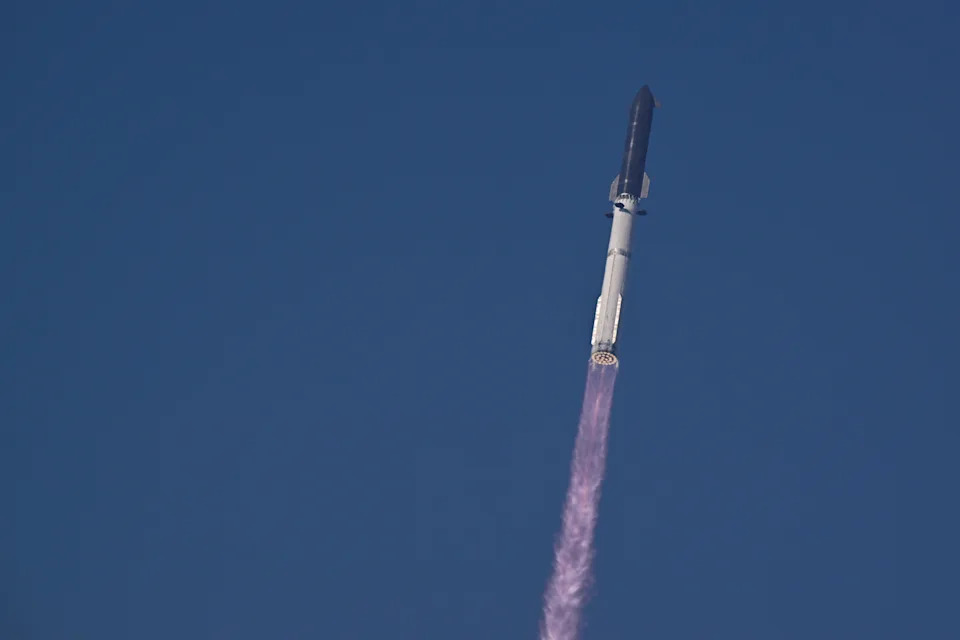
A SpaceX Super Heavy booster carrying the Starship spacecraft thunders into the sky.(Steve Nesius/Reuters)
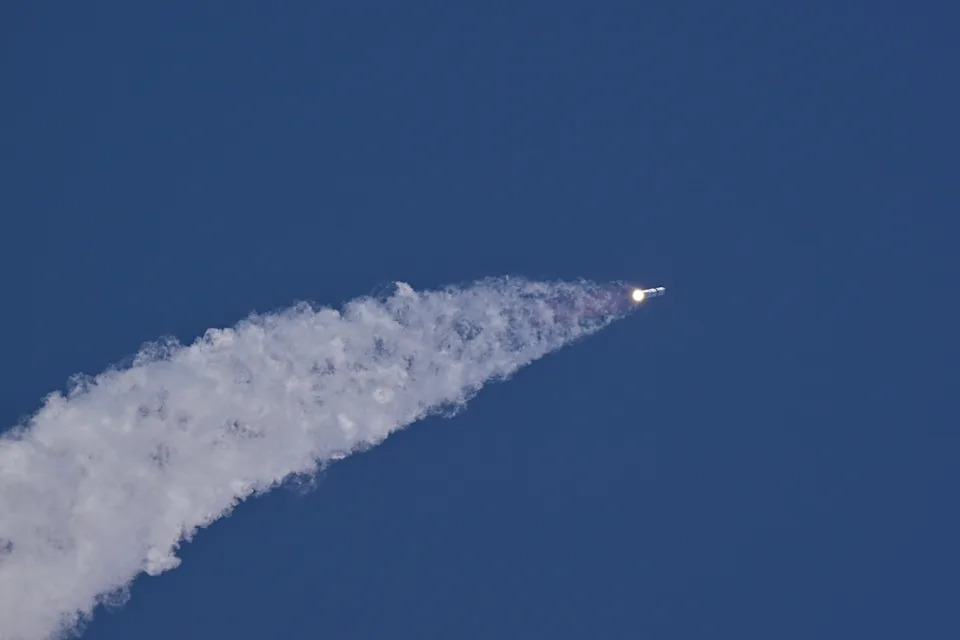
A SpaceX Super Heavy booster carrying the Starship spacecraft thunders into the sky.(Steve Nesius/Reuters)
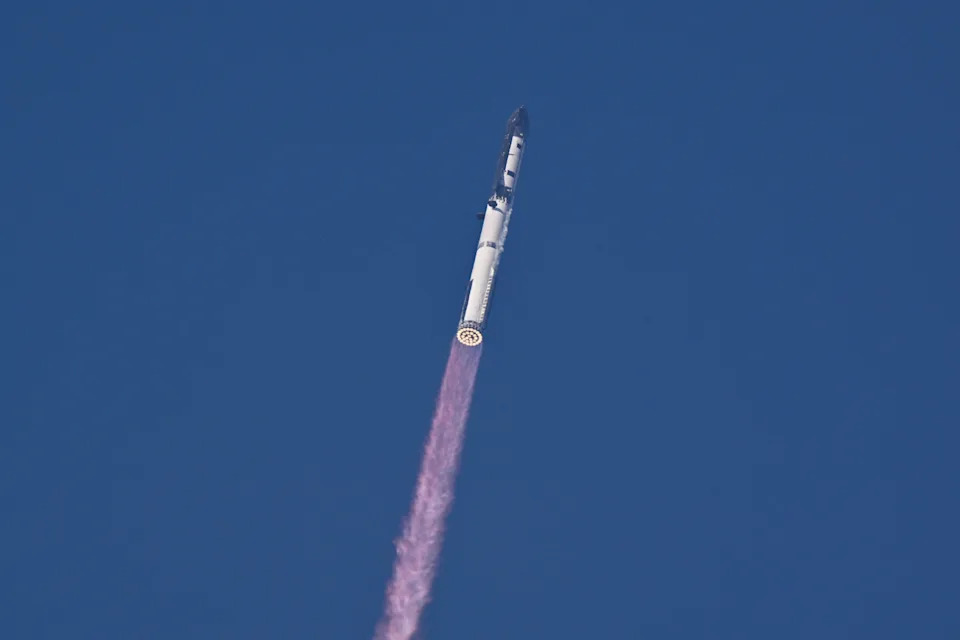
A SpaceX Super Heavy booster carrying the Starship spacecraft thunders into the sky.(Steve Nesius/Reuters)
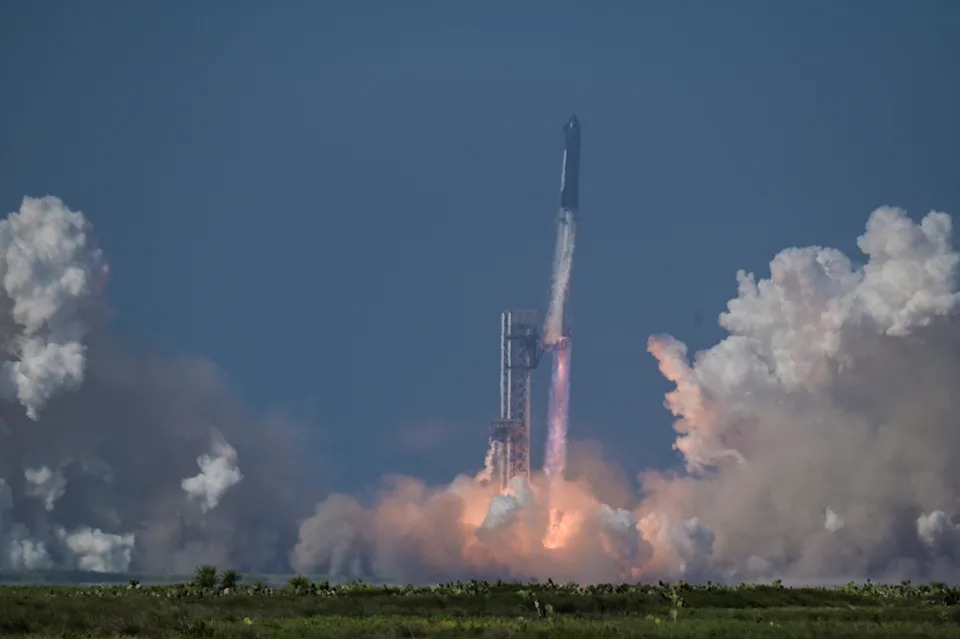
Starship launches May 22 on a mission SpaceX refers to as Flight 12 from its company town and headquarters called Starbase in South Texas. The mission was the debut of a new-generation Starship prototype called Version 3.(Steve Nesius/Reuters)
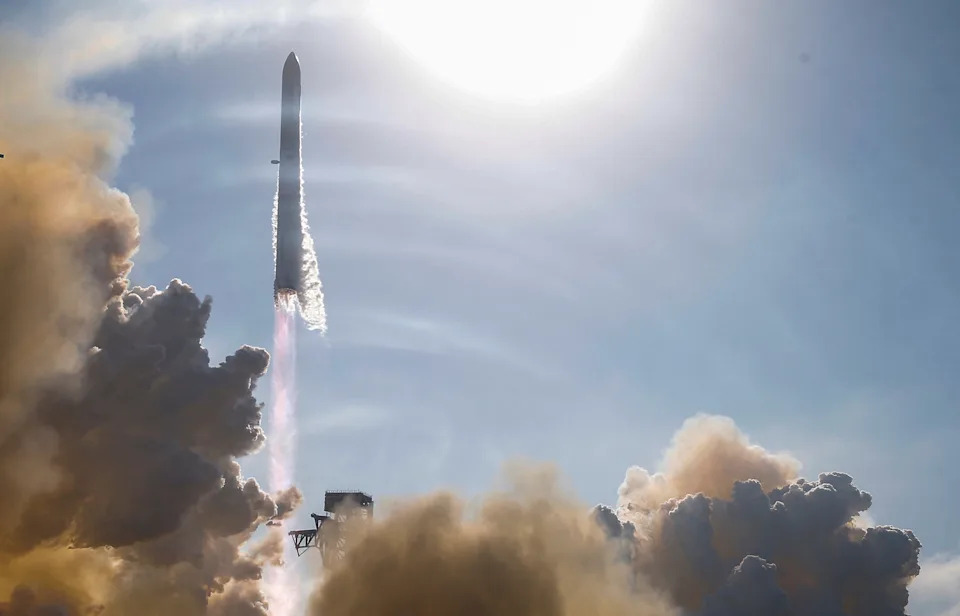
Starship launches May 22 on a mission SpaceX refers to as Flight 12 from its company town and headquarters called Starbase in South Texas. Standing at 407 feet tall, Version 3 is the most powerful and largest iteration of Starship ever launched.(Steve Nesius/Reuters)
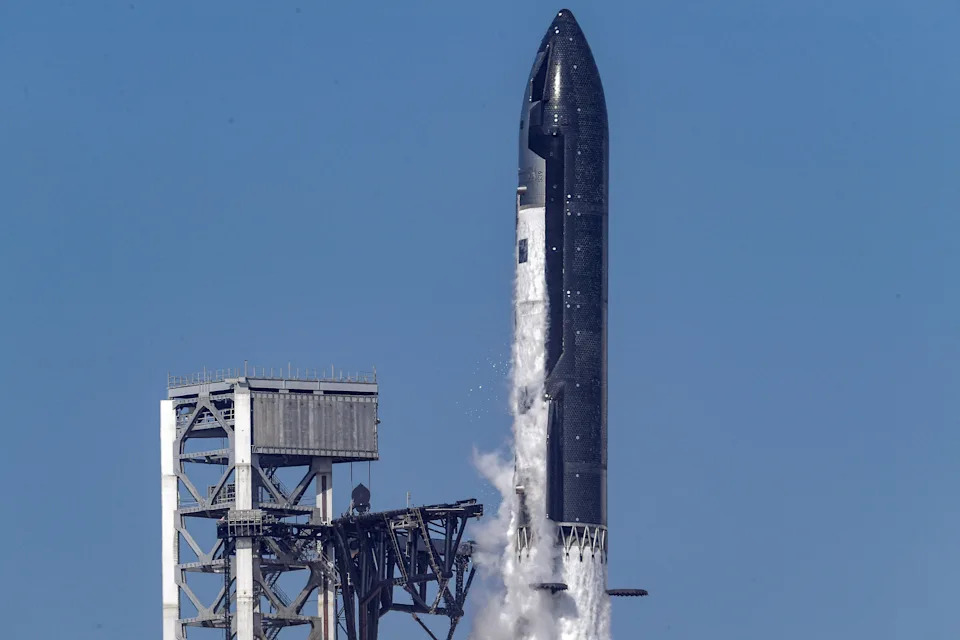
The upper stage of Starship is seen launching May 22 atop the lower stage booster called Super Heavy.(Steve Nesius/Reuters)
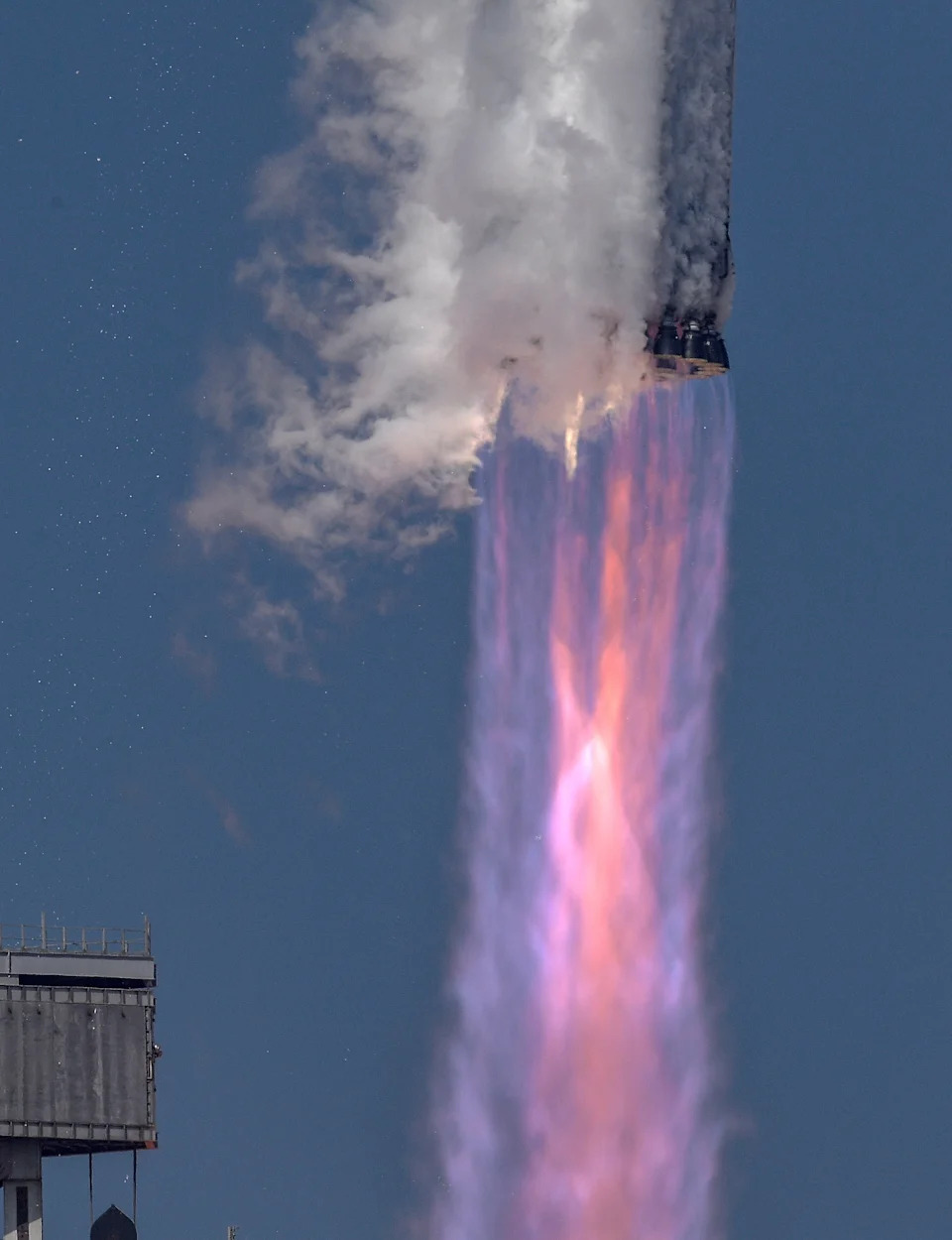
SpaceX launches its Starship megarocket for the 12th time ever on May 22 from Starbase, Texas.(Steve Nesius/Reuters)
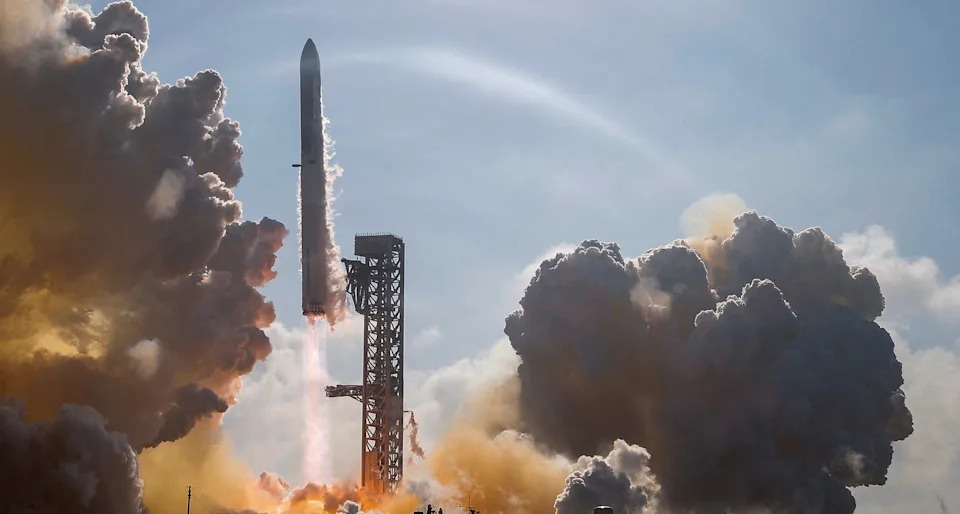
The 407-feet-tall Starship rocket (a new model known as Version 3) lifts off May 22 on a mission SpaceX refers to as flight 12.(Steve Nesius/Reuters)
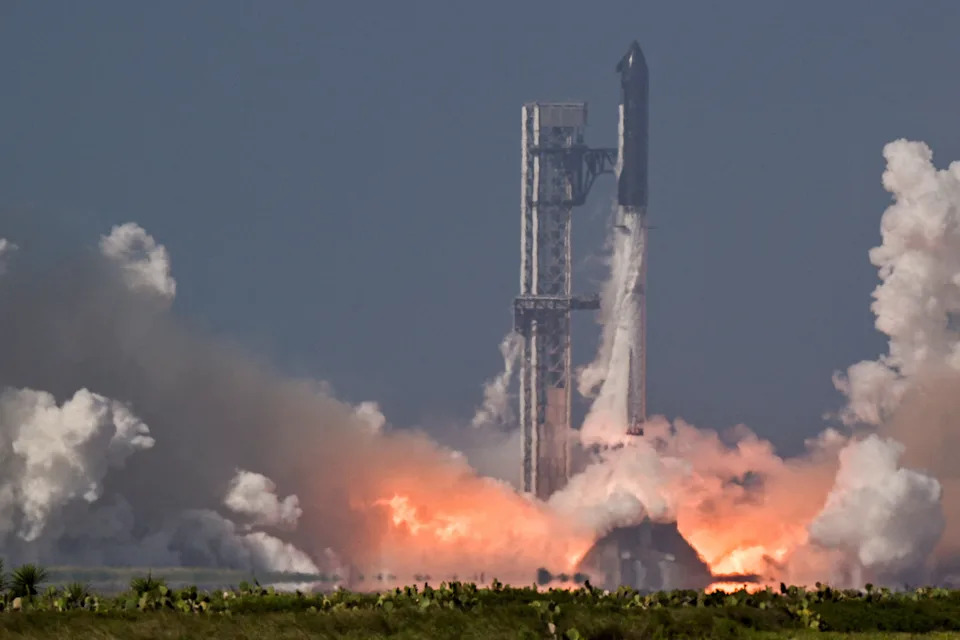
The 407-feet-tall Starship rocket (a new model known as Version 3) lifts off May 22 on a mission SpaceX refers to as flight 12.(Steve Nesius/Reuters)
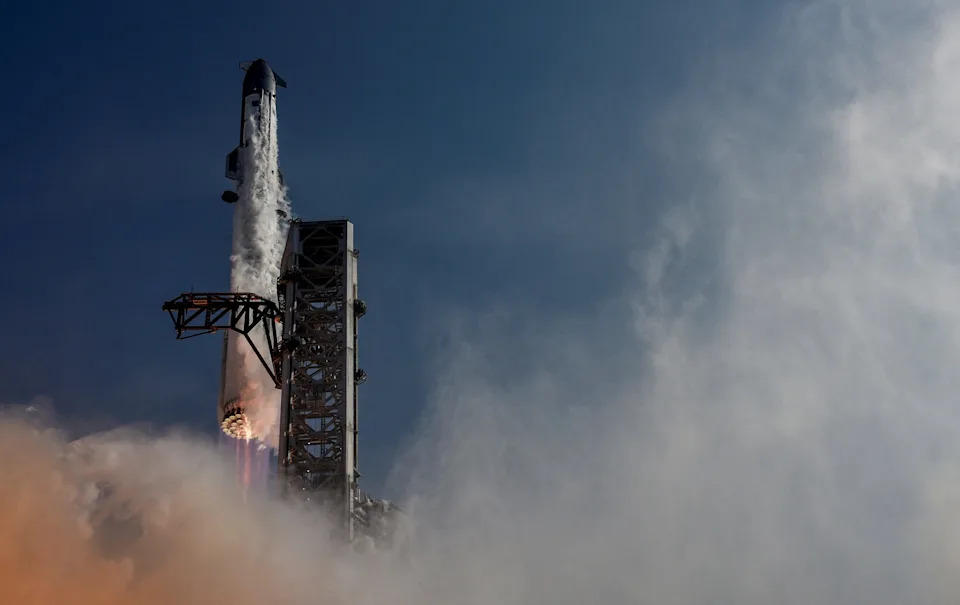
The 407-feet-tall Starship rocket (a new model known as Version 3) lifts off May 22 on a mission SpaceX refers to as flight 12.(Steve Nesius/Reuters)
Help us improve.





















