Ireland plans to ban imports from Israeli settlements in the occupied West Bank by mid‑July, limiting the measure to goods rather than services. The restriction would affect a small number of products — mainly fruit valued at about €200,000 annually — and aims to respond to rising settler violence. Dublin hopes to coordinate the move with several EU partners, while some U.S. lawmakers and business groups warn it could strain relations and complicate corporate operations in Ireland.
Ireland to Ban Imports From Israeli West Bank Settlements by Mid‑July amid Diplomatic Pushback

Helen McEntee, Minister for Foreign Affairs of Ireland, speaks on the day she attends an EU Foreign Affairs Council in Brussels, Belgium December 15, 2025. REUTERS/Omar Havana
Dublin — Ireland intends to pass legislation by mid‑July that would prohibit the import of goods produced in Israeli settlements in the occupied West Bank, Foreign Minister Helen McEntee said on Tuesday. The move has drawn criticism from Israel, some U.S. lawmakers and business groups, and follows months of debate over the scope and practicality of such a ban.
Scope and Expected Impact
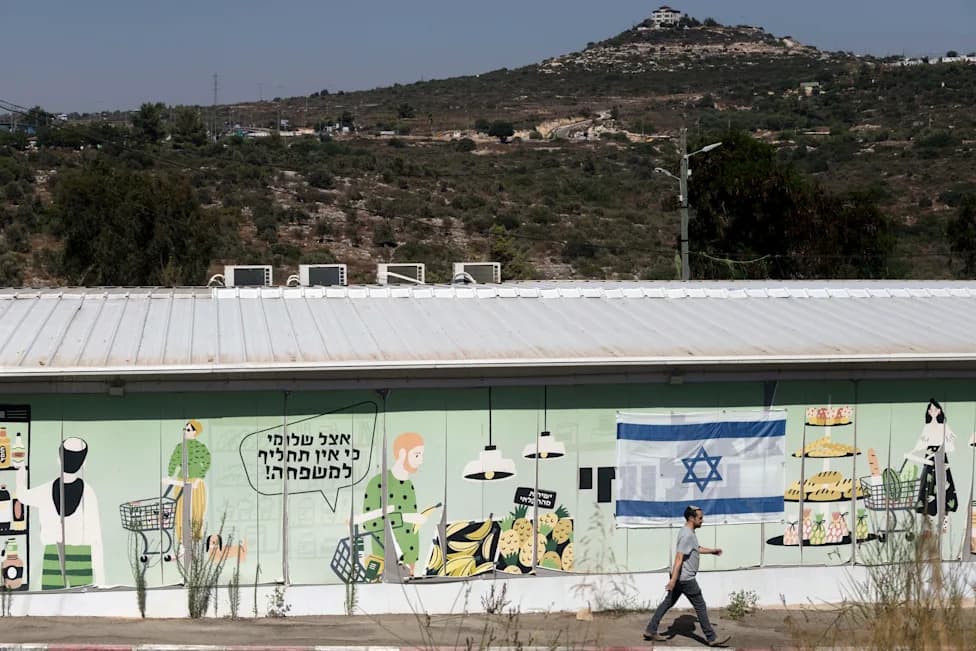
The government has limited the measure to physical goods rather than services. Ireland's Central Statistics Office estimates the restriction would affect a very small number of imports — primarily fruit — with an annual value of roughly €200,000 (about $235,000).
Political and Business Pushback
The bill was delayed by competing pressures: opposition politicians urged expanding the ban to include services, while international corporate lobbyists warned that a broader measure could entangle foreign multinationals and damage Ireland's investment climate. Prime Minister Micheál Martin said last week that extending the law to services would be neither "implementable" nor "viable." Business groups cautioned that services restrictions could subject multinational companies to complex and potentially unworkable sanctions.
Government Rationale and International Context
"We have consistently advocated for a peaceful solution... but it's very clear from the actions taken most recently by the Israeli government, but in particular the continued increase in settler violence ... that they have no desire to take this particular road," Foreign Minister Helen McEntee told reporters.
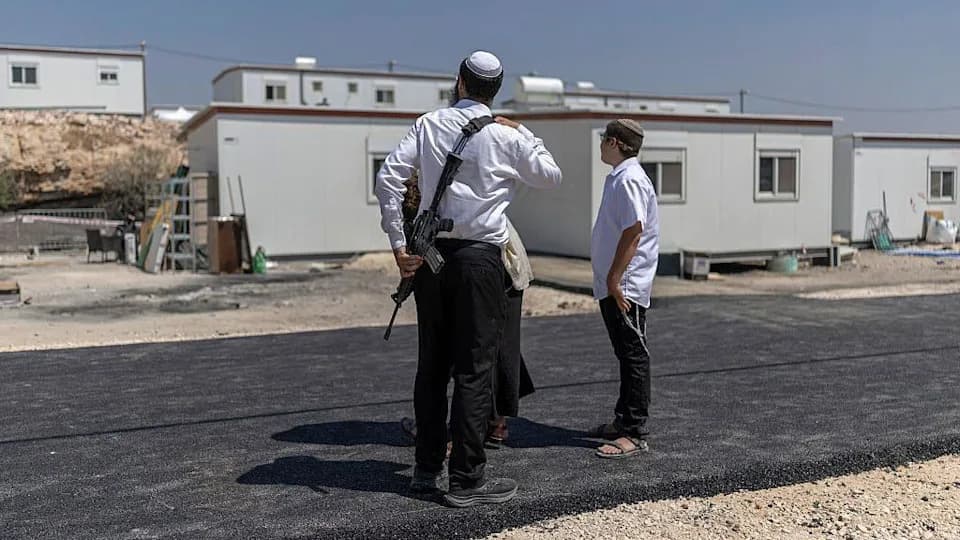
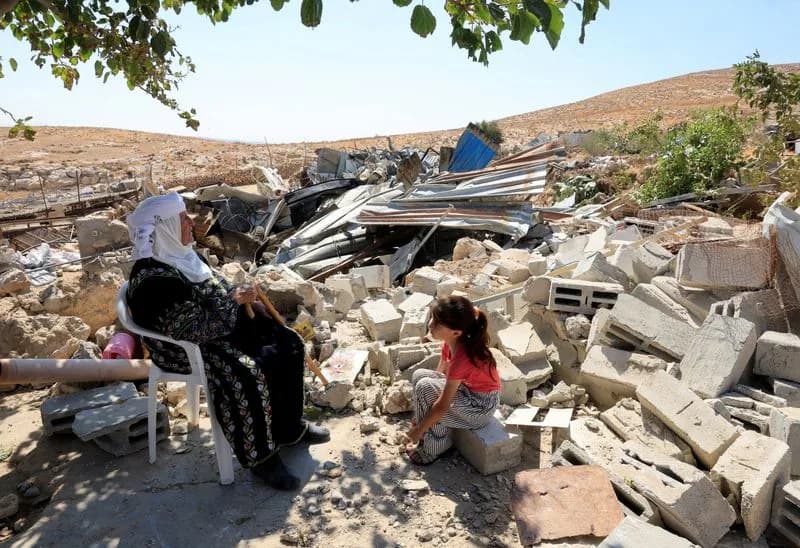
Critics note that Israel's far‑right governing coalition has overseen rapid settlement expansion, and reports show a rise in settler attacks on Palestinians in the West Bank since the Gaza conflict began in October 2023. Most of the international community regards West Bank settlements as illegal under international law; Israel disputes this, citing historical, religious and security arguments.
Diplomatic Coordination and Risks
McEntee said she hoped Ireland would move in tandem with Belgium, the Netherlands and possibly Slovenia; Spain has already put in place similar restrictions and remains the only EU member to have enacted such curbs to date. A group of U.S. lawmakers warned Prime Minister Martin that the legislation could strain U.S.‑Irish relations and impact American companies operating in Ireland.
Ireland is especially sensitive to U.S. pressure because largely U.S.‑owned multinationals are a major component of the economy and account for roughly 11% of the Irish workforce. Government officials will need to balance human rights and foreign policy objectives with economic and diplomatic considerations as they finalise the bill.
Next Steps
The government aims to finalise and pass the legislation by mid‑July. If adopted, the measure would be narrowly focused on goods from settlements, leaving broader trade and services policy unchanged for now as officials weigh legal, practical and diplomatic consequences.
Help us improve.