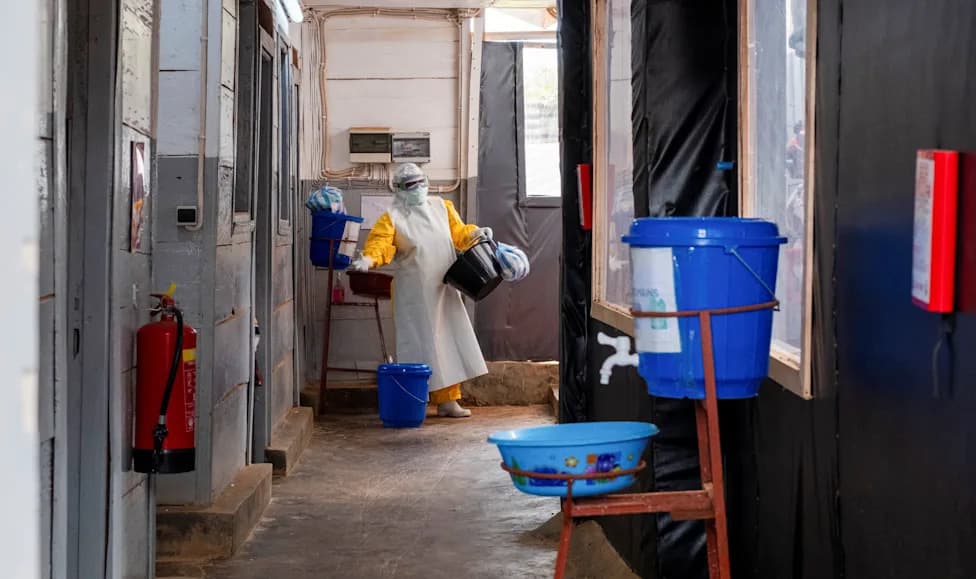
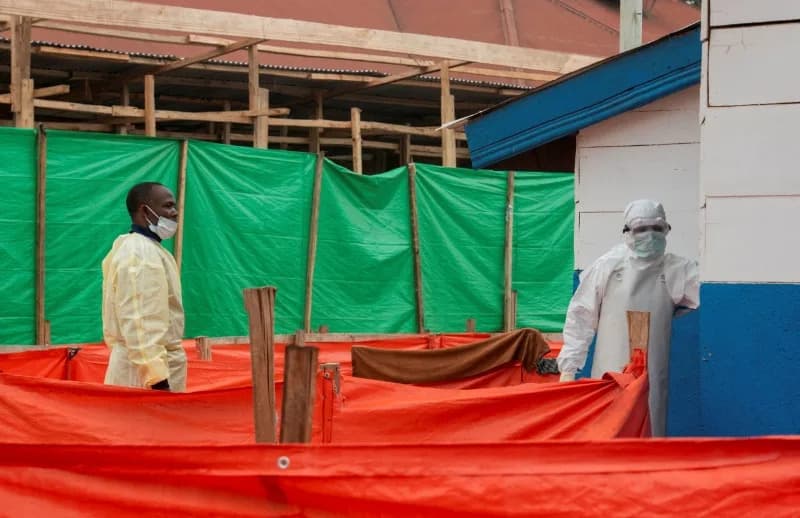
WHO says at least 220 suspected deaths have occurred in an Ebola outbreak centered in Ituri province, eastern DRC, with suspected cases surpassing 900 and confirmed cases above 100. Seven linked cases have been confirmed in Uganda, including local transmission. Response efforts are being undermined by attacks on treatment centres, community distrust and burial tensions; there is no licensed vaccine for the Bundibugyo strain, though Oxford researchers hope trials could start in two to three months.
Ebola Outbreak in Eastern DRC: 220 Suspected Deaths, Cases Confirmed in Uganda
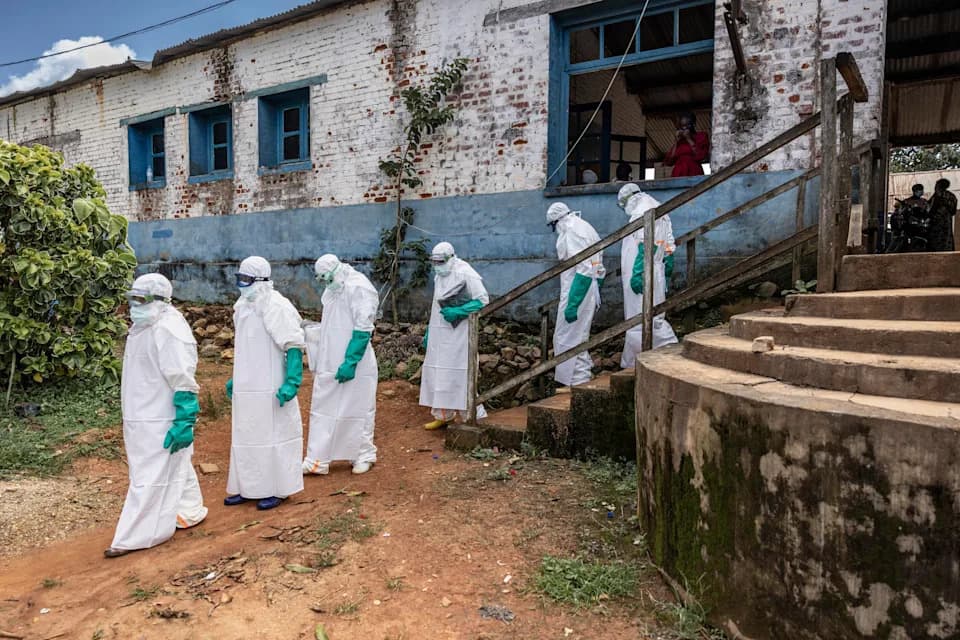
Health workers wearing protective equipment walk outside the General Referral Hospital during the Ebola outbreak response on May 21, 2026 in Mongbwalu, Democratic Republic of the Congo. / Credit: Michel Lunanga / Getty Images
At least 220 people are now suspected to have died in the ongoing Ebola outbreak centered in eastern Democratic Republic of the Congo (DRC), World Health Organization Director‑General Tedros Adhanom Ghebreyesus said on Monday. Tedros warned that delays in detecting infections have left response teams "playing catch-up" as they race to trace contacts and contain the virus.
Overview
The outbreak is concentrated in Ituri province, where suspected cases have topped 900 and confirmed cases exceed 100. All infections detected in Uganda so far—seven cases in total—are linked to the DRC outbreak. A 59‑year‑old Congolese man who was admitted to a Kampala hospital on May 11 died three days later; two other Congolese nationals who sought care in Uganda subsequently tested positive. Ugandan authorities have also confirmed local transmission in two people who were exposed to the deceased patient, and two additional health workers at a private Kampala hospital have tested positive.
Violence, Distrust and Disrupted Response
Response efforts have been severely hampered by community resistance, distrust of authorities, and attacks on health facilities. Armed assailants stormed Mongbwalu General Hospital, forcing staff to evacuate patients amid gunfire; attackers reportedly demanded the return of two bodies. In Mongbwalu, residents also set fire to a Médecins Sans Frontières (Doctors Without Borders) tent for suspected and confirmed cases, and 18 people being assessed at that facility fled and remain unaccounted for. A separate treatment centre in Rwampara was burned down after relatives were denied the body of a man suspected to have died of Ebola.
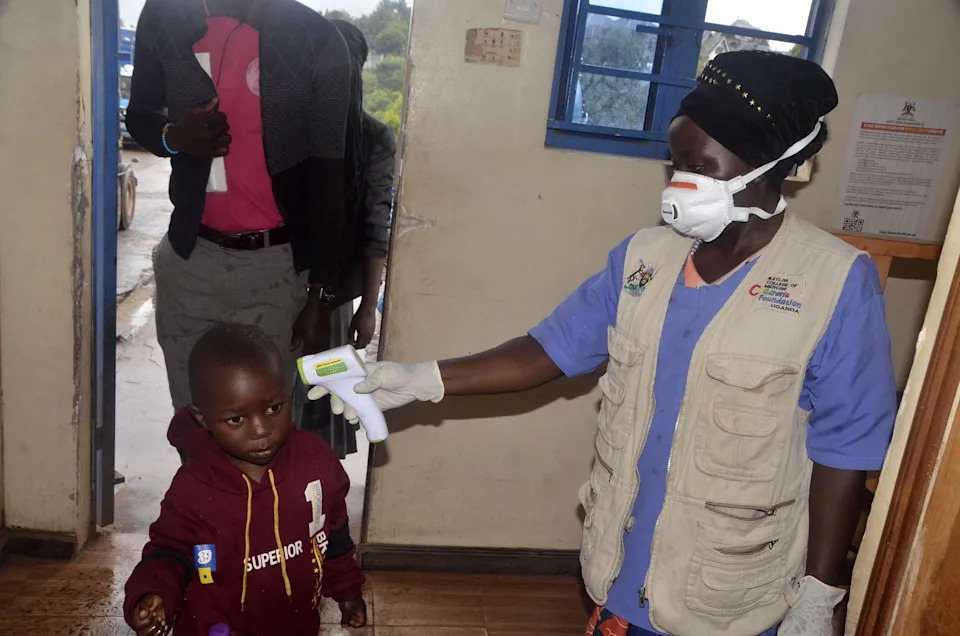
Health teams screen travelers and vehicles entering Uganda for Ebola on May 23, 2026 as precautions have been stepped up at the Mpondwe Border Crossing on the border with the Democratic Republic of the Congo (DRC) following a rise in Ebola cases in Mpondwe, Uganda. / Credit: Nicholas Kajoba/Anadolu via Getty Images
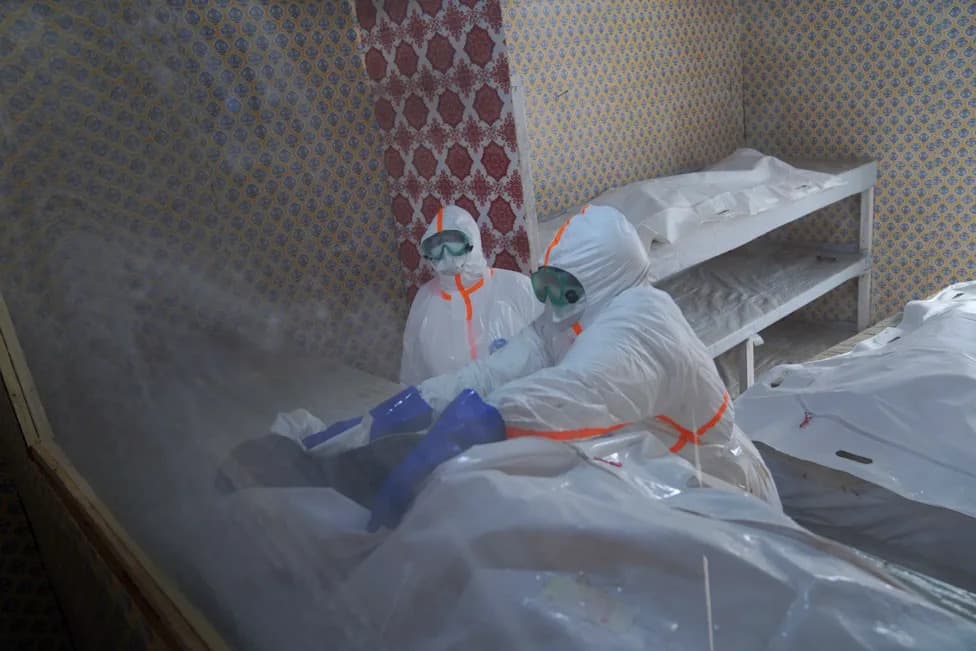
Because bodies of Ebola victims can be highly infectious, local authorities have ordered that burials of suspected victims be handled by officials wherever possible. The government has also banned wakes and gatherings of more than 50 people in affected northeastern provinces to reduce transmission.
Public Health Assessment and Timeline Questions
WHO has raised its risk assessment for the outbreak in the DRC to "very high" while maintaining that the global risk of spread remains low. The virus strain has been identified as the Bundibugyo type of Ebola, for which there is currently no licensed vaccine or approved treatment.
There are inconsistencies in official reporting: the Congolese Ministry of Communication gave a regional death tally that added up to 220 suspected deaths, yet in another update it reported 119 suspected deaths—authorities have not immediately explained the discrepancy. Separately, the International Federation of Red Cross and Red Crescent Societies reported that three of its volunteers died in Mongbwalu after handling bodies on March 27 while on a humanitarian mission unrelated to Ebola; if those infections are confirmed as Ebola, the likely start of the outbreak would be pushed back significantly.
Vaccine and Next Steps
There is no licensed vaccine for the Bundibugyo strain. A WHO spokesperson told BBC News that researchers at the University of Oxford are developing a candidate vaccine that could begin clinical trials in two to three months. Health authorities face the urgent challenge of accelerating surveillance, contact tracing, testing and isolation while rebuilding community trust so that safe burials and treatment can proceed without further violence or the flight of suspected cases.
Tedros Adhanom Ghebreyesus: "Delays in detecting cases mean health workers are now playing catch‑up—we must speed detection, isolation and safe burials to stop further spread."
Help us improve.