Republican lawmakers are challenging a White House budget proposal that would eliminate major HUD grant programs, including CDBG and HOME, and cut $10.7 billion from HUD funding. GOP appropriators have advanced spending plans that preserve the block grants and are working with Democrats on bipartisan housing-affordability legislation. Lawmakers and local leaders argue the grants are effective and flexible tools for improving neighborhoods and expanding affordable housing as the 2026 midterms approach.
GOP Pushes Back Against White House Plan To Eliminate Key Housing Grants
Republican lawmakers are mounting a public pushback against a White House budget proposal that would eliminate several long-standing Department of Housing and Urban Development (HUD) grant programs that help build and rehabilitate housing for low-income Americans.
Last month, President Donald Trump’s proposed budget recommended cutting $10.7 billion from HUD — a roughly 13% reduction in discretionary funding — and would fully eliminate programs such as the Community Development Block Grant (CDBG) and the HOME Investment Partnerships program. Those grants provide flexible funding used by states and localities to improve neighborhood conditions and expand affordable housing supply.
Republican Response And Bipartisan Momentum
As Congress begins its budget process, Republican appropriators in both chambers have moved to retain those grants. House GOP leaders advanced a draft HUD spending bill this week that preserves block grants, though it proposes a modest reduction to HOME funding for the next fiscal year. Senate and House appropriators are also working with Democrats on bipartisan housing-affordability legislation that builds on these programs; a version of that legislation overwhelmingly passed the House this past Wednesday.
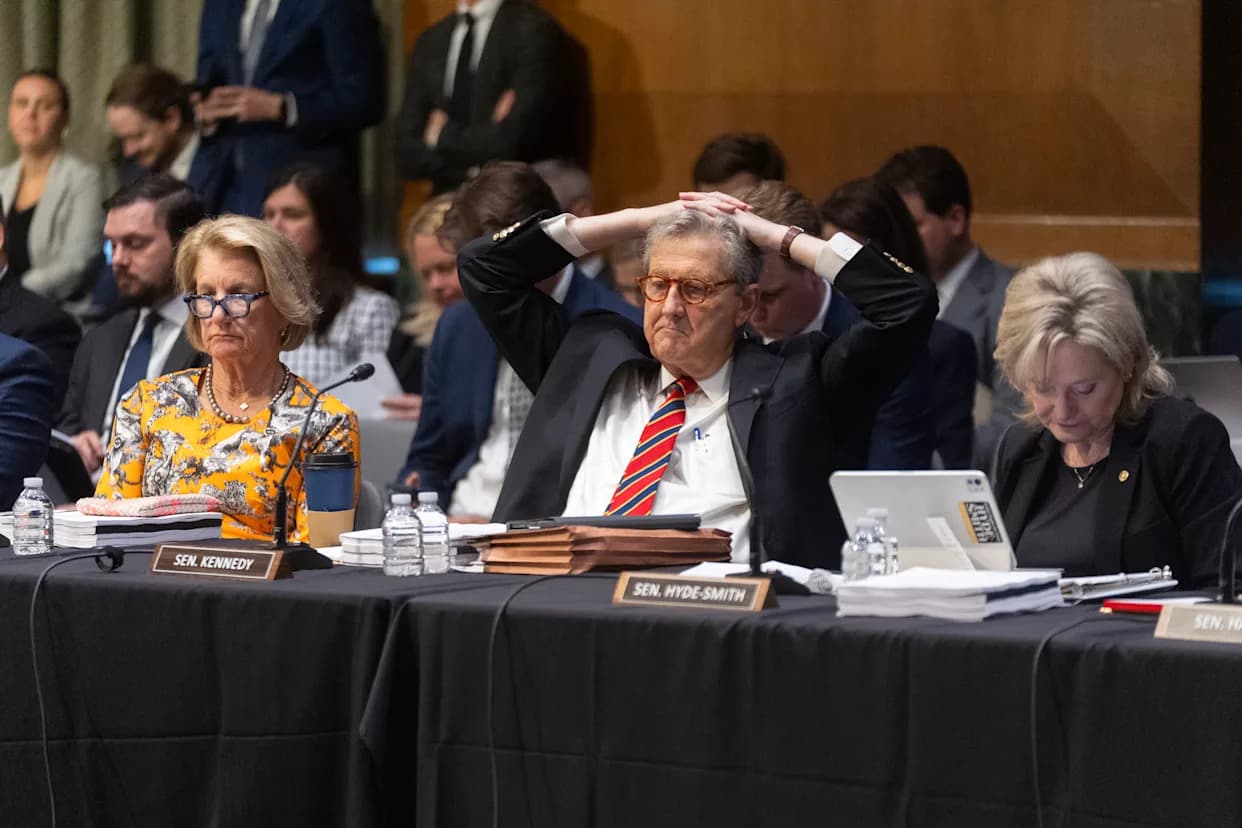
Sen. Cindy Hyde-Smith (R-Miss.), chair of the Senate Transportation-HUD Appropriations Subcommittee, told HUD Secretary Scott Turner at a recent hearing: "I am disappointed to see [the Office of Management and Budget] propose the elimination of these important programs." House Appropriations Chair Tom Cole (R-Okla.) similarly warned colleagues that "the power of the appropriation committee is here, and we will make those decisions," adding that he does not expect steep cuts to popular block grants or funding for Native American housing.
Arguments From Both Sides
The administration argues in its budget justification that some grant dollars have been used for projects aligned with ideological priorities — pointing to initiatives emphasizing energy sustainability or diversity, equity and inclusion goals — and that the programs could be reformed or ended. Congressional GOP appropriators and local leaders push back, saying the grants are widely effective and valued for their flexibility.
"From where I sit in West Virginia, it has been a very effective program," said Sen. Shelley Moore Capito (R-W.Va.) at the Senate hearing. Sen. John Kennedy (R-La.) called CDBG "a program worth fixing," suggesting targeted incentives to spur increased housing supply.
Local leaders, including the National League of Cities, say elected officials regularly hear from city and county governments about how these grants enable critical projects in their districts. "Members have to know, 'What's the benefit to my district?'" said Mike Wallace, legislative director at the National League of Cities. "If they can see it, that makes it a lot easier."
The White House, the Office of Management and Budget and HUD did not return requests for comment for this article.
Why It Matters
Housing affordability and cost-of-living pressures are defining issues ahead of the 2026 midterms. Republicans are seeking to demonstrate they are focused on voters' economic concerns, while Democrats argue the proposed cuts show the administration is out of touch with everyday needs. The future of these grant programs is likely to be decided as lawmakers reconcile competing priorities in the budget process and advance bipartisan housing legislation.
Help us improve.