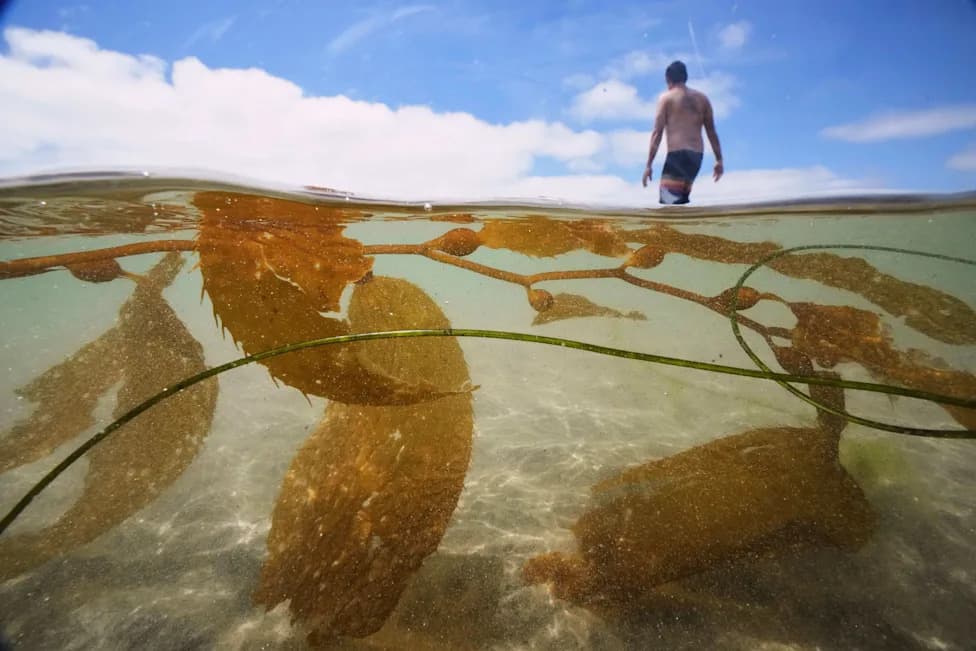
The study by Agriculture and Agri-Food Canada and the Canadian Light Source shows cattle gut microbiomes can adapt to break down seaweed, with specific bacteria rising in abundance to process complex marine sugars. Researchers observed clear microbial changes when seaweed was added to the diet, suggesting a potential new feed resource for climate-stressed farms. Further research is needed on safety, animal health, supply logistics and environmental impacts before wide adoption.
Cows Can Digest Seaweed, Study Shows — A New Feed Option for Climate-Strained Farms
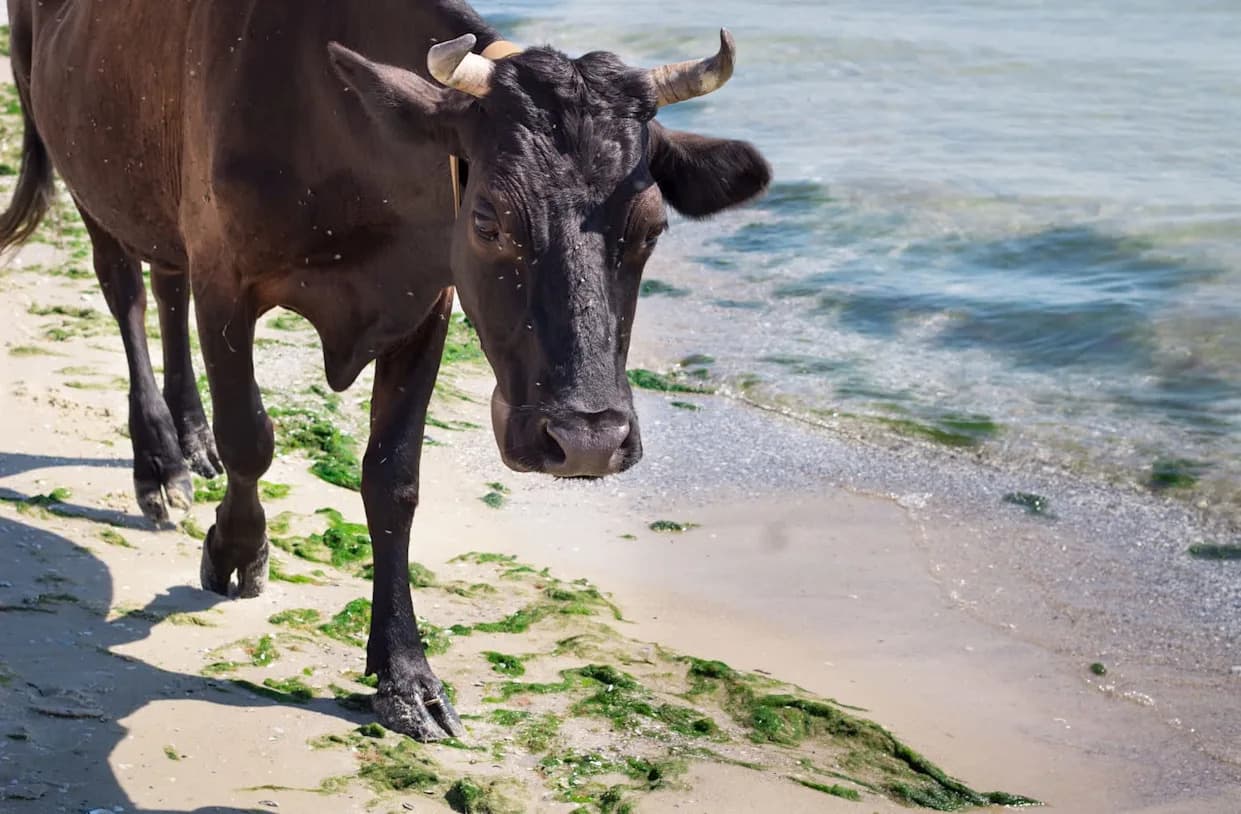
Photo Credit: iStock
As global temperatures rise and pastures shrink, researchers are exploring unconventional feed sources. A new study from Agriculture and Agri-Food Canada and the Canadian Light Source at the University of Saskatchewan suggests cattle may be able to digest seaweed more effectively than previously thought — a finding that could expand feed options for farmers facing climate-driven forage shortages.
How The Study Was Done
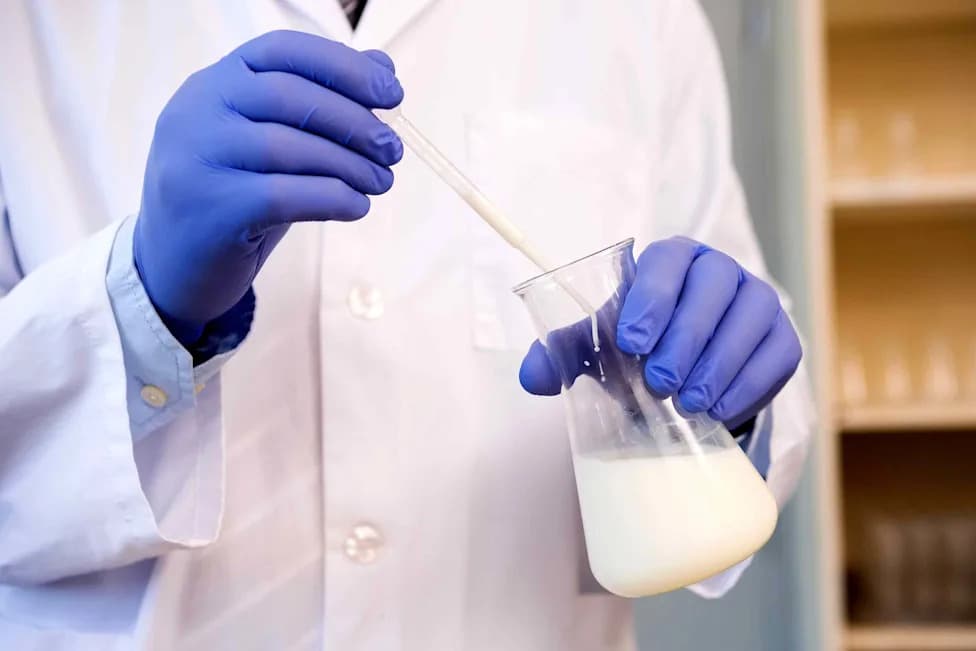
Scientists introduced seaweed as a regular component of cattle diets and used advanced imaging and microbial analysis to observe changes in the animals' digestive systems. The research focused on whether cows could break down the complex sugars in seaweed and which biological processes made that possible.
Gut Microbiome Shifts
The team reported a clear shift in the cattle gut microbiome after seaweed was added to the diet. Certain bacterial groups increased in abundance and appear to play a central role in degrading marine polysaccharides that are not typically found in land plants.
"We could finally see exactly how the bacteria crack the code of seaweed digestion," said Wade Abbott, a research scientist with Agriculture and Agri-Food Canada. "We're only beginning to understand the genetic mechanisms that allow gut microbes to process these marine sugars."
Potential Agricultural Implications
For producers, feed flexibility can be critical as drought, heat and other climate pressures reduce pasture quality and raise the cost of traditional feed crops. If seaweed can be incorporated safely and economically at scale, it could give farmers an alternative to relying solely on stressed agricultural land, potentially stabilizing feed supplies and costs over time.
However, the authors caution that biological understanding is the first step. More research is needed on long-term animal health, nutrient balance, large-scale supply, environmental effects of seaweed harvesting or cultivation, and practical economics before seaweed becomes a mainstream feed option.
Broader Outlook
Mapping the microbial and genetic pathways that enable seaweed digestion could have wider applications beyond cattle, opening new avenues for sustainable agriculture that work with microbial systems already present in animals. But researchers emphasize careful evaluation and pilot studies before widespread adoption.
Source: Agriculture and Agri-Food Canada; Canadian Light Source, University of Saskatchewan.
Help us improve.