Steve Perlman has spent decades risking his life to save Hawaii’s rarest plants, focusing on species with fewer than fifty wild individuals. Working with the Plant Extinction Prevention Program, he scales cliffs and treks remote rainforests—often near Mount Waialeale—to collect seeds for conservation. Many species survive as only one or two plants, so each seed collection is critical. Perlman’s work highlights the urgent extinction crisis in Hawaii and the power of dedicated individuals to preserve global biodiversity.
Rock‑Star Botanist Steve Perlman Racing to Save Hawaii’s Rarest Plants From Extinction
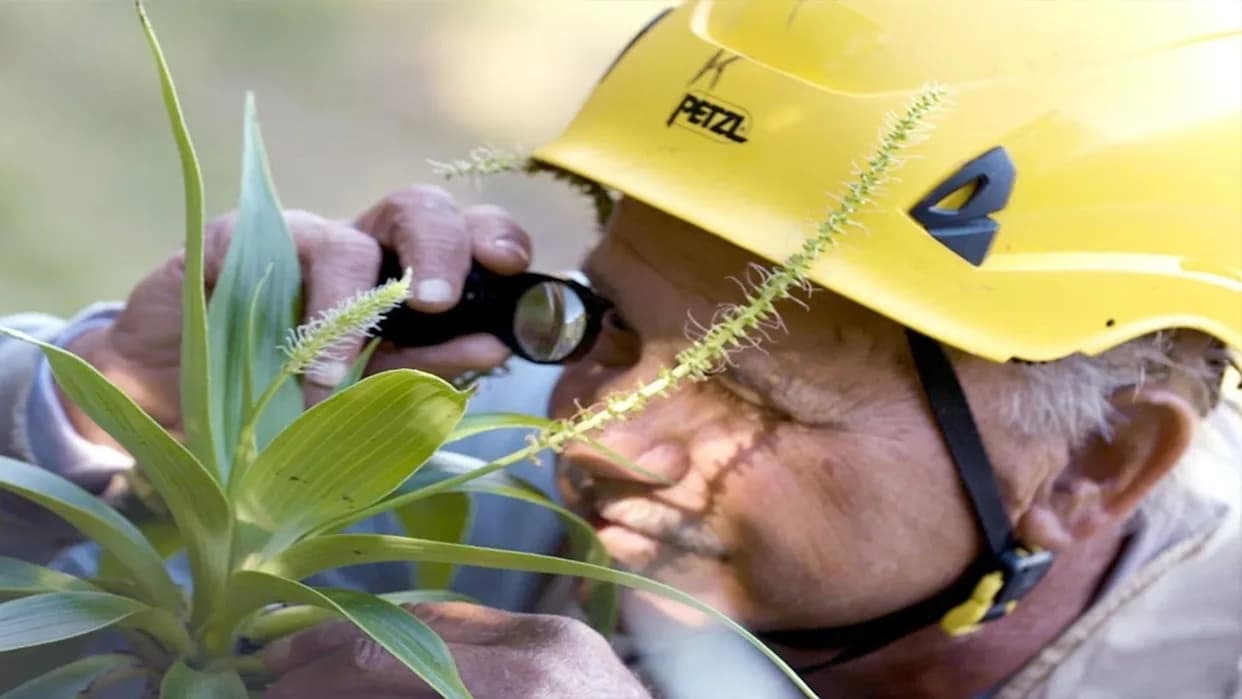
Steve Perlman has spent decades risking his safety to protect some of the planet’s rarest plants across the Hawaiian Islands. Working with the Plant Extinction Prevention Program (PEPP), Perlman targets species with fewer than fifty individuals remaining in the wild, often traveling into remote volcanic craters, hazardous sea cliffs and rainforests that few people ever visit.
Dubbed a "rock‑star botanist" for his extreme fieldwork, Perlman routinely scales sheer rock faces on ropes, treks muddy, trail-less terrain and navigates unstable slopes to locate endangered plants before they disappear. Much of his work centers on Mount Waialeale on Kauaʻi—one of the wettest places on Earth and a refuge for species found nowhere else.
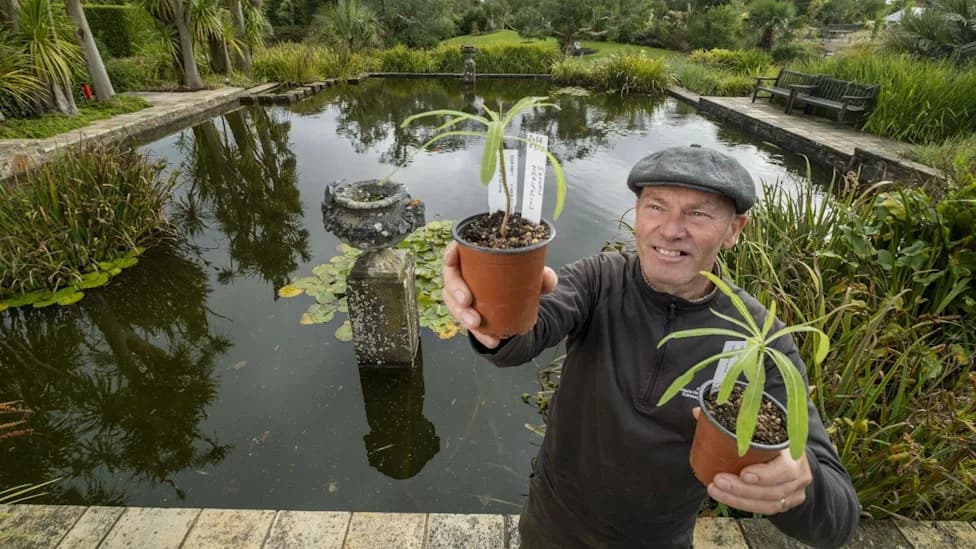
Perlman carefully collects seeds and other genetic material from critically endangered species so researchers can store them and, where possible, re-establish wild populations. Several species he monitors survive as only one or two wild individuals, making every successful collection crucial. Notable examples include Cyanea asarifolia and Lysimachia iniki, fragile plants so elusive that heavy storms and extreme rainfall sometimes create the only windows for researchers to find them.
Why His Work Matters
Hawaii’s long isolation produced thousands of unique species, many of which exist nowhere else on Earth. That means local extinctions become global losses. Habitat destruction, invasive species, disease and climate change place these ecosystems under intense pressure, and rapid intervention is often the only way to prevent permanent loss.
Beyond seed banking, Perlman’s efforts underline the scientific and moral importance of protecting biodiversity. The combination of dangerous terrain and relentless weather forces field botanists to push both physical and mental limits. For Perlman, each saved seed represents a tangible chance for these species to persist into the future.
Perlman refuses to retire: decades of fieldwork have created an emotional bond with the plants he protects, and he continues to climb, rappel and trek because he believes every seed collected is hope for future generations.
His lifelong commitment has inspired fellow scientists, conservationists and younger generations, highlighting how conservation often depends on passionate individuals willing to work where most people never go. Protecting Hawaii’s rare plants is not just local stewardship—it preserves irreplaceable pieces of Earth’s natural history.
Help us improve.