The black-footed ferret conservation project used cells cryopreserved from a ferret named Willa (died 1988) to create Elizabeth Ann, the first modern clone, in December 2020. While Elizabeth Ann never reproduced, later Willa-derived clones — most notably Antonia — have produced surviving kits, and by 2025 four litters and 12 kits were linked to that lineage. Scientists say cloning can add important genetic diversity but is only one tool alongside habitat protection, disease management, and captive breeding.
Decades-Old Cells Produce New Ferrets: How a 1988 Donor Sparked a Cloned Lineage
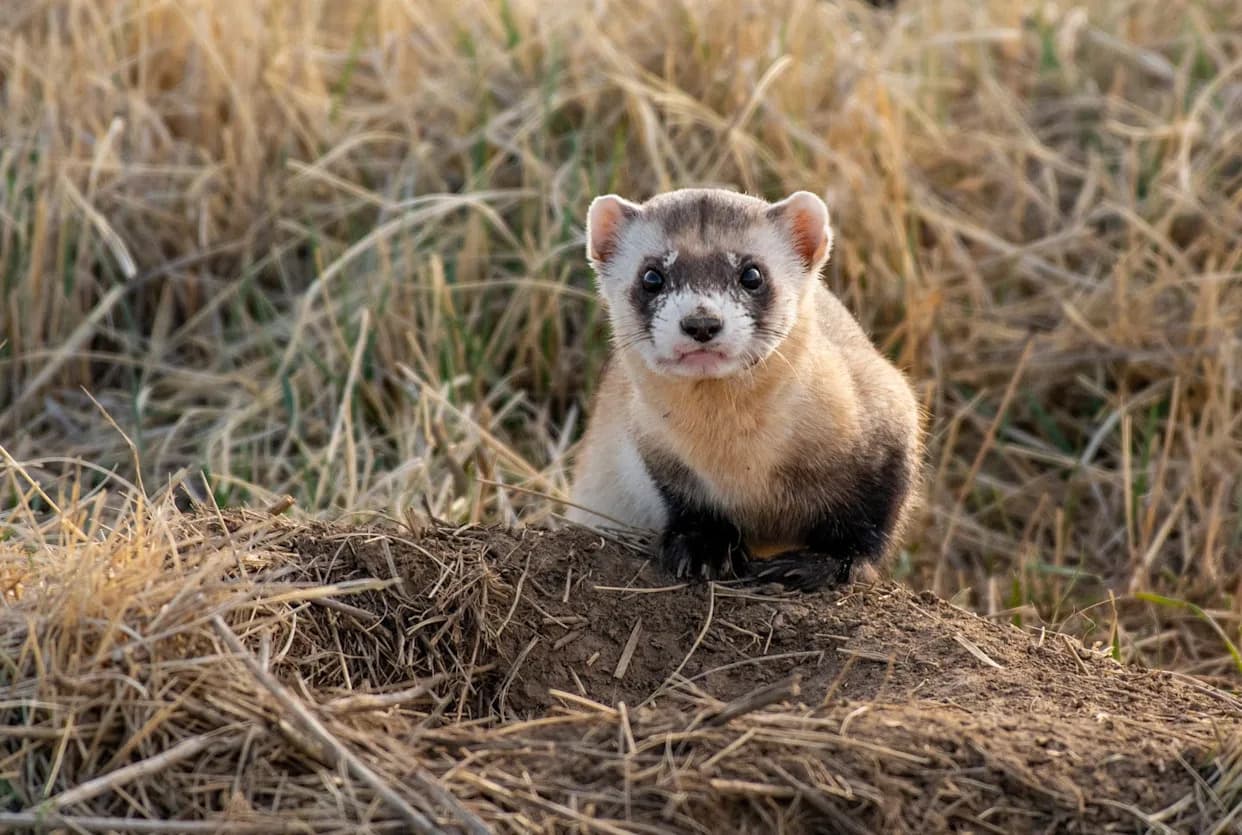
A Cloned Ferret Line Is Now Having BabiesKerry Hargrove - Getty Images
Six years after the birth of Elizabeth Ann — a black-footed ferret cloned from cells taken from a ferret named Willa, who died in 1988 — the project’s impact is clearer and more promising. Researchers used Willa’s cryopreserved cells from the San Diego Zoo Wildlife Alliance’s Frozen Zoo to restore a genetic line that had been lost to living populations for decades.
Elizabeth Ann was born in December 2020 after Willa’s DNA was injected into an embryo, electrically activated and carried to term by a domestic ferret surrogate. Although Elizabeth Ann did not reproduce, later clones derived from Willa have produced offspring, demonstrating that preserved tissue can meaningfully expand a managed population’s genetic toolkit.
Hulton Archive
From Single Clone to Growing Lineage
In April 2024, the U.S. Fish and Wildlife Service announced two additional Willa-derived clones, Noreen and Antonia. Veterinarians later found that Elizabeth Ann’s reproductive problems — hydrometra and an underdeveloped uterine horn — were conditions that can appear in black-footed ferrets and are not believed to be caused by cloning.
“Cloning, itself, is actually not cutting-edge,” said Ben Novak, lead scientist at Revive & Restore. “What’s really innovative is that we reached back in time to bring back something that had been lost.”
Antonia succeeded where Elizabeth Ann could not. In November 2024 Antonia gave birth to three kits, two of which survived — a milestone the USFWS described as the first time a cloned U.S. endangered species produced offspring. By the 2025 breeding season, official reports linked four litters and 12 kits to the cloned lineage across institutions including the Smithsonian and the National Black-footed Ferret Conservation Center. The Smithsonian also reported that Elizabeth Ann and Noreen died in 2025.
Popperfoto
Why Genetic Diversity Matters
Oliver Ryder, director of conservation genetics at San Diego Zoo Wildlife Alliance, explains that a genome is a "cascade of information": its arrangement affects traits such as coat color and disease resistance and reveals events like genetic bottlenecks. Today’s managed black-footed ferret population descends from only seven founders. Willa’s preserved cells offer the potential of an additional founder line — unique genetic material that can reduce inbreeding and improve population resilience.
In 2023 researchers published a chromosome-length reference genome and karyotype for the black-footed ferret, providing a stronger genomic foundation for conservation breeding, interspecies cloning, and, potentially, careful genome-editing in the future.
Print Collector
Cloning’s Role — Powerful But Limited
Experts stress that cloning is a tool, not a cure-all. Paul Marinari of the Smithsonian Conservation Biology Institute notes that cloning can inject valuable genetic variation into captive breeding programs, but recovery still depends on habitat protection, disease (plague) management, captive breeding, reintroduction, and public support. The U.S. Fish and Wildlife Service has said cloned ferrets are not currently slated for release into the wild.
Research teams and nonprofits such as Revive & Restore are also exploring genetic approaches that could one day improve disease resistance, although such efforts remain preliminary and would require careful ethical and ecological review.
Looking Forward
The ferret project underscores the value of preemptive tissue banking. A tiny tissue sample can preserve genetic diversity that may be critical decades later. As reproductive and genomic technologies advance, cryopreserved cells from diverse species — including birds, reptiles, and insects — could become important resources for conservation.
“There was no technology at the time that could have made those cells into an animal again,” Novak said of the decision to bank Willa’s cells. “They were banking those with the hope that someday it was coming.”
De-Extinction And Related Efforts
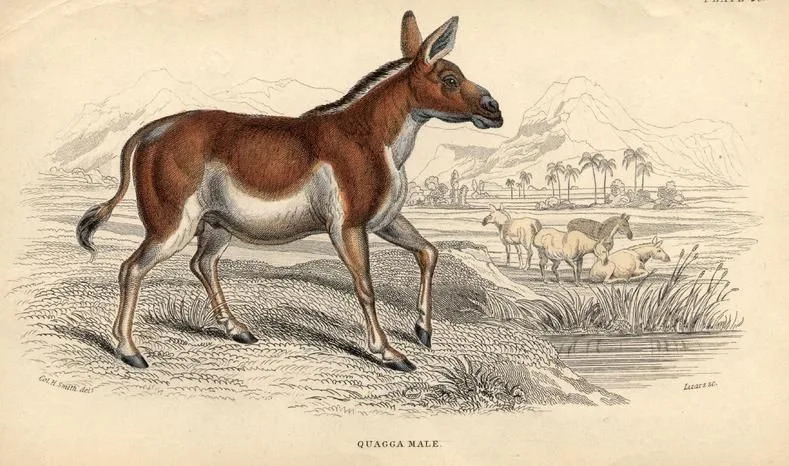
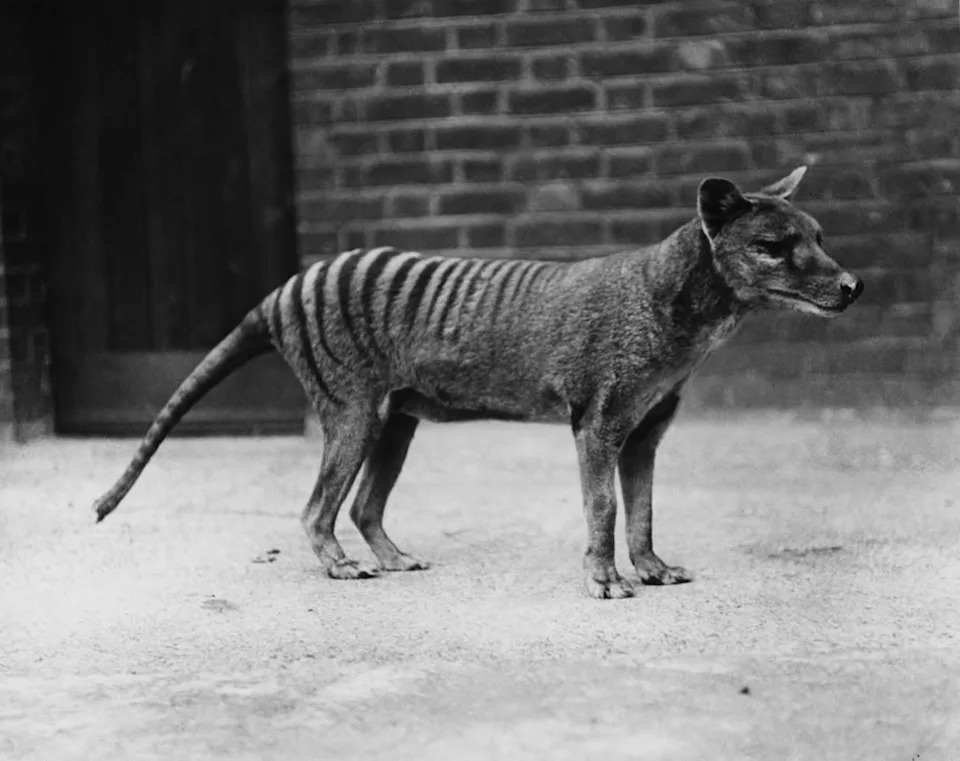
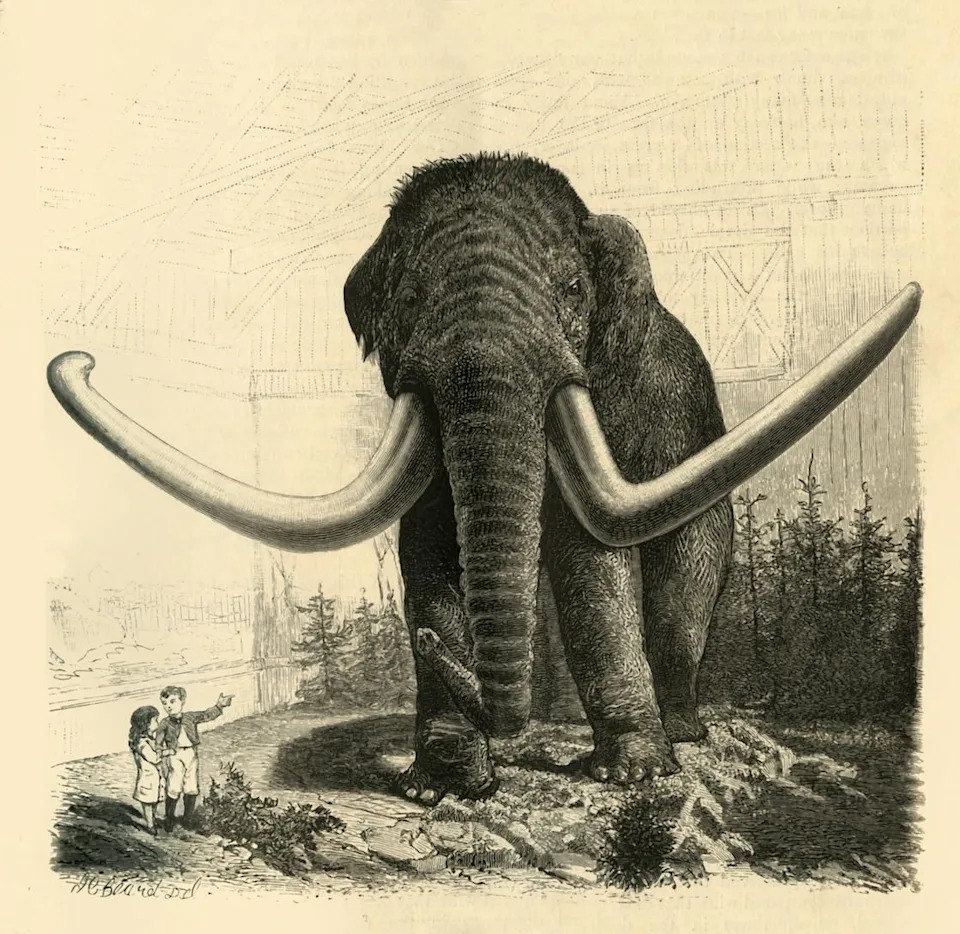
Genetic tools aimed at reviving extinct or near-extinct species are under exploration worldwide. Notable efforts include the Quagga Project (first extinct-species genome mapping), work on the thylacine (Tasmanian tiger), and proposals to edit the Asian elephant genome to produce a mammoth-like animal — an expensive and technically challenging idea that depends on ancient, degraded DNA.
Help us improve.