The Colorado River — a water source for seven Western states and roughly 40 million people — is shrinking after a record-low Rockies snowpack and rising demand. Federal managers released billions of gallons into Lake Powell to protect hydropower while Arizona, California and Nevada proposed emergency paid conservation. With key federal rules expiring this year, the Bureau of Reclamation must decide how cuts are shared. A May storm brought temporary snowpack relief but did not end the long-term risk.
Colorado River Crisis: Shrinking Flows Could Force Drastic Water Cuts for 40 Million
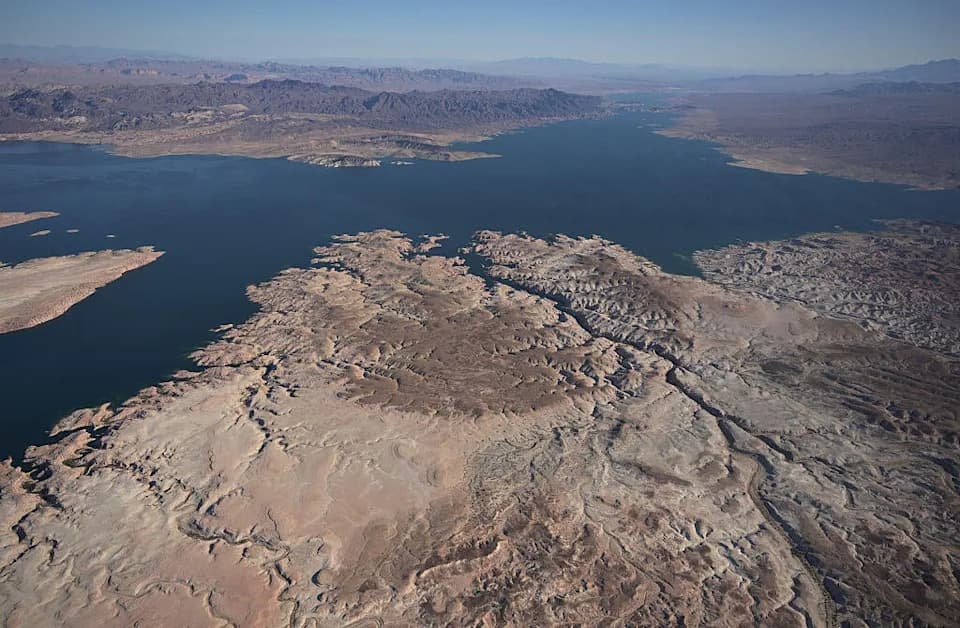
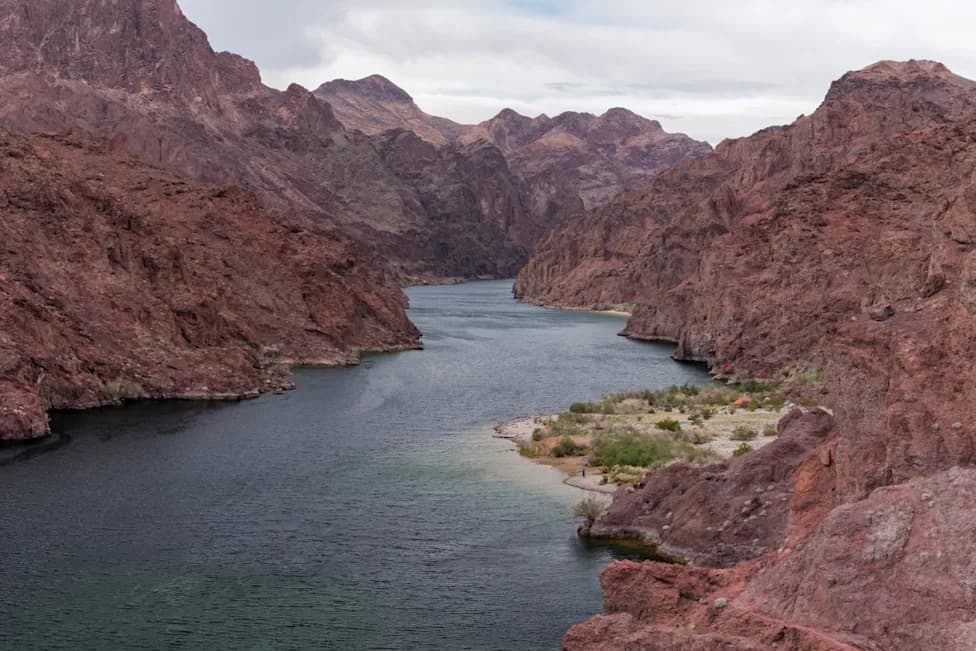
A record-low snowpack across the Colorado River Basin is intensifying concerns at Lake Mead, where water levels remain low on April 30, 2026, in Lake Mead National Recreation Area, Arizona. / Credit: RJ Sangosti/MediaNews Group/The Denver Post via Getty Images
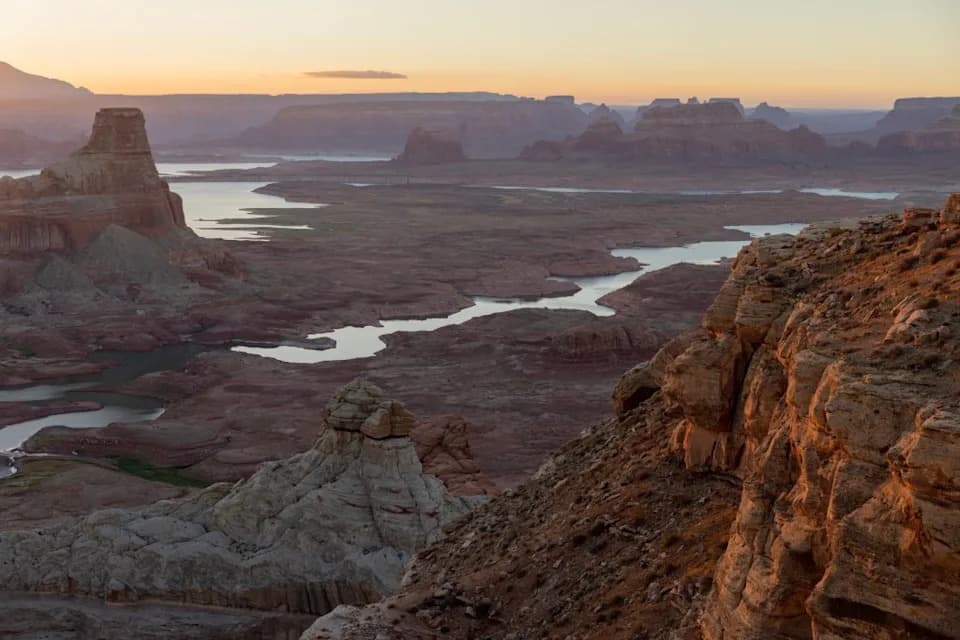
Los Angeles — The Colorado River, which supplies water to seven Western states, is shrinking as a warming climate and growing demand strain an already stressed system. This winter's Rockies snowpack fell to record lows, driving major reservoirs such as Lake Mead and Lake Powell toward critically low levels.
Why It Matters
Roughly 40 million people rely on the Colorado River for drinking water, irrigation and power generation. Federal managers recently released billions of gallons into Lake Powell — the reservoir that straddles Utah and Arizona — to protect hydropower production and downstream operations.
At the same time, Arizona, California and Nevada have unveiled an emergency proposal that would pay some water users to cut consumption. But officials and experts warn that without a broader, enforceable interstate agreement, efforts by individual states to secure supplies could lead to steeper, mandatory cuts.
"The causes of those declining reservoir levels are multiple," said Sarah Porter, director of the Kyl Center for Water Policy at Arizona State University. "It's not one thing, but certainly this year we didn't get any help from Mother Nature."
What Comes Next
Key federal operating rules that govern reservoir management and water allocations are set to expire later this year. The U.S. Bureau of Reclamation — which manages dams, power plants and canals across 17 Western states — is expected to decide this summer how future cuts will be divided among the basin states.
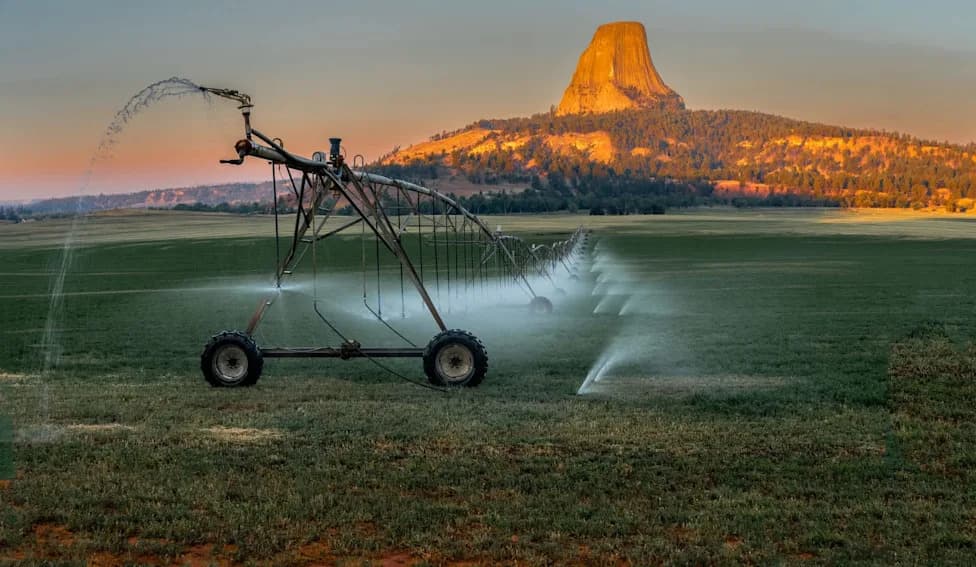
Water managers and scientists caution that without major, long-term changes in how water is used across agriculture, cities and industry, the Colorado River system risks becoming catastrophically overdrawn. Such enforced reductions would threaten farming operations, hydropower generation and municipal supplies for cities from Phoenix to Los Angeles.
There was a brief reprieve when an unusual May storm dropped several feet of snow in parts of the Rockies. That influx will boost runoff in the short term, but experts say it is insufficient to erase the long-term threats facing the millions who depend on the river.
Help us improve.