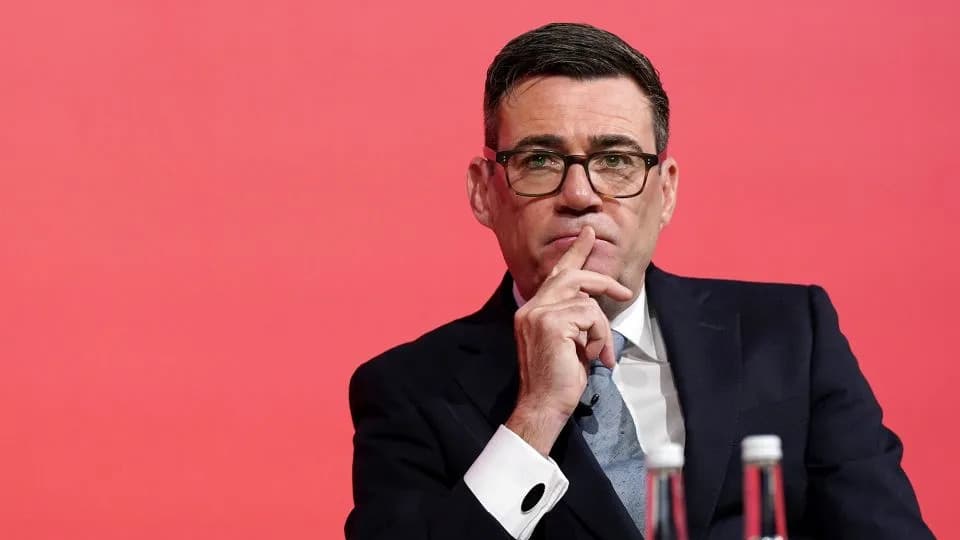
Anthony Seldon warns that fast leadership turnover, long-term economic weakness and a fragmented party system are straining Britain’s ability to govern. Keir Starmer, who won a large majority in 2024, now faces internal rebellion after poor local-election results and constrained fiscal options. Analysts say Britain is not inherently ungovernable, but weak political storytelling, policy limits and a fracturing electoral landscape threaten stable government—with the Makerfield by-election and Andy Burnham’s ambitions now central to the story.
Is Britain Becoming Ungovernable? Starmer’s Struggle, Political Flux and an Economy Under Strain
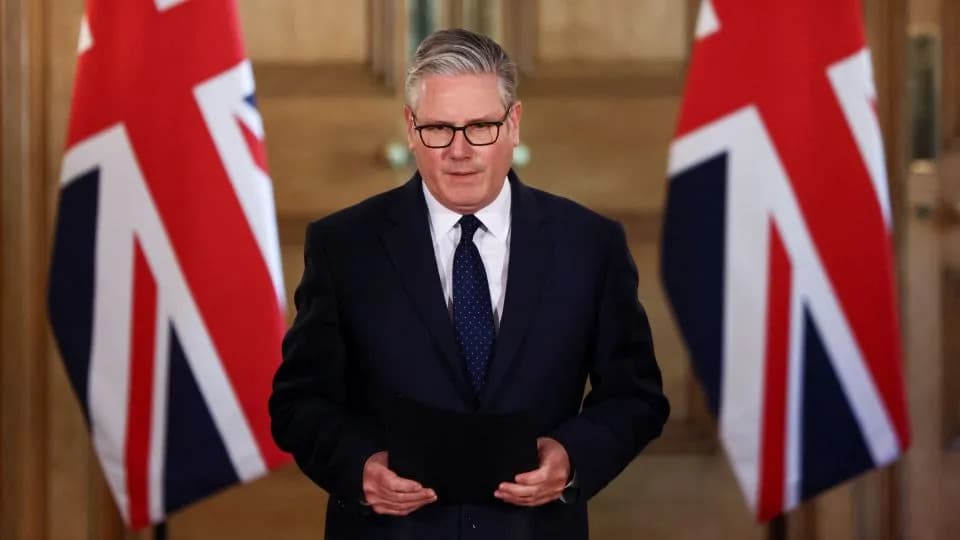
Prime Minister Keir Starmer is facing a rebellion within his parliamentary Labour Party. - Jack Taylor/WPA Pool/Getty Images
Anthony Seldon, who has written biographies of the last eight British prime ministers, warns that rapid leadership turnover and deep structural problems are testing Britain’s capacity to govern. When Seldon began his project in the 1990s, prime ministers typically served for years; in recent times the revolving door at 10 Downing Street has made his work harder and cast fresh doubt over political stability.
From a ‘Decade’ of Renewal to Internal Turmoil
Keir Starmer’s Labour won a commanding majority in 2024 and promised a “decade” of national renewal. Yet, fewer than two years into his premiership, a wave of poor local-election results across England, Scotland and Wales has left his leadership vulnerable to internal rebellion. Senior Labour figures are publicly weighing alternatives, while a by-election in Makerfield could open a parliamentary route for Manchester Mayor Andy Burnham to enter the Commons and challenge for the party leadership.
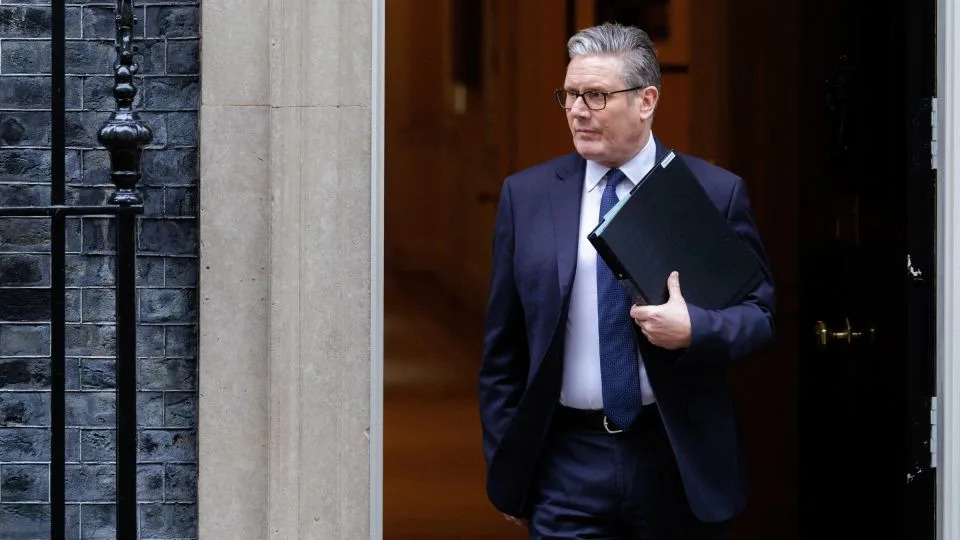
If Starmer is ousted, his replacement would become Britain's sixth prime minister in seven years. - Jason Alden/Bloomberg/Getty Images
Structural Economic Headwinds
Britain’s economic difficulties predate the present government. The economy never fully recovered from the 2008 global financial crisis: productivity growth is weak, real wages stagnated for much of the past decade, and public debt has risen. Analysts estimate Britain’s exit from the European Union reduced GDP per person by as much as 8% and pushed up trade frictions. British government bonds carry the highest yields in the G7, and industrial electricity costs are among the highest in that group.
Politics: From Two-Party Duopoly To Fragmented Contest
The electoral pressures are political as well as economic. The first-past-the-post system works most cleanly with two dominant parties; historically that role was filled by Labour and the Conservatives. Today that duopoly is weakened as the Liberal Democrats, the Greens, Reform UK and nationalist parties in Scotland and Wales have become significant forces, turning many contests into multi-way fights that complicate majority government and raise questions about representation.
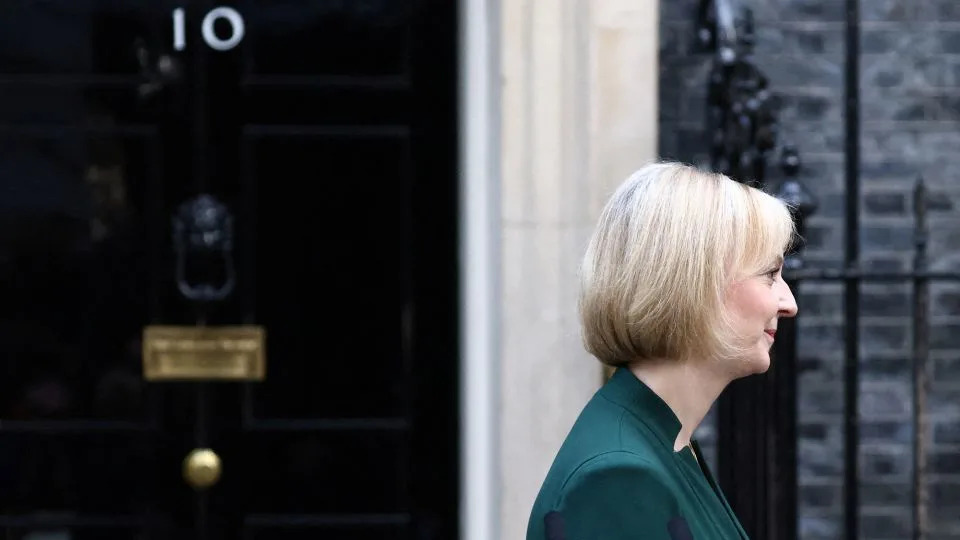
Liz Truss left Downing Street in October 2022 after just 49 days in office. - Henry Nicholls/Reuters
“Britain is categorically not ungovernable,” Seldon told CNN, “although some recent prime ministers have tried darn hard to make it so.”
Who’s Been Responsible?
Seldon points to a string of failings among recent Conservative leaders. He likens Boris Johnson to a Rooseveltian figure in ambition but not delivery, Liz Truss to a Reaganite free-marketeer whose 2022 unfunded tax-cut plan rattled markets and led to her 49-day premiership, and Rishi Sunak to a Hooverite fiscal conservative who inherited a fractured Conservative brand. Each episode, Seldon argues, has eroded public confidence.
With Starmer, Seldon finds fewer clear analogues. He describes elements of Jimmy Carter in Starmer’s seriousness and integrity but suggests the leader lacks the charisma and a clear political story needed to galvanize public support. Political scientist Ben Ansell of Oxford similarly says Starmer has struggled to identify and sell the “hard medicine” Britain requires.
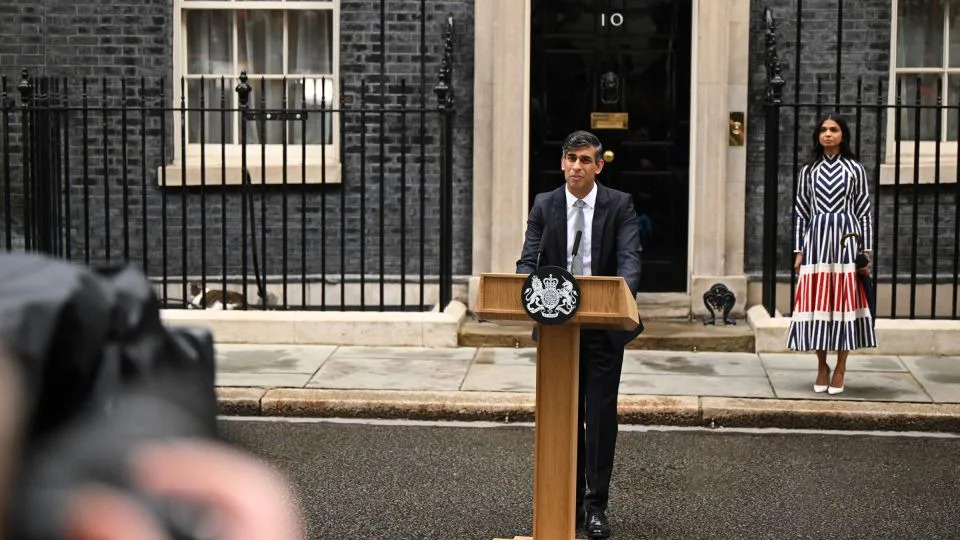
Under Rishi Sunak, the Conservatives lost the July 2024 general election to Labour in a landslide. - Leon Neal/Getty Images
Policy Constraints And Messaging Problems
Starmer ruled out raising the three main tax bases during the 2024 campaign, limiting fiscal space. The government has sought revenue from smaller, politically sensitive measures—targeting private schools, farmers and banks—which critics say created opponents without raising enough funds to deliver visible improvements. Allies counter that some outcomes are positive: the National Health Service (NHS) has reported a substantial monthly fall in waiting lists, and supporters say international credibility has been partly restored after years of Brexit-related tensions.
But economic or administrative gains mean little if they are not communicated effectively. “The Prime Minister is the nation’s chief storyteller—and Starmer never had a story,” Seldon argues. For many voters, competence without compelling narrative feels insufficient.
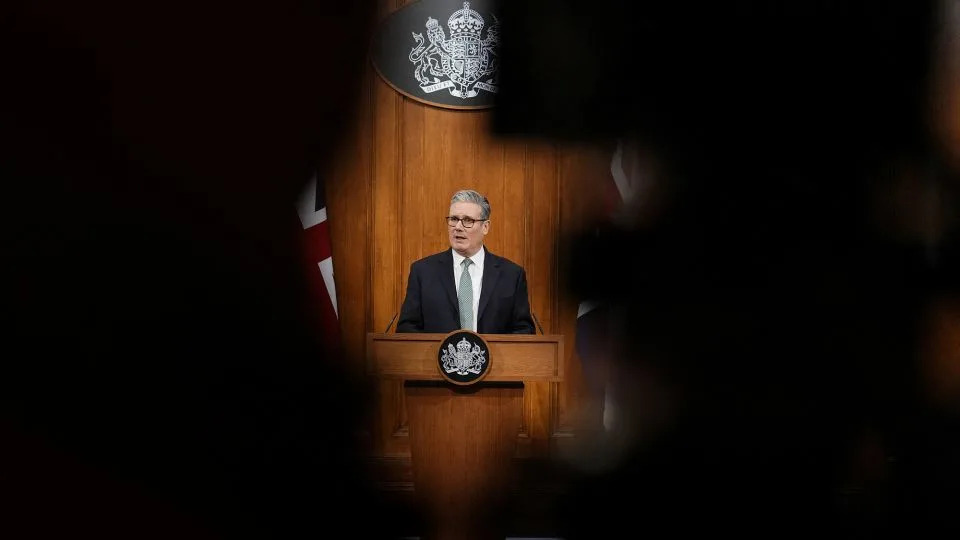
Starmer, pictured in Downing Street, has been criticized for failing to set out a vision for his government. - Jordan Pettitt/Pool/Reuters
What Comes Next?
Andy Burnham is widely seen as a popular alternative, advocating “Manchesterism”: an aspirational, business-friendly programme with stronger public control of essential services. Yet Burnham must first win a seat in Parliament; the Makerfield by-election is therefore high-stakes. If he loses to Reform UK, Labour’s prospects could dim significantly, strengthening anti-establishment forces and deepening public frustration.
Ultimately, analysts in the piece reject fatalism. Britain is not inherently ungovernable, they say, but the combination of economic strain, fragmented politics and weak political storytelling make governing harder and more precarious. The immediate test will be whether Labour can reforge a clear narrative and policy toolkit that translates into felt improvements for voters—or whether political churn continues to accelerate.
Help us improve.