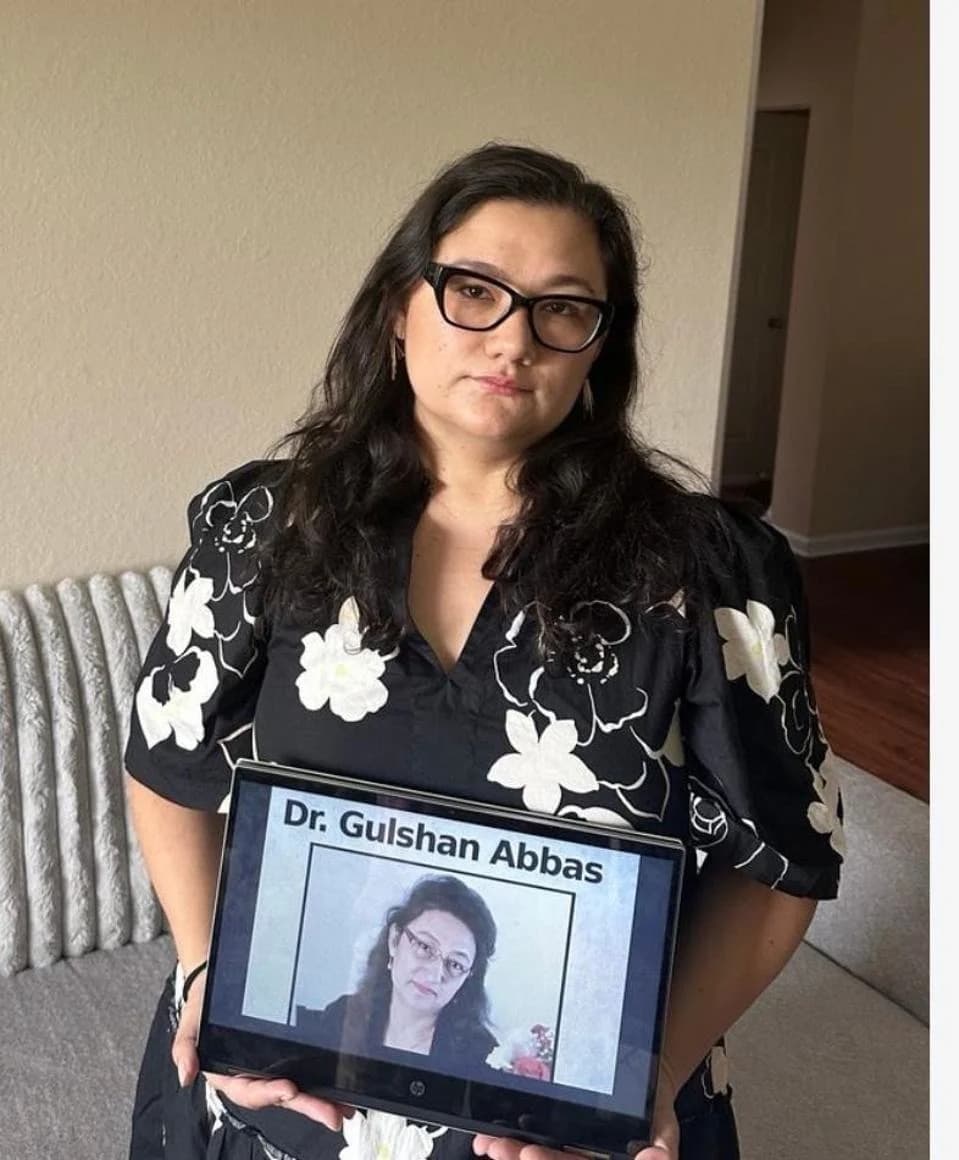
Mihrigul Tursun, a Uyghur woman now living in the United States, recounts being detained by Chinese authorities after returning from Egypt with newborn triplets in May 2015. She describes repeated interrogations, alleged torture—including head shaving and electric shocks—overcrowded cells, and the death of her infant son while under state supervision. After intervention by Egyptian officials she was allowed to leave, later testified to the U.S. Congress in 2018, and now fears for relatives still in Xinjiang while coping with ongoing physical and psychological trauma. China denies the allegations and says it protects religious freedom under the law.
“They Took My Baby”: Uyghur Mother Mihrigul Tursun Recounts Detention, Torture and Infant’s Death in Xinjiang
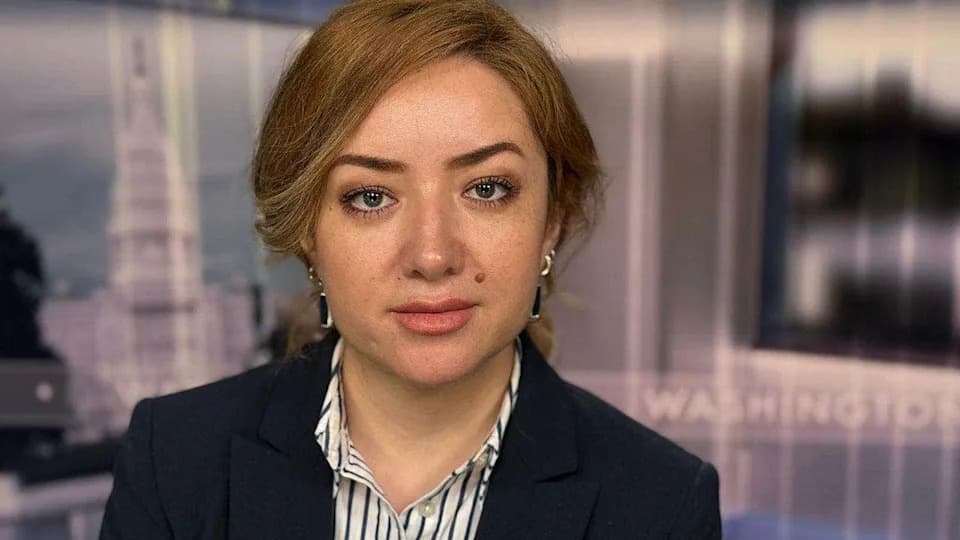
Mihrigul Tursun, a Uyghur woman who testified publicly about her detention and alleged torture inside China’s detention system, during an interview with Fox News Digital in Washington, D.C.(Fox News)
Mihrigul Tursun, a 35‑year‑old Uyghur woman now living in Washington, has given a harrowing account of detention, alleged torture and the death of one of her newborns while under Chinese state supervision. Her testimony—detailed, restrained and painful—draws a vivid picture of life inside Xinjiang detention facilities and the long aftermath for survivors.
Background
Tursun was born in Xinjiang, the far western region China officially calls the Xinjiang Uyghur Autonomous Region. She says that at age 10 she was sent to Mandarin‑language schools designed to integrate Uyghur children into mainstream Chinese society. Years later she moved to Egypt to study business administration, where she married and gave birth to triplets in 2015.
Arrest at the Border
On May 12, 2015, Tursun says she returned to China from Egypt with her two‑month‑old triplets so her parents could meet the grandchildren. At Beijing airport, people who initially offered to help carry the babies identified themselves as police and escorted her away. She says officers separated her from the children, interrogated her for hours about her time in Egypt and political activities, and then hooded and handcuffed her before transferring her to detention in Xinjiang.
Treatment in Custody
Between 2015 and 2018, Tursun says she was moved between multiple prisons and detention centers where she endured repeated interrogations, psychological abuse and physical torture. She describes being forced to undergo routine medical tests—blood tests and organ screenings—that other former detainees have also reported. These accounts have contributed to allegations by activists and researchers about organ harvesting; China denies such claims.
“They say, ‘Keep silent. Follow us,’” she recalled of the airport officers. After telling interrogators that God would punish them, she says they taunted her faith: “Chinese Communist Party is God... Xi Jinping is God.”
Tursun also describes being shaved and receiving electric shocks to her scalp until she lost consciousness, and witnessing severe overcrowding: cells with dozens of women under constant surveillance, some who had not seen sunlight for months. She recounted the case of a 17‑year‑old detainee who returned bloodied and traumatized and later died in custody.
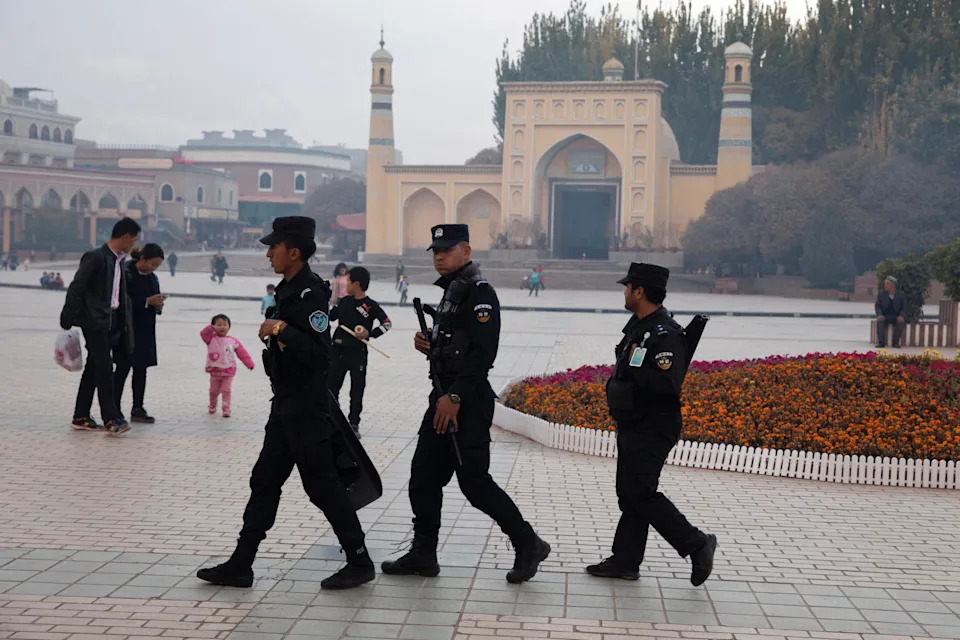
FILE - In this Nov. 4, 2017 file photo, Uighur security personnel patrol near the Id Kah Mosque in Kashgar in western China's Xinjiang region. China's northwestern region of Xinjiang has revised legislation to allow the detention of suspected extremists in "education and training centers." The revisions come amid rising international concern over a harsh crackdown in Xinjiang that has led to as many as 1 million of China's Uyghurs and other Muslim minorities being held in internment camps.
The Death Of Her Infant
Weeks after her detention began, authorities allowed Tursun temporary release and escorted her to a hospital in Urumqi, saying one child was ill. She found two of her children on oxygen on different floors. The next day, she says doctors handed her paperwork labeled “Death Certification” with her infant son’s name. Authorities would not explain the cause and would not allow the family to view the body before burial; Tursun says she kept the body at her parents’ home for three days under police surveillance.
Aftermath And Life In The United States
Following intervention by Egyptian officials, Tursun and her husband were allowed to leave China after signing documents that reportedly required silence about their experience. She later testified to the U.S. Congress in 2018 and eventually received refuge in the United States, where she lives with her surviving children. Tursun says she remains physically and psychologically scarred—struggling with sleep, memory and moments of despair—and fears for family members still in China because of her public testimony.
Responses And Broader Context
Human rights groups, researchers and former detainees have accused Beijing of mass detention, forced labor, political indoctrination and repression of Uyghurs and other Muslim minorities. The Chinese government rejects these claims and describes the facilities as vocational training centers aimed at countering extremism.
In a statement to the press, Chinese Embassy spokesperson Liu Pengyu said Beijing protects “freedom of religious belief in accordance with the law” and pointed to official statistics on registered religious organizations and clerical personnel. Liu also said China regulates religious affairs to safeguard national and public interests and accused foreign actors of interfering in China’s internal affairs.
Former Ambassador‑at‑Large for International Religious Freedom Sam Brownback, who interviewed Tursun, said her story highlights the Chinese Communist Party’s intolerance of religious freedom and urged international leaders to press the issue.
As she stepped back onto Washington’s streets after the interview, Tursun appeared to passersby like any other young mother. But she carries traumatic memories that, she says, most people cannot imagine.
Help us improve.