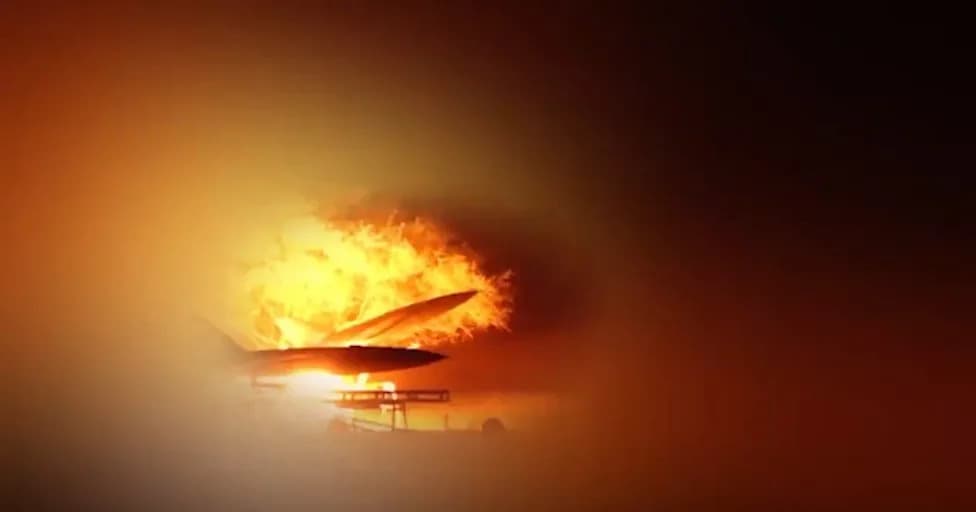
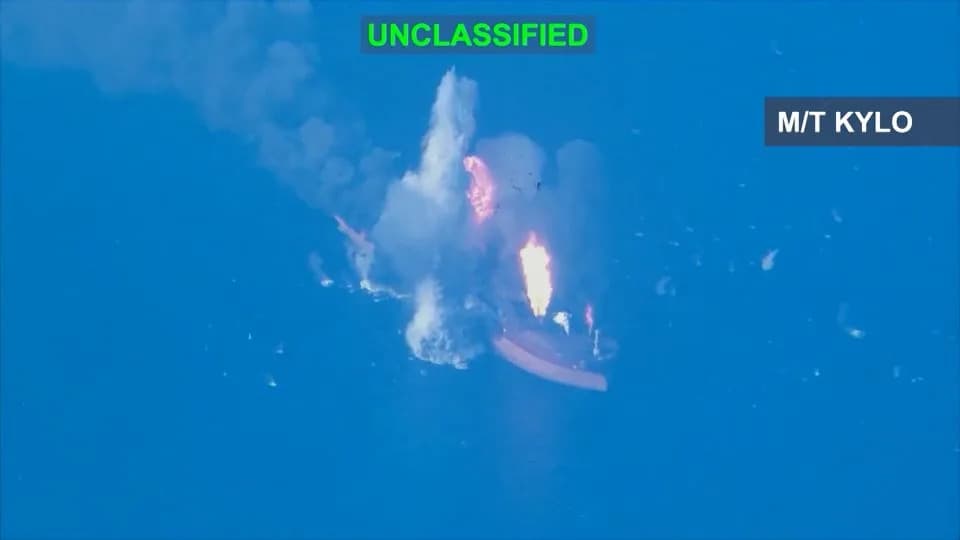
Admiral Brad Cooper told senators that Operation Epic Fury substantially degraded Iran’s military infrastructure, including eliminating more than 90% of an estimated 8,000 naval mines and damaging over 85% of Iran’s missile, drone and naval industrial base through more than 1,450 strikes. He warned that Iran still retains some capacity to threaten shipping in the Strait of Hormuz and stressed that reopening the strait would be a policy decision. Cooper confirmed the April 7 cease-fire remains in effect, addressed an ongoing investigation into a strike that killed about 150 people at a girls' school, and said the Justice Department’s legal opinion authorizing the strikes has not been shared with the Armed Services Committee.
CENTCOM Chief: Operation Epic Fury Weakened Iran’s Grip On Strait Of Hormuz, But Threats Persist
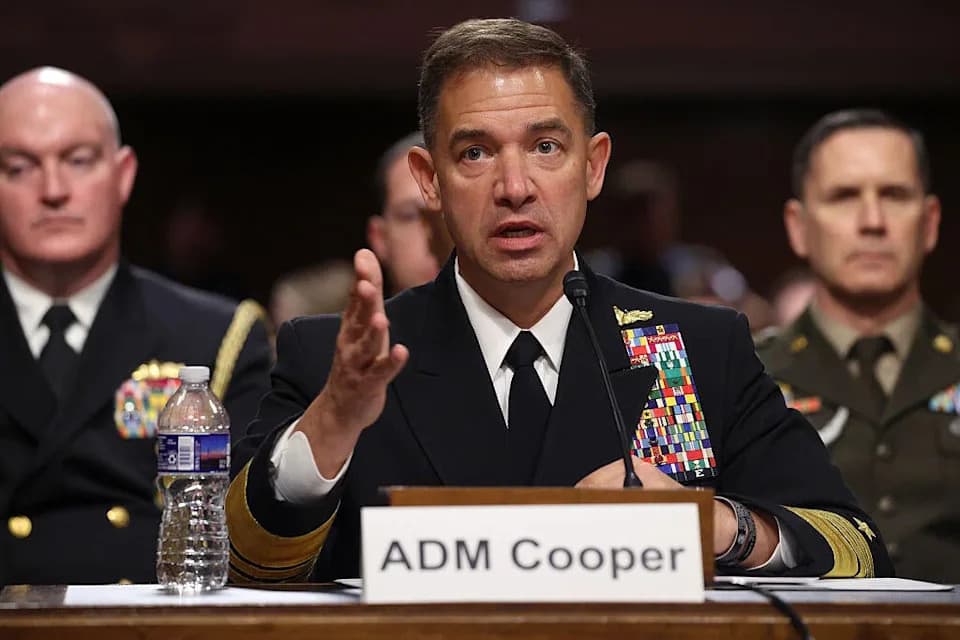
Admiral Brad Cooper, commander of U.S. Central Command, testifies at a Senate Armed Services Committee hearing on Capitol Hill in Washington, D.C., on May 14, 2026. / Credit: Win McNamee / Getty Images
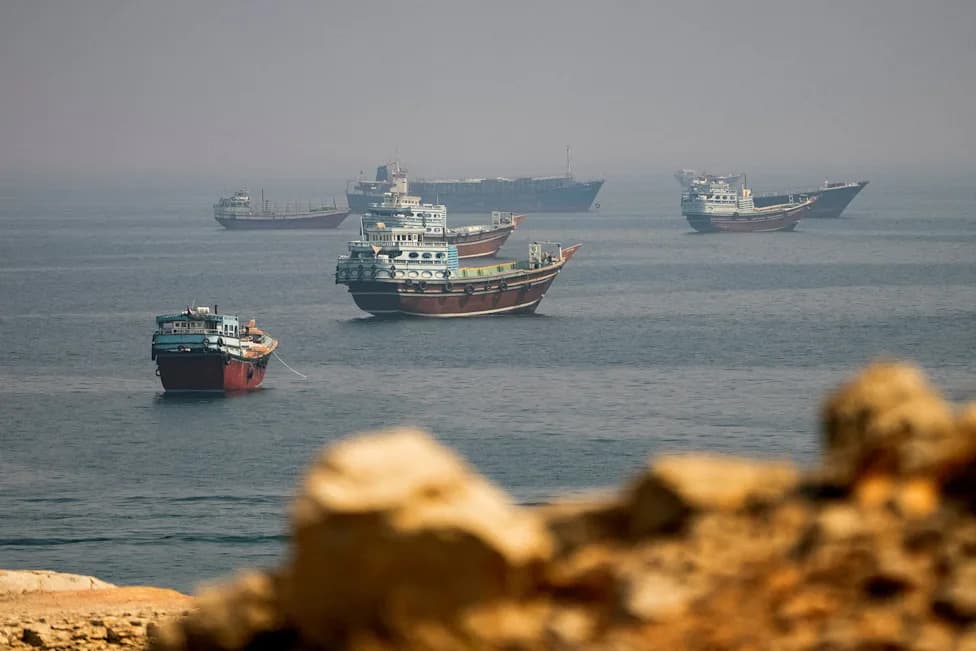
Washington — Admiral Brad Cooper, commander of U.S. Central Command, told the Senate Armed Services Committee that Operation Epic Fury met its objectives to "significantly degrade" Iran’s military capabilities, while cautioning that Tehran still retains some capacity to threaten shipping in the Strait of Hormuz.
Mines and Maritime Threats: Cooper said U.S. forces have eliminated more than 90% of Iran’s estimated inventory of 8,000 naval mines, substantially reducing the risk of their deployment in the strait. He warned, however, that Iran still has remaining capabilities and a strong rhetorical posture that are being monitored by merchant operators and the insurance industry. "The Iranian ability to stop commerce has been dramatically degraded through the straits, but their voice is very loud," he said.
Strait Reopening Is A Policy Decision: The admiral told senators the U.S. retains military options to reopen the Strait of Hormuz, but emphasized that any such action would be a policy decision for civilian leaders. He noted the waterway remains central to negotiations over a potential long-term peace agreement.
Cease-Fire And Ongoing Tensions: Cooper pointed to the cease-fire reached on April 7, saying it remains in effect despite a continuing U.S. Navy blockade of Iranian ports and recent exchanges of fire. The administration has informed Congress that "hostilities" have "terminated," even as incidents and operational restrictions continue in the region.
Strike Campaign Effects: In written testimony, Cooper said Operation Epic Fury carried out more than 1,450 strikes on weapons-manufacturing facilities and damaged or destroyed over 85% of Iran’s ballistic missile, drone, and naval industrial base. He estimated it would take Iran "a generation" to rebuild its navy and additional years to restore drone and missile production.
Disputed Inventory Estimates: Cooper disputed reports that Iran retains roughly 70% of its ballistic missile inventory, saying that figure is inaccurate but declining to provide classified specifics. Earlier reporting by CBS News suggested Iran retained at least half of its missiles and launchers; the admiral also said Central Command began observing an uptick in Iran’s missile production capability between November and December 2025, a trend that helped shape campaign objectives.
Legal and Oversight Questions: Democratic Sen. Tim Kaine pressed the administration for the Justice Department Office of Legal Counsel (OLC) opinion that justified the president’s authority to order strikes on Iran, saying committee members have been denied access. GOP Sen. Roger Wicker noted that Cooper, as a military leader rather than a policymaker, would not be the author of such an opinion.
Classified Matters and International Involvement: Cooper declined to discuss in public whether China or Russia have provided intelligence to Iran, saying those questions should be addressed in a classified setting.
Civilian Casualties And Investigations: The admiral addressed the ongoing military investigation into an early strike that hit an Iranian girls' school and killed about 150 people. He acknowledged preliminary U.S. assessments suggested the U.S. was "likely" responsible but that the school was not an intentional target, and said the investigation remains open. Cooper said he is "passionate" about preventing civilian harm and invited senators to visit Central Command's headquarters in Tampa to observe how targeting decisions are made.
When asked about an April New York Times report that 22 schools had been hit since the start of the conflict, Cooper said the military had no indication the specific figure was accurate and that not all such incidents had been individually investigated; he committed to producing a report on whether hospitals or schools were struck in U.S. operations.
Bottom line: CENTCOM reports major degradation of Iranian military infrastructure after Operation Epic Fury, but important questions remain about remaining Iranian capabilities, civilian casualties, legal authorizations for strikes, and the regional security outlook.
Help us improve.