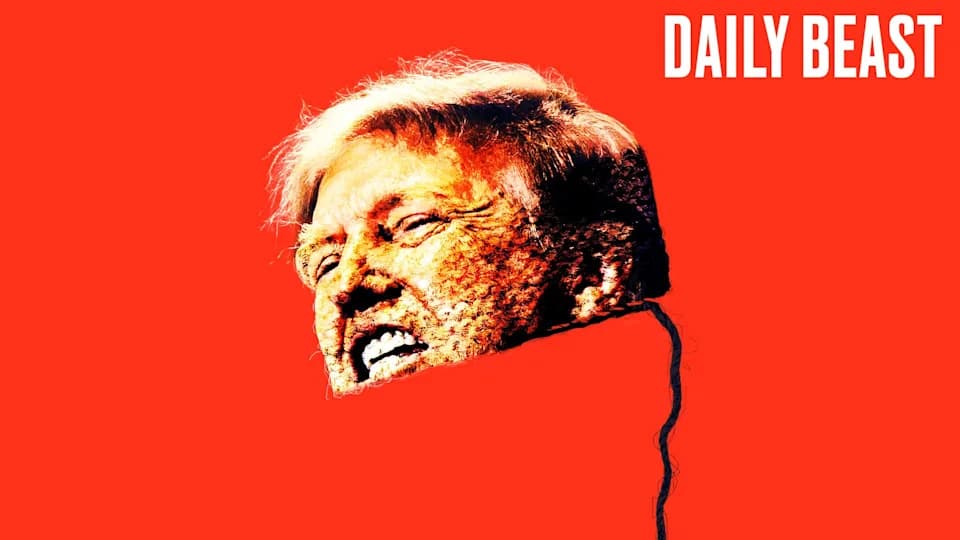
President Trump’s recent string of odd public moments—including an apparent doze, a profane remark about the White House, and an intense social-media blitz—has renewed scrutiny of his behavior. These episodes come amid a broader pattern of provocative rhetoric and factual errors. Major polls now show rising public concern about his temperament and mental sharpness, suggesting Americans are less willing to excuse repeated missteps as mere performance.
Trump’s Public Gaffes Draw New Scrutiny as Polls Show Rising Doubts
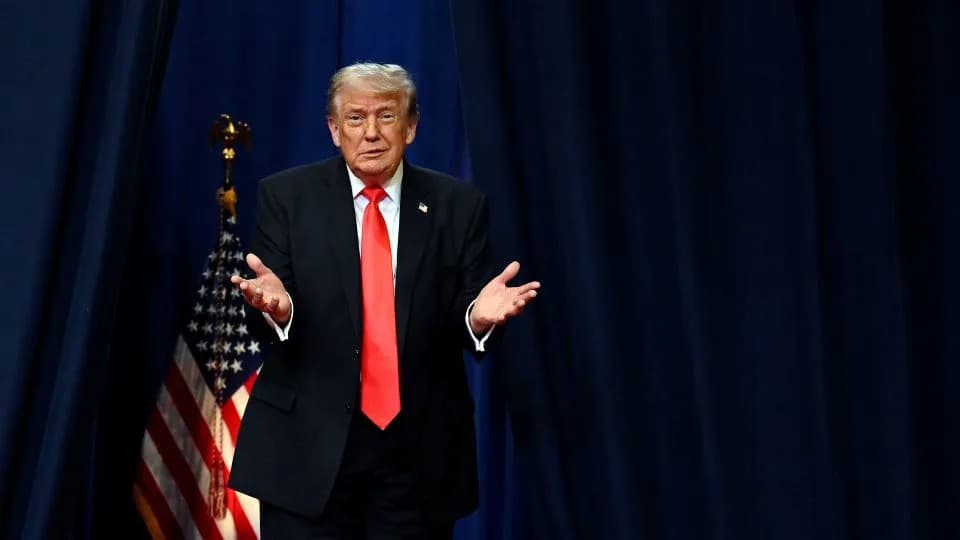
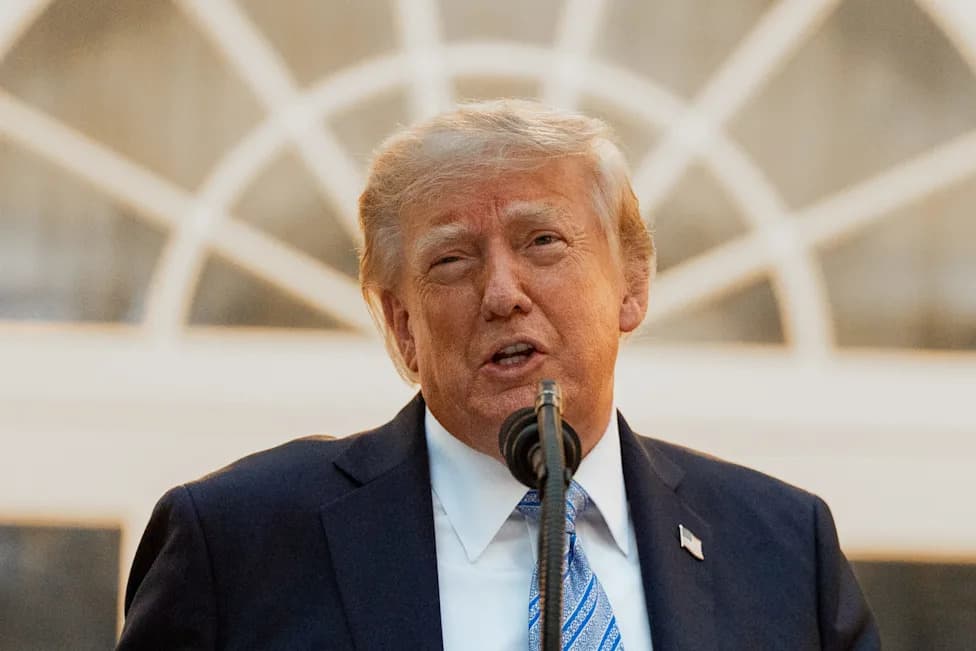
Trump arrives to speak at The Villages Charter School on May 1, 2026 in The Villages, Florida. - Roberto Schmidt/Getty Images
President Donald Trump has faced a string of unusual public moments this week that have renewed questions about his behavior and judgment. In a 24-hour span he appeared to doze off during an event, called the White House a “shit house,” suggested making Venezuela the 51st state, and struggled to identify Indiana University coach Curt Cignetti while the coach stood beside him.
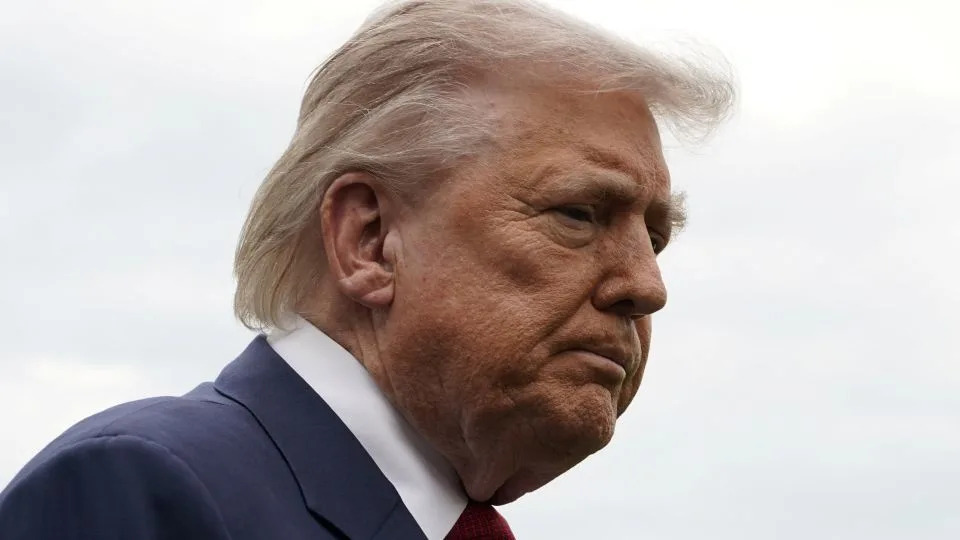
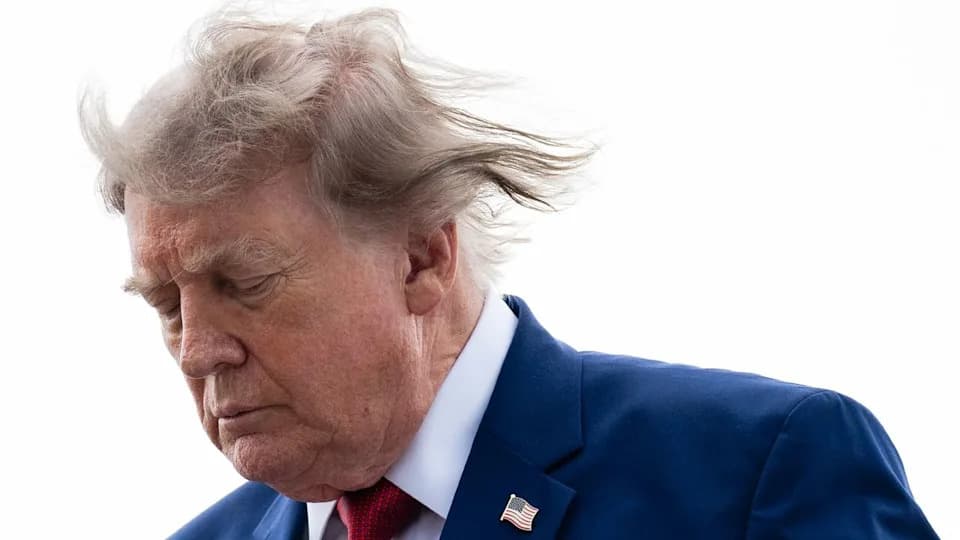
President Donald Trump looks on at the White House on May 8. - Elizabeth Frantz/Reuters
Late-Night Social-Media Blitz
Late Monday night the president unleashed an extraordinary burst of activity on social media—posting and reposting more than 50 times in under an hour. The posts included long-debunked claims about Dominion voting machines, resurfaced allegations about Hillary Clinton’s email server, a fabricated claim sourced from a hoax website, unflattering AI-generated images of Democrats, three derogatory videos targeting Black people (one captioned “Always scheming…”), and calls for the arrest of former President Barack Obama.
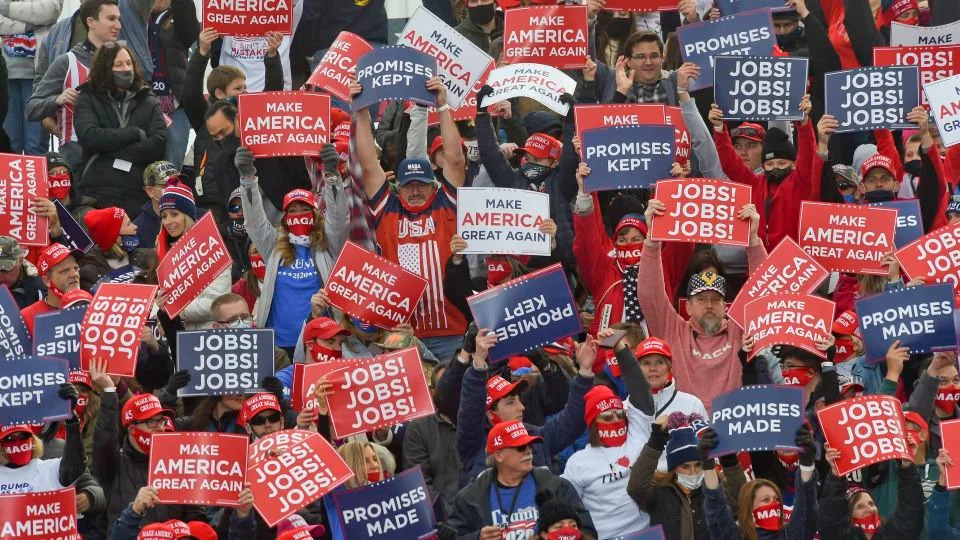
Trump supporters hold signs in the bleachers in October 2020. - Ben Hasty/Reading Eagle/Getty Images
Pattern, Not Just One-Offs
Observers note these episodes are part of a longer pattern. Trump, who will turn 80 in June, has for years used provocative and attention-grabbing tactics that often blur the line between deliberate provocation and genuine missteps. He has openly described his rambling remarks as “the weave,” suggesting disparate comments will somehow cohere.
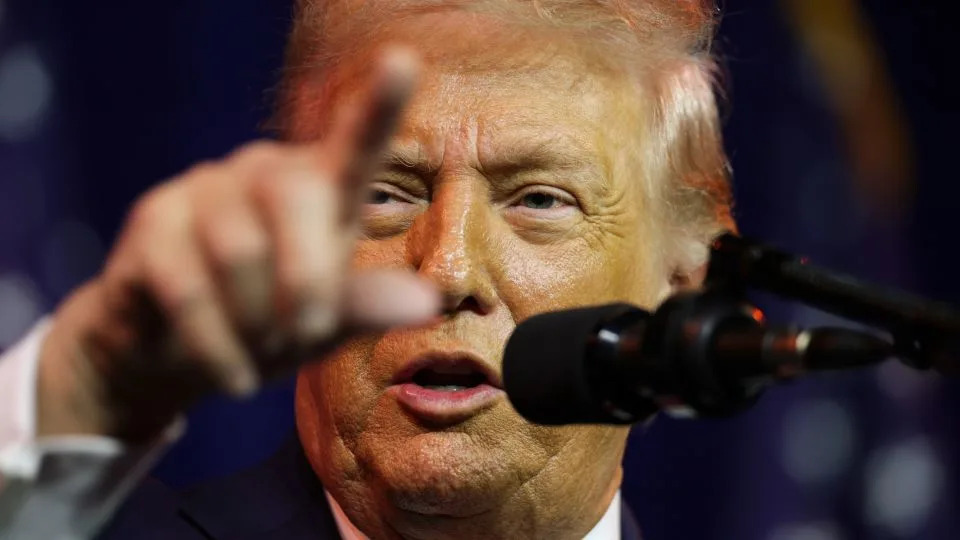
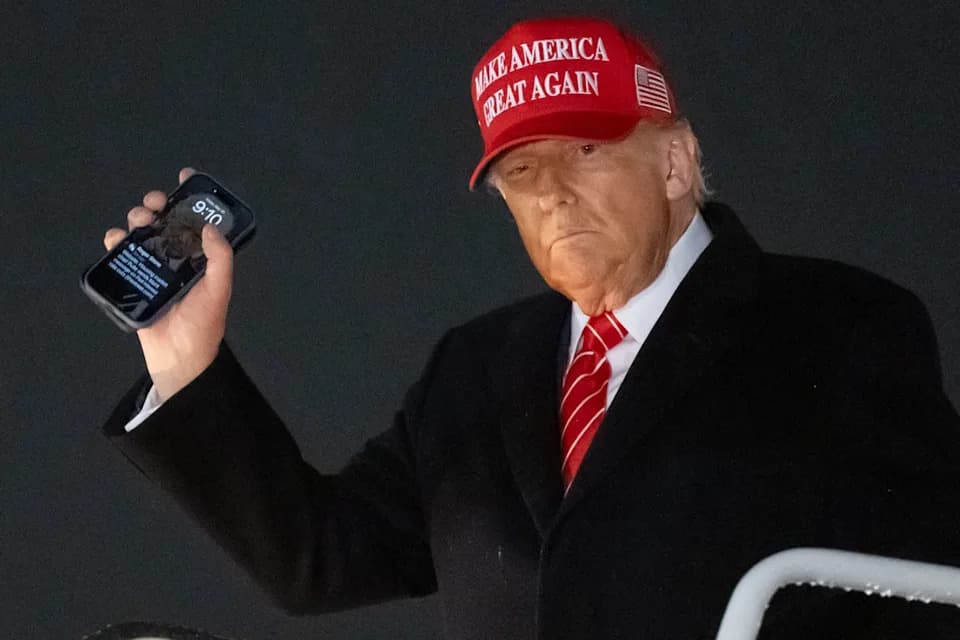
Trump addresses a House Republican retreat at The John F. Kennedy Center for the Performing Arts on January 6, in Washington, DC. - Alex Wong/Getty Images
But recent incidents go beyond unconventional rhetoric. In the past month he repeatedly claimed—without evidence—that Iran had agreed to all his demands and misstated that his vice president had flown to Pakistan to negotiate an end to the war. Some former allies even discussed invoking the 25th Amendment after comments that critics described as dangerously escalatory.
Growing Public Concern
Polling indicates Americans are increasingly uneasy. A Reuters/Ipsos poll found 61% of respondents (including 30% of Republicans) say Trump has become “more erratic with age.” Another survey showed 71%–26% that he is not “even-tempered,” a wider gap than post-2024 election Pew results. A Washington Post–ABC News–Ipsos poll reported 59% believe he lacks the mental sharpness required to serve as president—16 points higher than in 2023—and 67% said he does not carefully consider important decisions (30% of Republicans agreed).
What This Means
Those numbers suggest a shifting threshold of public tolerance: behaviors that were once shrugged off are becoming harder to ignore as Trump’s approval declines. Whether voters interpret these incidents as political theater, intentional strategy, or signs of decline could matter greatly for public confidence in leadership—especially given the life-and-death decisions that fall to the presidency.
Bottom line: The combination of frequent public gaffes, a high-volume social-media campaign of debunked and inflammatory material, and rising poll numbers questioning his temperament and mental acuity have intensified scrutiny of the president’s fitness for office.
Help us improve.