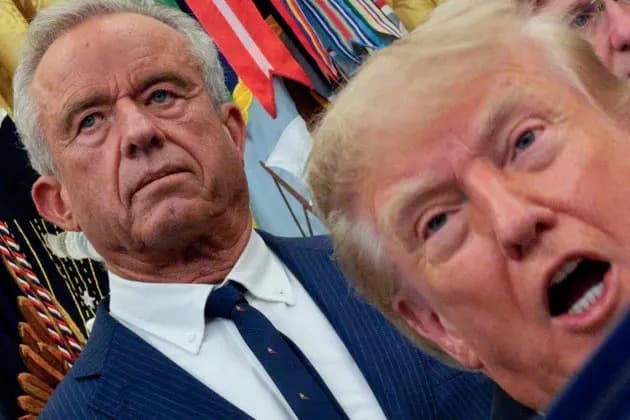
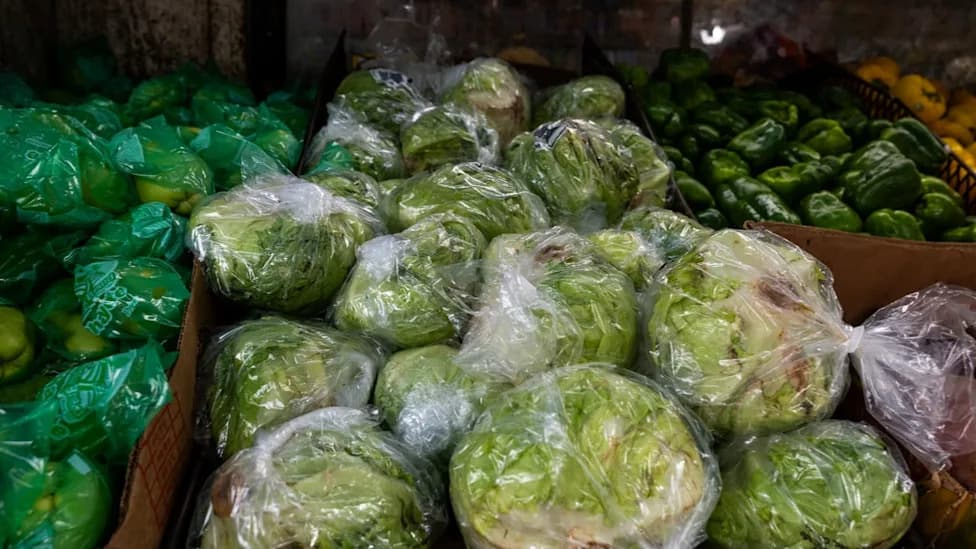
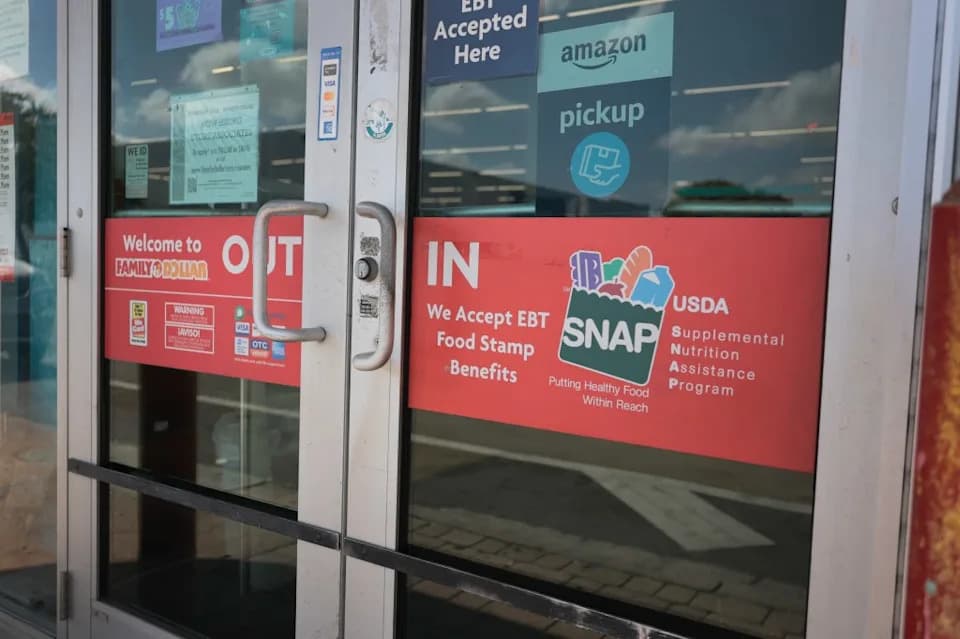
The Trump administration's "Make America Healthy Again" (MAHA) campaign has pushed voluntary industry limits on synthetic dyes and marketing to children and sought limits on certain SNAP purchases. Despite that push, Congress has largely sided with the food industry, driven by extensive lobbying and political resistance to new federal mandates. Key measures — including an amendment to bar SNAP purchases of soda and release of an FTC report on marketing to children — failed or remain blocked, while many proposed reforms stall. Advocates warn voluntary measures and federal preemption risk producing weaker national protections.
Why 'Make America Healthy Again' Isn't Gaining Traction on Capitol Hill
The Trump administration's "Make America Healthy Again" (MAHA) campaign has drawn headlines for urging voluntary industry limits on synthetic dyes and marketing to children, and for restricting some uses of federal food benefits. But despite the White House push, Congress has largely resisted new regulatory measures targeting the processed-food and beverage industry.
Lobbying Clout and Legislative Resistance
Industry lobbying and long-standing political alignments help explain why MAHA's proposals have struggled on Capitol Hill. The food and beverage sector reported a record $113 million in lobbying since January — a rise of more than 30 percent from 2024 to 2025 — and major companies have spent heavily in recent quarters.
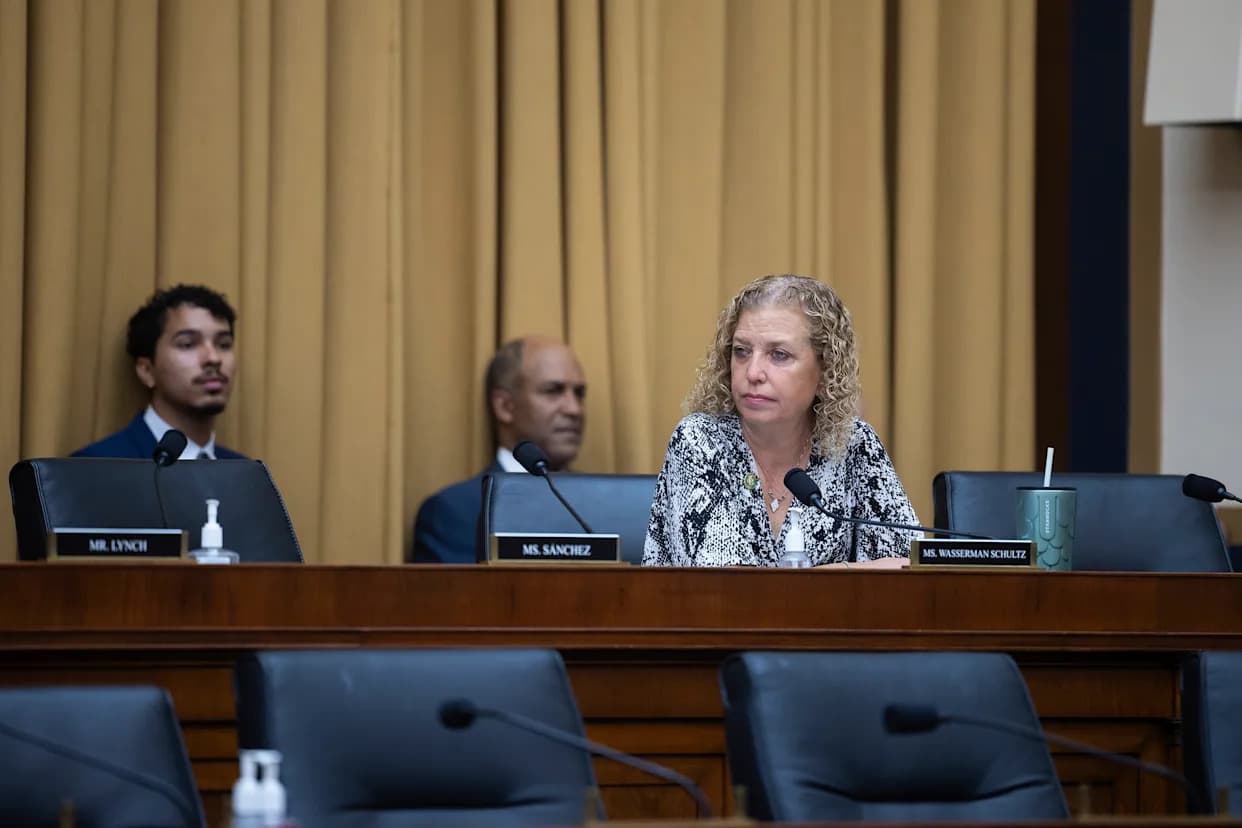
“They have a stranglehold,” Rep. Debbie Wasserman Schultz (D-Fla.) said, drawing a parallel to the tobacco industry’s historical influence. “I don't want to be dramatic, but that was the case with the tobacco industry.”
Recent votes illustrate the divide. The House rejected a farm-bill amendment that would have barred Supplemental Nutrition Assistance Program (SNAP) benefits from buying soda; the amendment failed 238-186, with 55 Republicans joining 183 Democrats in opposing the restriction. The Appropriations Committee also voted against releasing a long-delayed federal report on how the food industry markets unhealthy products to children. Meanwhile, numerous bills to ban synthetic food dyes, overhaul labeling, or encourage healthier school meals remain stalled.
How Much Are Big Food Companies Spending?
Quarterly filings show heavy spending: Mars and Hershey reported a combined $430,000 in lobbying in Q1, and the National Confectioners Association disclosed about $250,000. Beverage and soda-makers spent even more — the American Beverage Association spent nearly $1 million in the first three months of the year, while Coca-Cola and PepsiCo reported more than $2 million and $1.8 million respectively in the same period.
The National Confectioners Association told reporters that candy and chocolate account for roughly 2 percent of SNAP purchases and warned that drawing a legal line around "candy" could inadvertently block items such as granola bars, trail mix and energy bars.
Politics, Policy, and Pushback
Public-health experts and advocates argue that the industry's financial influence, combined with lawmakers' political calculations, helps explain why Congress has been reluctant to adopt stronger national rules. Georgetown law professor Lawrence Gostin said industry influence may now exceed what tobacco firms once exerted.
“This is killing our children,” Gostin said. “And Congress should be ashamed of itself.”
Administration officials have publicly expressed frustration at congressional resistance. Agriculture Secretary Brooke Rollins criticized lawmakers who oppose limiting taxpayer dollars for sugary drinks, calling it "absolutely astounding" that federal benefits would be used for such purchases.
At the same time, the administration's preference for voluntary industry commitments — rather than federal mandates — has generated skepticism. Officials have sought pledges from companies to remove synthetic dyes and curb targeting of children, while stopping short of imposing nationwide bans. Advocates warn that voluntary measures allow companies to press Congress for federal preemption of stricter state rules, potentially producing weaker national standards.
Congressional Maneuvering Over an FTC Report
Lawmakers have also withheld the release of a Federal Trade Commission (FTC) study on junk-food marketing to children through the federal funding process — a practice that has continued since 2014. Critics who support disclosure argue the public deserves transparency about industry marketing practices; opponents say the report relies on outdated guidance and that the FTC should perform additional cost-benefit and regulatory-burden analyses first.
Rep. Debbie Wasserman Schultz briefly sought to force disclosure through an Appropriations Committee amendment but failed. She is now working with Rep. Andy Harris (R-Md.) to pursue alternative pathways to compel release while continuing debate over SNAP eligibility rules and other MAHA-related measures.
Where This Leaves Reform Efforts
Advocates and lawmakers are sharply divided. Supporters of stricter rules argue that corporate practices — not low-income consumers — are to blame for unhealthy diets. Critics counter that changes to SNAP eligibility could stigmatize beneficiaries or introduce confusion for retailers and recipients.
Consumer advocates remain skeptical that voluntary approaches will produce meaningful change. "They don't want to go out on a limb for their buddies in the industry," Thomas Gremillion of the Consumer Federation of America said. "But are they going to actually rock the boat to help reduce food marketing to kids, for example? No, I’d be very surprised."
As MAHA continues to rely on both voluntary industry commitments and selective regulatory nudges, its long-term impact will depend on whether lawmakers are willing to confront powerful industry lobbying and adopt enforceable national standards.
Help us improve.