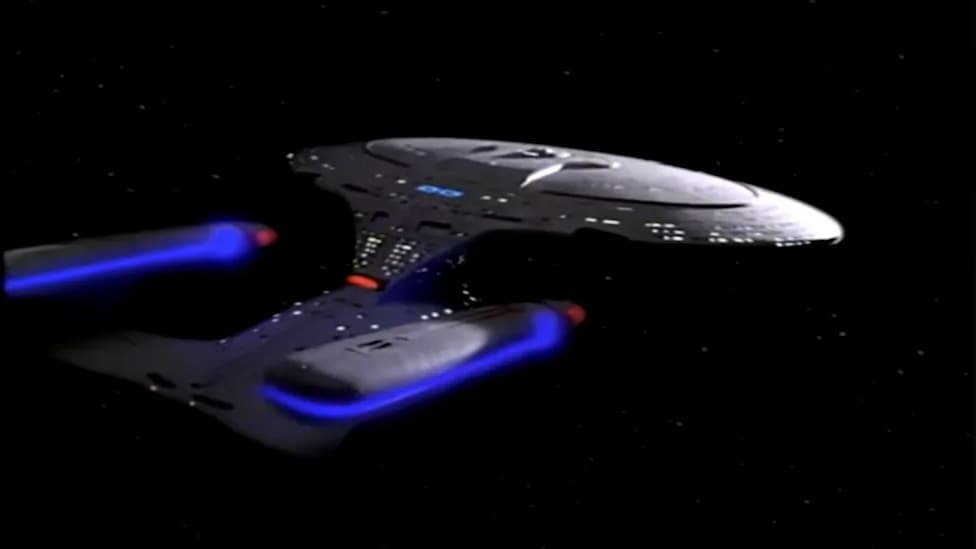
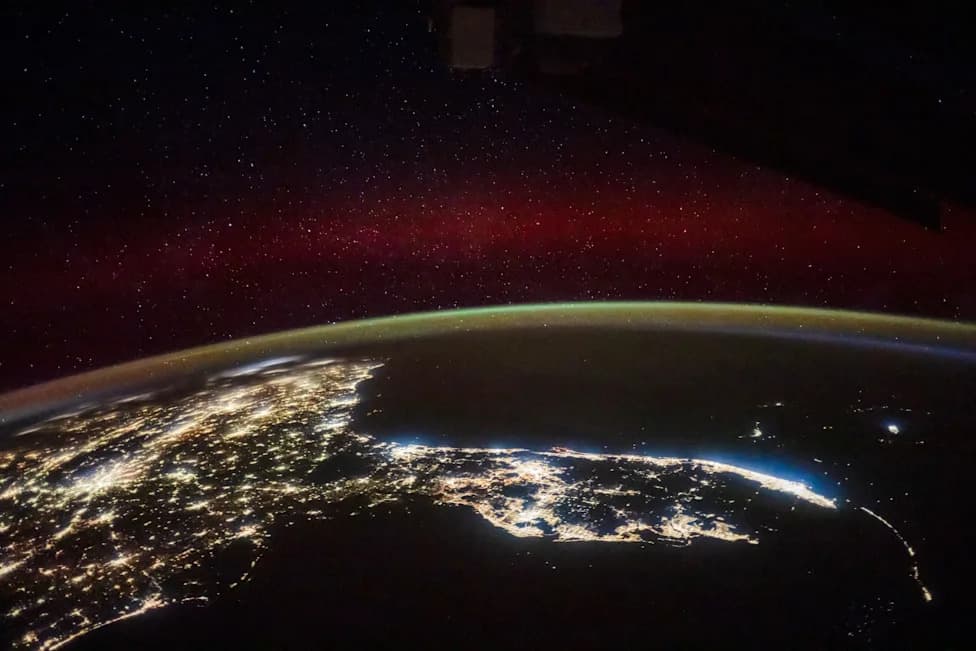
Theoretical warp drives aim to move spacetime rather than a ship, potentially allowing faster-than-light travel. University of Sydney researchers warn that a warp bubble would sweep up interstellar particles and radiation and focus them into intense, blueshifted bursts at the destination. Those bursts could be lethal to anything at the arrival point, even if the ship's occupants remain unharmed. The result is a sobering reminder that safer alternatives or robust containment strategies would be required before any warp-like technology could be used responsibly.
Warp Drive Could Be a Weapon of Mass Destruction, Study Warns
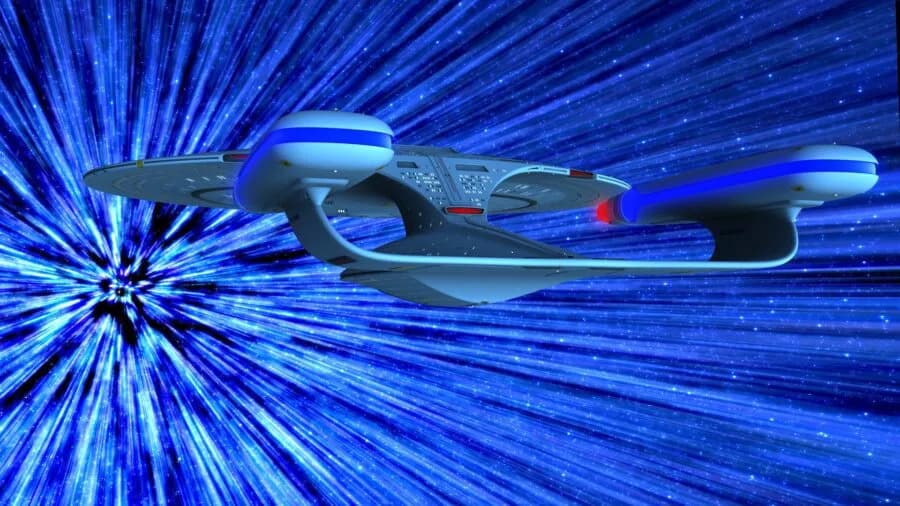
star trek warp drive
Travel between the stars faces a brutal reality: the speed of light limits how fast anything can move through space, so reaching even the nearest inhabited world would take decades with conventional propulsion. Science fiction solved this problem with the idea of a warp drive, popularized by Star Trek, and theoretical physicists have investigated whether such a device might be feasible in principle.
How a Warp Drive Would Work
The basic concept of a warp drive is not to accelerate a ship through space but to manipulate spacetime itself. A vessel inside a so-called warp bubble would remain locally stationary while spacetime ahead of it contracts and spacetime behind it expands, allowing the craft to traverse vast distances effectively faster than light would travel through ordinary space.
The Danger: Swept-Up Particles and Blueshifted Radiation
Researchers at the University of Sydney point out a major, practical problem: interstellar space is not empty. The dark stretches between stars contain low-density gas, dust, and radiation that a moving warp bubble would sweep up and concentrate in regions ahead of and behind the vessel. According to the team, any people at the destination would be gamma rays and high-energy particles blasted into oblivion due to the extreme blueshifts for forward-region particles.
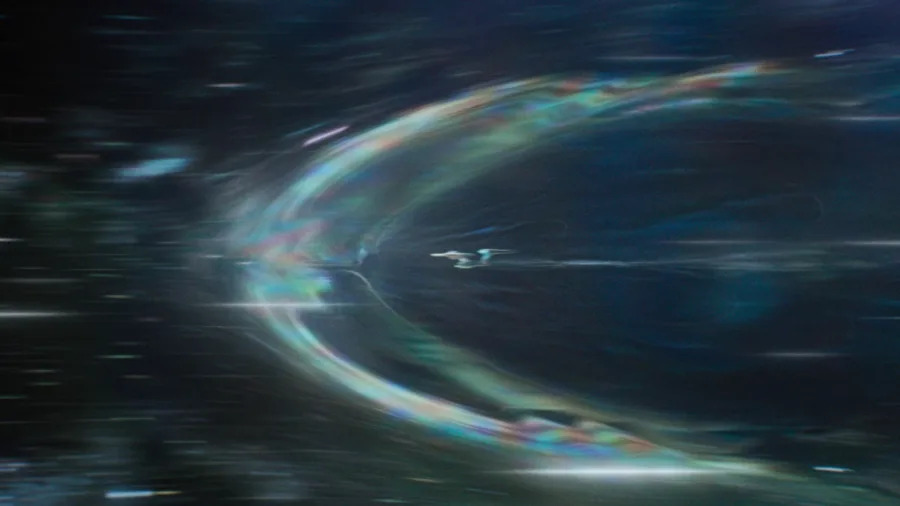
Star Trek’sUSS Enterprisetraveling in a warp bubble.
Any people at the destination would be gamma rays and high-energy particles blasted into oblivion due to the extreme blueshifts for [forward] region particles.
That accumulation of energy might not harm occupants inside the bubble, but it could sterilize a target location on arrival. One suggested mitigation is to aim the ship slightly off-target so the concentrated burst of particles is released into empty space. However, the researchers caution that the particles may be scattered in many directions or produce secondary effects, meaning a simple course correction may not be sufficient.
Implications for Interstellar Exploration
The finding has stark ethical and practical consequences: a propulsion technology meant to enable contact with distant life could instead annihilate any fragile ecosystems or civilizations at the destination. Before any warp-like technology is ever deployed, engineers and policymakers would need robust solutions to contain or dissipate the collected energy safely, or to develop alternative faster-than-light concepts that do not concentrate deadly radiation on arrival.
Bottom line: The warp-drive concept remains an intriguing theoretical idea, but the University of Sydney study highlights a plausible show-stopping hazard that must be addressed if humanity ever hopes to travel — or visit — the stars safely.
Help us improve.