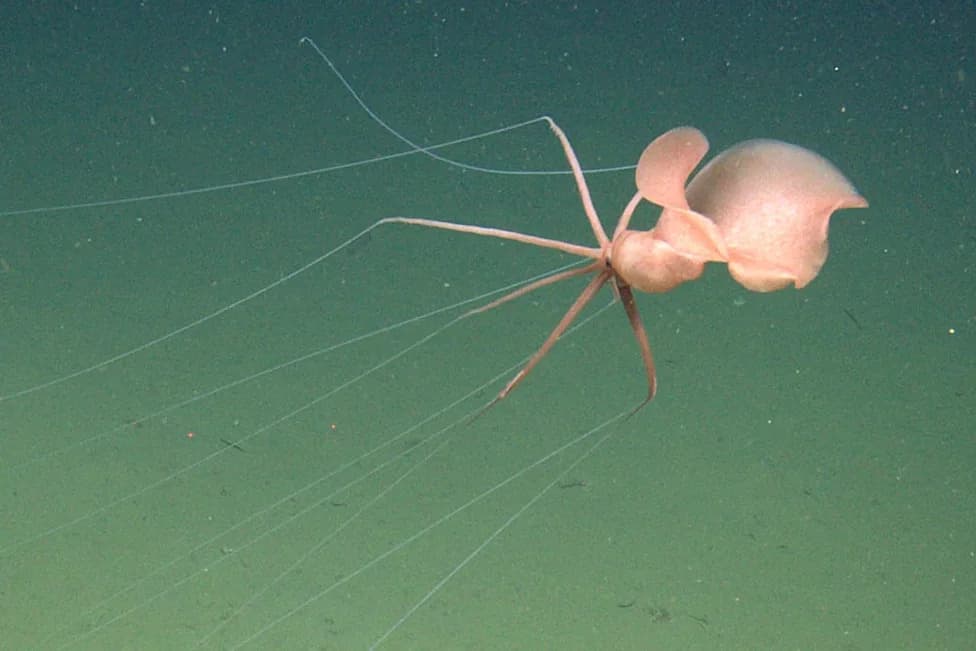
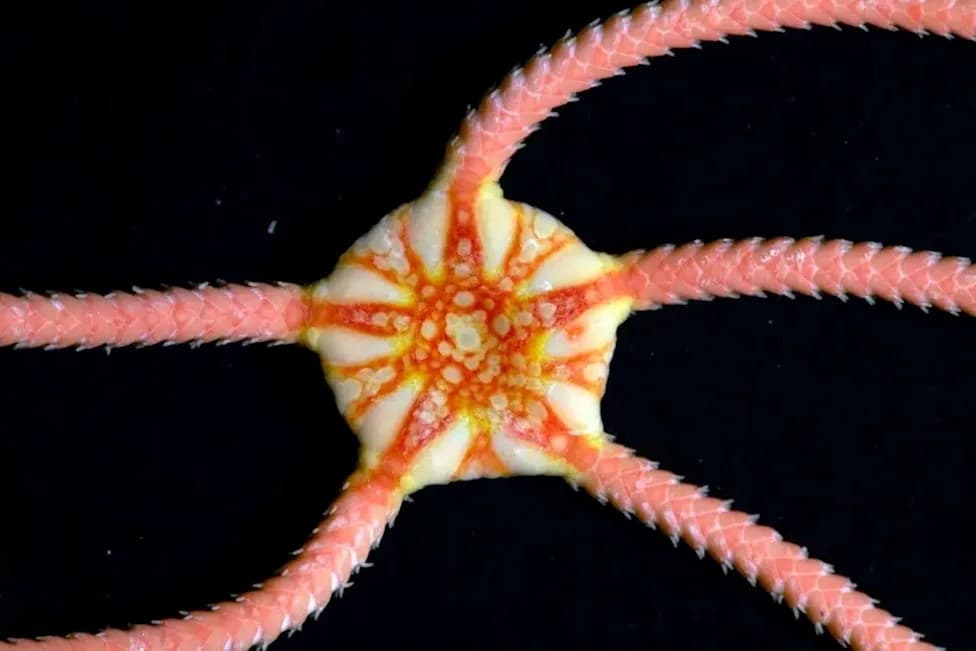
The 2026 study in Environmental DNA reports genetic traces of a giant squid off Western Australia—the first such evidence in more than 25 years. Researchers analysed 178 water samples from five depths and detected DNA from 226 species across 126 families. The team also documented 83 new regional records or range extensions, including first Western Australian detections of the sleeper shark and faceless cusk eel. The findings underscore the power of eDNA to reveal elusive deep‑sea life and guide marine conservation.
Rare Giant Squid DNA Detected Off Western Australia After 25+ Years
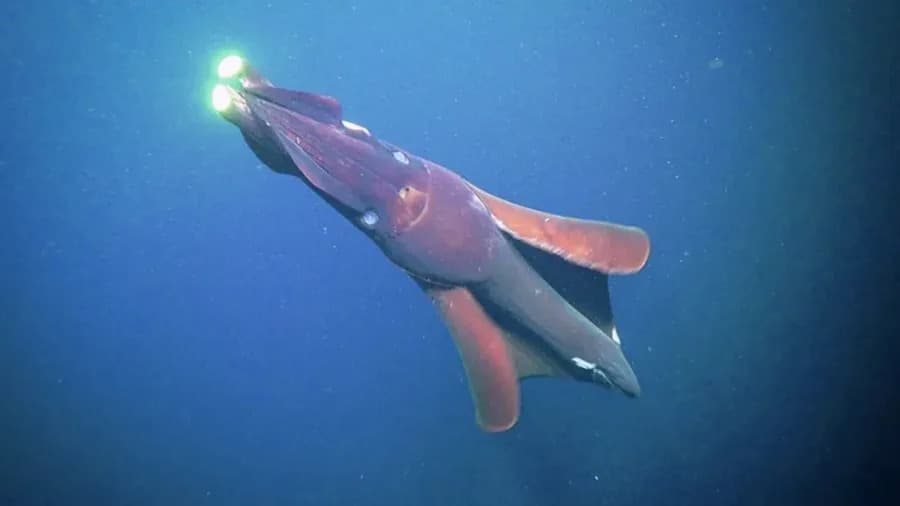
Scientists report genetic evidence of a giant squid in waters off Western Australia for the first time in more than 25 years, according to a 2026 study published in Environmental DNA. The discovery emerged from environmental DNA (eDNA) samples taken during a deep‑sea research expedition along the Ningaloo coast.
Expedition and Methods
The research team collected 178 water samples at five depth levels across the eastern Indian Ocean. Laboratory analysis detected DNA traces from 226 species representing 126 families. Among the genetic signatures identified was material linked to the elusive giant squid (genus Architeuthis), though no live specimen was photographed or captured during the survey.
Notable Findings
Beyond the giant squid signal, researchers recorded 83 species records that were either new to the region or represented notable range extensions. The survey marked the first detections in Western Australian waters of the sleeper shark and the faceless cusk eel, highlighting previously undocumented deep‑sea biodiversity in the area.
'Finding evidence of a giant squid really captures people's imagination, but it's just one part of a much bigger picture,' said study lead author Georgia Nester.
Why This Matters
Giant squid can reach extraordinary sizes—the largest documented specimen measured roughly 43 feet (about 13 meters)—and scientists first captured confirmed video of a live giant squid in its natural habitat in 2012. This study demonstrates how eDNA surveys can reveal rarely seen deep‑sea creatures, improve understanding of species distributions below the ocean surface, and inform conservation and management of offshore ecosystems.
Publication: The study was published in Environmental DNA in 2026.
Help us improve.