Pauline Hanson’s One Nation won its first-ever lower‑house seat when David Farley claimed the rural electorate of Farrer with 59.3% of the two‑candidate preferred vote. One Nation’s first‑preference share jumped to 42%, up sharply from 6.6% at last year’s federal election. Labor did not contest the byelection and retains a 94‑seat majority in the House of Representatives. The Liberal Party said it would reassess policy and strategy after the loss.
Historic Upset: One Nation Wins Its First Lower-House Seat in Farrer Byelection
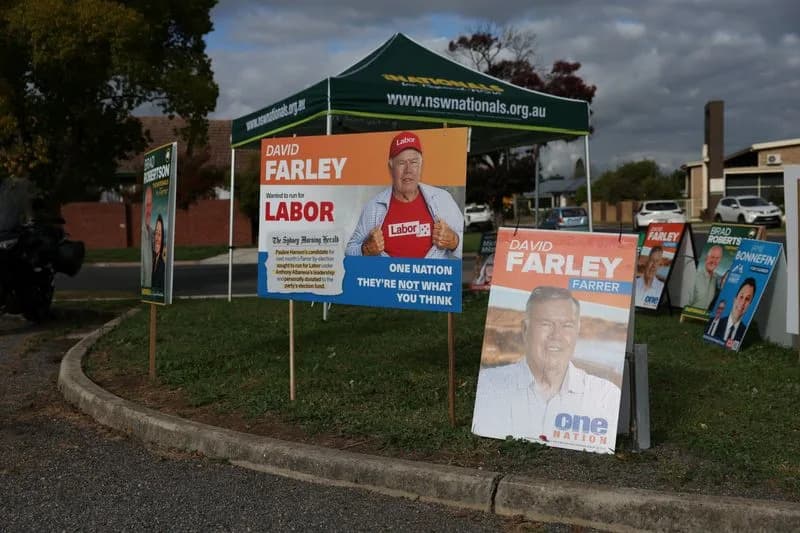
Campaign signs depicting One Nation candidate David Farley are displayed outside a pre-polling centre ahead of the Farrer by-election in Albury, Australia, May 6, 2026. REUTERS/Hollie Adams
SYDNEY, May 9 — Pauline Hanson’s One Nation, a right‑wing populist party, captured its first seat in Australia’s House of Representatives after candidate David Farley won the rural Farrer byelection, according to preliminary counts released on Saturday.
The result represents a significant breakthrough for One Nation and mirrors broader gains by populist parties in other democracies. The Australian Broadcasting Corporation reported that Farley secured 59.3% of the two‑candidate‑preferred vote, unseating the centre‑right Liberal Party in a seat long held by conservatives.
Strong Swing In First‑Preference Support — One Nation recorded 42% of first‑preference votes in Farrer, a sharp rise from the 6.6% the party received at last year’s federal election. The party’s surge in the electorate reflects shifting voter sentiment in some regional areas.
Vacancy And Context — The seat became vacant after Liberal MP Sussan Ley resigned in February. The Labor Party chose not to contest the byelection; Labor still retains a comfortable majority in the lower house with 94 of 150 seats, so the outcome does not alter parliamentary control.
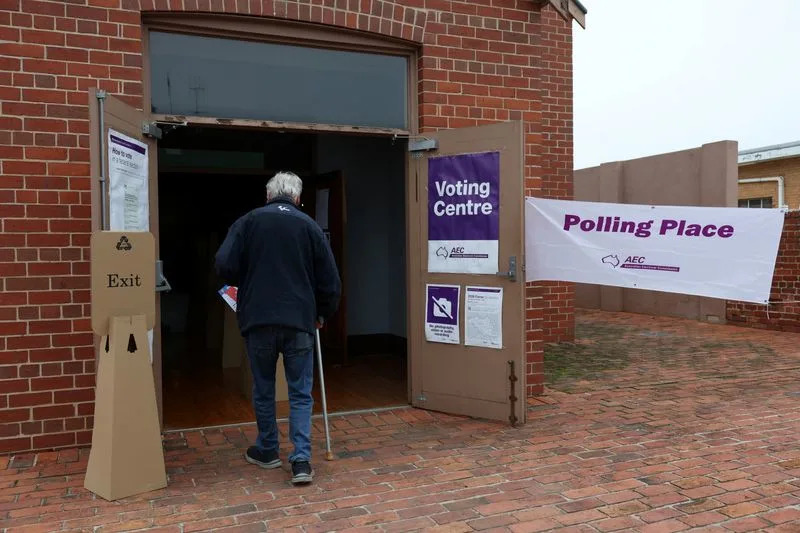
A man enters a pre-polling centre ahead of the Farrer by-election in Corowa, Australia, May 6, 2026. REUTERS/Hollie Adams
Reactions
"We're like a mason with a chisel and we're carving letters into Australia's democracy," Farley said at a televised event after the result was projected. "One Nation has reached the end of its beginning."
Pauline Hanson, the party's founder and a senator, celebrated the win as "a win for Farrer but a bigger win for the nation," saying she was emotionally moved when television projections confirmed victory.
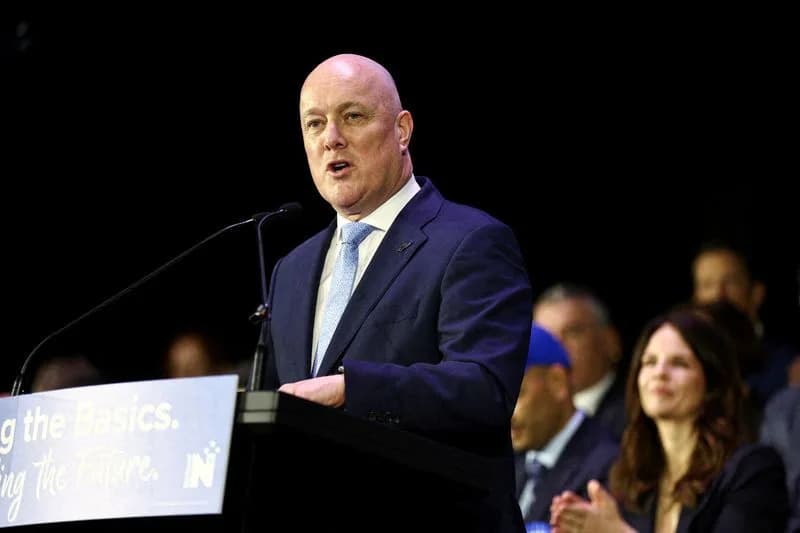
At a separate event, Liberal leader Angus Taylor conceded the byelection posed a steep challenge and signalled introspection within his party. "We have to take away some hard lessons from this," he said, adding the Liberals would reassess their stance on immigration policy.
What This Means — While symbolic for One Nation after roughly three decades since the party's founding, the result does not immediately affect the governing Labor Party's majority. It does, however, underscore volatility in regional electorates and may influence strategic decisions by major parties ahead of future contests.
Help us improve.