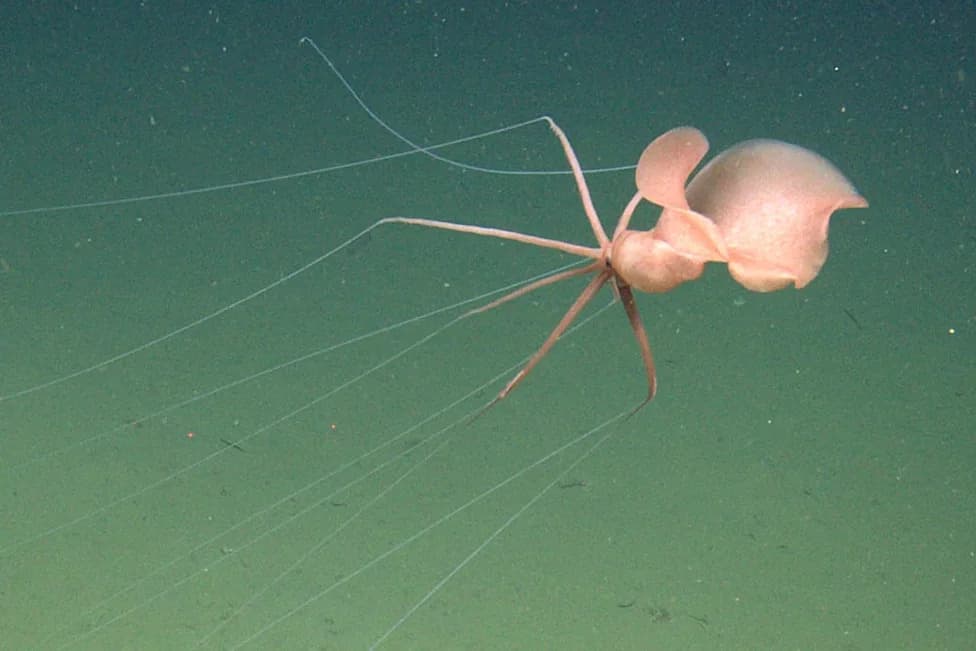
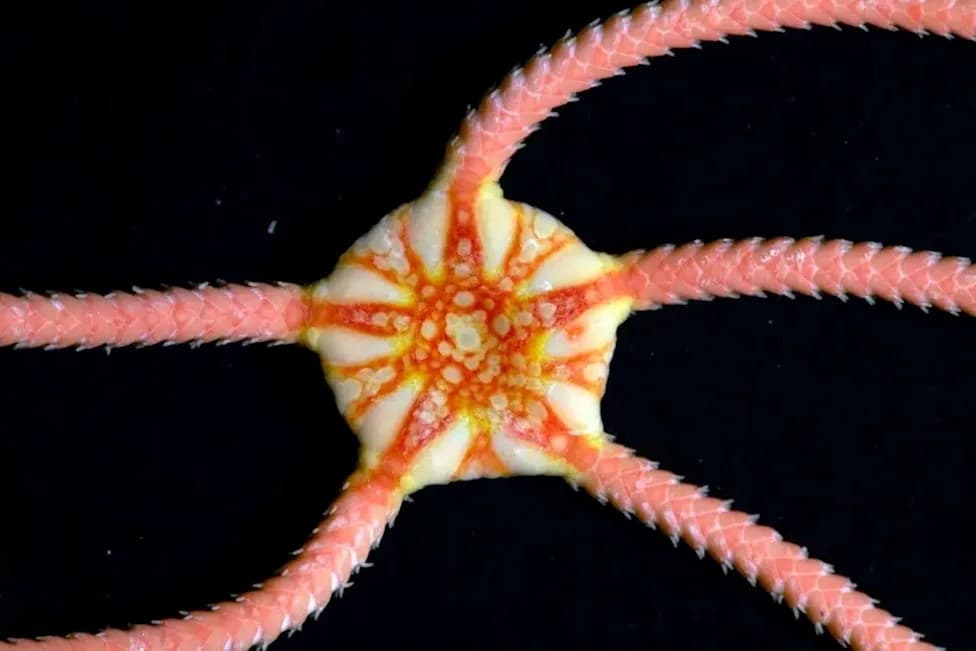
Researchers detected traces of a giant squid off the Ningaloo coast — the first evidence in the region for more than 25 years. The 2026 study led by Dr Georgia Nester used eDNA, ROVs and specimen collection, analyzing 178 water samples down to 4,540 metres. Scientists recorded 226 species from 126 families, with 83 new records or range extensions, including the sleeper shark and faceless cusk eel. The discovery highlights how much of the deep ocean remains unexplored.
Super-Rare Giant Squid Traced Off Western Australia After 25 Years
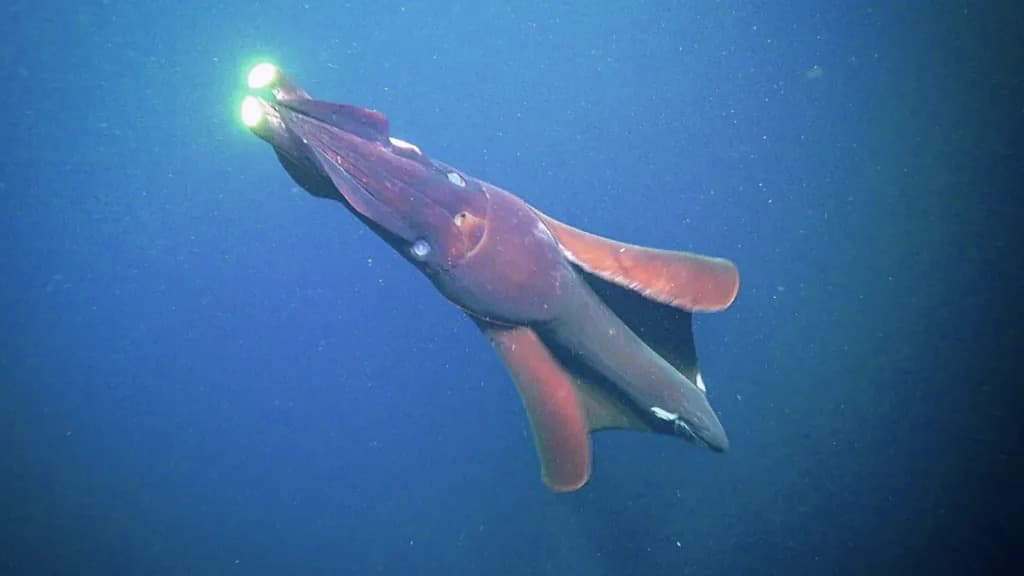
Photo Credit: Schmidt Ocean Institute
Scientists have found fresh evidence of a giant squid in Western Australian waters for the first time in more than 25 years. The discovery came during a deep-sea research expedition off the Ningaloo coast and highlights how much of the ocean remains unexplored.
Researchers detected traces of the giant squid while surveying underwater canyons in the East Indian Ocean, about 750 miles from Perth. The team used environmental DNA (eDNA) alongside traditional sampling methods to identify species living at great depths.
The 2026 study, led by Dr Georgia Nester and published in the journal Environmental DNA, collected 178 water samples from five depth levels, including samples taken from as deep as 4,540 metres. The survey also deployed remotely operated vehicles (ROVs) and collected physical specimens where possible to complement the eDNA results.
Broad biodiversity findings
The research recorded evidence of 226 species from 126 families and documented 83 new species records or range extensions for the region. Notable first regional detections included the sleeper shark and the faceless cusk eel, both recorded in Western Australia for the first time.
"Finding evidence of a giant squid really captures people's imagination," Dr Georgia Nester told WAtoday on May 6.
Dr Lisa Kirkendale of the Western Australian Museum described the result as particularly significant; the New York Times noted this is the first time a giant squid has been detected in that area using eDNA technology. eDNA allows scientists to detect traces of organisms from genetic material left in the water, providing a powerful way to survey deep-sea life that is seldom observed directly.
According to the Smithsonian Ocean, giant squids can reach lengths of up to 43 feet and have eyes as large as pizzas. Despite their size, live sightings are rare because they usually inhabit the deep ocean's twilight zone. The first filming of a live giant squid in its natural habitat occurred in 2012; prior records were mostly of dead or dying individuals brought to the surface.
Researchers say the new findings underscore how little we still know about deep-sea ecosystems and suggest many more unknown species remain to be discovered.
Original report: "Super-Rare Giant Squid Emerges in Western Australia After 25 Years," first published on Mandatory.
Help us improve.