A fresh exchange of fire between US and Iranian forces in the Gulf on Friday weakened hopes for a negotiated peace, even as President Donald Trump insisted the fragile ceasefire was still holding while mediators seek a deal.
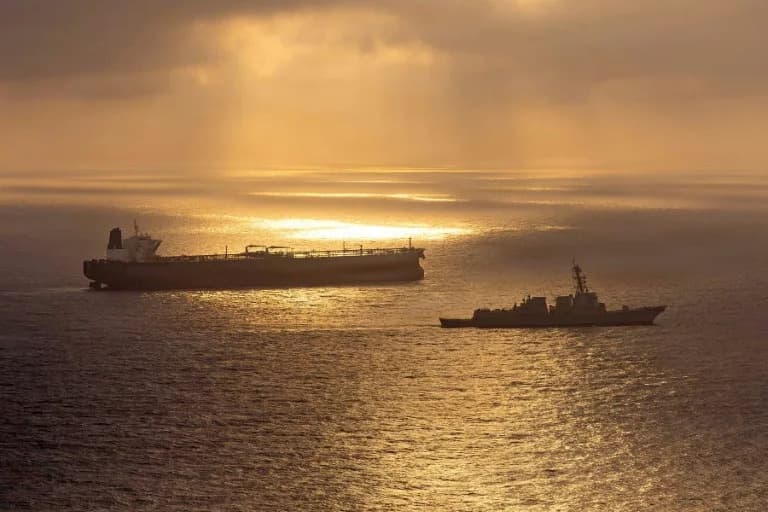
US Central Command said Iranian units launched missiles, drones and small attack boats at three US warships overnight; none were hit. US forces reported they neutralised the incoming threats and carried out retaliatory strikes on land targets inside Iran.
Iran's central military command, Khatam al-Anbiya, offered a different account, saying the confrontation began when US vessels targeted an Iranian civilian tanker bound for the Strait of Hormuz. Tehran also accused US forces and unnamed regional allies of striking civilian areas in Bandar Khamir, Sirik and Qeshm island.
Markets and Maritime Traffic: The exchange of fire rattled world markets and pushed oil prices higher after earlier gains on hopes that a Pakistani-mediated process could extend the April 8 ceasefire and produce a negotiated settlement. According to the UN International Maritime Organization, roughly 1,500 ships and about 20,000 international crew remain in the Gulf region because of the conflict.
Statements And Immediate Responses
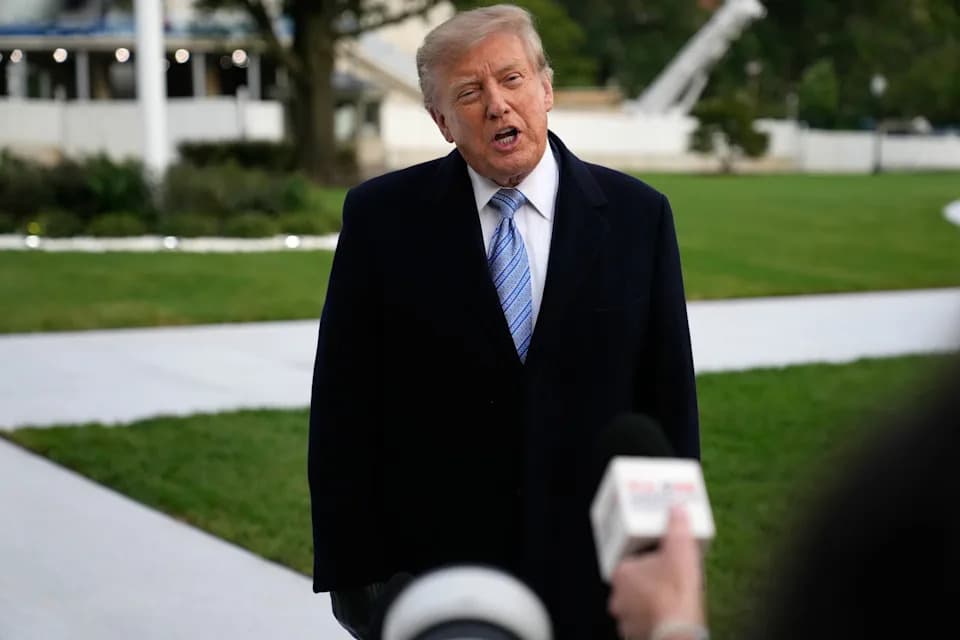
Asked in Washington whether the ceasefire was still holding, President Trump replied:
"Yeah, it is. They trifled with us today. We blew them away. They trifled. I call that a trifle."
He later warned on his social platform that the US could take tougher action if a deal is not finalised.
The United Arab Emirates said it had intercepted a wave of drones and missiles it attributes to Iran. Tehran denied carrying out a recent attack on the UAE's Fujairah oil terminal, though Iranian state media have aired commentary suggesting Emirati involvement in strikes on Iranian targets.
Diplomatic Stakes And Regional Fallout
Iran said it would communicate its position to mediator Pakistan after "finalising its views," while Pakistani Prime Minister Shehbaz Sharif had expressed optimism before the clashes that the ceasefire could become long-term.
Any US–Iran agreement could also ease tensions in Lebanon, where a separate truce has been strained after an Israeli strike in southern Beirut killed a Hezbollah commander. Lebanon was drawn further into the broader conflict when Hezbollah launched rocket attacks at Israel in retaliation for an earlier, high‑profile killing that helped escalate the war.
Outlook: The incident in the Strait of Hormuz underscores the fragility of the current truce and the narrow diplomatic window to secure a lasting agreement. Renewed fighting risks further disruption to maritime trade and wider regional instability.