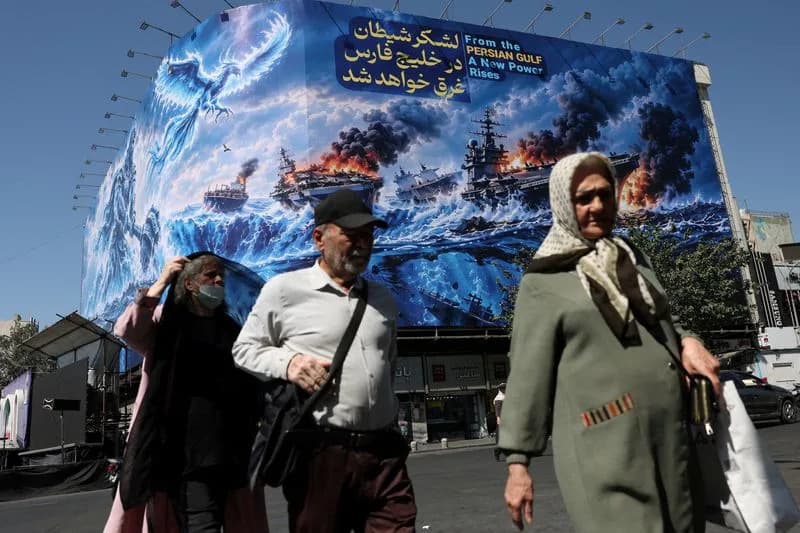
Iran Is Reviewing A US Peace Memorandum. Reports say a 14-point US draft would pause Iran’s uranium enrichment for 12 years in exchange for lifting US sanctions and releasing frozen assets, and both sides would reopen the Strait of Hormuz within 30 days. Tehran says it will first prioritise ending hostilities, sanctions relief and UN guarantees; nuclear issues and the fate of Iran’s enriched-uranium stockpile are likely to be negotiated in a later phase.
How a US Peace Proposal Could End the Iran Conflict — And Will Tehran Accept It?
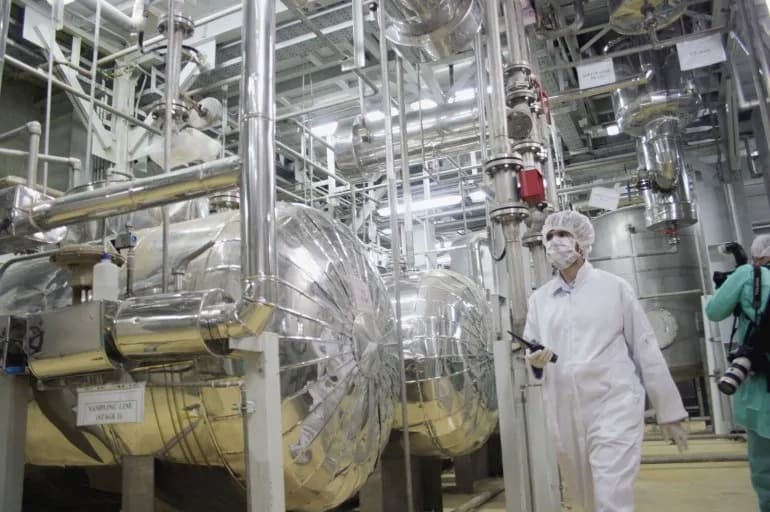
A worker walks inside of an uranium conversion facility on March 30, 2005 just outside the city of Isfahan, about 254 miles (410 kilometers), south of capital Tehran, Iran. President wants Iran to end its nuclear programme [File: Getty Images]
Iran said on Wednesday it is reviewing a US-drafted peace memorandum that sources say could formally end the conflict, while leaving unresolved major US demands such as curbs on Tehran’s nuclear programme and control of the Strait of Hormuz.
What the US Draft Would Do
US media reports describe the draft as a 14-point memorandum. According to those accounts, the memo would:
- Require Iran not to seek a nuclear weapon and to suspend uranium enrichment for at least 12 years;
- Oblige the United States to lift selected sanctions and release billions of dollars in frozen Iranian assets;
- Call for both sides to reopen the Strait of Hormuz within 30 days of signing, ending rival blockades;
- Trigger a 30-day window of detailed talks to negotiate a comprehensive agreement once a preliminary memorandum is signed.
Who’s Mediating and Negotiating
Reuters cited sources saying Pakistan is acting as a mediator. The US negotiating team has been reported to include President Trump’s envoy Steve Witkoff and Jared Kushner. Pakistani officials have said they will not disclose details to preserve trust on both sides.
Major Sticking Points
Several long-standing demands Washington has previously made — including limits on Iran’s missile programme and an end to support for regional proxy groups — were not mentioned in the initial reporting on the draft. The memo also reportedly omits reference to Iran’s existing enriched-uranium stockpile, estimated at roughly 400–440 kg of material enriched up to 60%.
“They want to make a deal. We’ve had very good talks over the last 24 hours, and it’s very possible that we’ll make a deal,” President Donald Trump told reporters.
How Iran Has Responded So Far
Tehran has not yet issued a formal response. Iranian officials have publicly pushed back: Ebrahim Rezaee, a spokesman for parliament’s foreign policy and national security committee, called the text “more of an American wish-list than a reality.” Parliament Speaker Mohammad Bagher Ghalibaf mocked reports of a deal on social media.
Al Jazeera correspondents reporting from Tehran say Iranian leaders want to prioritise ending hostilities, securing sanctions relief and obtaining direct guarantees from the UN Security Council before negotiating nuclear details. Some Iranian officials insist nuclear enrichment is a “very firm red line.”
Expert Views and Technical Options
Former US Assistant Secretary of State Mark Kimmitt told reporters that a US demand for Iran to halt all enrichment would be unrealistic; he argued Iran would insist on the right to enrich at low levels (around 3.67%), a threshold consistent with the 2015 nuclear accord. Kimmitt also suggested Iran might agree to move its existing enriched material abroad or dilute it to lower enrichment levels — though Iranian sources report resistance to surrendering or exporting stockpiles.
Implications
If implemented, a memorandum that pauses enrichment and reopens shipping lanes could reduce the immediate risk to global energy markets and lower tensions in the Gulf. But major obstacles remain: unresolved issues over missile capabilities, regional influence, and the fate of Iran’s enriched uranium stockpile make a final, comprehensive settlement far from guaranteed.
Note: Some reports referenced in this article attribute claims about strikes and battlefield developments to source reporting and official statements. Where events are contested, this piece retains attribution rather than asserting a single uncontested version.
Help us improve.