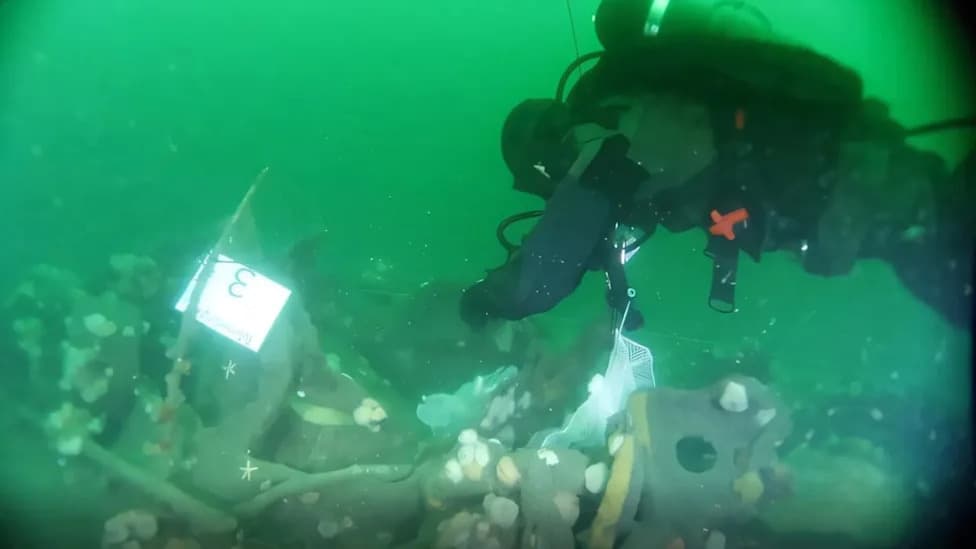
Using sonar and ROVs paired with archival research, scientists documented two WWII shipwrecks off Attu Island: the Japanese transport Kotohira Maru, sunk by U.S. B-24 bombers and resting nearly 300 feet deep, and the U.S. cable ship SS Dellwood, which struck a submerged pinnacle and now lies flattened about 115 feet down. The survey, published in Heritage, is the first systematic study of Attu’s submerged wartime sites and highlights both military logistics and the displacement of the indigenous Unangan people.
Two WWII Shipwrecks Found Off Attu: Sonar and Drones Reveal Kotohira Maru and SS Dellwood
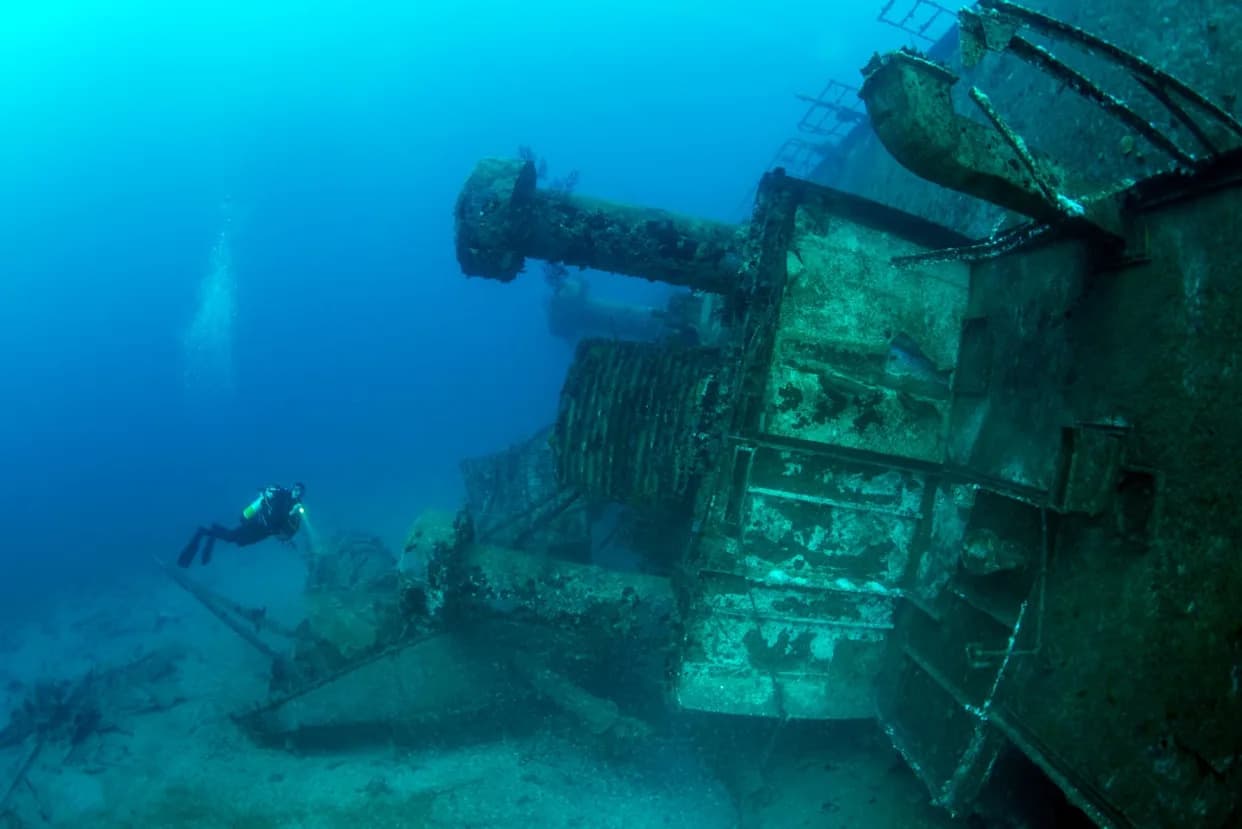
Archaeologists Found Two Sunken World War II ShipsGerard Soury - Getty Images
Researchers diving into the Bering Sea have located and documented two World War II–era shipwrecks off Attu Island in the Aleutians. Using high-resolution sonar, remotely operated vehicles (ROVs) and archival records, the team conducted the first systematic survey of Attu’s submerged cultural heritage and identified the Japanese transport Kotohira Maru and the U.S. cable ship SS Dellwood. Their findings are published in the journal Heritage.
Kotohira Maru: A Transport Sunk By Bombing
The Kotohira Maru was a 6,101-ton, coal-fired cargo vessel built in 1918 by Osaka Iron Works Ltd. After service supporting operations in Burma (now Myanmar), it operated in northern waters and was dispatched to resupply Japanese forces on Attu. On Jan. 5, 1943, while rounding Attu’s northeastern corner en route to Holtz Bay, the unescorted transport was spotted and attacked by U.S. B-24 Liberator bombers. A 500-pound bomb struck the ship, and it sank to nearly 300 feet, taking an estimated 30–50 crew with it.
Guided by wartime pilot reports, investigators located the wreck largely intact and upright on the seabed. Sonar and ROV imagery revealed a detached, heavily damaged bow consistent with a forward bomb strike, and clearly visible features such as cargo hatches, a steam engine, a scotch boiler and the vessel’s counter stern.
SS Dellwood: Struck A Pinnacle, Later Demolished
The SS Dellwood began life as a cable ship in 1919 and was transferred to the U.S. Maritime Commission shortly after Pearl Harbor. After the U.S. recaptured Attu in May 1943, the Dellwood arrived in July to lay cable linking the island’s command post to a new airfield on Shemya. While working near Alexai Point at the entrance to Massacre Bay, the vessel struck an uncharted submerged pinnacle. Salvage crews removed valuables, but the ship later sank.
Survey teams found the Dellwood flattened on the seafloor about 115 feet down, its debris field scattered across the bottom. Postwar demolition—likely carried out to clear the harbor—has left much of the wreck unrecognizable, though distinct cable-laying machinery remains visible in the imagery.
“While neither Kotohira Maru nor SS Dellwood were directly involved in the Battle of Attu,” the authors write, “the presence of both wrecked vessels represents critical aspects of the war effort that extend beyond those three weeks in May 1943.”
Historical Context And Cultural Significance
Japan’s occupation of Attu and nearby Kiska in June 1942 displaced the indigenous Unangan people. The wreck of the Kotohira Maru is tied to the broader logistics and movements that accompanied that occupation, while the SS Dellwood reflects the U.S. military buildup that prevented the immediate return of island residents. Documenting these sites helps illuminate wartime activity in one of World War II’s least-studied theaters.
Why This Matters
Combining archival records with modern underwater technologies allowed researchers to reconstruct the final moments of both ships and to record currently at-risk submerged cultural resources. The survey provides valuable data for cultural resource managers, historians and the public, and underscores the importance of preserving maritime heritage even in remote, harsh environments like the Bering Sea.
Help us improve.