Senior Israeli security officials
Israeli Security Officials Warn Settler Violence Could Ignite Uprising As Attacks And Outposts Rise
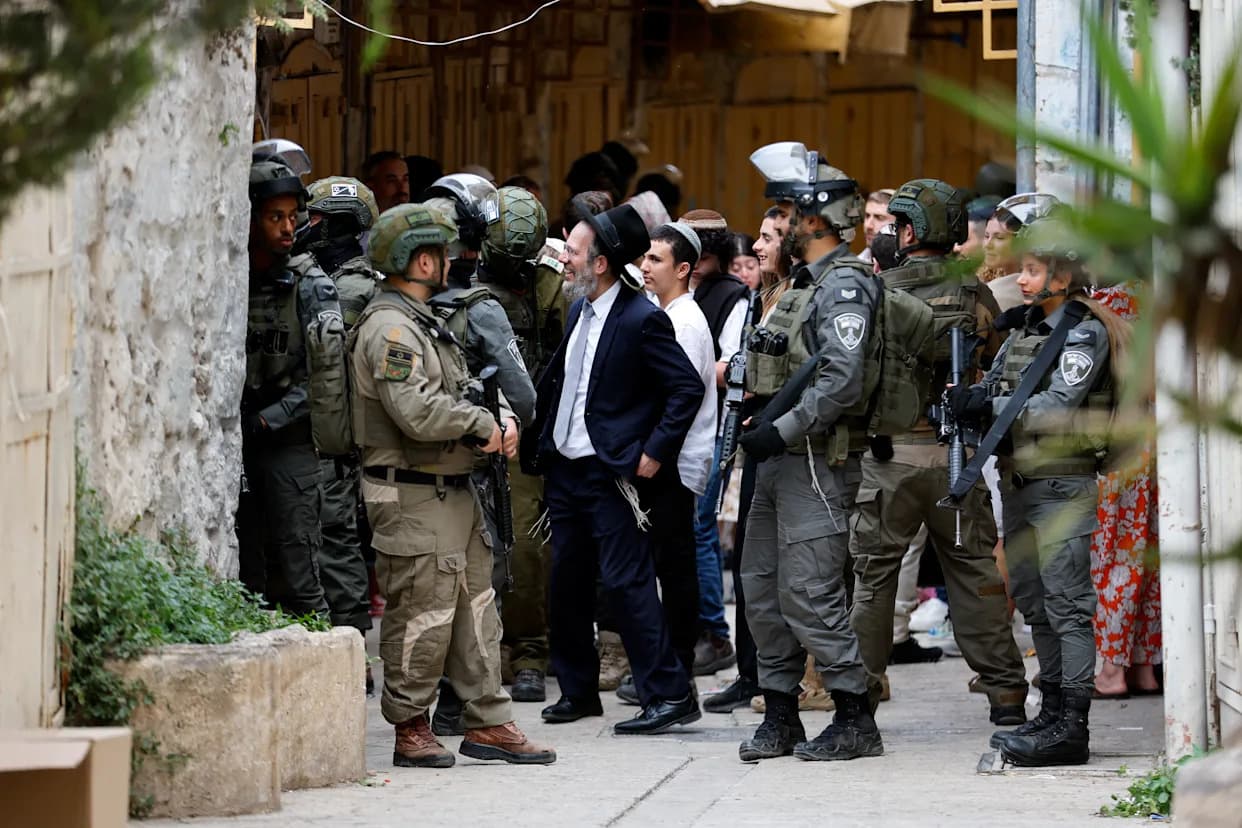
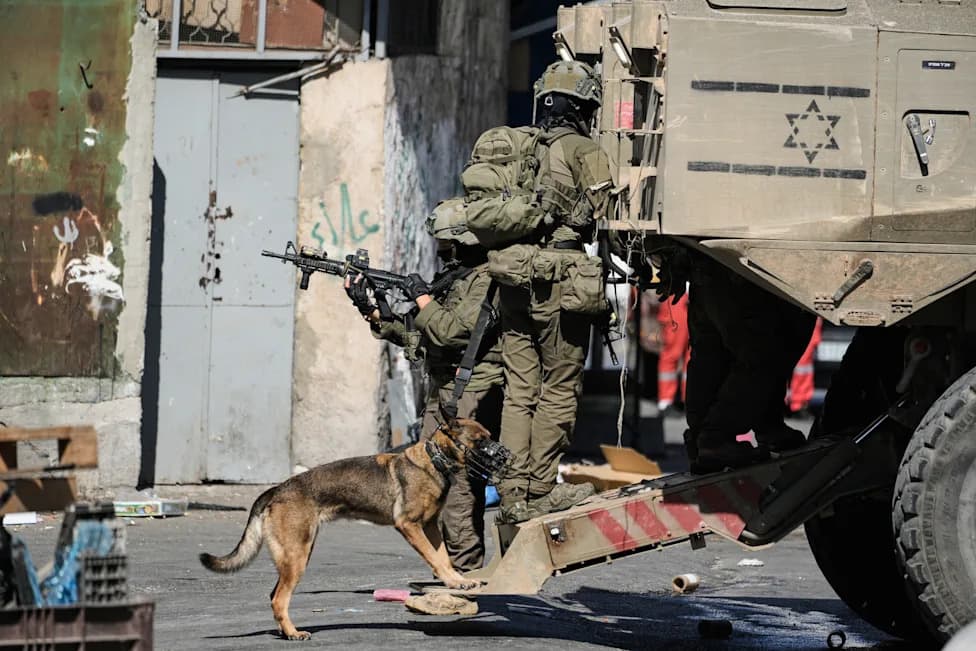
Israeli soldiers stand guard during a weekly settlers' tour in Hebron, the Israeli-occupied West Bank, on May 2, 2026 [Mussa Qawasma/Reuters]
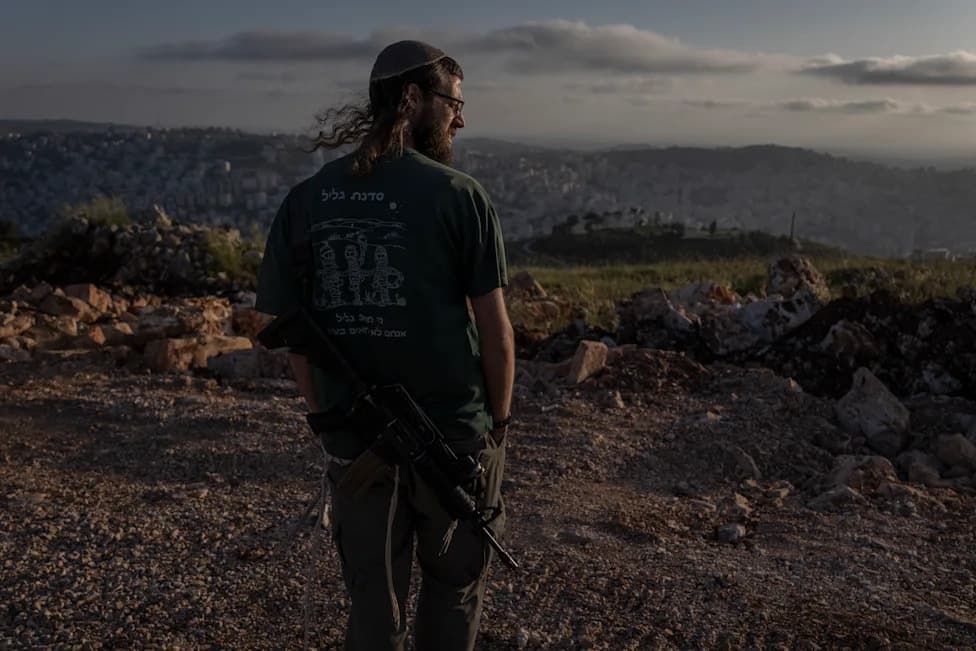
This week produced an uncommon moment of public alarm within Israel’s security establishment as senior officials warned that growing settler violence in the occupied West Bank risks provoking a wider Palestinian uprising. At the same time, incidents on the ground — new outposts, attacks, demolitions and military operations — continued to spread.
Security Warnings
Major-General Avi Bluth, commander of Israeli forces in the West Bank, told a closed forum that an escalation in settler attacks could trigger an uprising and described some settler conduct as "a disgrace to the Jewish people," according to Israeli media. Former Mossad director Tamir Pardo, who visited Palestinian communities affected by settler attacks, said the scenes reminded him of historic anti-Jewish violence and left him "ashamed to be Jewish," Channel 13 reported.
Settler Violence And New Outposts
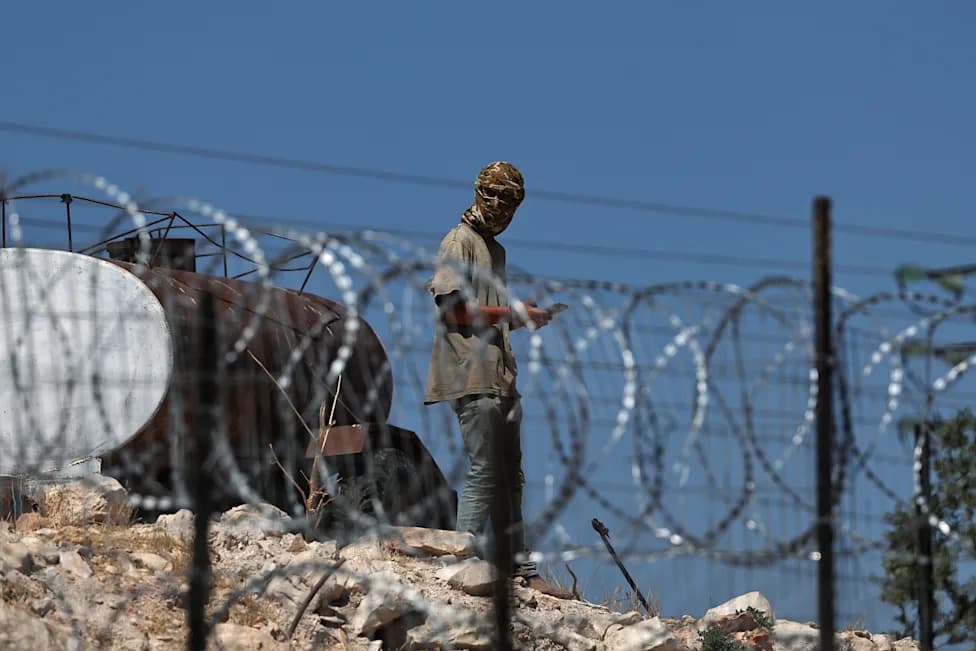
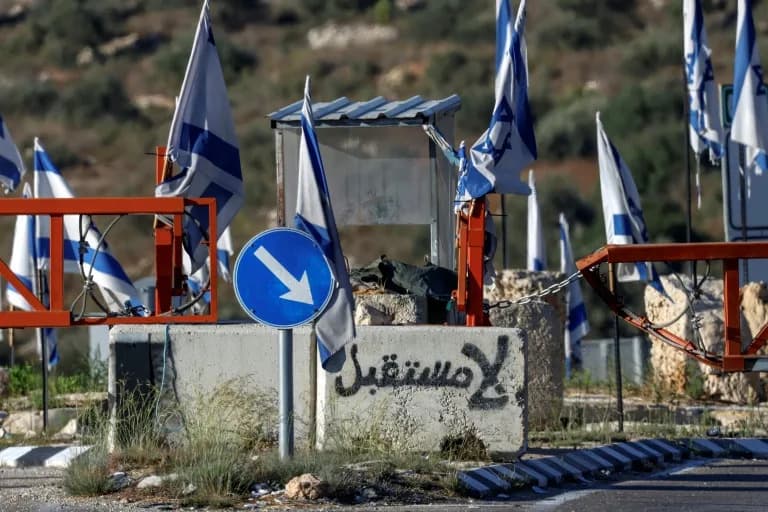
Despite those warnings, settler attacks and land grabs continued. Reports from Palestinian activist networks and local sources detail multiple incidents: a new illegal outpost in the Umm al-Jarb area of Beita (south of Nablus); the re-establishment of an outpost in Jaloud, near Nablus, with settlers reportedly occupying a Palestinian-owned house; and road closures and attacks in Yatta, Deir Jarir and other West Bank towns.
Israeli Forces' Actions And Civilian Impact
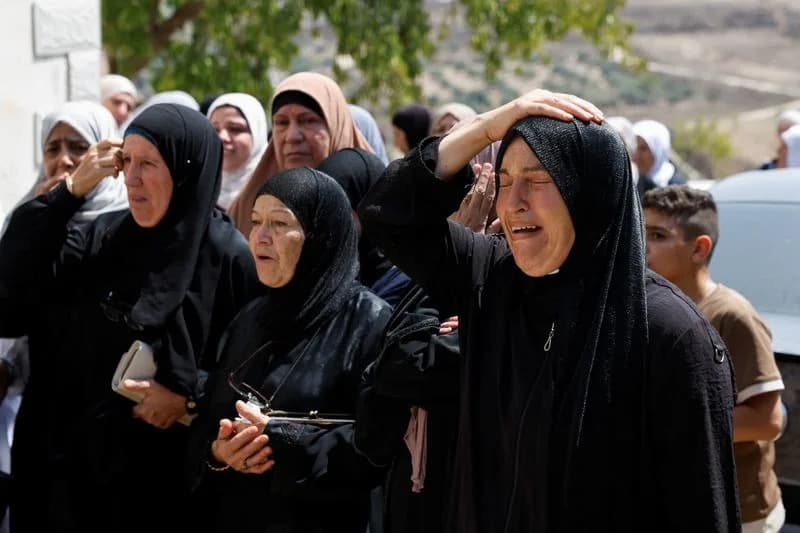
Israeli forces also undertook operations that affected Palestinian civilians and infrastructure. On April 29, activists said Israeli forces shot dead a 16-year-old, Ibrahim Abd al-Khayat, in Hebron during a raid. On May 3, Nayef Samaro was killed in Nablus. Local activists reported that on May 4 Israeli forces demolished a two-storey house in Deirat east of Yatta, displacing four families (about 25 people).
In Sinjil, agricultural roads were bulldozed, isolating farmland while enabling settler movement near an outpost. Local activists also shared an order signed by Major-General Bluth seizing roughly 11 dunams (about 1.1 hectares) near Khirbet Main in the Southern Hebron Hills for military use.
Haaretz reported that a drunken Israeli reservist from a nearby illegal outpost fired military-issued rounds at homes in the Arroub refugee camp; the military called the incident "serious" but offered few details on follow-up actions.
Economic Pressure
On the economic front, Israeli Finance Minister Bezalel Smotrich confirmed to Israeli media that he withheld April’s clearance revenues for the Palestinian Authority — about 740 million shekels (roughly $249 million) — continuing a yearlong policy that officials say has left the PA in dire financial straits. Major-General Bluth reportedly advised the cabinet that releasing the funds could help lower tensions in the West Bank.
Naval Interception Of Flotilla
In international waters near Greece, the Israeli navy intercepted vessels from the Global Sumud Flotilla — a reported 58-ship convoy of international activists attempting to breach Israel’s naval blockade of Gaza. Authorities detained about 175 activists from more than 20 boats. Organisers alleged that Israeli forces damaged engines and navigation equipment, leaving vessels vulnerable to an approaching storm; Israel said the operation was conducted "peacefully and without casualties" and within international law.
Gaza Strikes And Humanitarian Crisis
Strikes in Gaza continued throughout the week. The Palestinian news agency Wafa and local sources reported several fatalities: a nine-year-old east of Khan Younis (April 28); paramedic Ibrahim Saqr near Gaza City (April 29); three people near the Kuwait Roundabout in Gaza City (April 30); and at least one person in the Bureij refugee camp after a drone strike on May 4.
Local tallies cited in reporting state that, as of May 4, 828 Palestinians in Gaza had been killed and more than 2,342 injured since the October "ceasefire" with Hamas. Monitoring groups and local sources also report that more than 72,600 Palestinians have been killed across the wider conflict period since October 7, 2023.
The humanitarian situation remains acute. The UN Office for the Coordination of Humanitarian Affairs (OCHA) reported on May 1 that Gaza’s operational capacity is deteriorating as vehicles and generators fail, undermining power supply and basic services. Gaza’s Ministry of Health warned that roughly 86 percent of laboratory and blood-bank supplies are at zero stock, threatening surgeries and emergency care.
Politics, Maps And Possible Military Decisions
Israel’s security cabinet convened this week to discuss next steps amid military pressure after Hamas rejected full disarmament as demanded by Israel. Hamas submitted a counterproposal linking weapons issues to a broader framework toward a Palestinian state, an end to territorial expansion in Gaza and increased humanitarian aid. Reuters reported that Israel issued new maps in mid-March expanding a restricted zone inside Gaza to nearly two-thirds of the Strip, raising concerns about the safety and movement of displaced civilians.
International And Legal Observations
The widening gap between warnings from senior security figures and the continued expansion of settler activity, demolitions and military operations has drawn domestic and international attention. Humanitarian, legal and diplomatic implications are likely to shape regional dynamics in the coming weeks.
Help us improve.