
The Eta Aquariids — debris from Halley’s Comet — peak around May 4–6, 2026, with an especially good viewing window near 4 a.m. local time on May 5. Southern Hemisphere observers could see up to ~60 meteors/hour, while Northern Hemisphere rates are nearer ~10/hour, with lunar glare from a waning gibbous Moon. The shower persists and fades through about May 27–28, so there are multiple opportunities to watch.
Look Up: Eta Aquariids From Halley’s Comet Peak May 4–6 — Best Viewing Around 4 a.m. on May 5, 2026
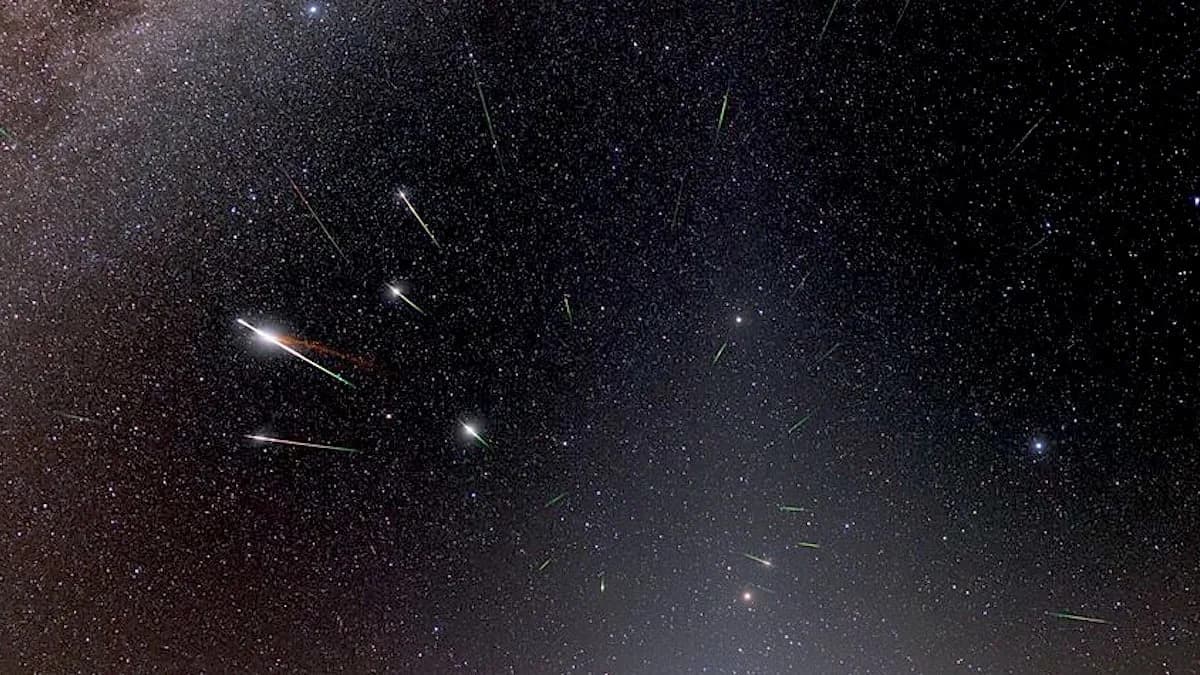
The Eta Aquariid meteor shower is the third strongest of the year. (ESO/P. Horalek)
Spring is a great time to head outdoors and catch the bright, fast meteors of the Eta Aquariids as Earth passes through dust left by Halley’s Comet (1P/Halley). The shower reaches peak activity around May 4–6, 2026, with an especially favorable window near 4:00 a.m. local time on May 5, according to the American Meteor Society.

YouTube Thumbnail
Where And When To Watch
Observers in the Southern Hemisphere will have the best view this year: the shower’s radiant climbs high overhead and rates could reach roughly 60 meteors per hour under dark skies. In the Northern Hemisphere the display is more modest — expect around 10 meteors per hour — and a waning gibbous Moon around the peak will wash out many faint streaks.
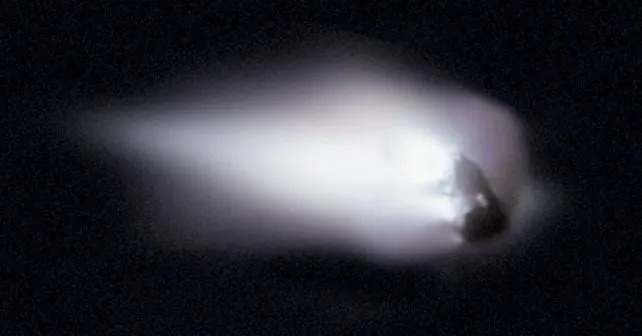
Halley's Comet, imaged here by the spacecraft Giotto, last appeared in Earth's sky in 1986. (NASA/ESA/Giotto Project)
Timing Tip
The optimal time is during the pre-dawn hours when the radiant near the constellation Aquarius is highest. The American Meteor Society cites about 4 a.m. local time on 5 May 2026 as a strong viewing moment, but good rates often occur during the hours before dawn on surrounding nights as well.

Subscribe to ScienceAlert's free fact-checked newsletter
How The Moon Affects Viewing
The waning gibbous Moon will still be in the sky at peak, but because Aquarius rises after midnight while the Moon heads toward the western horizon before dawn, you can reduce lunar glare by turning your back to the Moon or placing a large object (tree, building, hill) between you and the Moonlit horizon. The Moon sets around dawn, and its impact lessens later in the month.
What Causes The Eta Aquariids?
The Eta Aquariids are produced by dust and small particles shed along Halley’s orbital path. As comets approach the Sun, subsurface ices heat and sublimate, releasing gas and entrained dust. When those particles enter Earth’s atmosphere they heat up and ionize, creating bright streaks — meteors — that appear to radiate from a single point in the sky (the radiant), which for this shower lies near Aquarius.
How To Maximize Your Chances
- Find a dark, open sky with a wide view of the horizon — away from city lights if possible.
- Give your eyes 20–30 minutes to adapt to the dark.
- Lie back on a reclining chair or blanket and look toward, but not directly at, the radiant to catch longer, faster streaks across a broader area of sky.
- Block the Moon if needed by turning away or using an obstruction to reduce glare.
Timing Beyond The Peak
The Eta Aquariids remain active and gradually fade through late May — roughly until May 27–28 — so if you miss the peak you’ll still have chances to spot meteors later in the month. Upcoming showers include the Southern Delta Aquariids and Alpha Capricornids in July, and the Northern Hemisphere’s spectacular Perseids, which peak on the new Moon of 12–13 August for exceptionally dark skies.
Quick Reminder: Clear skies, patience, and dark-adapted eyes are the keys to a memorable meteor-watching experience.
Help us improve.





















