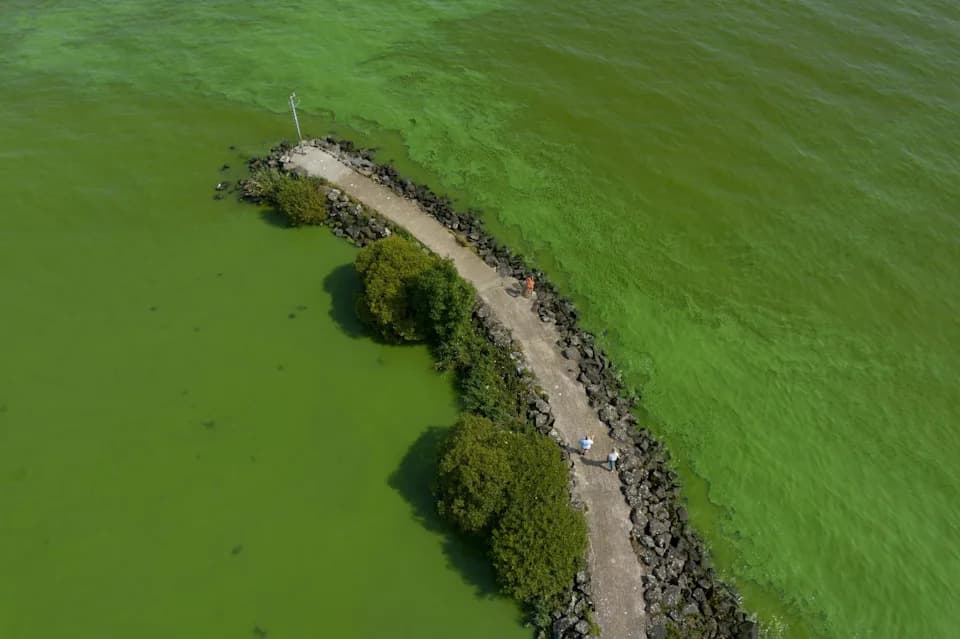
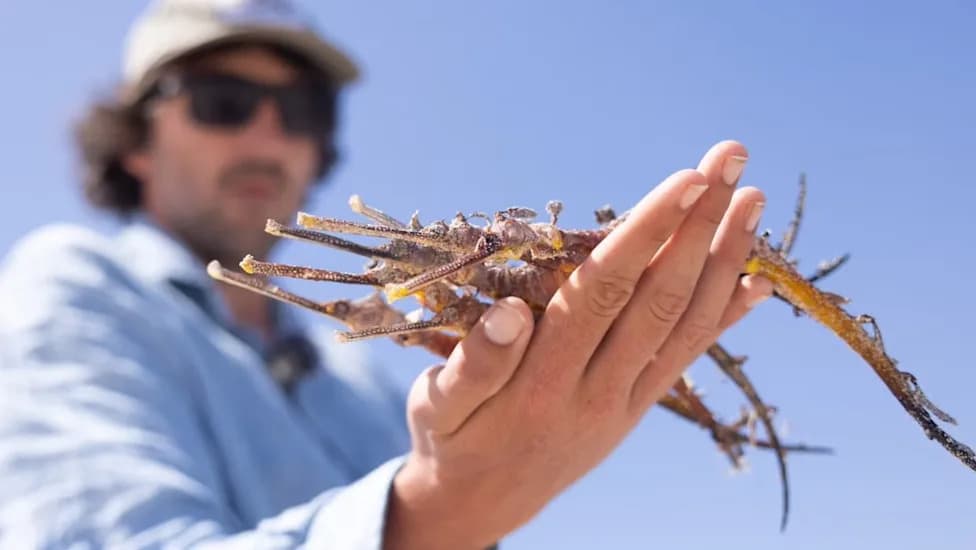
University of Miami scientists published a study in PNAS Nexus showing that the major 2011 North Atlantic sargassum bloom likely began off West Africa rather than in the Sargasso Sea. The finding could improve forecasts of future blooms that disrupt fisheries, tourism and coastal ecosystems. Agencies warn 2026 may be another major — possibly record — sargassum year. While a beach nuisance, sargassum is also an important nursery habitat for many marine species.
Study Finds 2011 Atlantic Sargassum Bloom Likely Originated Off West Africa — Could Improve Forecasts
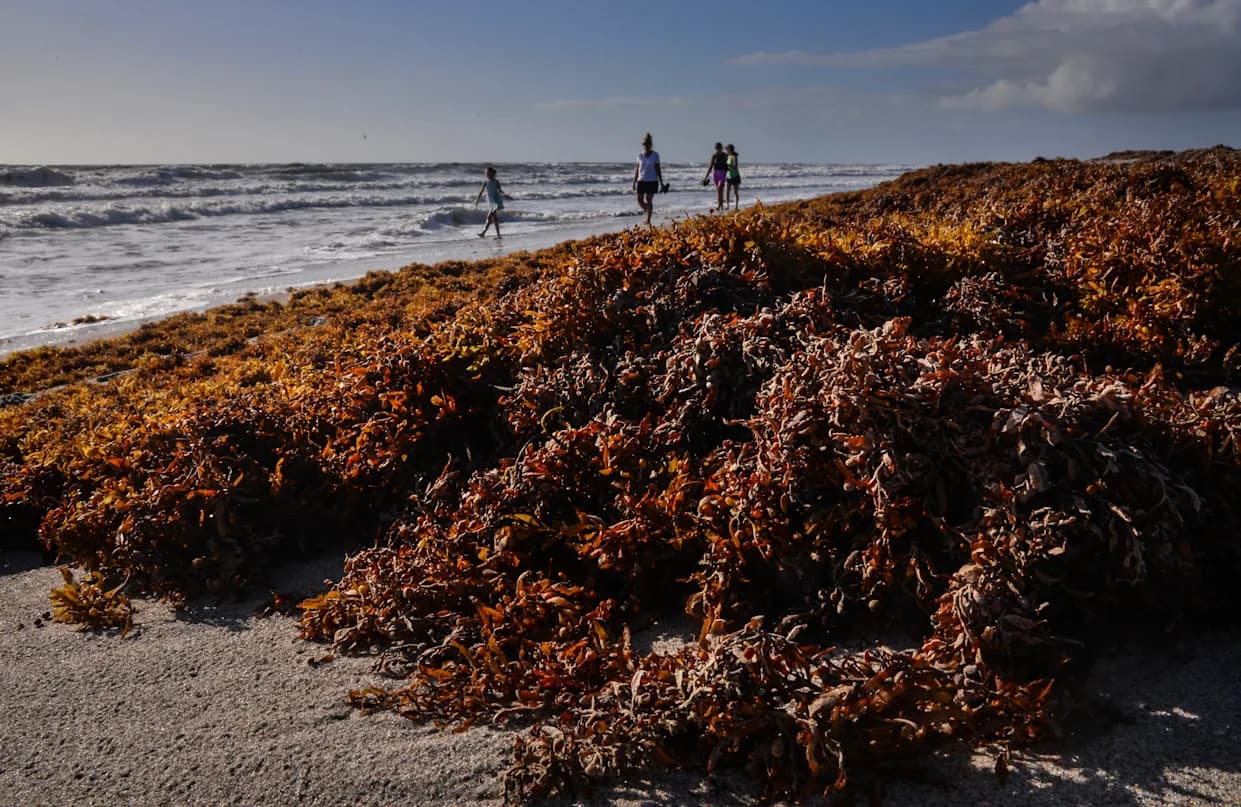
New understanding of sargassum origin may help predict where it'll go
Researchers at the University of Miami report new evidence that the first major recorded North Atlantic sargassum bloom in 2011 likely originated off the coast of West Africa rather than in the Sargasso Sea. Their findings, published in PNAS Nexus in March, reshape scientists' understanding of where the Great Atlantic Sargassum Belt begins and may help improve forecasting of future blooms.
Evidence Points East
The study, led by Francisco Beron-Vera of UM's Rosenstiel School, uses observational and modeling analyses to trace the 2011 bloom to the eastern tropical Atlantic. "Our results provide strong evidence that these blooms begin in the eastern tropical Atlantic, not in the Sargasso Sea as previously thought," Beron-Vera said. Co-author María Josefina Olascoaga noted that knowing the source region could make it easier to predict when and where blooms will develop and travel.
Widespread Impacts
Since 2011, "vast accumulations of floating sargassum known as the Great Atlantic Sargassum Belt" have appeared across the tropical Atlantic, affecting coastal ecosystems, fisheries and tourism. In Florida alone, researchers estimate blooms could cost roughly $3.63 billion when losses to hotels, restaurants, fisheries and charter operations are included. A University of South Florida bulletin from March warned that 2026 is already a "major sargassum year" (exceeding 75% of historical values) and could become a record year by summer.
Ecological Role and Safety
Although sargassum is a nuisance on beaches, it plays an essential ecological role. The Florida Fish and Wildlife Conservation Commission explains that pelagic Sargassum species float at the ocean surface and provide habitat and nursery grounds for shrimp, crabs, juvenile fish, sea turtles and larger species such as mahi mahi and jacks. While generally safe to touch, sargassum can host small organisms that sting, so swimming near dense mats is not recommended.
The Sargasso Sea Context
The Sargasso Sea — a roughly 2 million square mile open-ocean region bounded by the North Atlantic Gyre — was named for floating sargassum. The Sargasso Sea Commission is developing a conservation framework for the area, but this new research indicates that at least some blooms affecting the Caribbean, Gulf of Mexico and Florida may originate farther east.
Why this matters: Identifying bloom source regions improves forecasting and helps coastal managers, fishers and tourism businesses prepare for and respond to large sargassum events.
Originally reported by Sarah Perkel for USA TODAY. This version consolidates findings and context for readers seeking the scientific and practical implications.
Help us improve.