Iran says it fired warning shots at US warships after US destroyers transited the Strait of Hormuz. CENTCOM confirmed US destroyers had passed through the strait and that two US-flagged merchant vessels left the Gulf under Project Freedom, while denying Iranian claims it struck a US warship. Regional authorities also reported attacks on tankers and a brief missile alert in the UAE. Oil prices remain roughly 50% above pre-conflict levels as diplomatic talks between Washington and Tehran continue without a clear resolution.
Warning Shots Fired In Strait Of Hormuz After US Destroyers Transit Under 'Project Freedom'
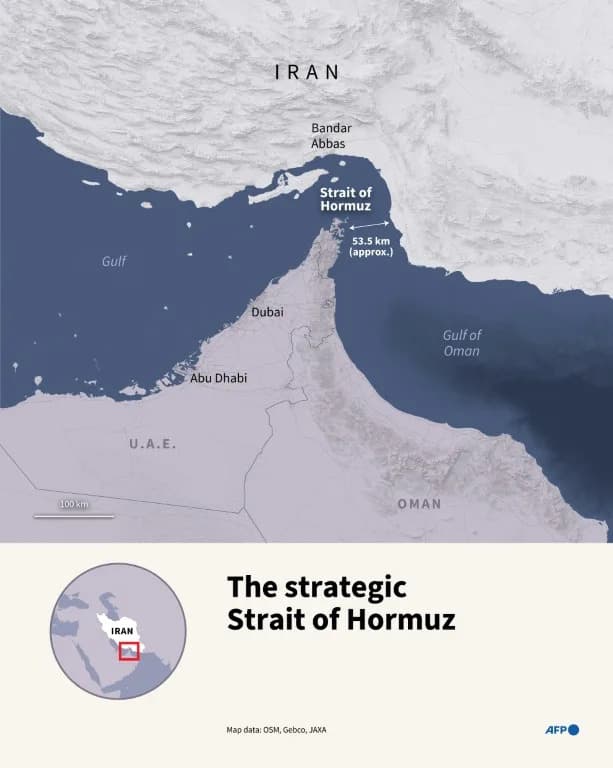
Infographic with a map of the Strait of Hormuz, a vital chokepoint for global oil shipments linking the Gulf and the Gulf of Oman(None/AFP)
Iranian state media reported that Iran's navy fired warning shots at US warships in the Strait of Hormuz on Monday, after US guided-missile destroyers transited the strait as part of an operation to help stranded commercial vessels leave the Gulf.
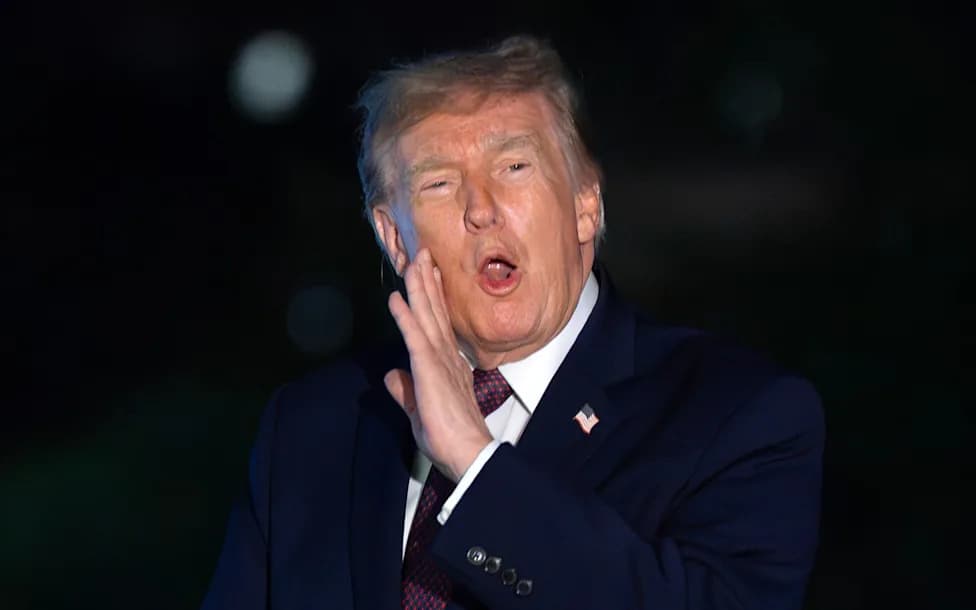
US President Donald Trump announced the initiative on Truth Social, calling it a humanitarian effort to guide ships from neutral countries out of the restricted waterways. He wrote that operations would begin on Monday and warned that vessels would not return to the area until it was safe for navigation.
What Happened
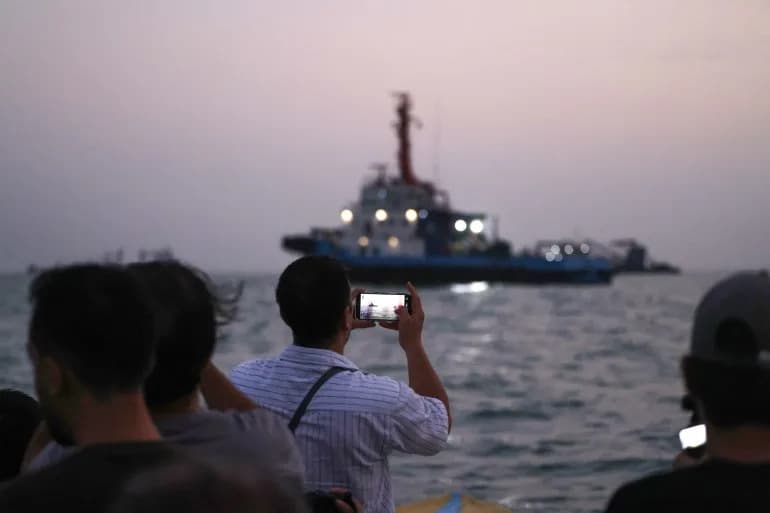
US Central Command (CENTCOM) confirmed that guided-missile destroyers transited the Strait of Hormuz and said two US-flagged merchant vessels had successfully sailed out of the Gulf as a first step in what it called Project Freedom. US media reported the Navy would provide guidance and remain "in the vicinity" to deter attacks, rather than formally escorting all commercial traffic.
Iranian state media later reported that, after the destroyers ignored an initial warning, Iran fired "warning shots" by launching cruise missiles, rockets and combat drones around the US vessels. The Fars news agency also claimed Iran struck a US warship; CENTCOM promptly denied that any US warship had been hit.
Regional Incidents And Alerts
The British maritime body UKMTO reported an attack on a tanker off the UAE involving "unknown projectiles" in the early hours of Monday. The UAE later said Iran had launched drones at a tanker linked to its state oil company ADNOC. Authorities in the UAE also briefly issued — and then lifted — a missile-attack alert for mobile phones.
Diplomatic Context
Diplomatic talks between Washington and Tehran have been stalled since a ceasefire in the US-Israeli war against Iran took effect on April 8. Tehran has used control of the Strait of Hormuz as leverage, while the United States has implemented countermeasures, including restrictions on Iranian ports. Iran says any safe passage through Hormuz must be coordinated with its forces "under all circumstances."
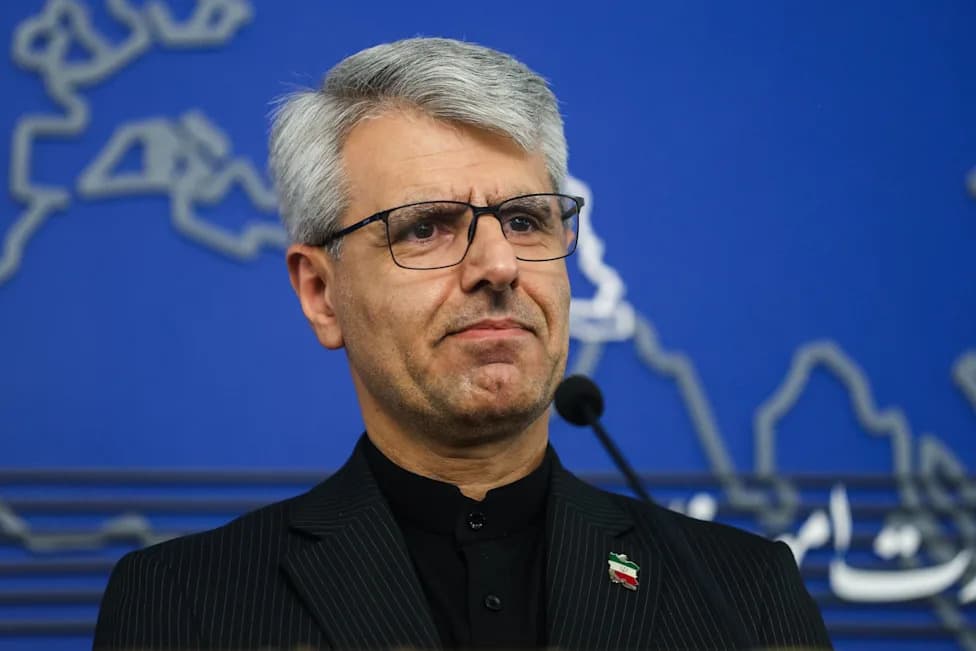
President Trump said his representatives were having "very positive discussions with the Country of Iran" and suggested those talks could lead to a resolution, though he did not reference a 14-point plan Tehran said it submitted last week. Iran’s foreign ministry spokesman Esmaeil Baqaei reiterated that Iran's priority is to end the war but blamed the United States for stalling progress.
Economic Impact
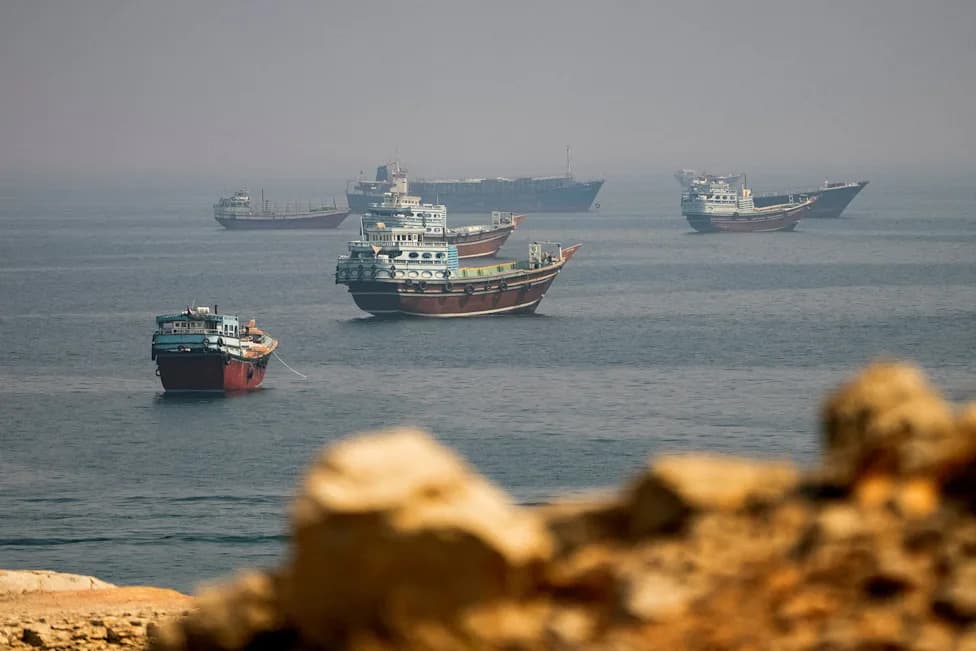
Shipping congestion remains high: maritime intelligence firm AXSMarine reported that more than 900 commercial vessels were in the Gulf as of April 29. By restricting transit through the strait, Iran has disrupted major shipments of oil, gas and fertiliser, contributing to oil prices roughly 50% above pre-conflict levels and adding economic pressure globally.
What To Watch
Key developments to monitor include further naval movements through Hormuz, confirmation or denial of any strikes on military vessels, progress in diplomatic talks, and changes in commercial shipping patterns or energy markets.
Reporting note: The events reported here reflect statements from Iranian state media, US Central Command and other regional authorities. Conflicting claims — particularly about missile strikes and damage — remain unresolved and are being independently assessed by officials on the ground and at sea.
Help us improve.