A Science paper reviewed by National Geographic proposes that octopuses up to 60 feet long may have lived 72–100 million years ago based on 15 fossilized beaks from the Late Cretaceous. The authors used modern beak‑to‑body scaling and AI to identify additional beak fossils, and argue these animals could have been powerful predators. Several paleontologists call the 60‑foot estimate extreme and say more fossils are needed to confirm size and ecological role.
Fossil Beaks Hint at a 60‑Foot 'Kraken' of the Cretaceous — New Study Sparks Debate
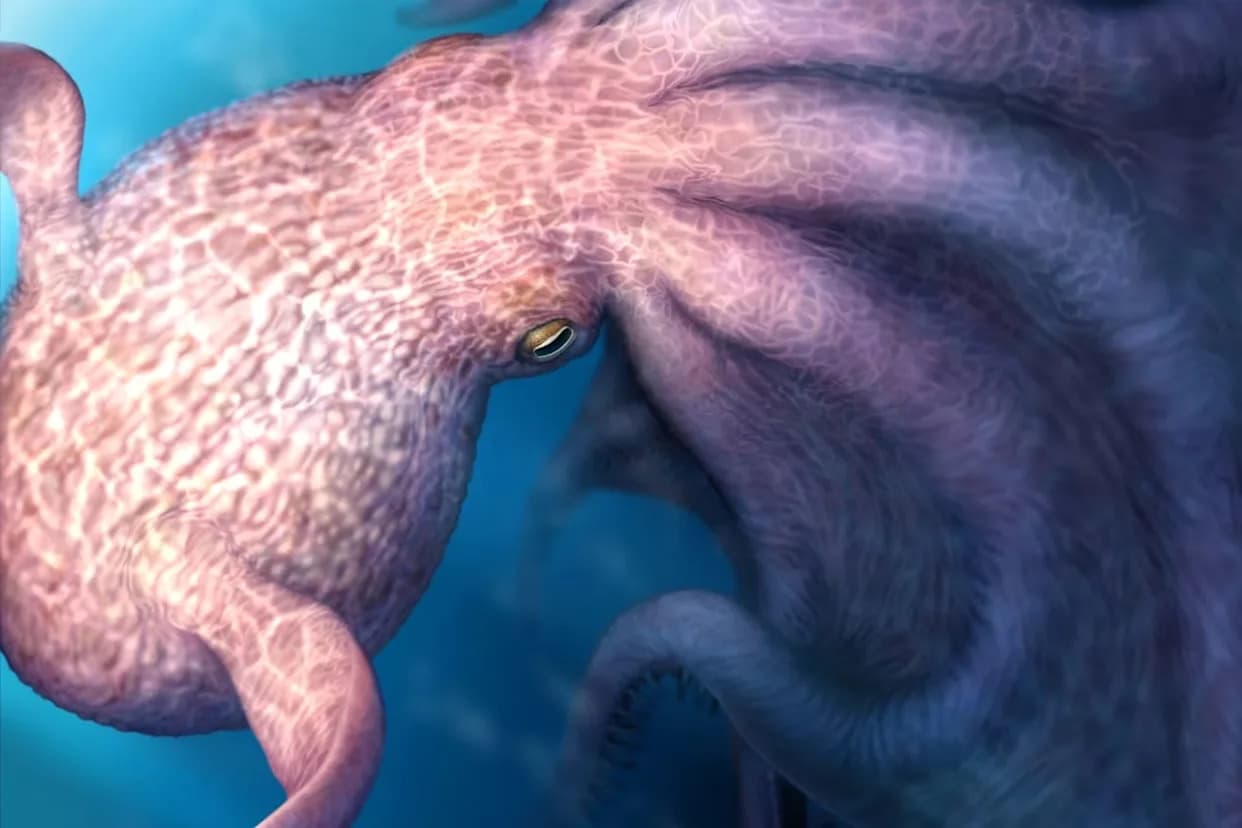
Photo Credit: Yohei Utsuki / Hokkaido University
A recent study published in Science and highlighted by National Geographic raises the intriguing possibility that giant, kraken‑like octopuses — perhaps reaching lengths of up to 60 feet — prowled the oceans 72–100 million years ago. The claim is based primarily on an analysis of fossilized octopus beaks recovered from Late Cretaceous deposits.
What the Researchers Found
Scientists examined 15 fossilized cephalopod beaks, the hard chitinous structures that often survive when soft tissues do not. Because beak size correlates with overall body size in modern octopuses, the team used that relationship to estimate body dimensions for these ancient animals. The paper also reports that researchers used artificial intelligence to locate about a dozen additional beak-like fossils embedded in rock matrices.
Methods and Evidence
The study combines morphological measurements of preserved beaks with modern scaling relationships and computational searches to amplify the fossil sample. Beaks are made of chitin — a durable polymer also found in insect exoskeletons and crustacean shells — and are among the few reliable remains for soft‑bodied cephalopods in the fossil record.
Ecological Implications
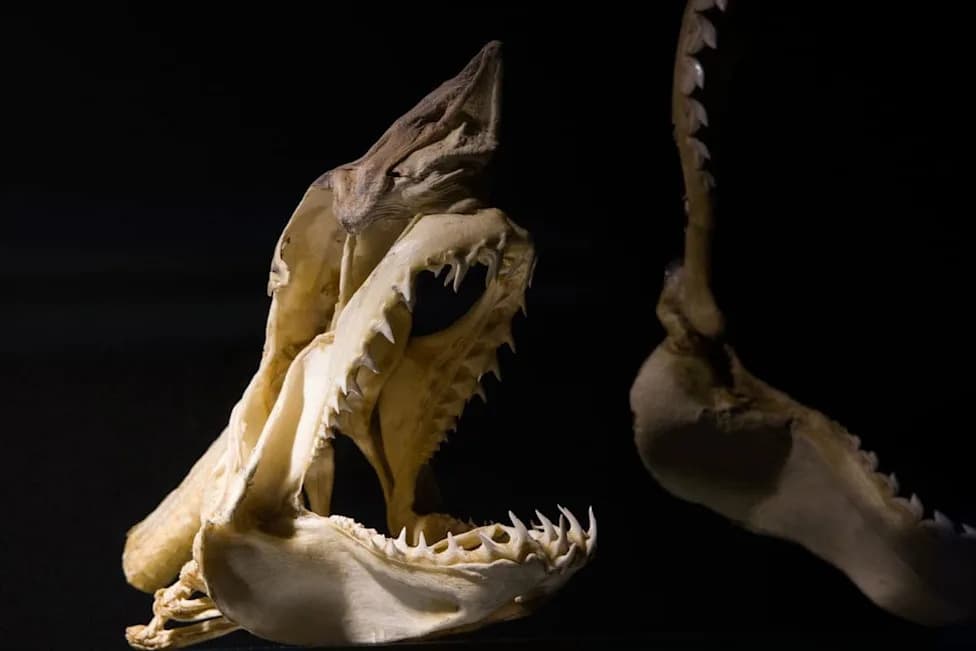
Based on their size estimates and traces of heavy wear on some beaks, the authors suggest these octopuses may have been capable of tackling large, heavily armored prey — possibly including contemporary sharks and mosasaurs — and could have occupied top predator roles in some marine ecosystems of the Late Cretaceous.
“It challenges the common view of an 'age of vertebrates' in marine ecosystems,” said Yasuhiro Iba, co‑author and paleontologist at Hokkaido University.
Expert Cautions
Not all paleontologists are convinced by the 60‑foot estimate. Christian Klug of the University of Zurich described the figure as "quite extreme," noting that the reconstructions rely heavily on beak fragments and scaling assumptions. Adiel Klompmaker of the University of Alabama Museums also emphasized the need for more fossil evidence to confirm the animals' true sizes and ecological roles.
In short, the study opens a compelling window into what may have been giant cephalopod predators of the Cretaceous, but the extraordinary size claims remain provisional until additional fossils — ideally material beyond beaks — are found and independently evaluated.
Bottom line: The paper presents a plausible, data‑driven hypothesis for unusually large ancient octopuses, but the scientific community rightly calls for more evidence and careful scrutiny before accepting a 60‑foot marine monster as established fact.
Help us improve.