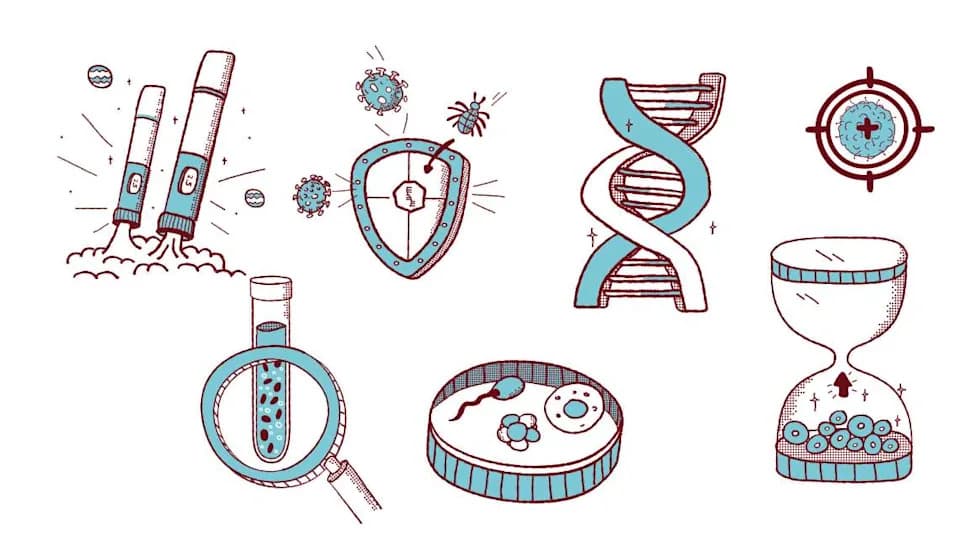
Human evolution is ongoing. Genetic adaptations such as lactase persistence, the sickle-cell tradeoff, the CCR5-Δ32 deletion and the Denisovan-derived EPAS1 variant for high-altitude living show how recent lifestyles and ancient encounters shaped us. Today, culture, technology and medicine — from rising myopia and changing mate choice to CRISPR, anti-aging research and brain-computer interfaces — are creating new pressures and ethical questions about how we will evolve next.
Human Evolution Is Ongoing: From Milk Tolerance to CRISPR and Space
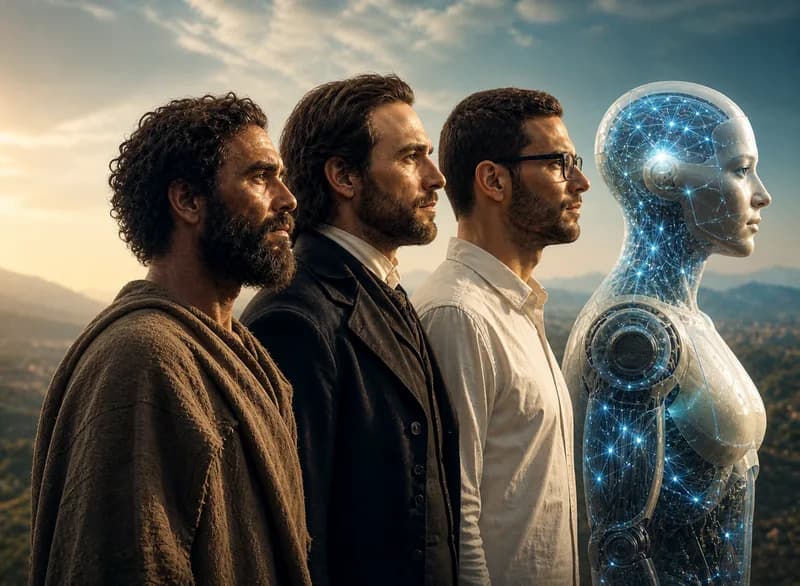
Human evolution is still unfolding through disease, diet, technology, genetic editing, and even the pressures of life in space. (CREDIT: AI-generated image / The Brighter Side of News)
A simple glass of milk still marks a visible line in human biology. For most adults, drinking milk causes discomfort because the mammalian default is to switch off lactase — the enzyme that digests lactose — after childhood. Yet millions worldwide carry a small genetic change that keeps lactase active for life. What looks like an ordinary dietary habit is actually a physiological record of adaptation written across generations.
Genetic Traces Of Recent Adaptation
Many well-known genetic changes arose in response to new ways of living. When people began domesticating animals, milk became a reliable source of calories in hard seasons; individuals who could digest it had an advantage, and lactase persistence rose in frequency.

For most adults, drinking it brings discomfort. (CREDIT: Shutterstock)
In regions plagued by malaria, a hemoglobin mutation that causes sickle-cell disease when homozygous persists because heterozygotes gain partial protection against malaria. That tradeoff — benefit for some, severe cost for others — exemplifies how evolution often favors compromise rather than perfection.
The CCR5-Δ32 deletion, which impairs a route that HIV uses to enter immune cells, occurs in roughly 10% of Europeans. HIV is far too recent to explain that frequency; older epidemics such as smallpox or the Black Death may have been the selective force, but the precise history remains uncertain.
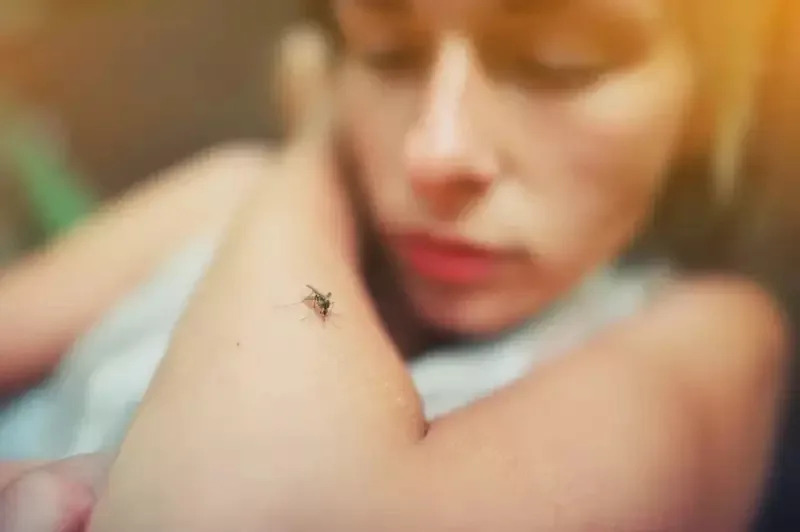
Malaria, spread by mosquitoes, invades red blood cells and multiplies until those cells burst. (CREDIT: Shutterstock)
Visible Anatomical Shifts
Not all changes are hidden in DNA sequences. Some appear plainly in our anatomy. A temporary fetal vessel called the median artery normally regresses before birth. Around the 1880s, about 10% of adults retained it; today that figure is closer to 35%. No clear advantage explains the rise — one hypothesis is relaxed selection, where weaker historical pressures allow minor traits to become more common.
Dental anatomy tells a similar story. Human ancestors needed large jaws and extra molars to chew tough foods. With cooking and softer diets, jaws have tended to shrink while teeth have not always kept pace. Many people still develop 32 teeth into jaws that crowd them; in parts of East Asia more than 30% of people are now born without third molars at all. What was once universal anatomy is becoming less so.
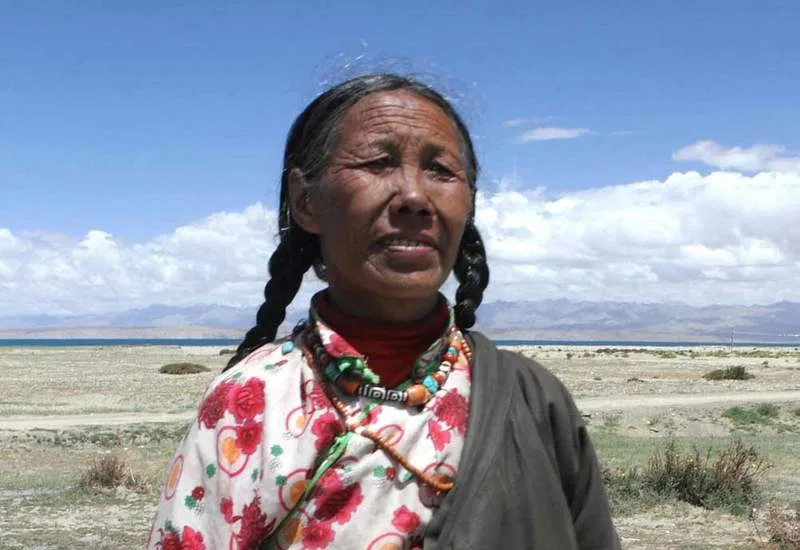
On the Tibetan plateau, oxygen levels sit about 40 percent lower than they do at sea level. (CREDIT: Wikimedia / CC BY-SA 4.0)
High Altitude And Ancient Relatives
Adaptation can also come from unexpected sources. On the Tibetan Plateau — where oxygen pressure is about 40% lower than at sea level — people avoid the extreme rise in red blood cells seen in Andean populations. A variant in the EPAS1 gene helps Tibetans use oxygen efficiently without massive erythrocytosis. Remarkably, that variant appears to have been inherited from Denisovans, an archaic human group. Interbreeding left behind fragments of DNA that proved useful when modern humans settled high altitudes.
Selection In The Modern World
Evolution still requires variation, inheritance and differential reproduction — conditions that persist. Long-term cohort studies show that natural selection continues to act on contemporary populations: traits associated with higher reproductive success are shifting in frequency over generations, with signals such as earlier childbirth and later menopause in some datasets. Other measured trends include changes in average cholesterol and blood pressure, though causes are complex and context-dependent.
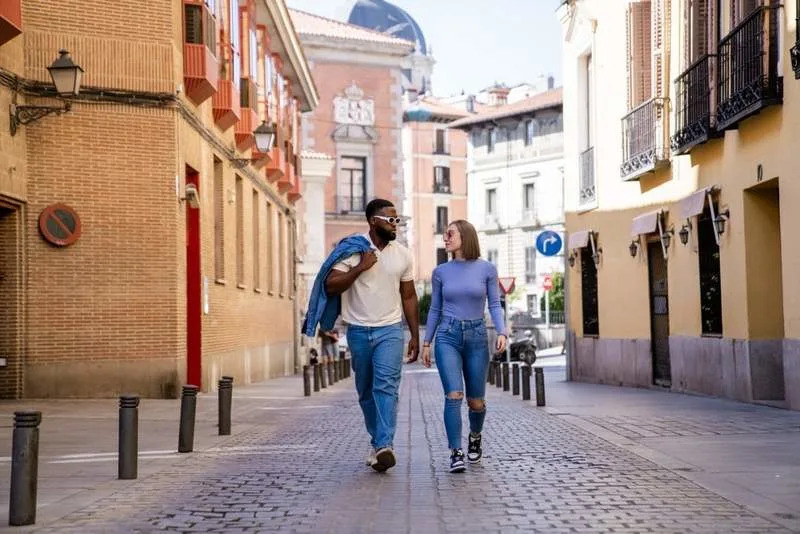
People increasingly sort themselves by education, occupation, and lifestyle, a pattern known as assortative mating. (CREDIT: Shutterstock)
Cultural shifts also alter mate choice. Assortative mating — people pairing by education, occupation and lifestyle — concentrates traits within social groups. Where gene flow once followed geography, today culture and technology strongly shape who reproduces with whom.
Daily behaviors create additional pressures. Human eyes evolved for daytime, distance vision; prolonged near work and screen time have contributed to a rapid rise in myopia. In some urban parts of Asia more than 80% of teenagers are myopic. Optical correction and surgery reduce short-term costs, which can relax selection against nearsightedness and allow genetic tendencies to persist.
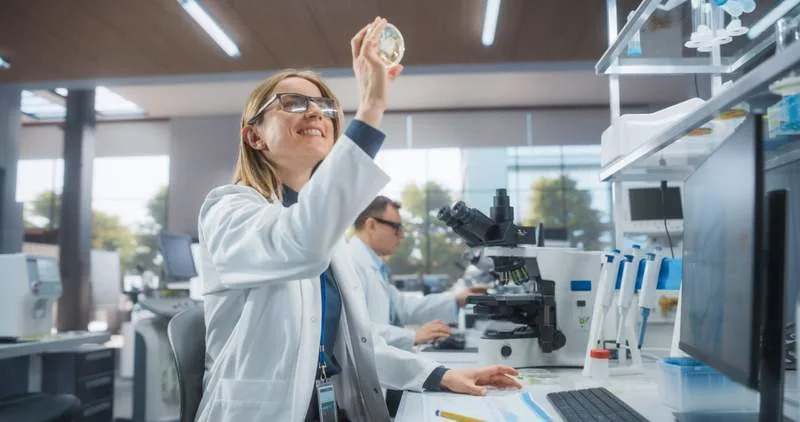
CRISPR allows scientists to edit DNA directly. (CREDIT: Shutterstock)
Dietary mismatch is another major force. Humans evolved cravings for sugar and fat when such nutrients were scarce. In modern environments they are abundant and cheap; bodies built for scarcity now operate in contexts of excess, driving metabolic disease and creating a new selective landscape.
Directed Change: Technology, Medicine And Ethics
People now have tools to change heredity directly. CRISPR and other gene-editing methods can correct disease-causing mutations in somatic cells, and edits in embryos would affect future generations. The most prominent ethical breach occurred when a scientist in China edited the CCR5 gene in twin embryos to reduce HIV susceptibility — a move widely condemned for its medical risks and moral implications. A gene beneficial in one context can raise vulnerability in another, and biological systems are interconnected.
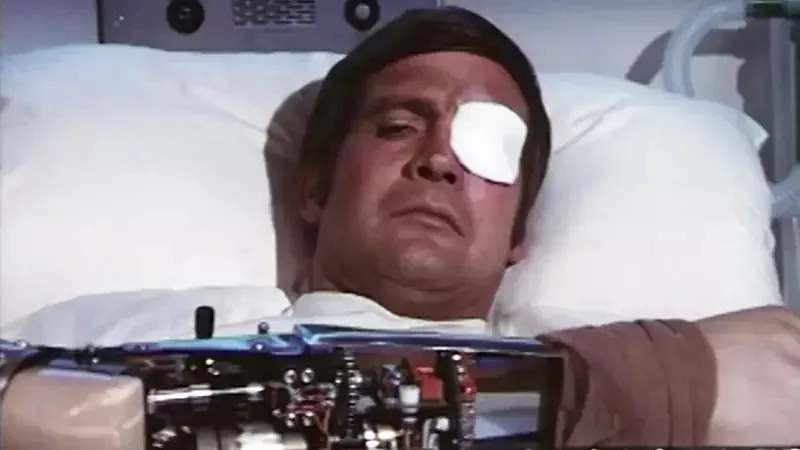
Advanced artificial limbs can connect to nerves, allowing users to direct movement intentionally and receive limited sensory feedback. (CREDIT: Wikimedia / CC BY-SA 4.0)
Parallel research targets aging itself. Senolytic drugs aim to remove senescent cells that promote inflammation. Compounds such as rapamycin and metformin influence pathways tied to metabolism and cellular repair, and partial cellular reprogramming seeks to reset aspects of cellular age without erasing identity. Much evidence is still preliminary, drawn from animal models and small human trials, but the framing of aging as a modifiable process is gaining traction.
Brain, Bionics And The Boundaries Between Body And Machine
Brain-computer interfaces (BCIs) hint at futures where digital networks feel less like external tools and more like cognitive extensions. Early experiments such as BrainNet demonstrated simple brain-to-brain signal exchanges; companies like Neuralink have reported human implants that enable users to control computers and digital tools by thought. These technologies do not transfer knowledge instantly, but they narrow the gap between intention and action.
Bionic prosthetics that connect to peripheral nerves can restore movement and provide limited sensory feedback. Work on implanted stimulators, tissue-integrating materials and functional electrical stimulation points toward a more porous boundary between biology and machine.
Space As A New Environment For Human Biology
Long-term spaceflight imposes unique physiological stresses. NASA’s Twins Study found changes in gene expression, immune function and telomere length during a year in orbit; many changes reversed after return, but some effects persisted. Microgravity leads to monthly bone density loss and muscle atrophy; fluid shifts toward the head can impair vision, and beyond low Earth orbit ionizing radiation raises cancer risks. Researchers are testing shielding, artificial gravity, pharmaceuticals and even biological strategies inspired by extremophiles — but if humans settle space long-term, adaptation through physiology, medicine or genetics may be necessary.
Conclusion
Human evolution has not ended — it has become intertwined with culture, medicine, technology and newly created environments. Some adaptive changes are subtle anatomical shifts; others arise from relaxed selection or deliberate engineering. The next phase of our species will be shaped by both natural forces and choices we now make, raising scientific opportunities and ethical responsibilities in equal measure.
Help us improve.