Overview: The Trump administration has weakened FEMA during its second term by canceling billions in mitigation funding, allowing more than 5,000 staff departures, and installing political appointees in critical roles. Concerns: Gregg Phillips, the associate administrator for Response and Recovery, lacks emergency-management experience and has made inflammatory statements, undermining confidence in FEMA leadership. Urgency: Nearly half of senior posts are vacant and reports of further cuts come as hurricane season approaches. The piece calls for rebuilding FEMA’s workforce, restoring mitigation programs and ensuring disaster aid is allocated by need, not politics.
FEMA Undermined: Why Political Appointments and Cuts Threaten Disaster Response
FEMA and the American people deserve better than Trump’s political lackeys
The Trump administration has steadily weakened the Federal Emergency Management Agency during its second term by slashing mitigation programs, hollowing out its workforce and installing political appointees in key roles. With hurricane season approaching, those changes have left FEMA less prepared to protect communities from floods, storms and wildfires.
Staffing, Funding and Preparedness Cuts
Last spring the administration canceled mitigation programs worth billions of dollars that helped communities reduce long-term disaster risk. Those cuts shifted costs and exposure onto state and local governments that often lack the resources to replace them.
More than 5,000 employees have left or been pushed out of FEMA since the start of the second Trump administration, deepening an already severe staffing shortage. Media reports now suggest the administration is considering additional workforce reductions — a risky proposal with hurricane season imminent.
Questionable Appointments Raise Alarms
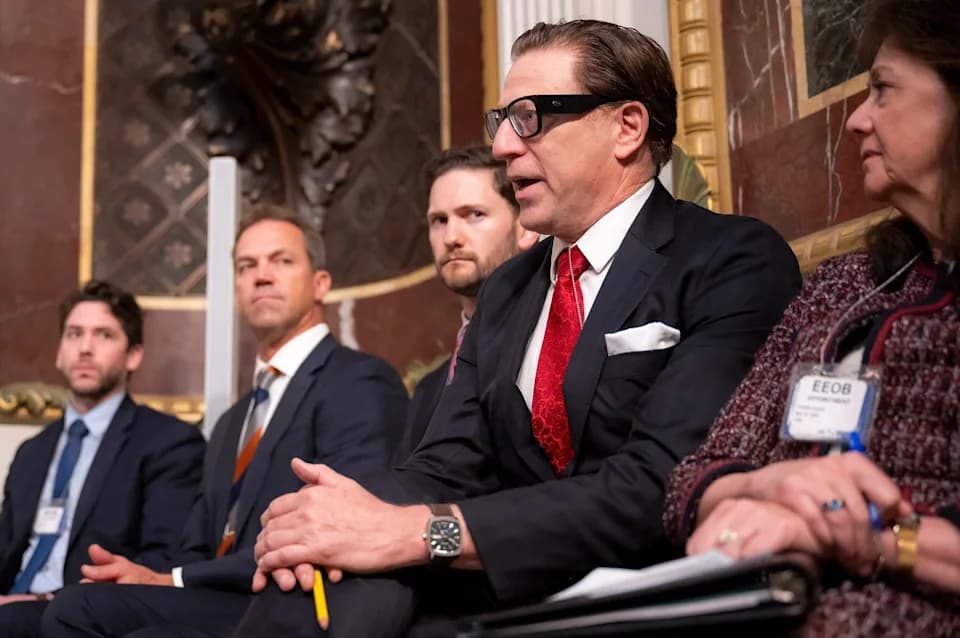
Appointing experienced leaders matters when lives are at stake. Gregg Phillips, named associate administrator for the Office of Response and Recovery, occupies one of FEMA’s most consequential posts despite having no background in emergency management. His career has been rooted in partisan political work and in promoting disputed claims about election fraud.
Phillips has also been linked to inflammatory rhetoric, including statements reported to encourage violence, and to extraordinary personal claims — such as alleged episodes of "teleportation." Those elements have eroded confidence in the agency’s leadership at a critical time.
Leadership Vacancies and Regional Gaps
Nearly half of FEMA’s senior positions remain vacant, and the agency still lacks a permanent, Senate-confirmed administrator. Acting leaders have sometimes been asked to carry multiple senior roles at once, and some regional offices — including southern regions that routinely face the worst hurricane impacts — lack stable leadership.
Politicization of Disaster Aid
There are growing concerns that disaster assistance decisions have been influenced by politics. Analyses show major disaster declarations and aid approvals have varied sharply by state, with Republican-led states receiving proportionally more assistance than some Democratic-led states — even in instances where federal assessments determined communities qualified for help.
What Must Change
To restore FEMA’s readiness, the administration should:
Rebuild the workforce: Rehire and recruit experienced emergency-management professionals and re-establish a deployable reserve workforce.
Restore mitigation funding: Reinvest in programs that reduce long-term disaster risk for communities.
Fill leadership vacancies: Nominate and confirm qualified, nonpartisan leaders with proven disaster-response experience.
Insulate aid decisions from politics: Ensure disaster declarations and assistance are based on need and objective assessments.
When disaster strikes, Americans should be able to depend on a capable, professional FEMA — not an agency weakened by partisan staffing, funding cuts and uneven leadership. With storms on the horizon, the stakes could not be higher.
Help us improve.