
SpaceX marked three years since Starship's first integrated launch by releasing a retrospective video summarizing advances and challenges. Despite an explosive maiden flight in April 2023 and several high‑profile anomalies, the program has logged 11 tests with satellite deployments, booster reuse and multiple catcher recoveries. The company is preparing a larger Version 3 prototype aimed at achieving orbit and demonstrating on‑orbit refueling — a capability engineers say would unlock routine lunar and Mars missions.
Three Years Since Starship's Fiery Debut — SpaceX Prepares V3, On‑Orbit Refueling and Moon Ambitions
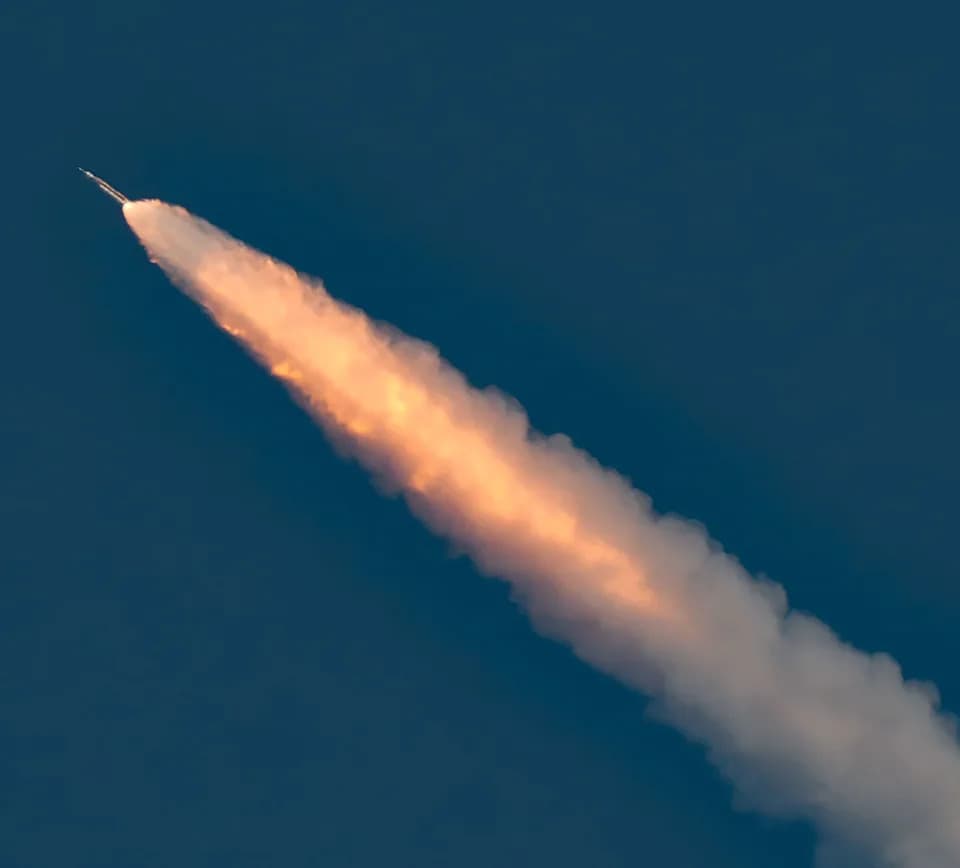
The Artemis II mission launches April 1 from the Kennedy Space Center in Cape Canaveral, Florida. The four-person crew aboard the Orion spacecraft hitched a ride to orbit atop NASA's giant 322-foot Space Launch System rocket. Launching atop 8.8 million pounds of thrust, the SLS is the most powerful rocket NASA ever launched, about 17% more powerful than the iconic Saturn V rocket used during the Apollo era.
Three years after the integrated Starship rocket's dramatic maiden flight ended in an explosion, SpaceX has released a nearly 25-minute retrospective video outlining progress and the road ahead for the world's largest launch vehicle.
Reflecting on The Early Flights
On April 20, 2023, SpaceX launched the first fully stacked Starship system from its South Texas complex known as Starbase. Minutes into that flight, several engine failures led to the activation of the vehicle's flight‑termination system and the integrated rocket fell into the Gulf of Mexico (which a U.S. executive order referred to as the "Gulf of America").
SpaceX has embraced a rapid test-and-learn approach that treats setbacks as part of development. "We learned a lot from the eventual failure of the vehicle in that flight," said Joe Petrzelka, vice president of Starship engineering, in the company's retrospective.
What Starship Is — And What It Can Do
When fully stacked, Starship tops out at more than 400 feet and combines a lower-stage booster called Super Heavy with an upper-stage spacecraft called Starship. The booster is powered by 33 Raptor‑class engines and delivers liftoff thrust; the upper stage is intended to carry crew and cargo once the stages separate.
"The journey of SpaceX is a journey to give humans access to the solar system and beyond, which is really the goal for Starship," said Bill Riley, a vice president of Starship engineering.
Progress And Milestones
Across 11 flight tests to date, SpaceX has demonstrated notable capabilities while continuing to troubleshoot technical issues. Highlights include:
- Two deployments of mock Starlink satellites from the Starship upper stage.
- Reuse of a Super Heavy booster on two occasions.
- Three successful booster recoveries at the launch site using the huge mechanical arms nicknamed the "chopsticks."
- Repeated suborbital flights of the upper stage, including tests that saw it travel long distances before splashing down in the Indian Ocean.
Development Philosophy
SpaceX's iterative approach accepts early failures as a path to faster learning and improvement. Engineers describe earlier vehicles — Falcon 9, Falcon Heavy and Dragon — as building blocks that enabled Starship's development.
What's Next: Version 3 And On‑Orbit Refueling
The next major milestone is an even larger, more capable prototype referred to as Version 3 (V3). V3 is the model SpaceX hopes can reach orbit and demonstrate on‑orbit refueling of the upper stage — a complex rendezvous and transfer that would require two Starships fitted with docking adapters to move hundreds of tons of supercooled propellant between vehicles.
"Once you unlock that capability, the whole solar system is on your doorstep," said Charlie Cox, director of Starship engineering.
If V3 proves capable of orbital flight and refueling, SpaceX plans to use the architecture as a foundation for lunar landers under NASA's Artemis program and, ultimately, for human missions to Mars. In February, Elon Musk said SpaceX would prioritize building a lunar city as an early goal.
Timing And Next Flight
As of early April 2026, SpaceX had signaled that the program was targeting an early‑to‑mid‑May window for what it calls "flight 12." That target has slipped multiple times as the company readies the larger V3 configuration; no firm launch date was announced as of May 1.
Spacebase's incorporation as a city was approved by Cameron County voters in May 2025, a local step that underscores the area's close ties to SpaceX's operations.
Outlook
Starship's path forward remains challenging and incremental: engineers must eliminate persistent anomalies, demonstrate orbital capability with V3, and successfully perform on‑orbit refueling before the rocket can fulfill its promise for routine lunar and deep‑space missions. Still, the program's milestones across 11 flights show measurable progress toward those goals.
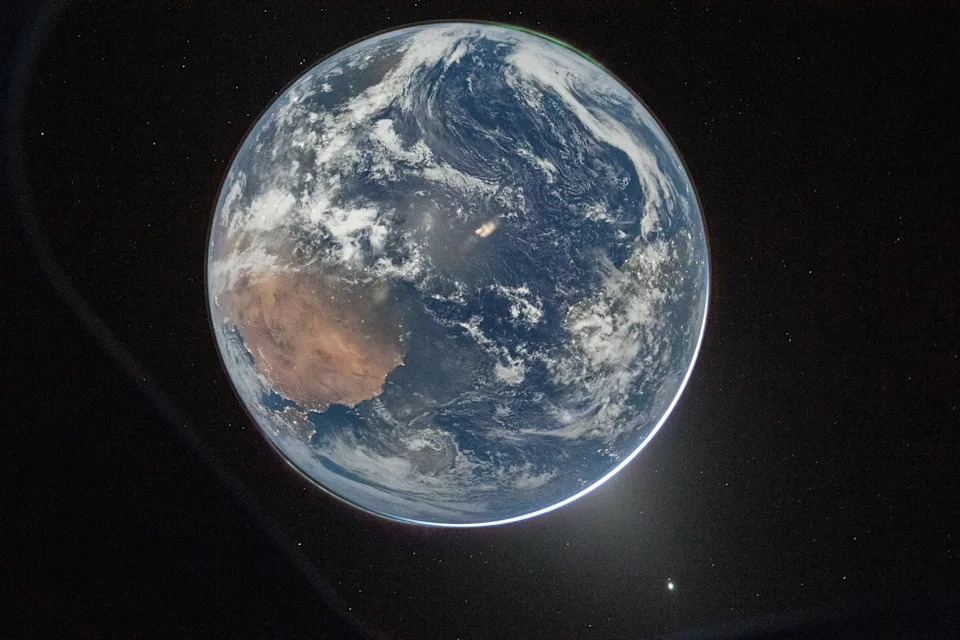
Artemis II Commander Reid Wiseman of NASA took this stunning photograph of Earth from the Orion spacecraft's window on April 2. The image is reminiscent of the iconic "blue marble" image captured during the Apollo 17 mission in 1972.
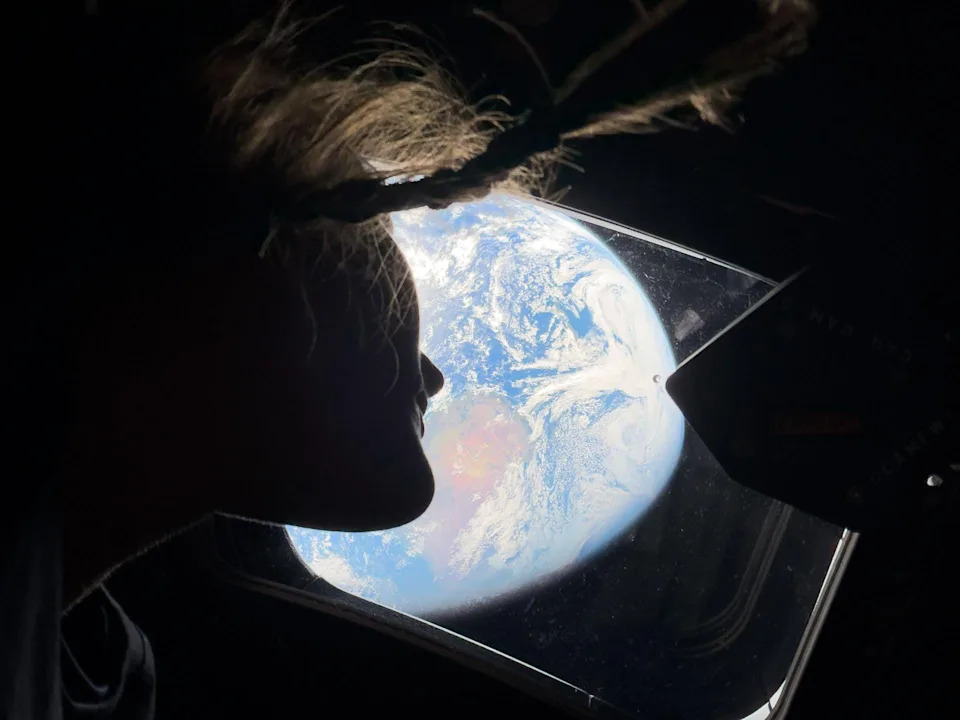
NASA astronaut Christina Koch, a mission specialist on Artemis II, gazes out the windows of the Orion vehicle back at Earth as she and the crew head toward the moon. Koch, who already holds several NASA records from her first spaceflight in 2019 to the International Space Station, became the first woman to fly on a lunar mission.
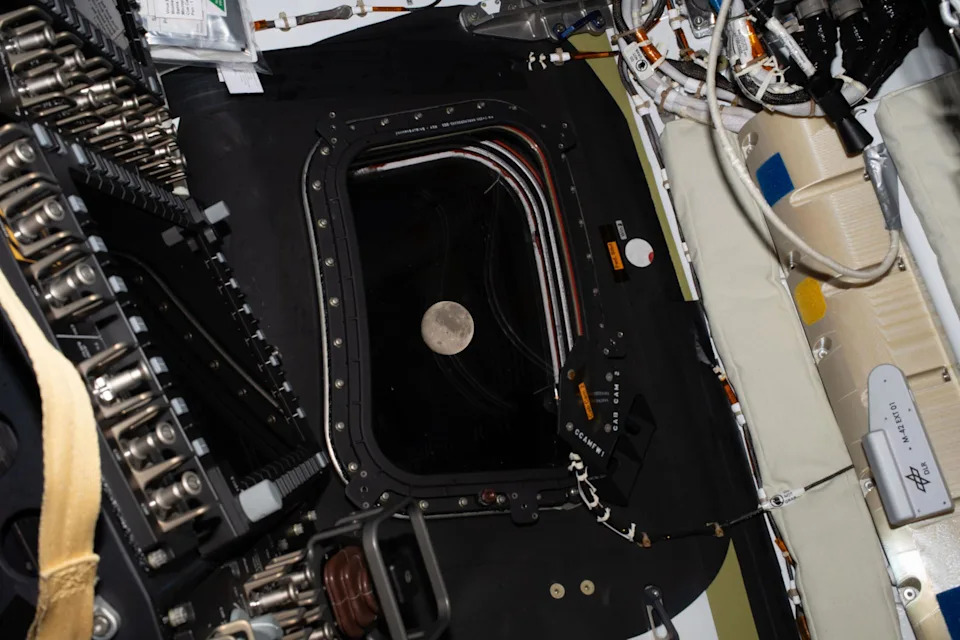
Before going to sleep April 5, the Artemis II crew snapped one more photo of the moon, as it drew close in the window of the Orion spacecraft. Shortly after, the astronauts entered the lunar sphere of influence, where the pull of the moon's gravity became stronger than Earth's.
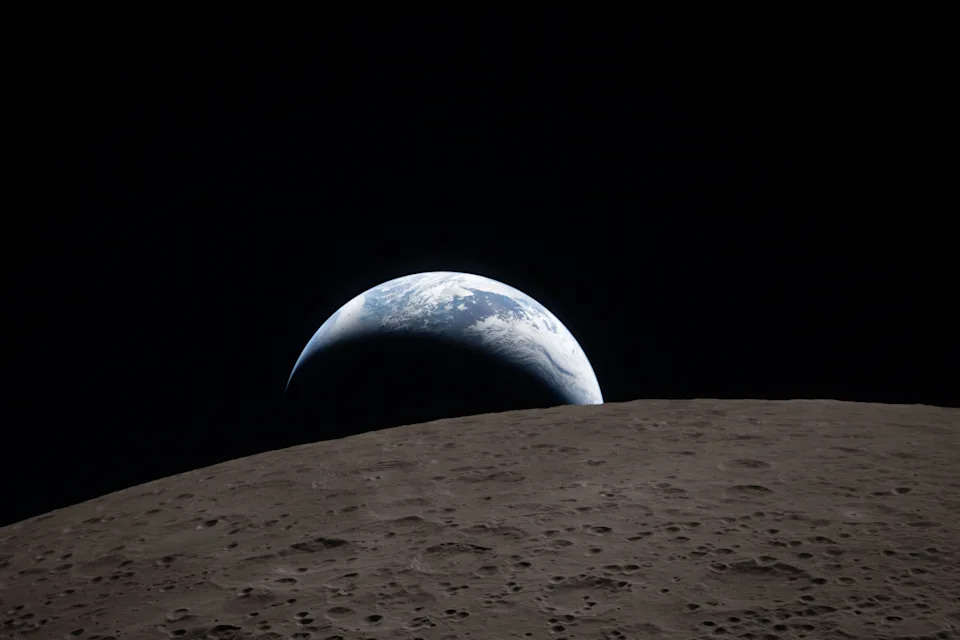
The crew of Artemis II captured a breathtaking image of a celestial event known as an "Earthset," in which the Earth dropped below the lunar horizon. The image is reminiscent of the iconic "Earthrise" photo that NASA astronaut Bill Anders captured in 1968 during the Apollo 8 mission that showed our planet rising on the lunar horizon.
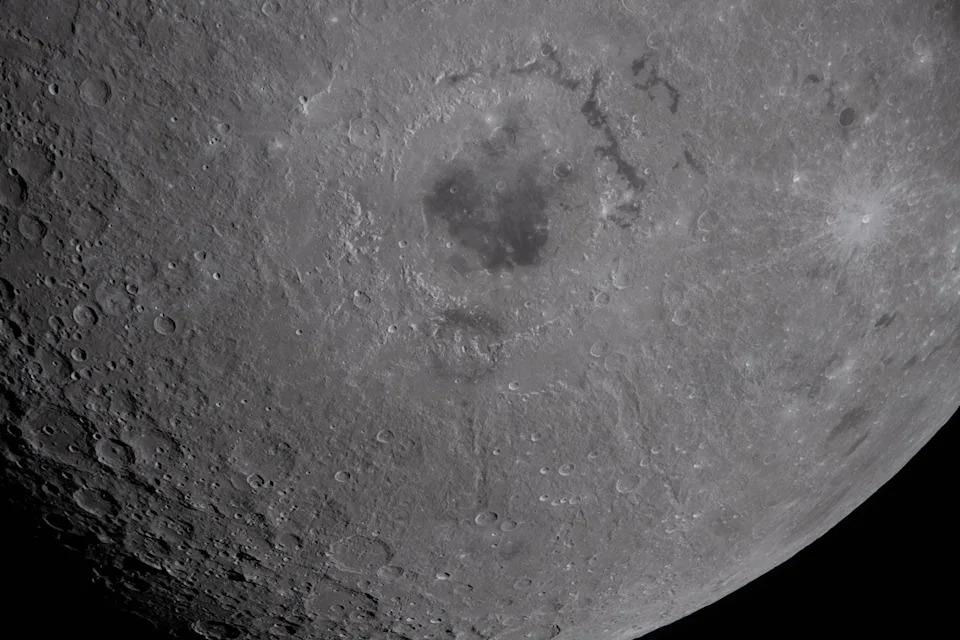
Of the impact craters, ancient lava flows and other lunar features the Artemis II astronauts observed during an April 6 flyby, a crater known as the Orientale basin was perhaps the most prominent. Spanning nearly 600 miles, the 3.8 billion year old crater (seen in the upper center of this photo) had never been seen with the naked eye prior to the mission.
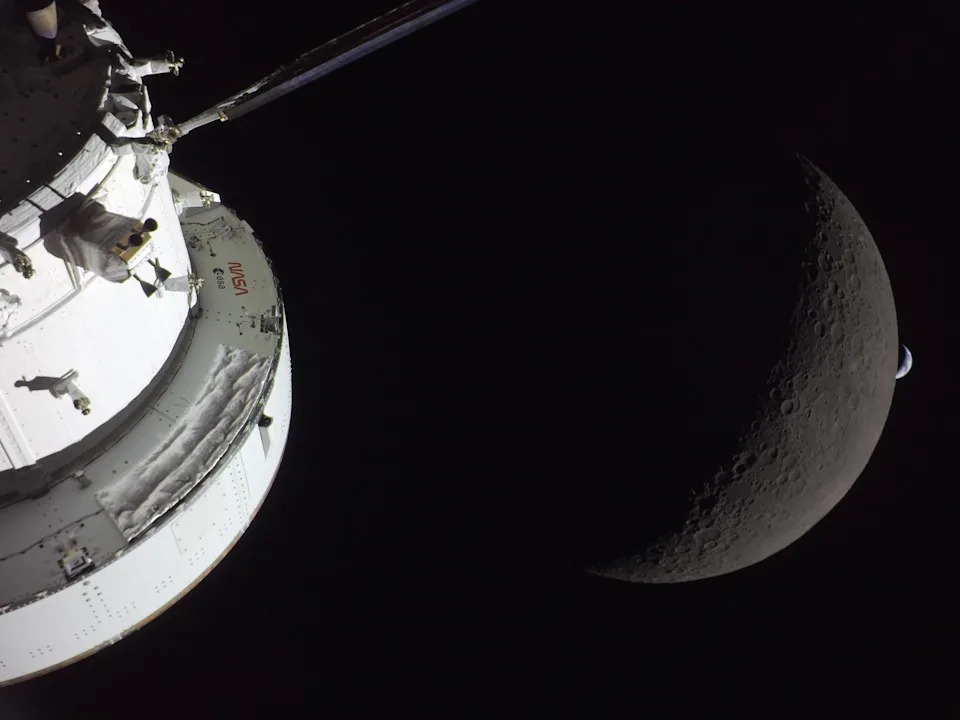
The Orion spacecraft the Artemis II astronauts were aboard is captured in the same frame as both the moon and Earth in this photo captured about four hours into the historic April 6 flyby.
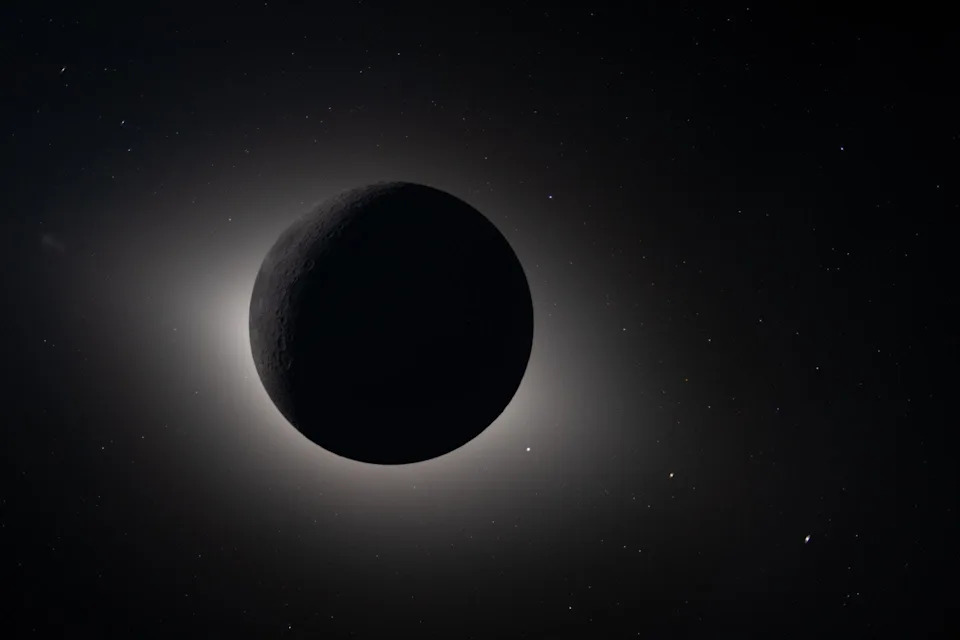
This image shows the moon fully eclipsing the sun from the vantage of the Orion spacecraft, not unlike what millions of people witnessed in April 2024 from Earth. From the crew’s perspective, the moon appeared large enough to completely block the sun, creating nearly 54 minutes of totality and revealing our star's elusive outermost layer, known as the corona.

The crew members of Artemis II embrace following the historic lunar flyby April 6, during which the astronauts flew farther from Earth than anyone in human history while seeing sights of the moon's far side never seen in person.
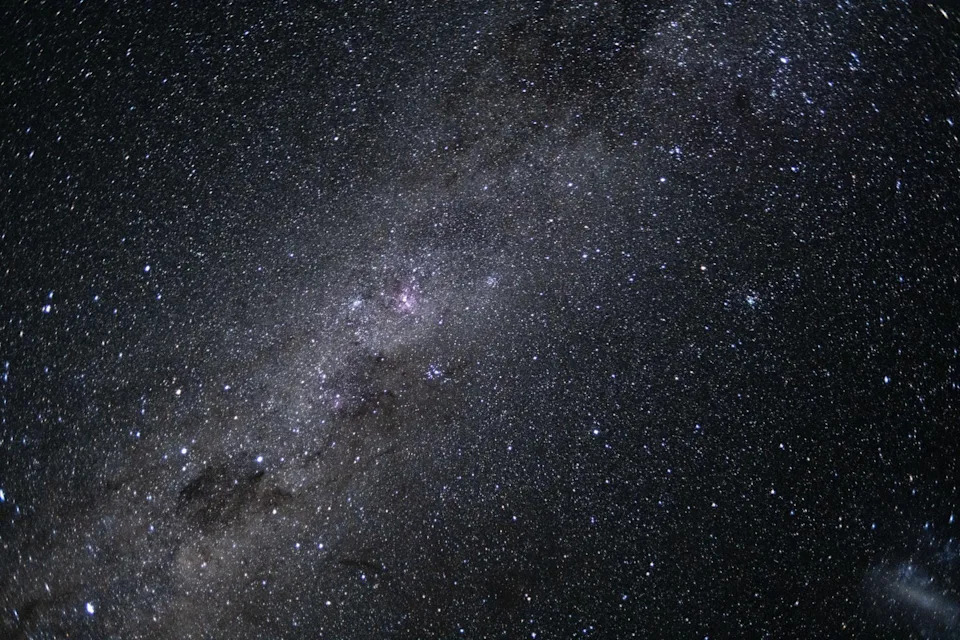
The Artemis II crew captured this breathtaking photo of our galaxy, the Milky Way. Spanning more than 100,000 light-years, Earth is located along one of the galaxy’s spiral arms, about halfway from the center.
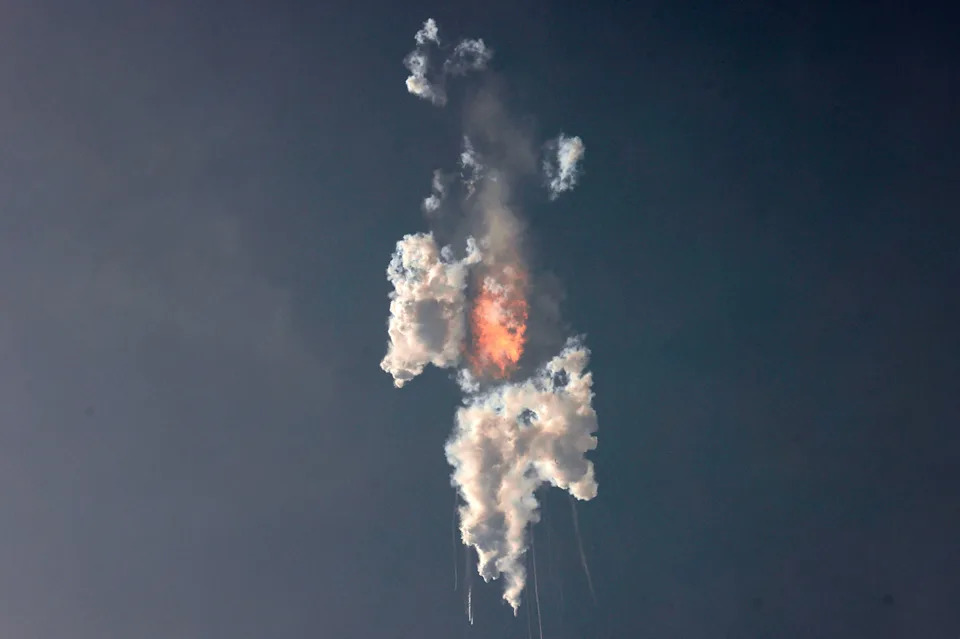
SpaceX's Starship spacecraft explodes atop its powerful Super Heavy rocket after its April 20, 2023 launch from the company's Boca Chica launchpad on a brief uncrewed test flight near Brownsville, Texas.
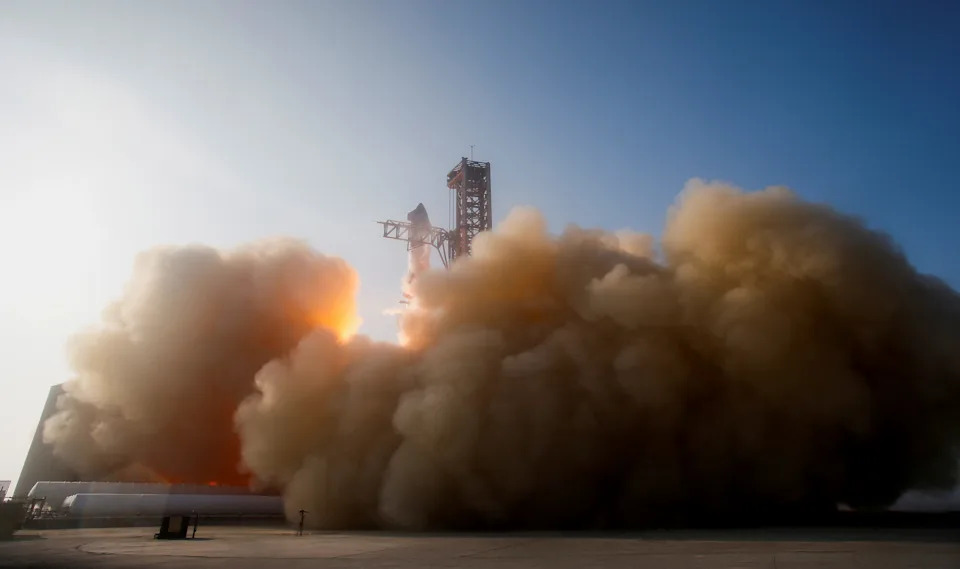
SpaceX's Starship lifts off from the company's Boca Chica launchpad on its inaugural orbital test mission in April 2023, in a photo retrieved from a destroyed remote camera on the launch pad, which was returned on May 22 to Reuters.
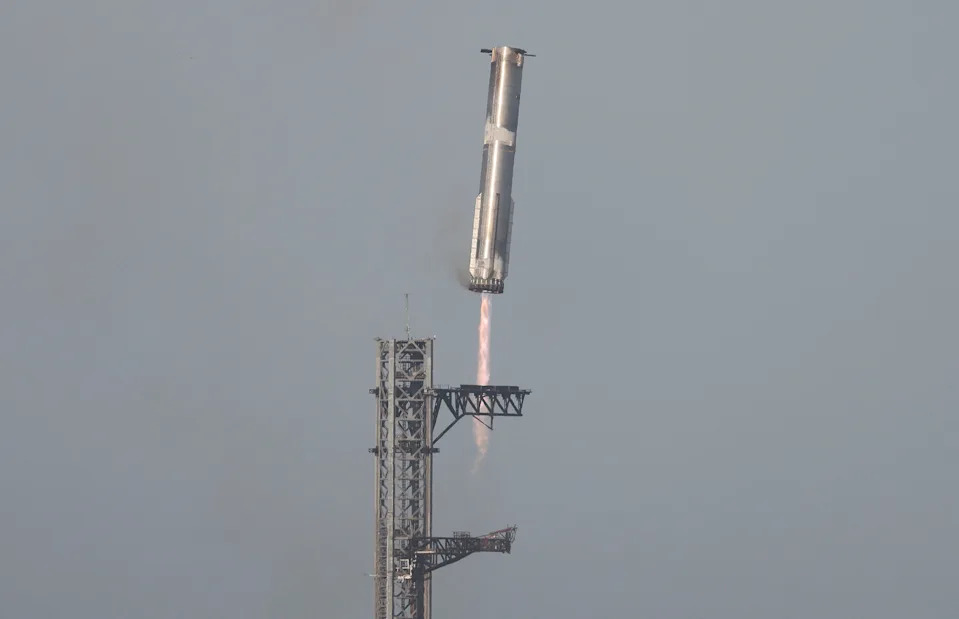
The Super Heavy booster returns to its launch pad March 6 after the SpaceX Starship continued.
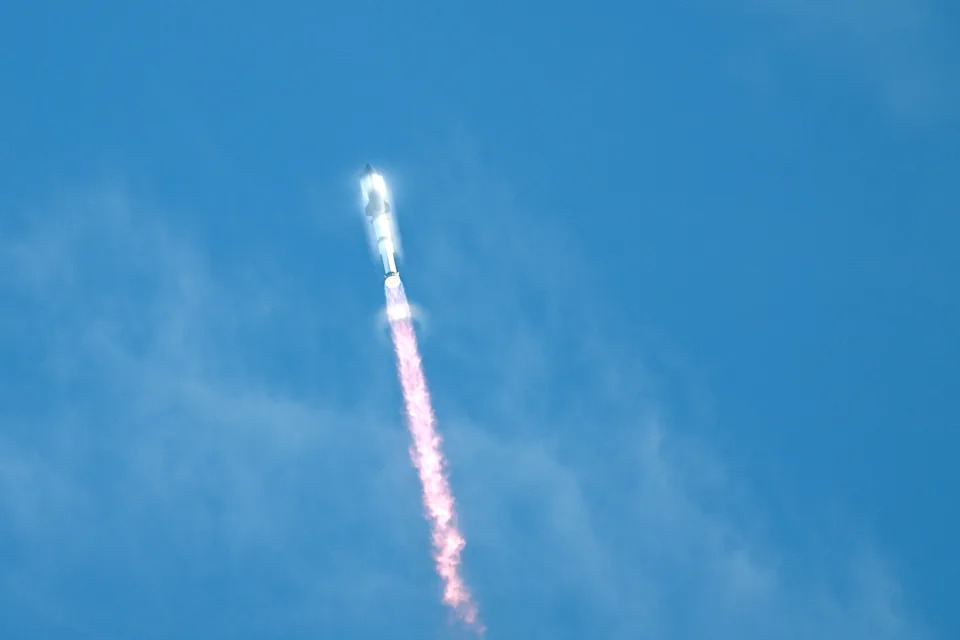
SpaceX's Starship rocket is seen Tuesday, Aug. 26 after lifting off from Starbase, Texas, as seen from South Padre Island. The megarocket roared into the skies on its 10th test flight, following a string of explosive failures that cast doubt about its ability to realize Elon Musk's vision of colonizing Mars.
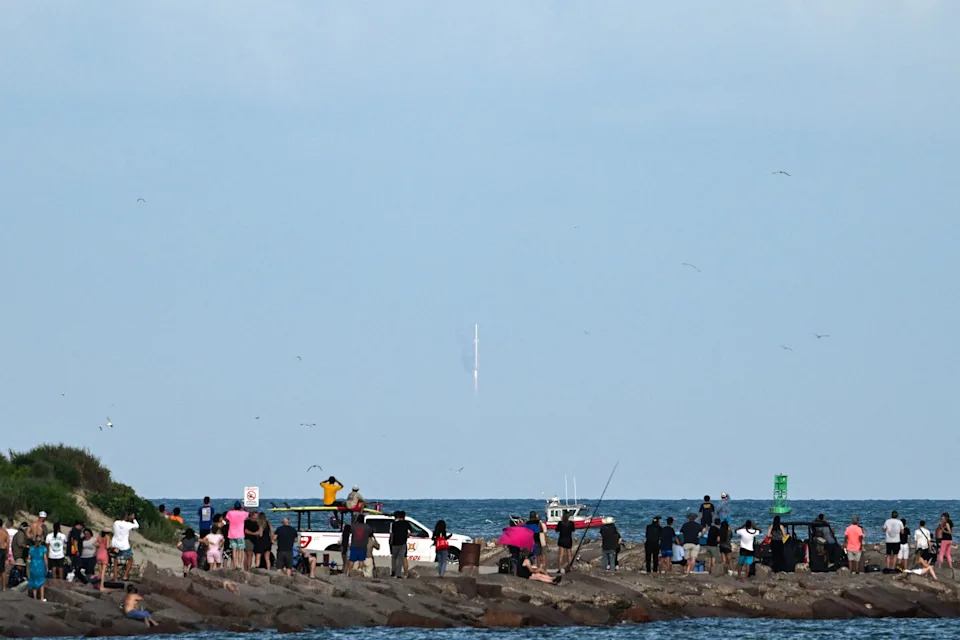
People gather Tuesday, Aug. 26 on South Padre Island to watch SpaceX Starship launch on it its tenth test flight from the nearby Starbase in South Texas.

People gather Tuesday, Aug. 26 on South Padre Island to watch SpaceX Starship launch on it its tenth test flight from the nearby Starbase in South Texas.
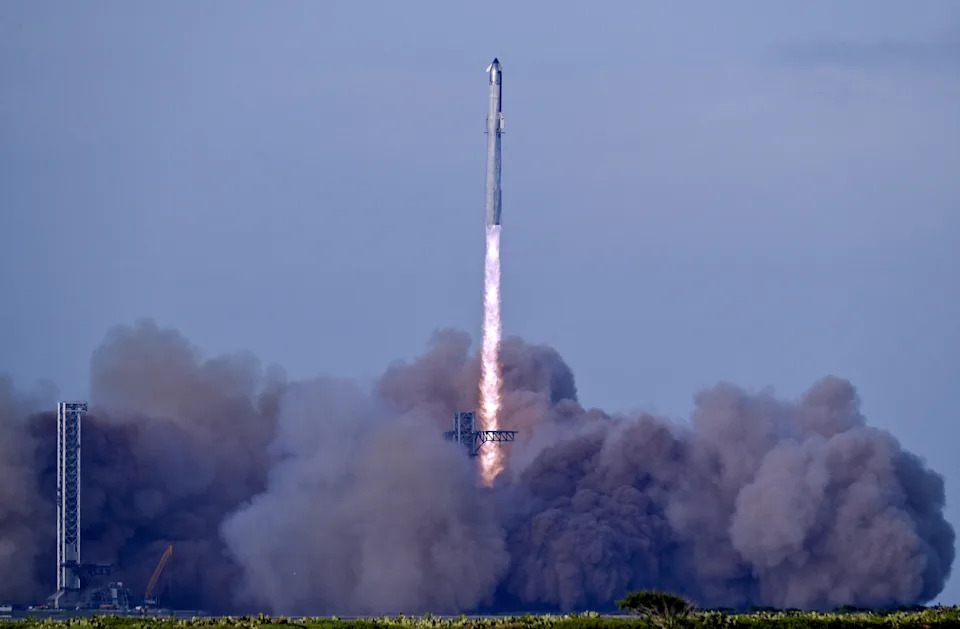
Starship, standing more than 400 feet tall when fully stacked, launches Tuesday, Aug. 26 from SpaceX's Starbase complex in South Texas on its tenth test flight since April 2023.
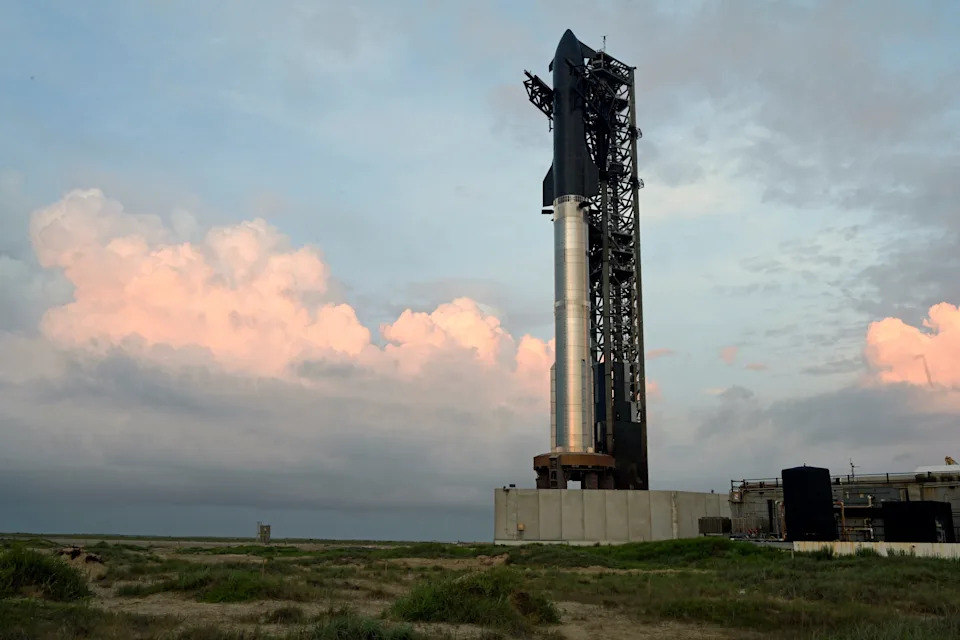
Starship, composed of both an upper stage and rocket booster known as Super Heavy, sits at the launch pad Tuesday, Aug. 26 before sunrise at SpaceX's Starbase complex ahead of the company's third attempt to launch a mission it referred to as flight 10.
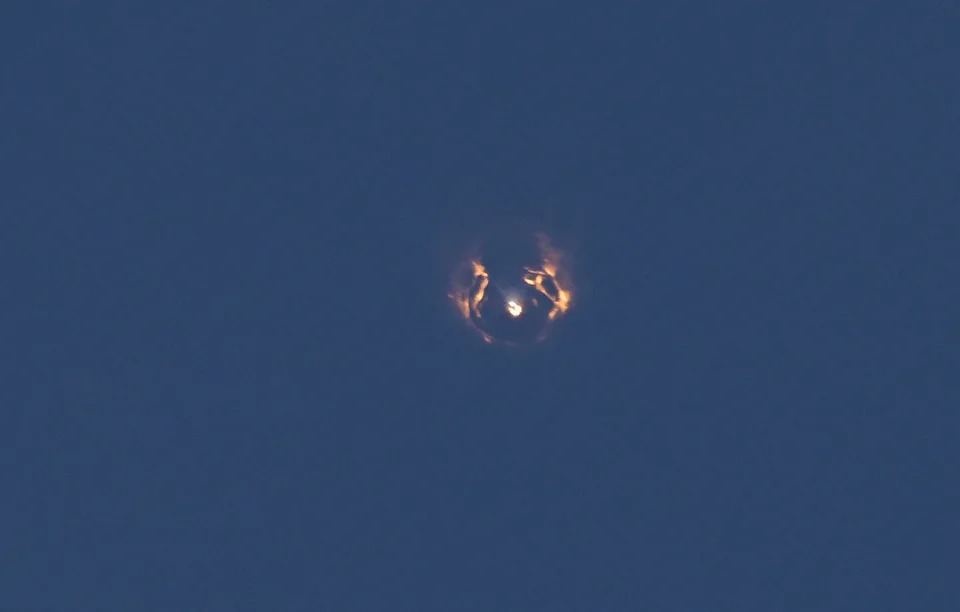
A SpaceX Super Heavy booster separates from the Starship spacecraft Tuesday, Aug. 26 during its 10th test flight at the company's launch pad in Starbase, Texas.
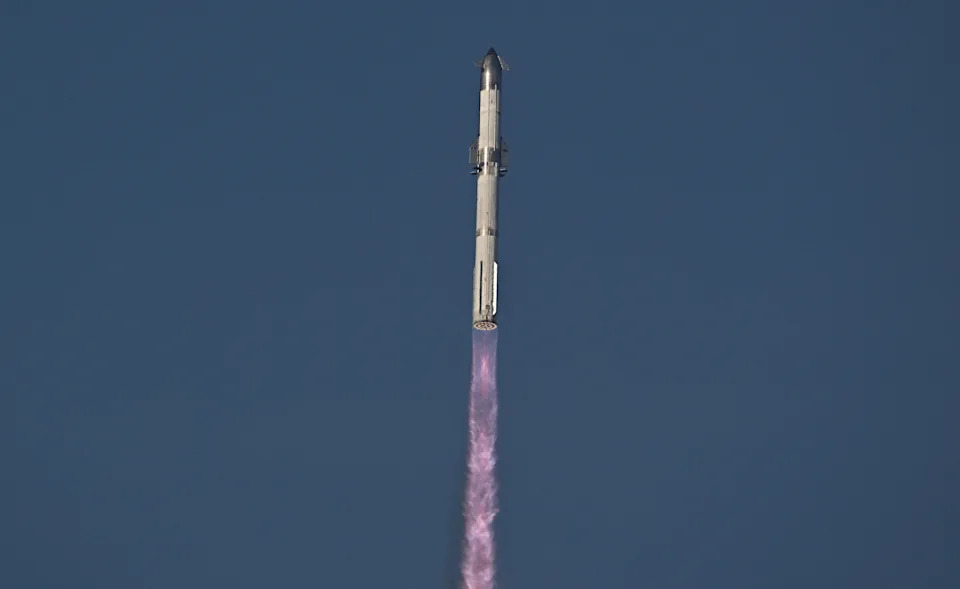
Starship's Super Heavy booster propels the spacecraft into the sky Tuesday, Aug. 26 after launching from Starbase in South Texas.
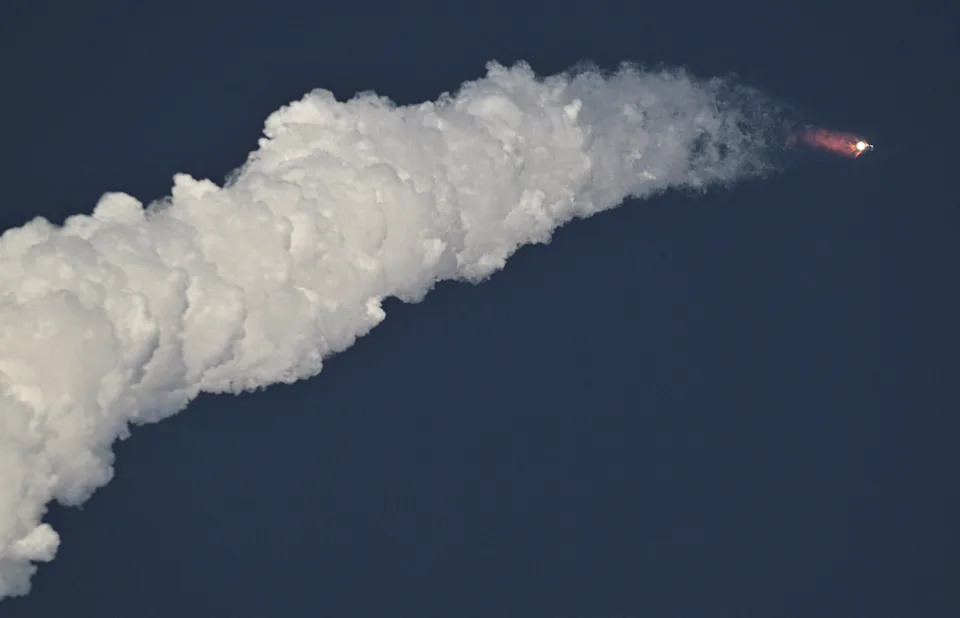
Starship's contrail can be seen in the sky.
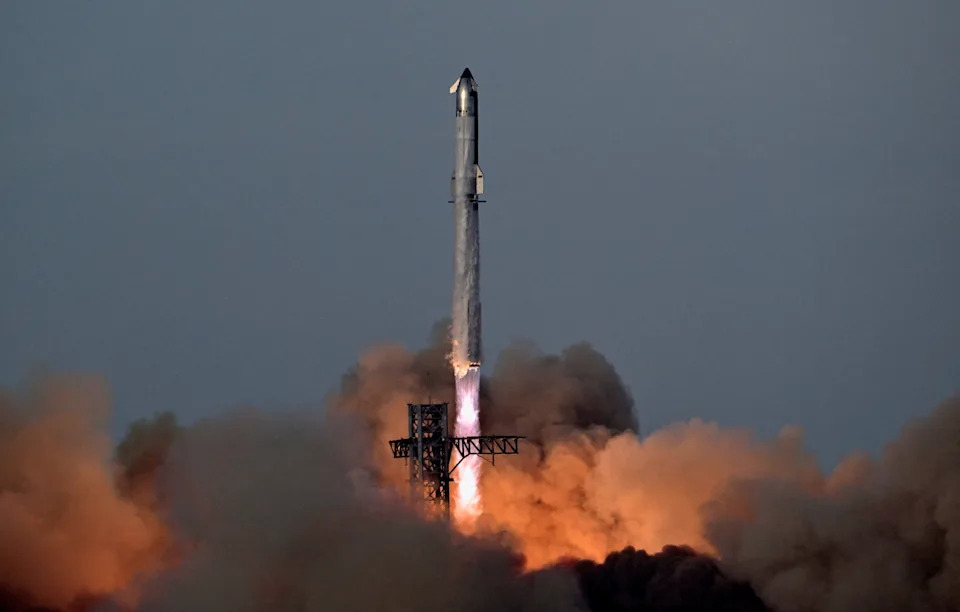
Starship launches Aug. 26 on its 10th flight test from SpaceX's Starbase complex since April 2023. The successful mission ended a string of explosive setbacks for the company in the spacecraft's development.
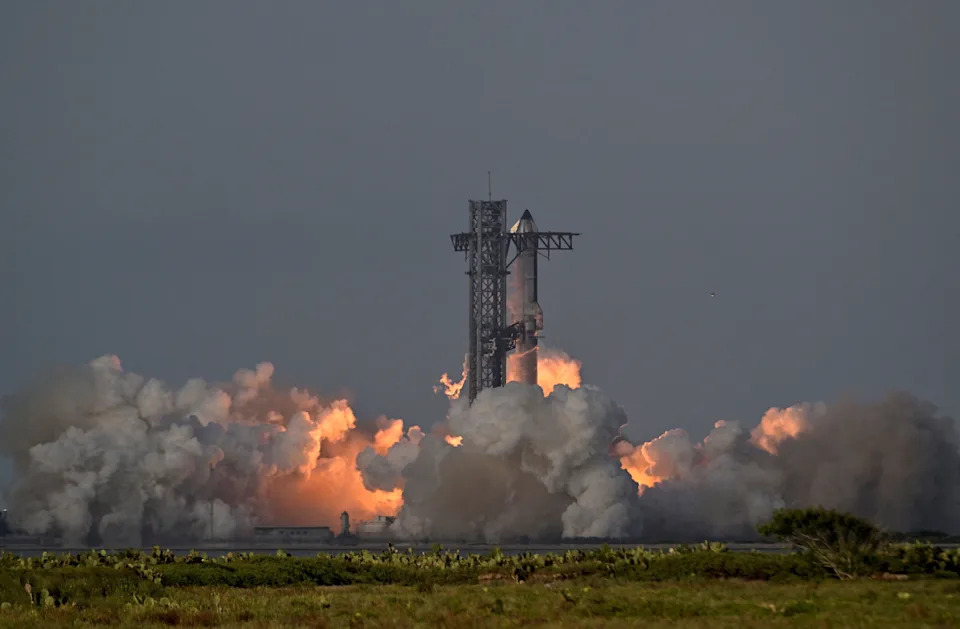
Starship launches Aug. 26 from South Texas.
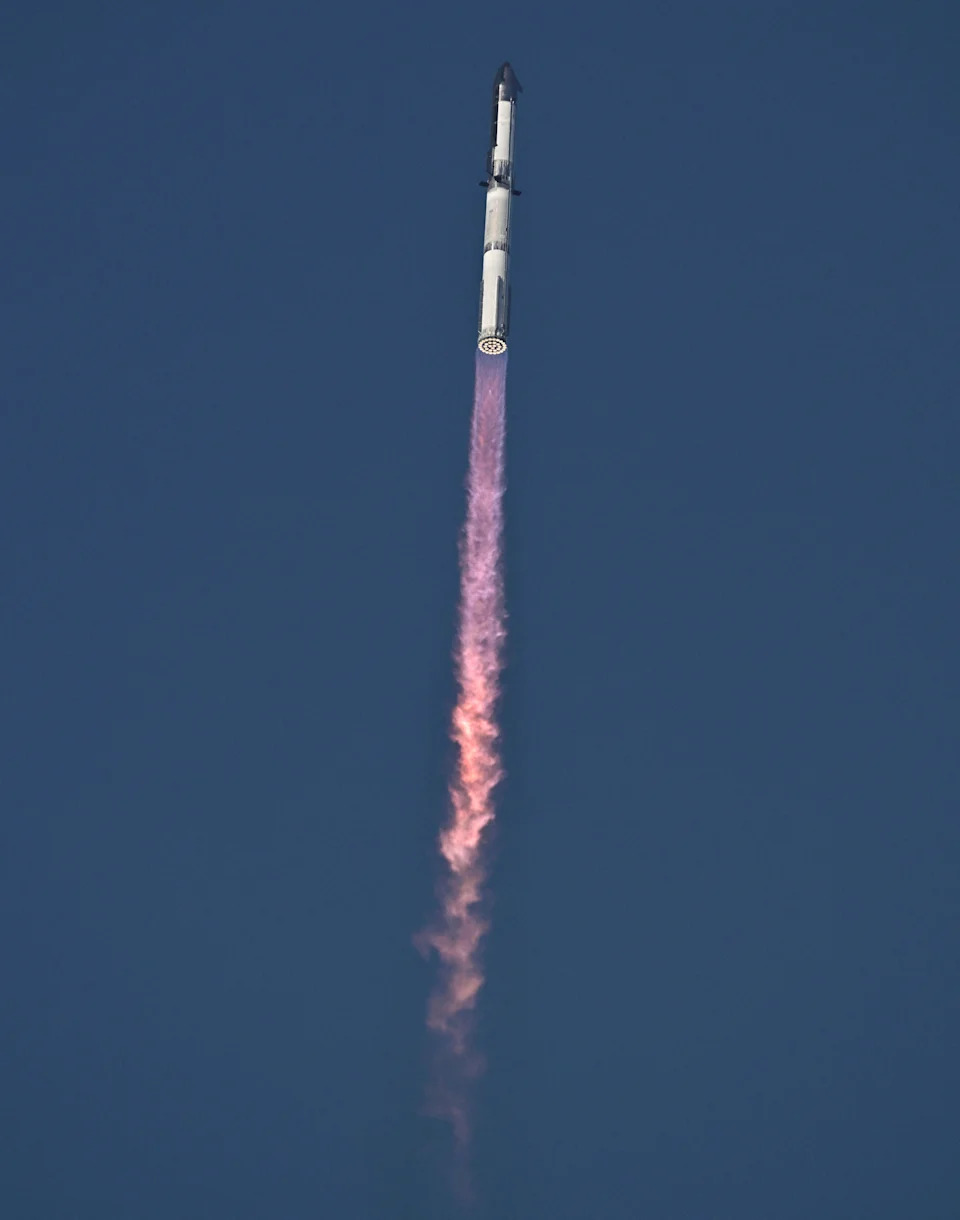
Starship soars into the sky Tuesday, Aug. 26 after launching from South Texas.
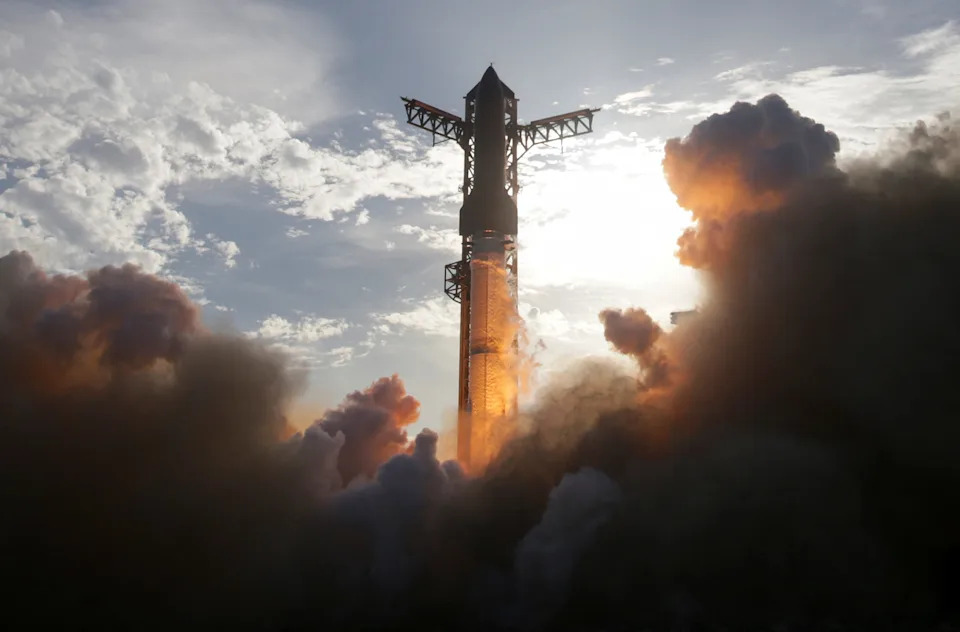
Starship, composed of an upper stage spacecraft and lower stage rocket booster known as Super Heavy, lifts off Aug. 26 from SpaceX's Starbase headquarters in South Texas.
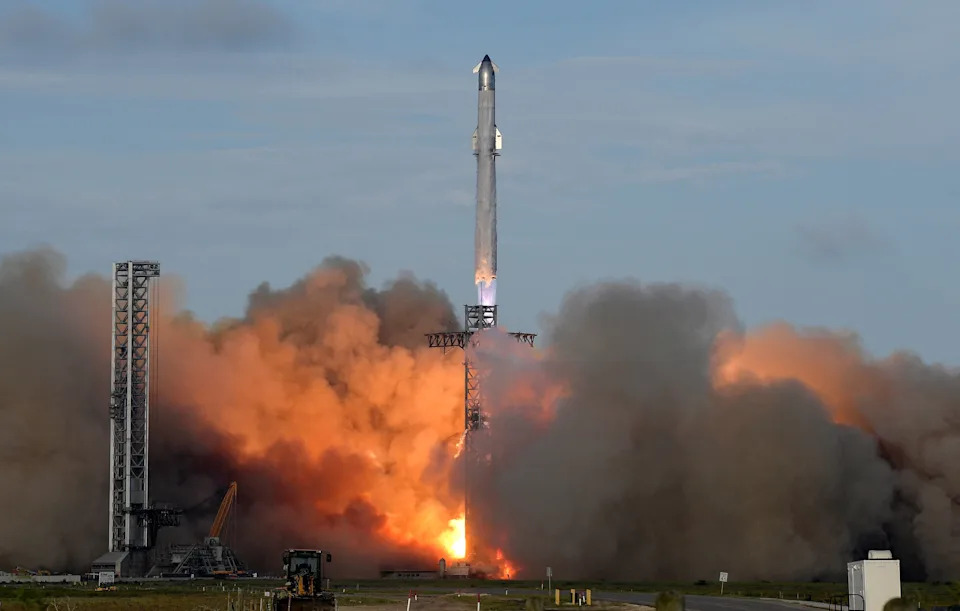
Starship, composed of an upper stage spacecraft and lower stage rocket booster known as Super Heavy, lifts off Aug. 26 from SpaceX's Starbase headquarters in South Texas.
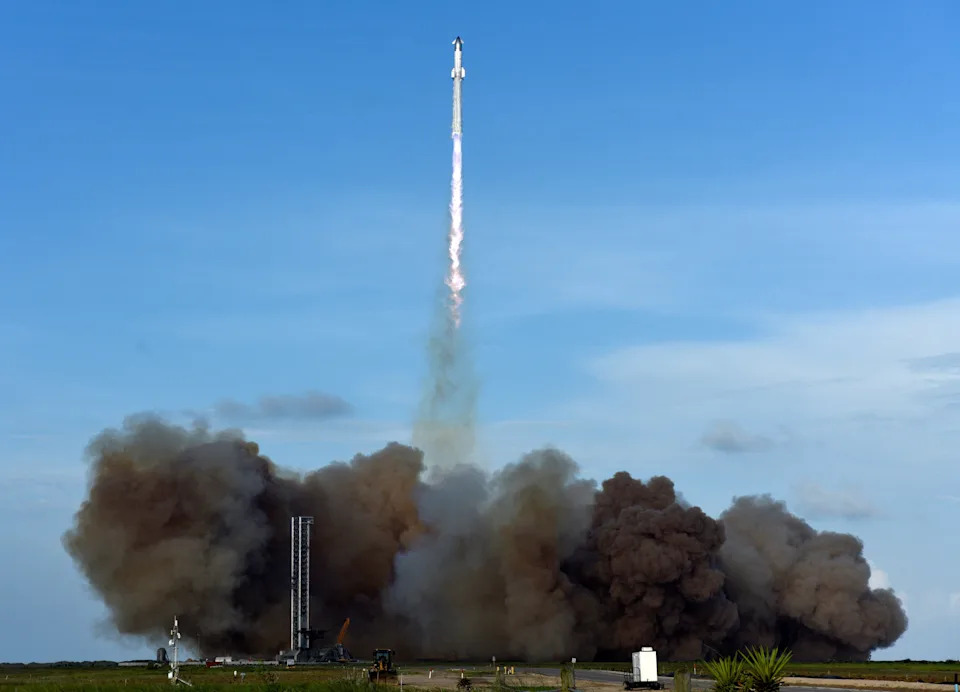
Starship, composed of an upper stage spacecraft and lower stage rocket booster known as Super Heavy, lifts off Aug. 26 from SpaceX's Starbase headquarters in South Texas.
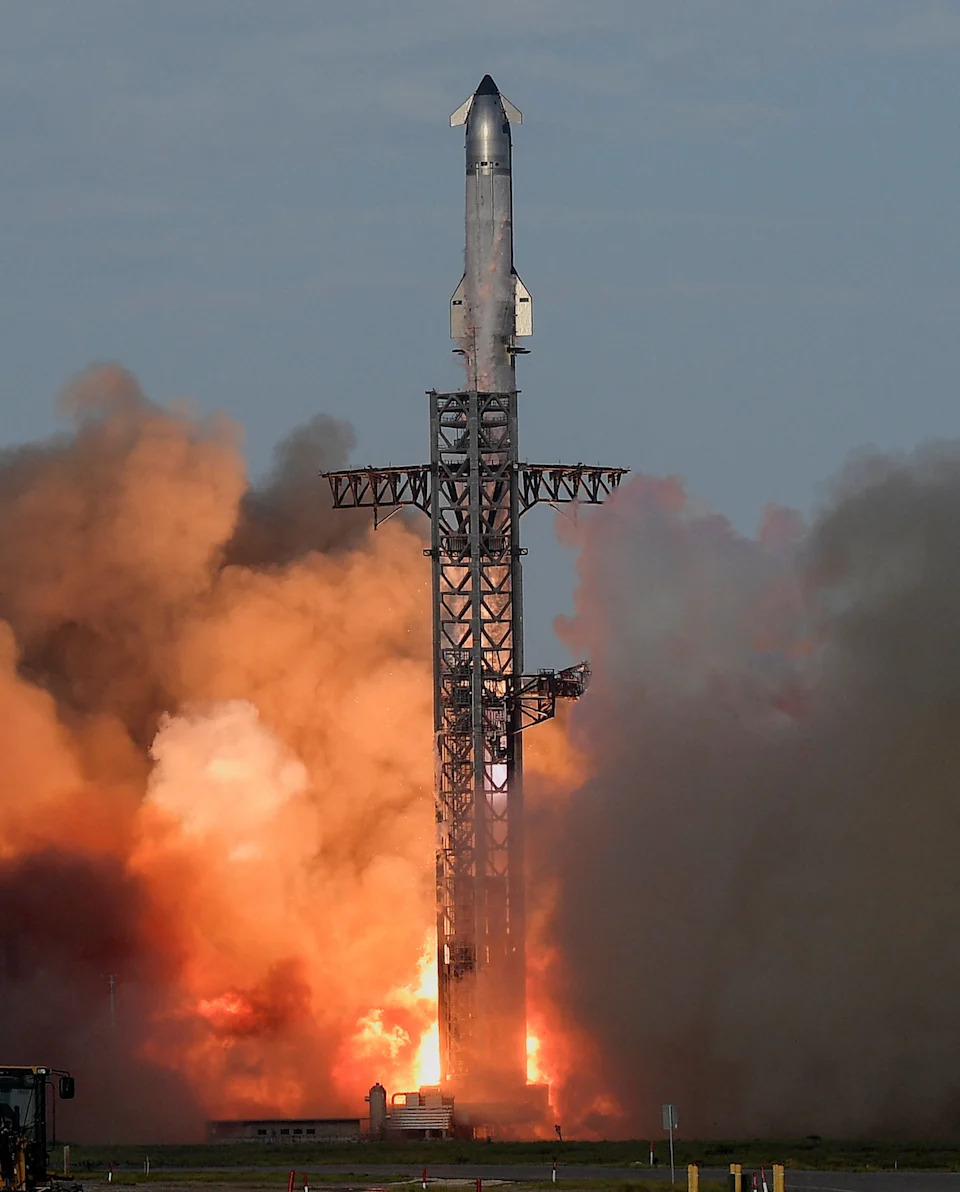
Starship, composed of an upper stage spacecraft and lower stage rocket booster known as Super Heavy, lifts off Aug. 26 from SpaceX's Starbase headquarters in South Texas.
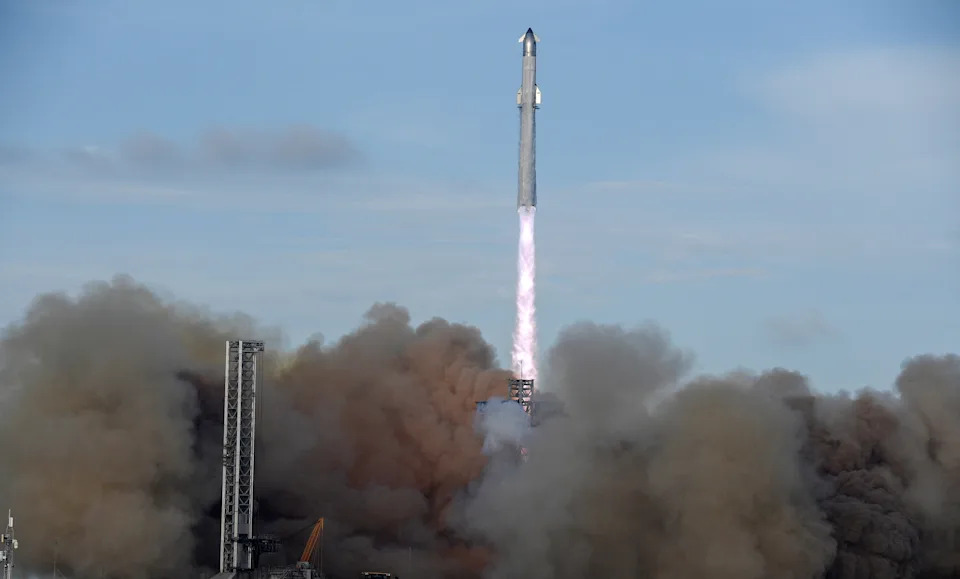
Starship, composed of an upper stage spacecraft and lower stage rocket booster known as Super Heavy, lifts off Aug. 26 from SpaceX's Starbase headquarters in South Texas.
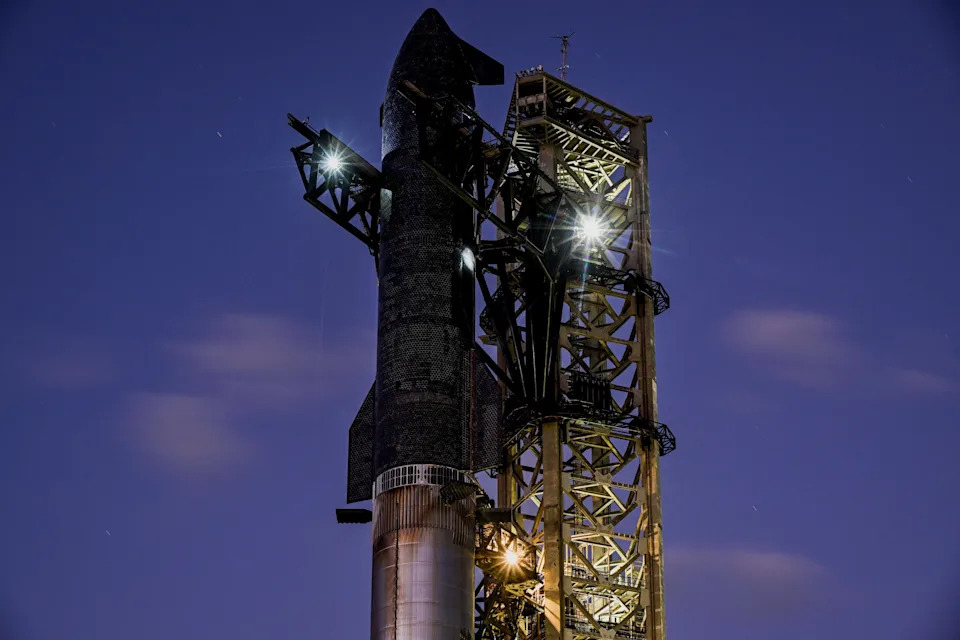
The SpaceX Starship spacecraft sits Oct. 12, 2025 atop the Super Heavy booster before sunrise as preparations continue for its 11th test flight from the company's complex in Starbase, Texas.
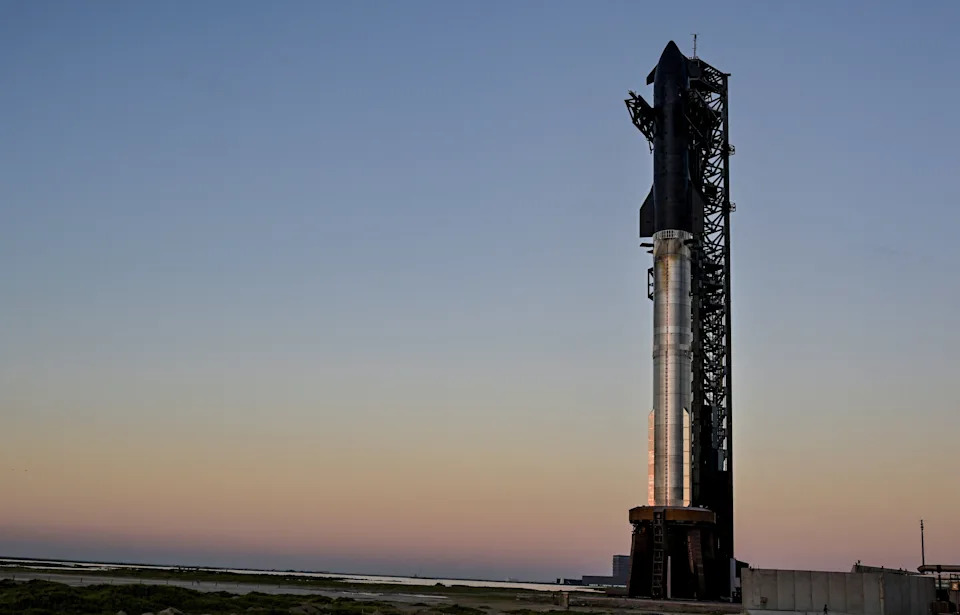
The SpaceX Starship spacecraft sits Oct. 12, 2025 atop the Super Heavy booster before sunrise as preparations continue for its 11th test flight from the company's complex in Starbase, Texas.
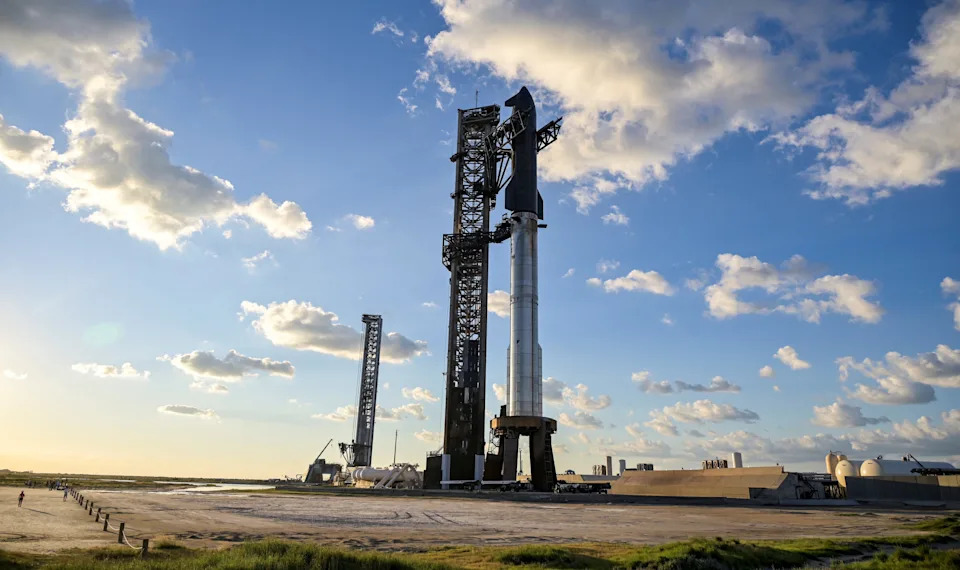
The SpaceX Starship spacecraft is hoisted Oct. 11, 2025 along the launch tower for stacking atop the Super Heavy booster in preparation for its 11th test flight from the company's complex in Starbase, Texas.
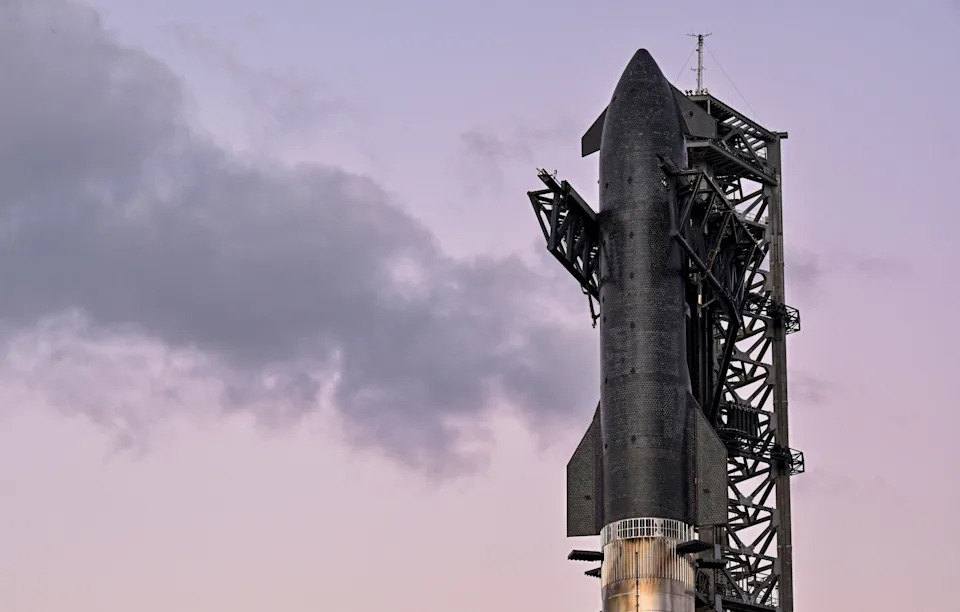
The SpaceX Starship spacecraft sits Oct. 12, 2025 atop the Super Heavy booster before sunrise as preparations continue for its 11th test flight from the company's complex in Starbase, Texas.
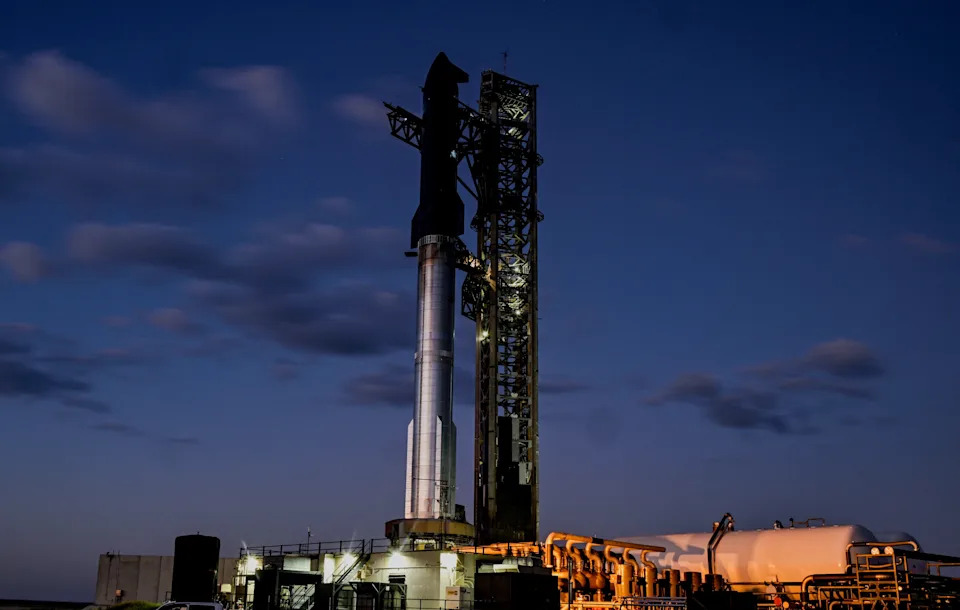
The SpaceX Starship spacecraft sits Oct. 12, 2025 atop the Super Heavy booster before sunrise as preparations continue for its 11th test flight from the company's complex in Starbase, Texas.
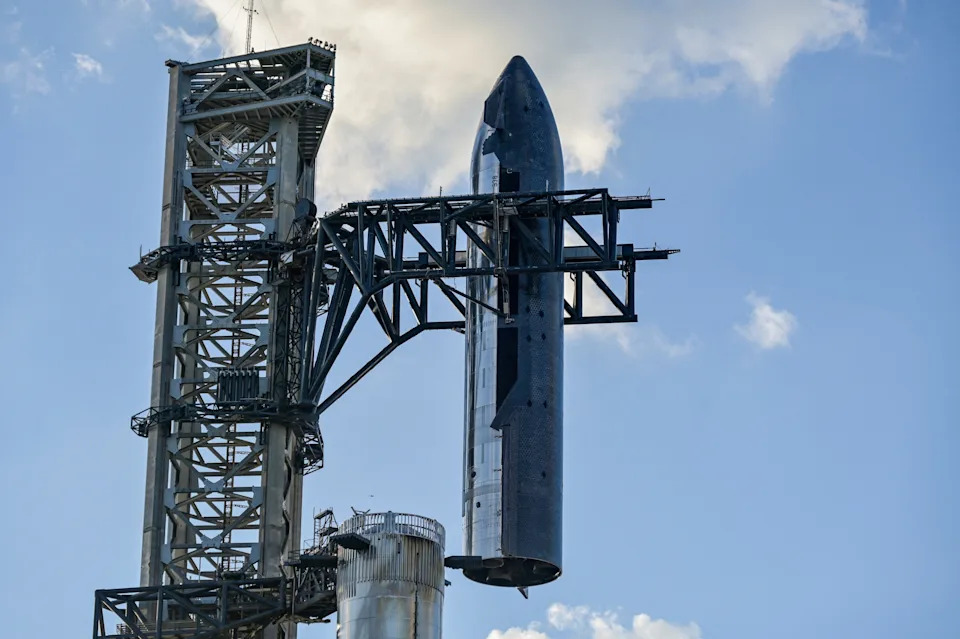
The SpaceX Starship spacecraft is hoisted Oct. 11, 2025 along the launch tower for stacking atop the Super Heavy booster in preparation for its 11th test flight from the company's complex in Starbase, Texas.
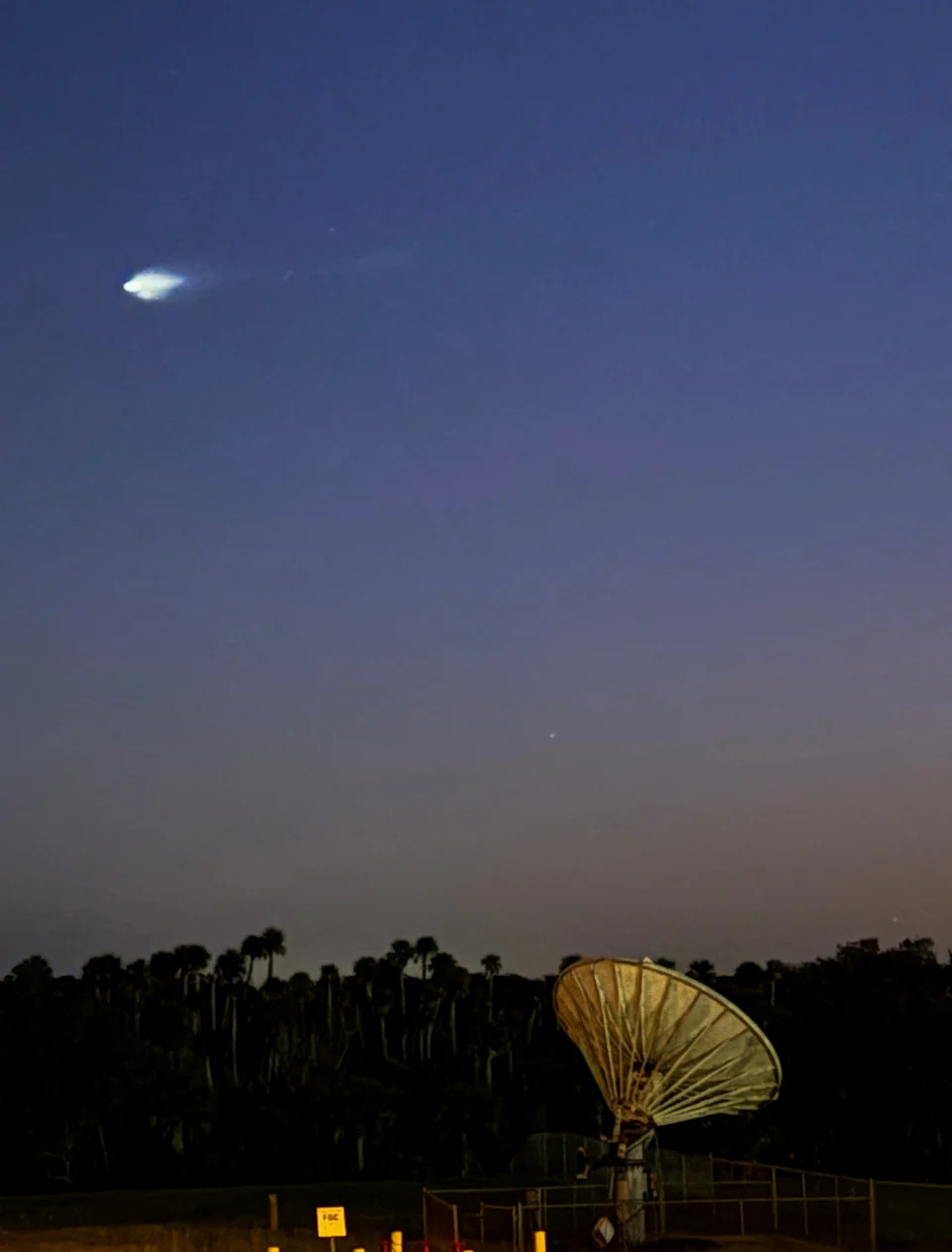
SpaceX’s 11th Starship test flight lights up the skies over Brevard as seen from the Kennedy Space Center October 13, 2025. Craig Bailey, FLORIDA TODAY via USA TODAY NETWORK
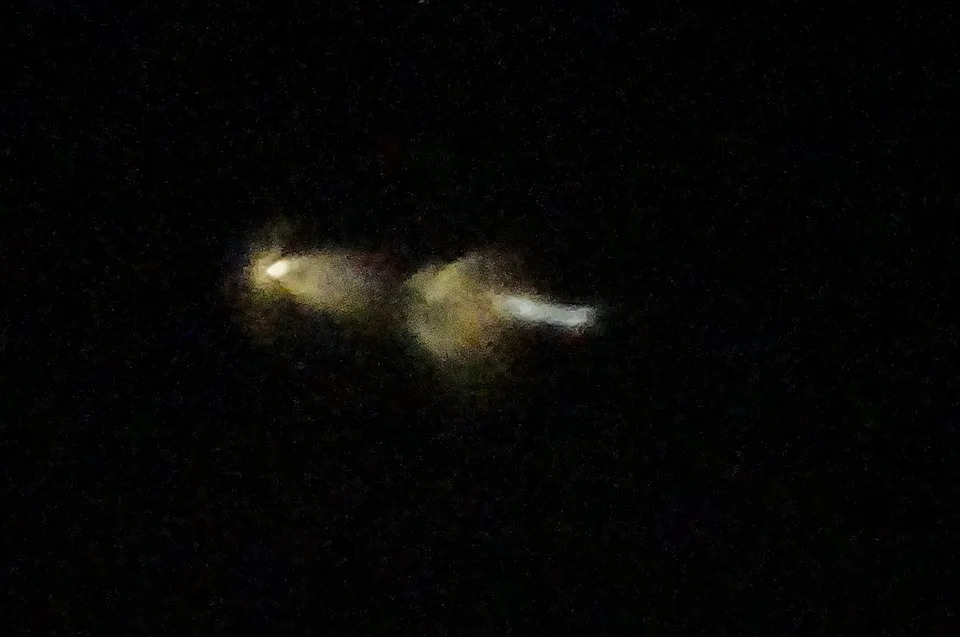
SpaceX’s 11th Starship test flight lights up the skies over Brevard as seen from the Kennedy Space Center October 13, 2025. Craig Bailey, FLORIDA TODAY via USA TODAY NETWORK
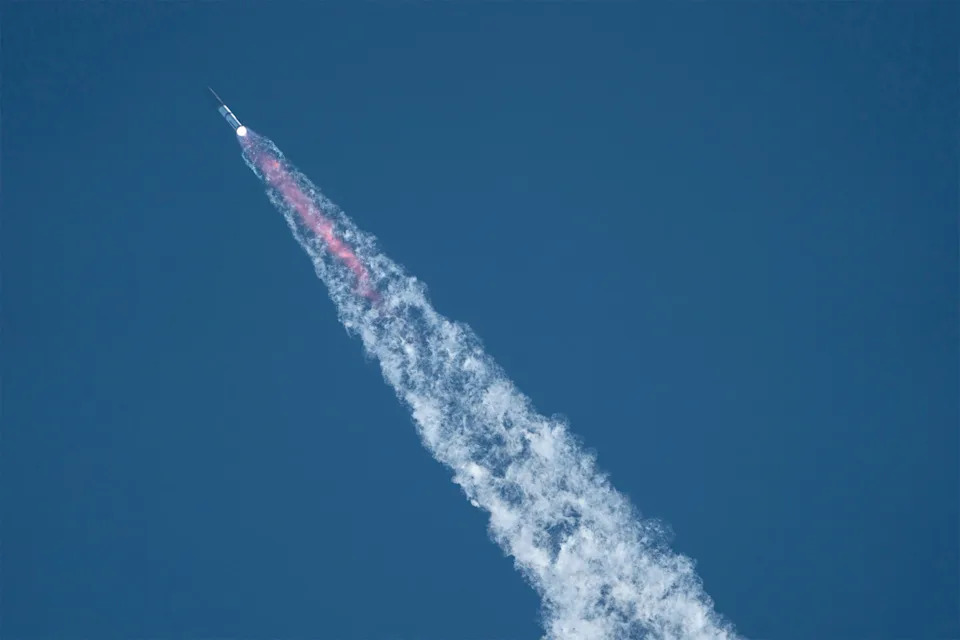
SpaceX's Starship rocket launches Oct. 13 during the 11th test flight, as seen from South Padre Island in Texas.
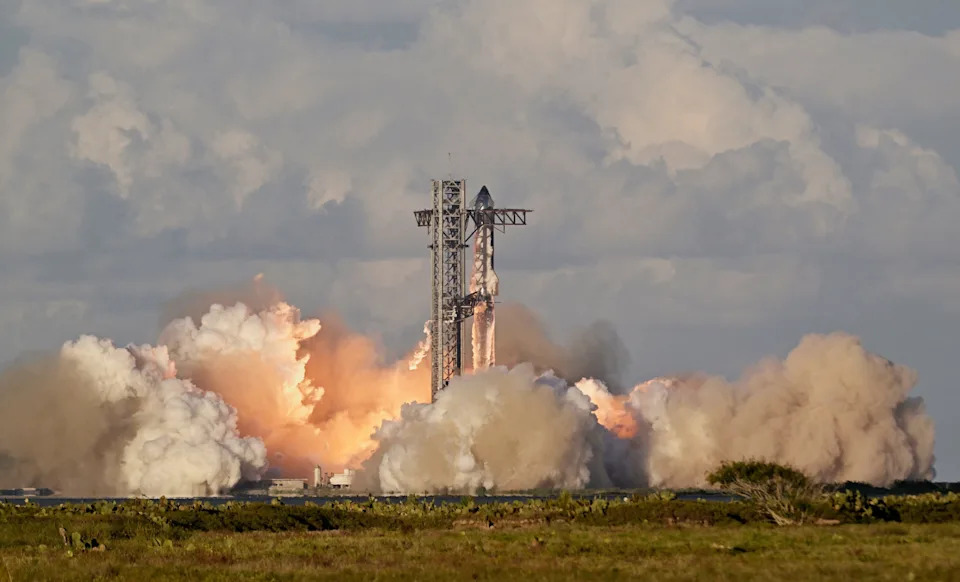
A SpaceX Super Heavy booster carrying the Starship spacecraft lifts off October 13, 2025 on its 11th test flight at the company's launch pad in Starbase, Texas.
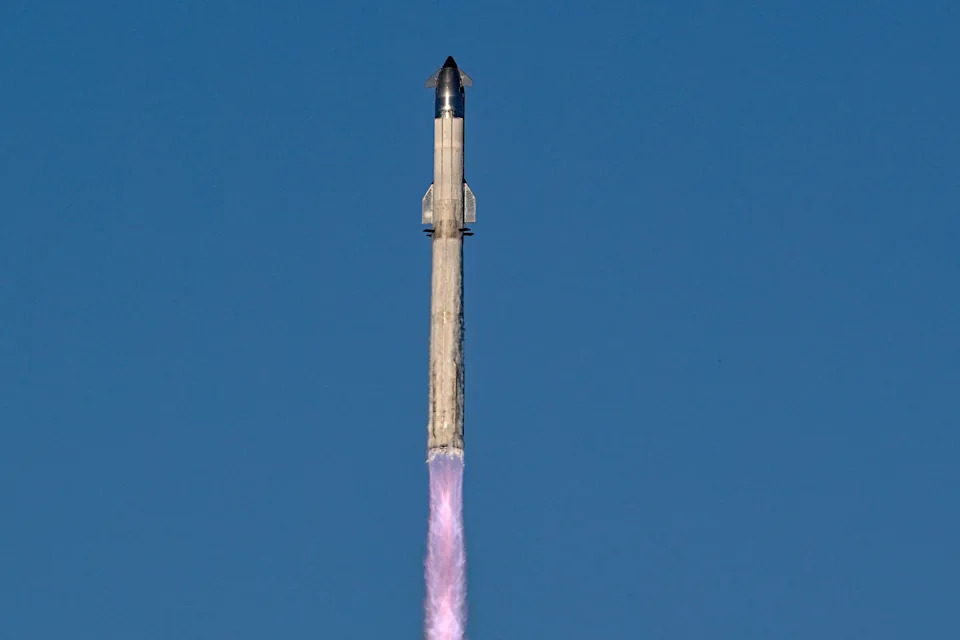
A SpaceX Super Heavy booster carrying the Starship spacecraft lifts off October 13, 2025 on its 11th test flight at the company's launch pad in Starbase, Texas.
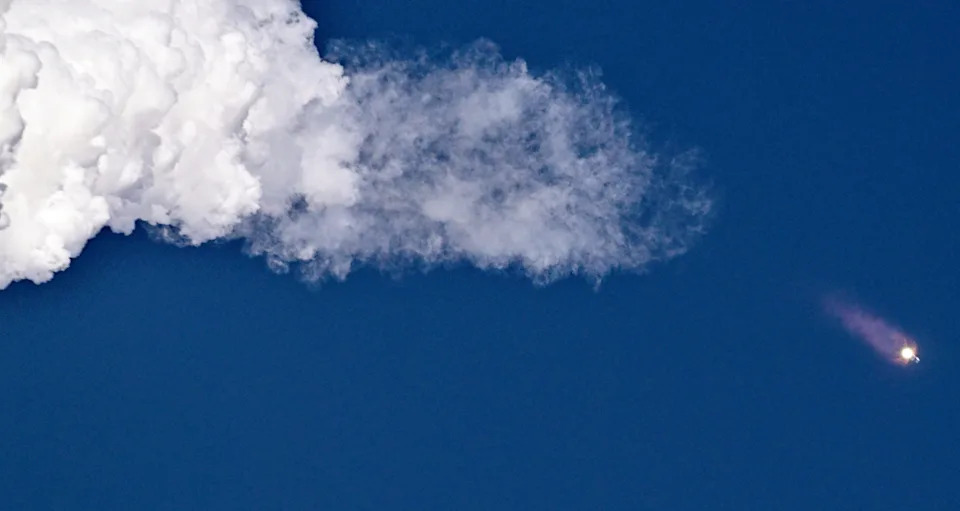
A SpaceX Super Heavy booster carrying the Starship spacecraft lifts off October 13, 2025 on its 11th test flight at the company's launch pad in Starbase, Texas.
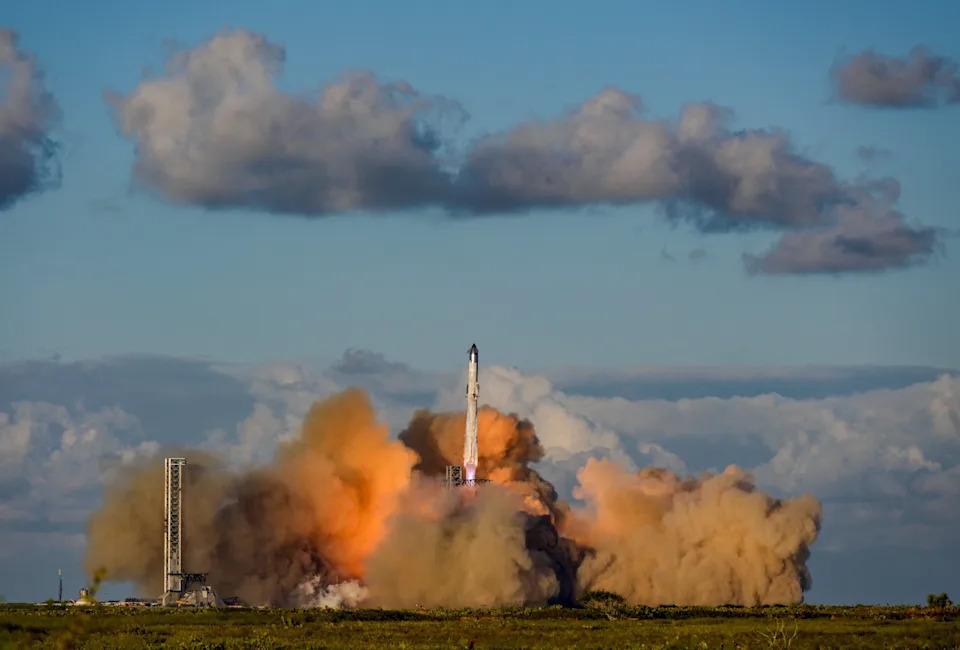
A SpaceX Super Heavy booster carrying the Starship spacecraft lifts off October 13, 2025 on its 11th test flight at the company's launch pad in Starbase, Texas.
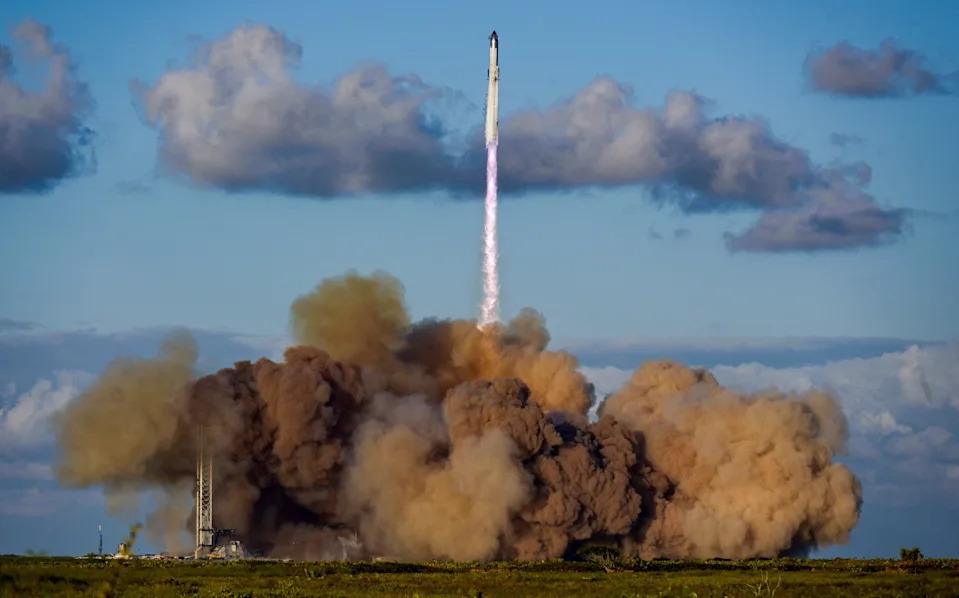
A SpaceX Super Heavy booster carrying the Starship spacecraft lifts off October 13, 2025 on its 11th test flight at the company's launch pad in Starbase, Texas.
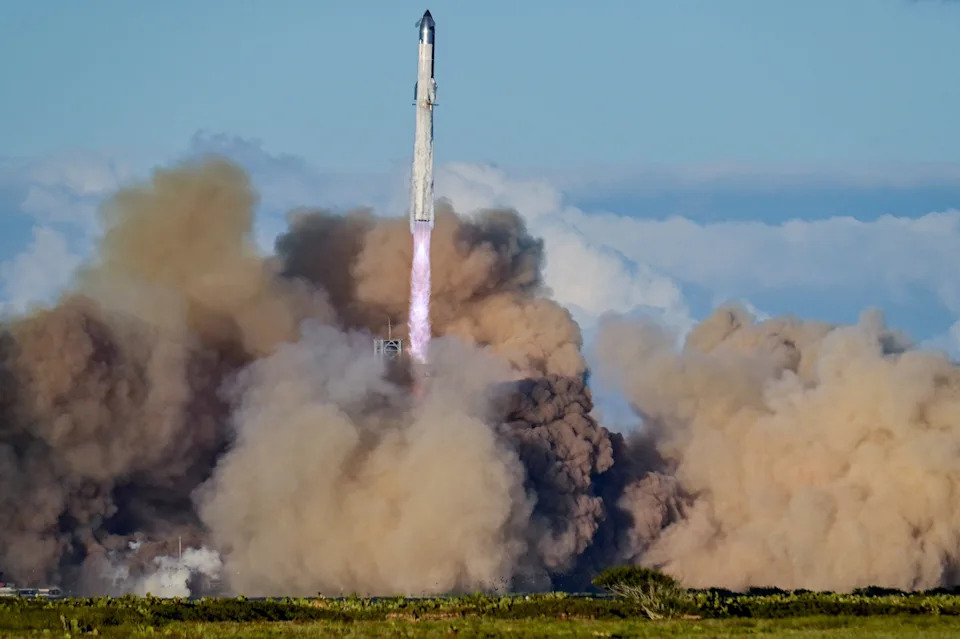
A SpaceX Super Heavy booster carrying the Starship spacecraft lifts off October 13, 2025 on its 11th test flight at the company's launch pad in Starbase, Texas.
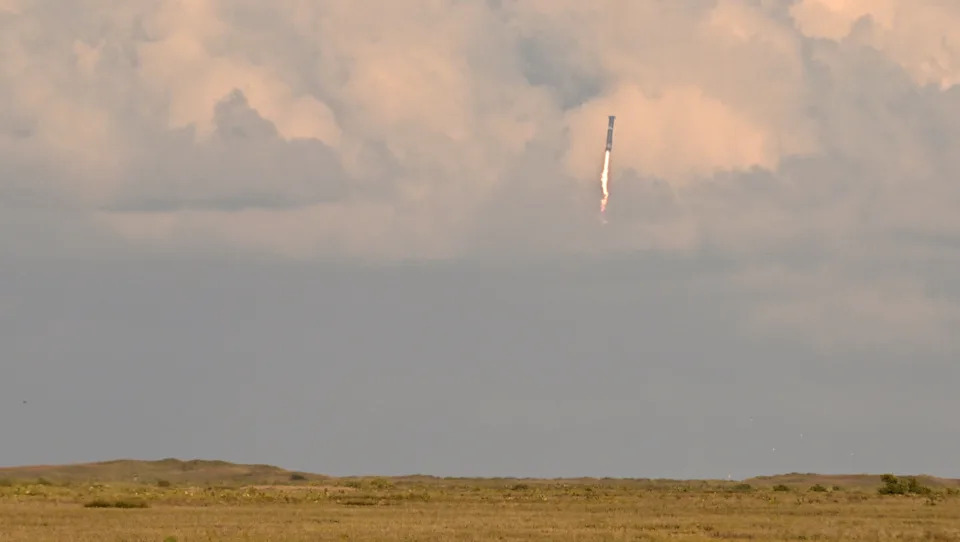
A SpaceX Super Heavy booster splashes down in the Gulf of Mexico, renamed by the U.S. government as the Gulf of America, after launching the SpaceX Starship spacecraft October 13, 2025 on its 11th test flight at the company's launch pad in Starbase, Texas.
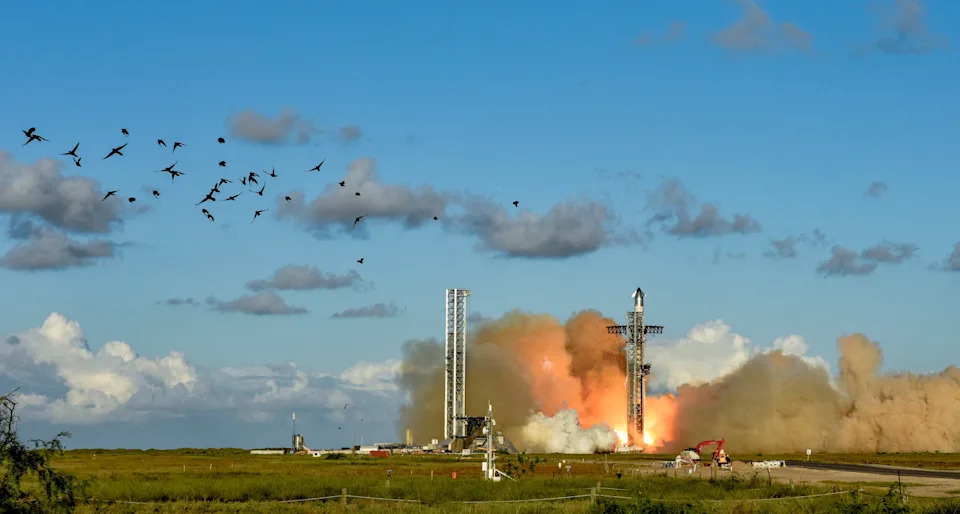
A SpaceX Super Heavy booster carrying the Starship spacecraft lifts off October 13, 2025 on its 11th test flight at the company's launch pad in Starbase, Texas.
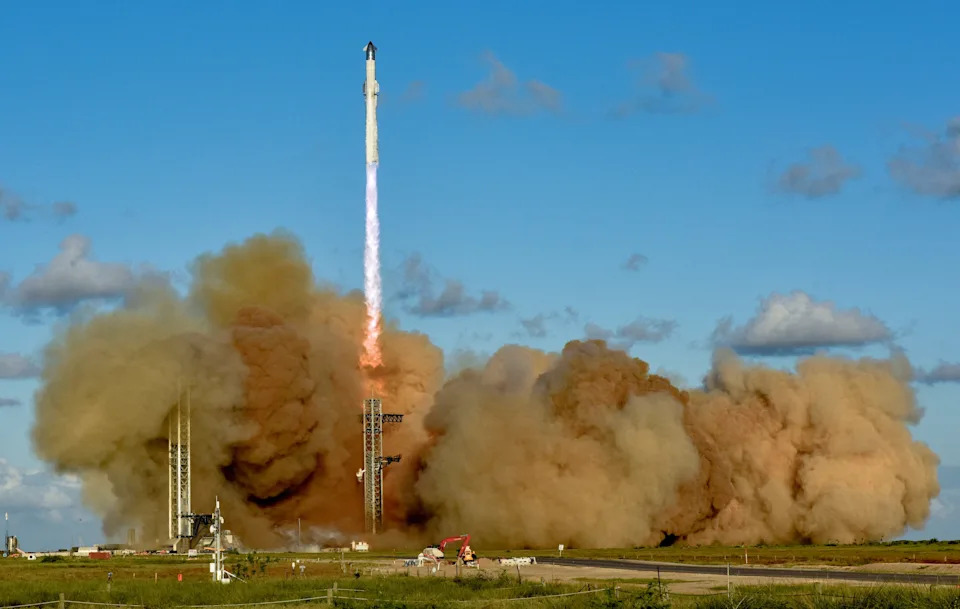
A SpaceX Super Heavy booster carrying the Starship spacecraft lifts off October 13, 2025 on its 11th test flight at the company's launch pad in Starbase, Texas.
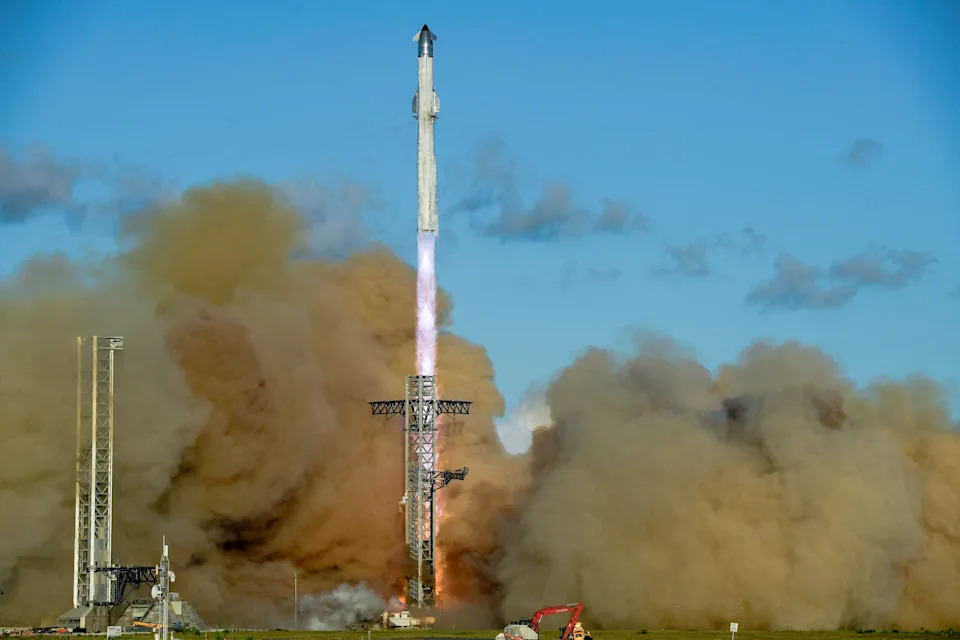
A SpaceX Super Heavy booster carrying the Starship spacecraft lifts off October 13, 2025 on its 11th test flight at the company's launch pad in Starbase, Texas.
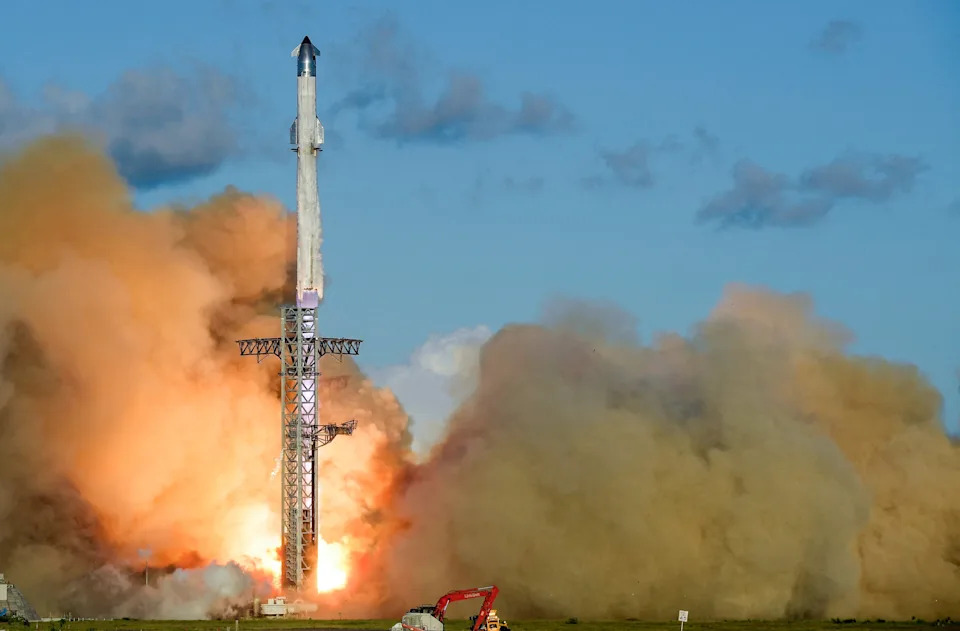
A SpaceX Super Heavy booster carrying the Starship spacecraft lifts off October 13, 2025 on its 11th test flight at the company's launch pad in Starbase, Texas.
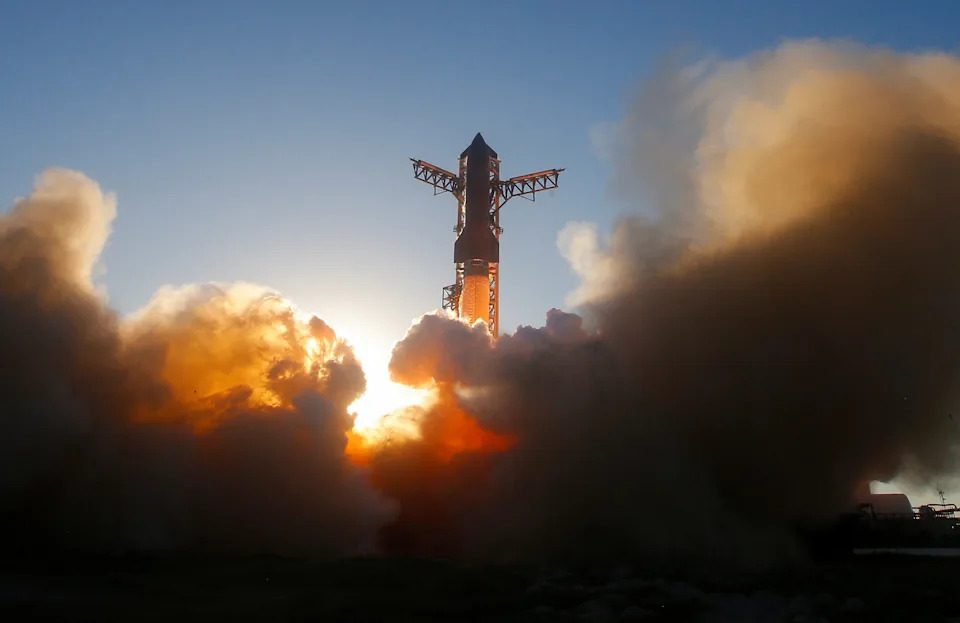
A SpaceX Super Heavy booster carrying the Starship spacecraft lifts off October 13, 2025 on its 11th test flight at the company's launch pad in Starbase, Texas.
Help us improve.





















