Iran warned it would unleash "long and painful" strikes on U.S. positions if Washington resumes attacks and reaffirmed control of the Strait of Hormuz, which remains closed and is disrupting about 20% of global oil flows. President Trump was due to receive a briefing on possible fresh strikes even as a State Department proposal invites partners to a Maritime Freedom Construct to reopen the waterway. Brent crude briefly spiked above $126 amid the reports; the U.N. warned prolonged disruption could deepen global economic pain.
Iran Vows "Long and Painful" Strikes if U.S. Resumes Attacks; Strait of Hormuz Remains Closed
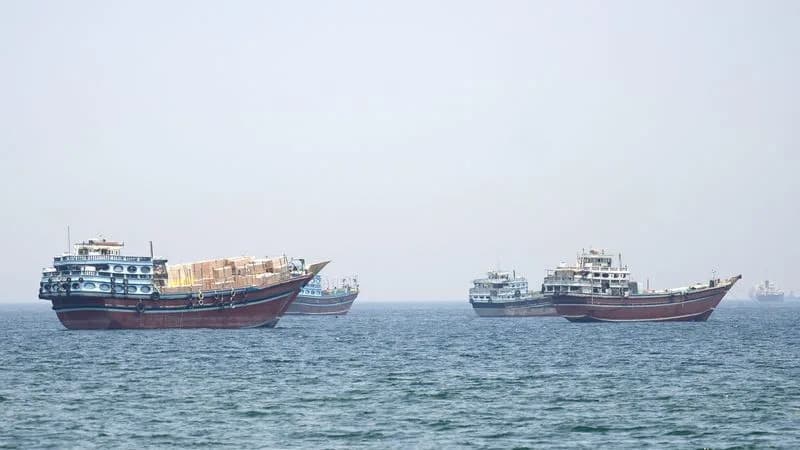
Ships and boats in the Strait of Hormuz, Musandam, Oman, April 29, 2026. REUTERS/Stringer
WASHINGTON/DUBAI, April 30 (Reuters) - Iran warned on Thursday it would carry out "long and painful strikes" against U.S. positions should Washington resume attacks, and reiterated control over the Strait of Hormuz — a development that complicates U.S. efforts to form a coalition to reopen the vital shipping lane.
Situation Overview
Two months into the conflict pitting U.S. and Israeli forces against Iran, the Strait of Hormuz remains effectively closed, disrupting roughly 20% of global oil and gas shipments. The shutdown has driven energy prices sharply higher and raised concerns of a broader economic slowdown.
Threats and Military Planning
Iran's Islamic Revolutionary Guard Corps (IRGC) warned that any U.S. strike, even if limited, would trigger "long and painful strikes" on American regional bases and vessels. Aerospace Force Commander Majid Mousavi was quoted by Iranian media:
"We've seen what happened to your regional bases; we will see the same thing happen to your warships."
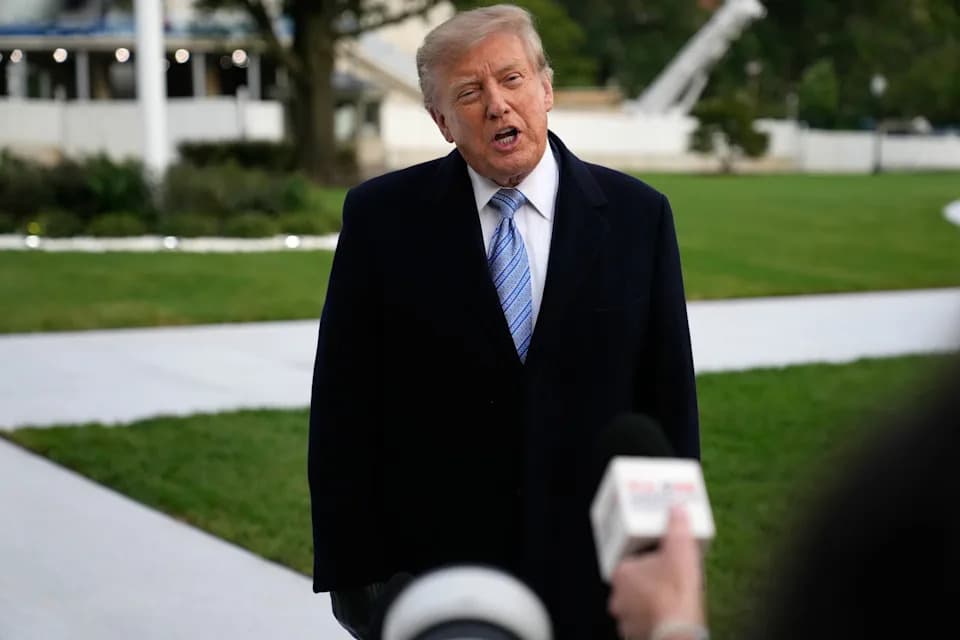
U.S. President Donald Trump was due to receive a briefing on possible fresh military strikes intended to compel Iran to negotiate an end to hostilities. Options under consideration reportedly include targeted strikes, extending a naval blockade, deploying ground forces to secure parts of the strait to reopen shipping, or other measures to pressure Tehran.
Economic Impact
News of the possible U.S. actions initially sent Brent crude briefly above $126 a barrel before prices eased toward roughly $114. Brent has roughly doubled since the conflict began on February 28, intensifying inflationary pressures and pushing fuel prices to politically sensitive levels worldwide.
Diplomacy and Coalitions
A State Department cable invited partner nations to join a proposed Maritime Freedom Construct (MFC) to help secure navigation through the strait. The MFC was described as "a critical first step in the establishment of a post-conflict maritime security architecture for the Middle East." France, Britain and other potential contributors have discussed participation but say they will help reopen the strait only after hostilities end.
U.N. Secretary-General Antonio Guterres cautioned that prolonged disruption through mid-year could slow global growth, raise inflation and push tens of millions more people into poverty and extreme hunger. He warned:
"The longer this vital artery is choked, the harder it will be to reverse the damage."
Regional Diplomacy
A ceasefire has been in place since April 8, but Iran continues to block most commercial traffic through the strait in response to what it calls a U.S. naval blockade of its oil exports. Iranian Foreign Minister Abbas Araqchi spoke by phone with Lebanese Parliament Speaker Nabih Berri to discuss developments in Lebanon and the region; Tehran says halting Israeli strikes on Lebanon was part of the ceasefire understanding and remains a key issue for any future talks.
Pakistan is acting as a mediator and has sought to avoid escalation while the U.S. and Iran exchange messages on a potential deal. Tehran has reportedly offered to postpone discussion of its nuclear program until after a formal end to the conflict and the reopening of shipping lanes — an approach the U.S. has rejected.
What's Next
U.S. decision-makers face a range of military and diplomatic options. Allies' reluctance to act until hostilities formally end, Iran's control of the strait, and the economic consequences of prolonged closure mean the coming days will be critical for whether the situation escalates or a negotiated settlement gains traction.
Reporting by Reuters bureaus; writing by Lincoln Feast, Philippa Fletcher and Keith Weir; editing by Neil Fullick, Timothy Heritage and Hugh Lawson.
Help us improve.