João Pedro de Magalhães proposes the "longevity bottleneck hypothesis", arguing that prolonged dinosaur dominance favoured rapid reproduction in early mammals and may have led to the loss or silencing of genes that support long life. He points to comparative differences between mammals and many reptiles — such as reduced regenerative traits and repair enzymes in mammals — as possible evidence. The idea is speculative and requires broad comparative genomic and functional testing, but it could reshape how scientists view the evolutionary origins of ageing.
Were Humans Meant To Live Longer? Scientist's "Longevity Bottleneck" Links Dinosaur Rule To Faster Ageing
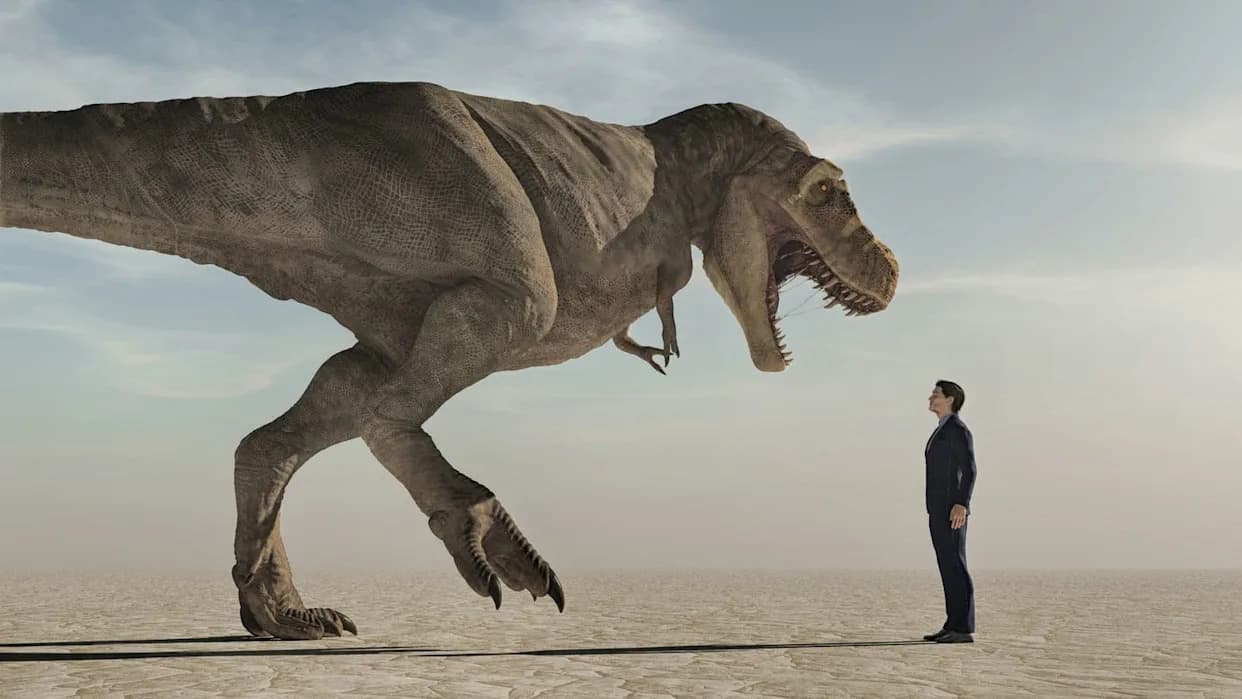
Dinosaur Dominance May Be Why Our Lives Are ShortOrla - Getty Images
João Pedro de Magalhães, a microbiologist at the University of Birmingham, has proposed a provocative evolutionary idea: the long reign of dinosaurs may have pushed early mammals onto a fast-reproducing, short-lived life strategy — a change that could still constrain mammalian (including human) longevity today.
What the Longevity Bottleneck Hypothesis Claims
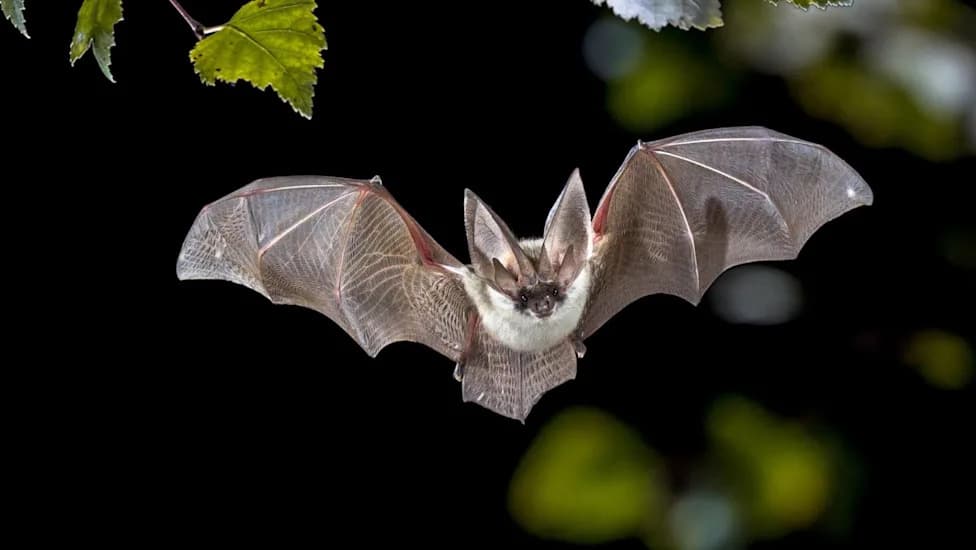
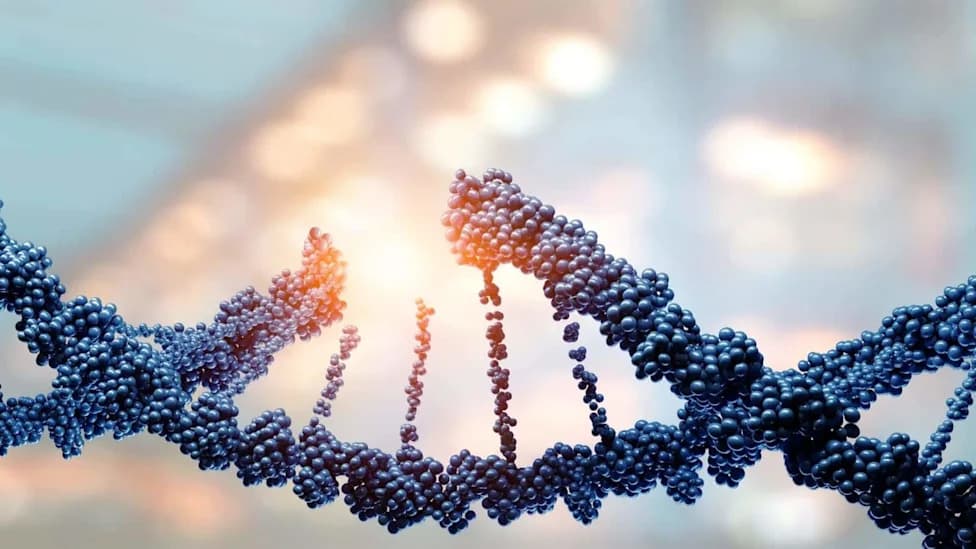
De Magalhães terms this the "longevity bottleneck hypothesis". In a 2023 paper in BioEssays, he argues that for roughly 100 million years of the Mesozoic Era, mammals were small, nocturnal and frequently preyed upon by dinosaurs. Under such heavy predation, natural selection favoured individuals that reproduced quickly rather than invested resources in long-term repair and maintenance. Over many generations, this selection pressure could have led to the loss or inactivation of genes and pathways that support extended lifespan and regenerative capacity.
"My hypothesis is that such a long evolutionary pressure on early mammals for rapid reproduction led to the loss or inactivation of genes and pathways associated with long life," de Magalhães wrote. "I call this the 'longevity bottleneck hypothesis,' which is further supported by the absence in mammals of regenerative traits."
Comparative Evidence and Examples
De Magalhães points to broad differences across animal groups: many reptiles and some other taxa age more slowly and retain robust regenerative mechanisms (for example, continuous tooth growth in many reptiles) while most mammals show more limited repair and regeneration. He highlights candidate changes such as the disappearance or modulation of enzymes involved in DNA and tissue repair, or other pathways that might reduce damage accumulation.
He also notes exceptions: large mammals like elephants and certain whales achieve long lifespans and possess distinct adaptations (including multiple cancer-suppressing mechanisms) that can partly overcome ancestral constraints.
Caveats, Alternatives and Research Directions
De Magalhães stresses that this is a hypothesis intended to stimulate research, not a settled fact. Demonstrating a causal link will require comparative genomic surveys across many species, functional studies to test whether specific longevity-related genes were lost or silenced during the Mesozoic, and careful consideration of alternative explanations such as metabolic rate, body size evolution, and broader life-history trade-offs.
He also raises the possibility — still speculative — that faster intrinsic ageing in mammals might contribute to higher cancer incidence compared with some other groups, a question that requires targeted oncology and evolutionary studies.
Why It Matters
If supported, the longevity bottleneck hypothesis would reshape how researchers think about the deep evolutionary roots of ageing and could point to forgotten genetic programs that, if understood, might inform ageing and regenerative medicine. For now, the idea offers a thought-provoking perspective on why humans and most mammals age the way they do — and why, despite surviving the mass extinction that ended the dinosaurs, we may still carry their evolutionary legacy in our genomes.
Help us improve.