
Don Pettit grew a purple potato nicknamed "Spudnik" aboard the International Space Station, using an improvised grow-light terrarium and Velcro to stabilize the tuber. The experiment produced visible sprouts, and in microgravity the roots and shoots sometimes grew "upwards" as they searched for moisture. Pettit’s informal project echoes the premise of The Martian and offers practical observations relevant to future space agriculture and long-duration missions.
Meet Spudnik: The Purple Potato Don Pettit Grew Aboard the ISS
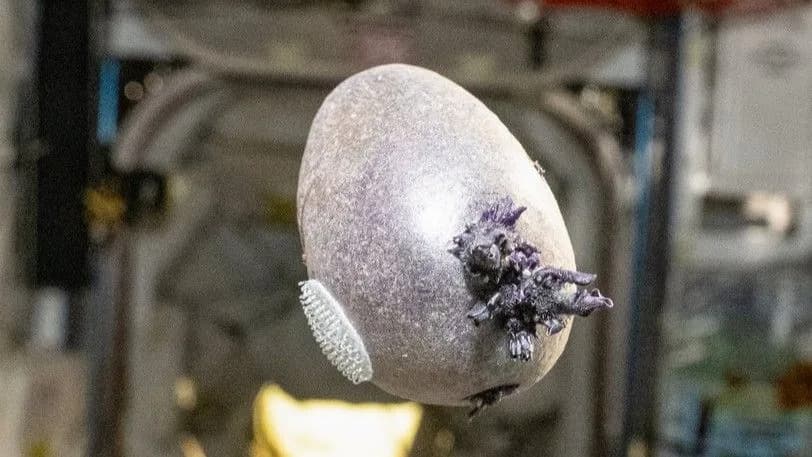
Credit: NASA/Don Petit
NASA astronaut Don Pettit has drawn attention for an unusual and charming experiment aboard the International Space Station: growing a purple potato he nicknamed “Spudnik.” What began as a lighthearted pastime has yielded real observations about how plants behave in microgravity and could inform future space agriculture.
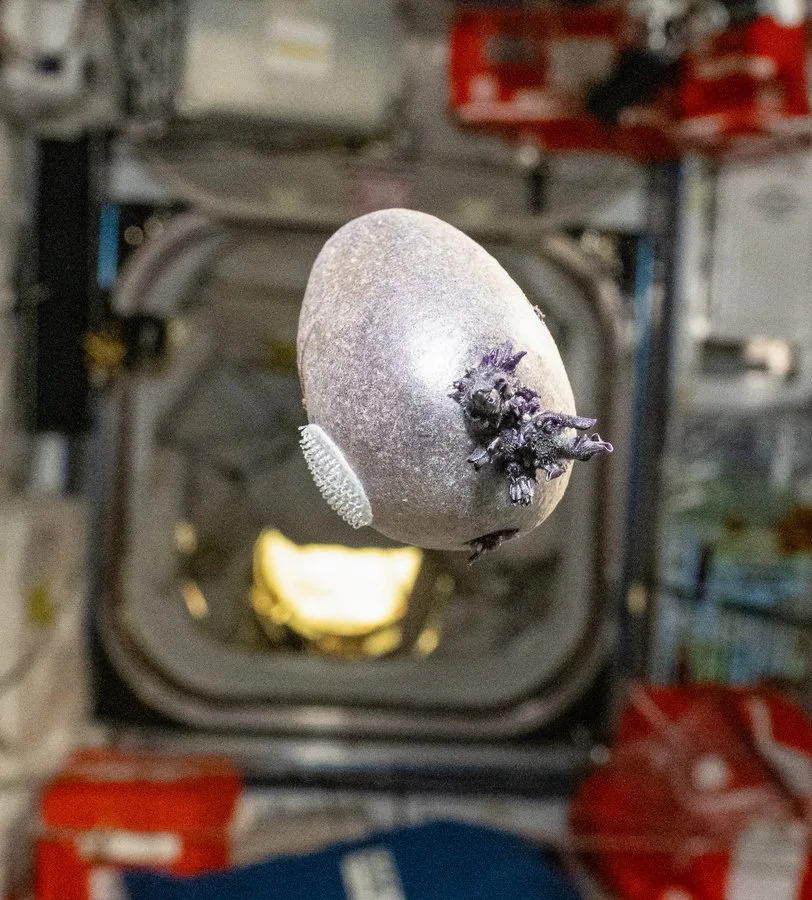
NASA astronaut Don Petit conducted this potato-growing experiment aboard the International Space Station. | Credit: NASA/Don Petit
How Spudnik Grew
During limited crew free time on the orbital outpost, astronauts often play music, create art or take photographs. Pettit chose a different hobby—echoing the premise of Andy Weir’s novel and film The Martian—and attempted to cultivate a tuber in orbit. He announced the project on X on March 20 and posted a photo update on April 15 showing the potato growing inside a clear containment bag.
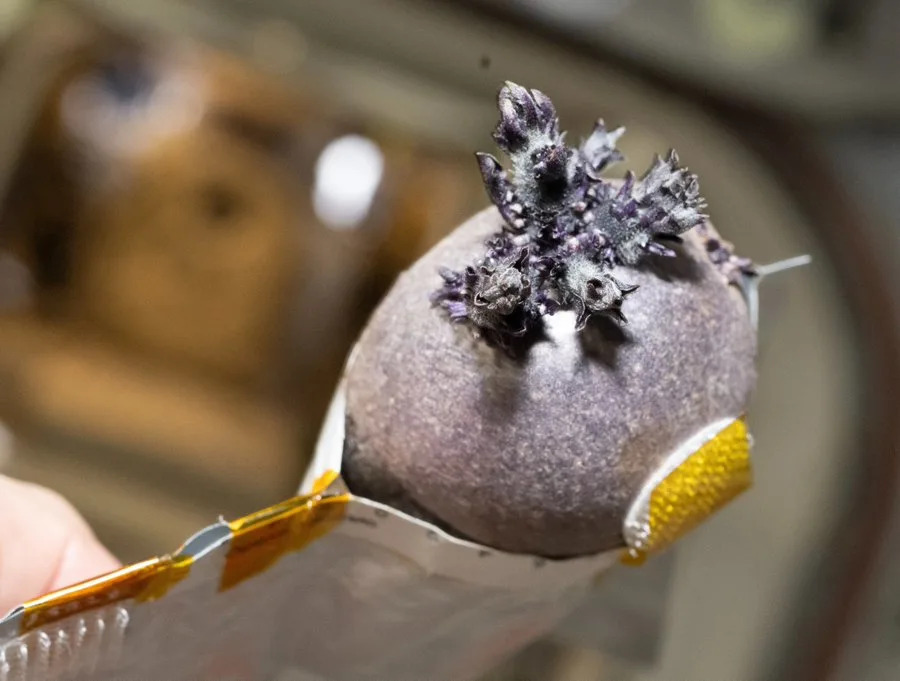
Don Petit's purple potato "Spudnik" emerges from a pouch. On the potato you can see purple fuzzy sprouts as well as velcro. | Credit: NASA/Don Petit
To coax the purple tuber into sprouting, Pettit built an improvised grow-light terrarium and stabilized the potato using Velcro so it would remain in place in the station’s weightless environment. The potato produced visible sprouts, emerging from the bag like a small, fuzzy, purple oddity.
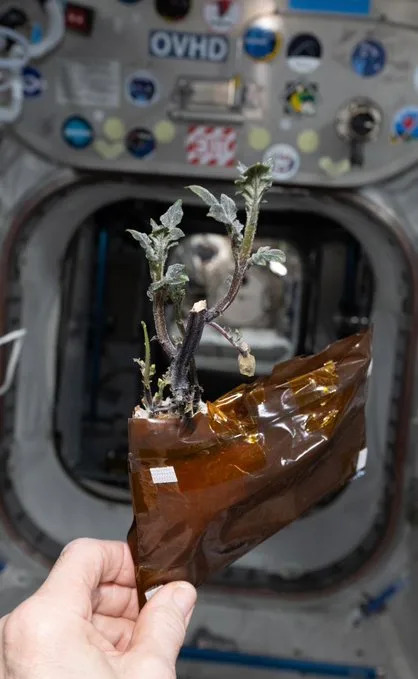
Don Petit's space potato experiment sprouts aboard the International Space Station.NASA/Don Petit
Microgravity Makes Plants Behave Differently
Pettit noted that, in microgravity, the potato’s roots and shoots did not follow the familiar downward growth pattern seen on Earth. In follow-up posts he observed that roots sometimes grew "upward" as they searched for moisture, and that the fuzzy tendrils behaved haphazardly without gravity to guide them:
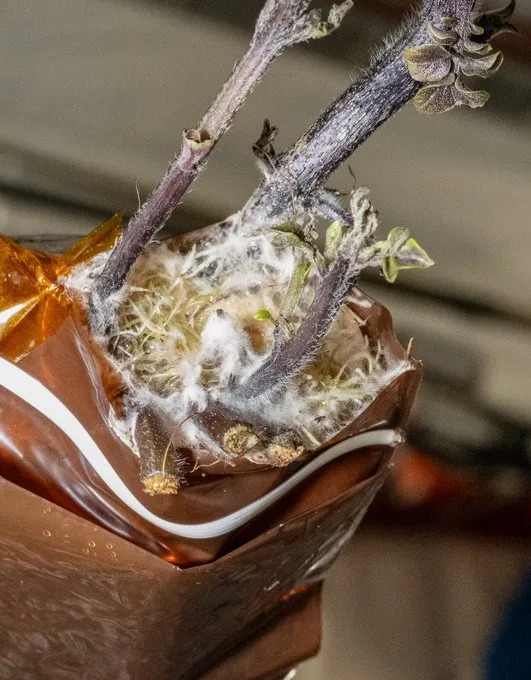
The fuzzy sprouts of Don Petit's potato experiment in space.NASA/Don Petit
"Wrong way roots! In the weightlessness of orbit, roots generally head towards moisture but sometimes they get confused and grow 'upwards.'" — Don Pettit
He also explained that the tuber was bagged for containment because the crew lacked traditional pots onboard.
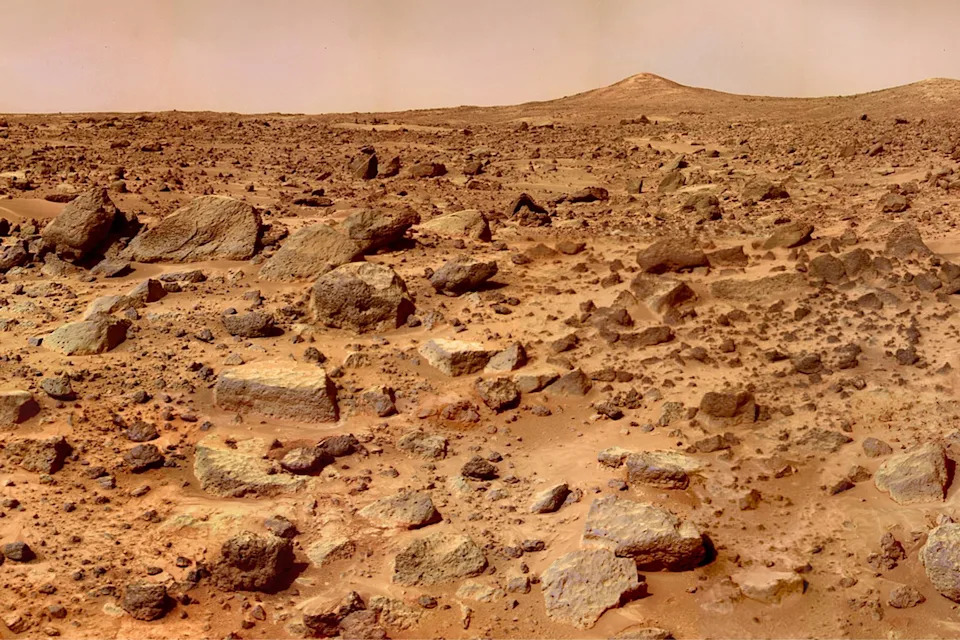
Could future humans traveling to Mars survive off of potatoes? | Credit: NASA/JPL
Why This Matters
Pettit’s off-duty experiment is more than a novelty. Potatoes are calorie- and nutrient-dense and have long been proposed as a useful crop for long-duration missions and extraterrestrial habitats. While Andy Weir’s The Martian popularized the idea of surviving on potatoes, Pettit’s hands-on trial in low Earth orbit helps researchers understand practical challenges—root orientation, containment, lighting and stabilization—when growing food in microgravity.
Pettit flew on Expedition 72, which returned to Earth in April 2025 and included him as the oldest active astronaut at age 70. His informal observations—shared on social platforms and in discussion threads—complement formal research into life support and space horticulture and offer simple, actionable lessons for future experiments in orbit and beyond.
Bottom line: Spudnik is a small but telling demonstration that plant cultivation in space is possible, and that even playful experiments can produce useful data for feeding future explorers on long missions or on other worlds.
Help us improve.





















