The U.S. is urging allies to join a "Maritime Freedom Construct" to reopen the Strait of Hormuz after a State Department cable outlined plans to restore navigation and enforce sanctions. The strait's effective closure has disrupted roughly 20% of global oil and gas flows, pushing Brent crude above $125 a barrel and doubling prices since the start of the year. Diplomacy is stalled: Iran seeks formal recognition of its right to enrich uranium and wants a formal end to hostilities before nuclear talks resume, while the U.S. weighs further military pressure and has implemented a blockade on Iranian oil exports.
U.S. Pushes International Coalition To Reopen Strait Of Hormuz As Oil Soars
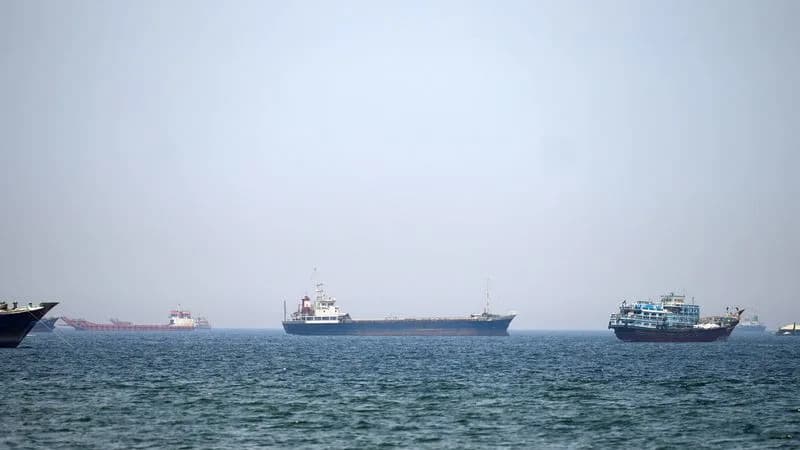
Ships and boats in the Strait of Hormuz, Musandam, Oman, April 29, 2026. REUTERS/Stringer
WASHINGTON/DUBAI/ISLAMABAD, April 29 — The United States is urging partners to form an international coalition to restore freedom of navigation through the Strait of Hormuz, according to a State Department cable reviewed by Reuters, as crude prices jumped to four‑year highs amid fears of prolonged disruption to global fuel supplies.
Two months after a conflict that began with U.S. and Israeli airstrikes on Iran, the strategically crucial waterway remains effectively closed, cutting off about 20% of the world’s oil and gas shipments. That choke point has pushed energy prices sharply higher and intensified worries about a global economic slowdown.
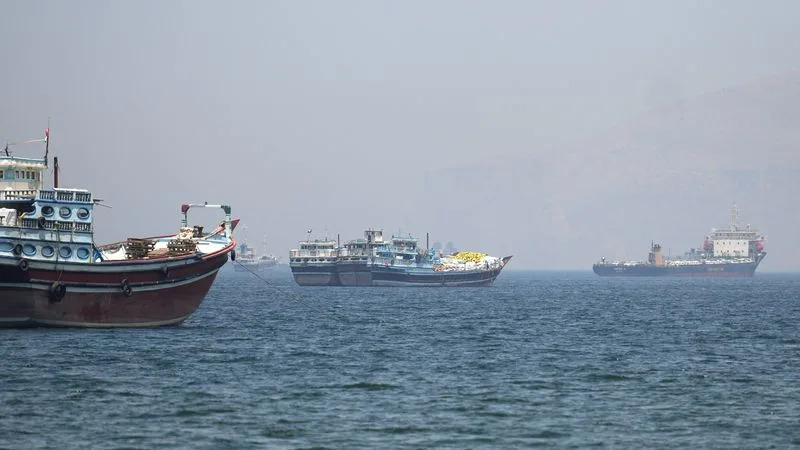
Ships and boats in the Strait of Hormuz, Musandam, Oman, April 29, 2026. REUTERS/Stringer
Diplomatic efforts to break the deadlock have stalled. The United States is using a naval blockade of Iran’s oil exports — Tehran’s economic lifeline — as leverage to try to force Iran back to the negotiating table.
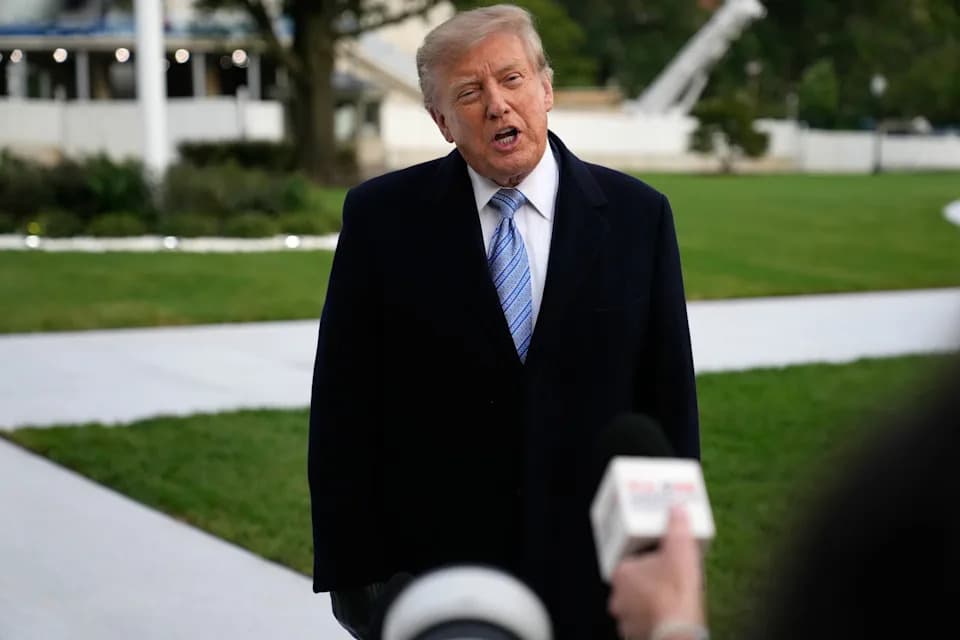
With diplomacy stalled, U.S. President Donald Trump was due to receive a briefing on proposed fresh military strikes intended to compel Iran to resume talks, an Axios report said on Wednesday. Markets reacted, with benchmark Brent crude briefly topping $125 a barrel; technical factors linked to futures expiries also contributed to the surge.
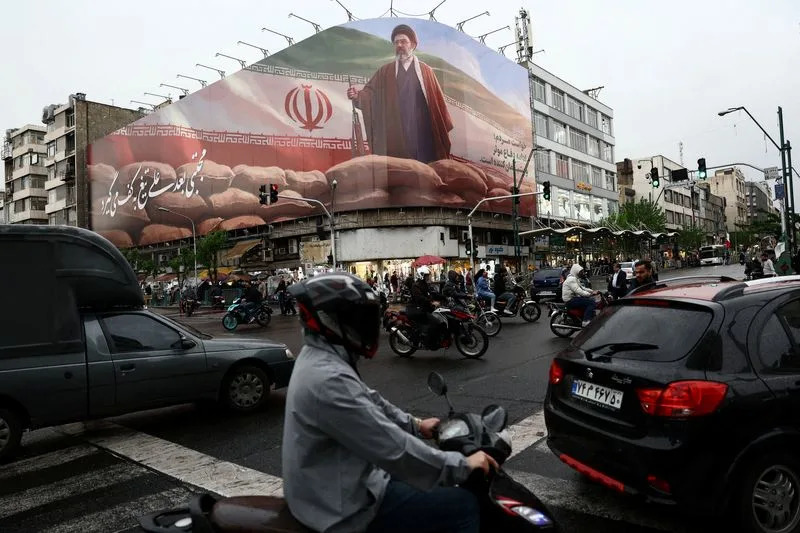
FILE PHOTO: People ride motorcycles near a billboard featuring an image of Iran's new Supreme Leader Mojtaba Khamenei, amid a ceasefire between U.S. and Iran, in Tehran, Iran, April 20, 2026. Majid Asgaripour/WANA (West Asia News Agency) via REUTERS/File Photo
Proposed Coalition: The "Maritime Freedom Construct"
The State Department cable describes an initiative called the "Maritime Freedom Construct" — a coalition intended to share information, coordinate diplomatically and help enforce sanctions so commercial shipping can resume through the Strait. Washington has invited allies to join, and France, Britain and other governments have discussed contributing, but several have said they would only take operational steps to reopen the waterway once hostilities stop.
A White House official said President Trump met with oil industry executives to discuss steps taken to ease global oil markets and options to sustain the blockade for months if necessary while trying to minimize the impact on American consumers.
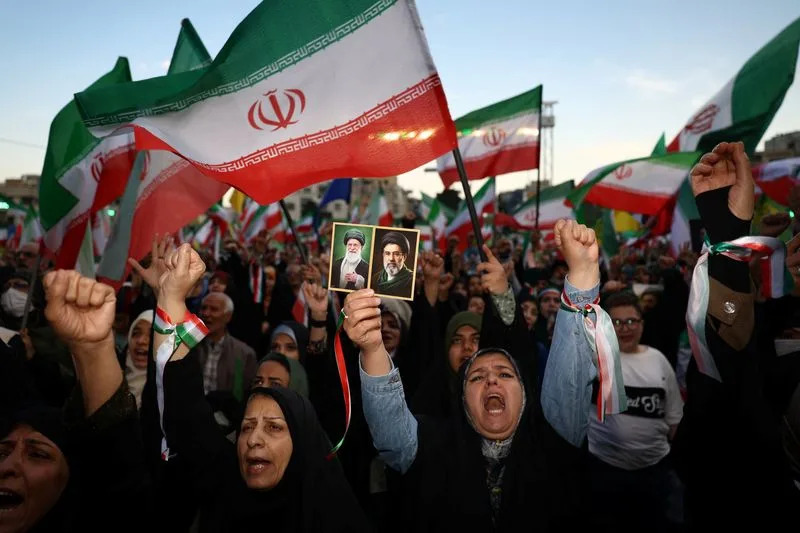
People chant during a rally in Tehran, Iran, April 29, 2026. Majid Asgaripour/WANA (West Asia News Agency) via REUTERS
Uranium, Human Cost And Economic Strain
Tehran has demanded formal recognition of its right to enrich uranium for what it says are peaceful, civilian purposes. Iran currently holds about 440 kg of uranium enriched to 60%, a stockpile that, if further enriched, could be used toward a limited number of nuclear weapons.
The conflict has taken a heavy human and economic toll. A senior Pentagon official estimated U.S. military costs at about $25 billion so far. The U.N. human rights chief reported that Iran has executed at least 21 people and detained more than 4,000 on national-security-related charges since the fighting began. Iran’s currency fell to a record low and monthly inflation was reported at 65.8% for the period to April 20, underscoring the domestic economic strain.
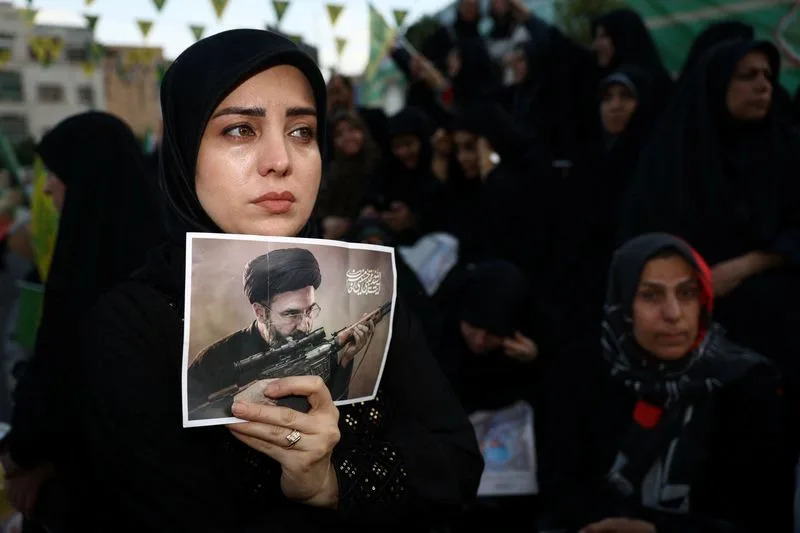
A woman holds a poster depicting Iran’s new Supreme Leader Mojtaba Khamenei, during a rally in Tehran, Iran, April 29, 2026. Majid Asgaripour/WANA (West Asia News Agency) via REUTERS
Positions, Risks And Uncertainties
Iran has vowed to keep disrupting traffic through the Strait while it perceives threats to its security. Tehran warned of "unprecedented military action" if the United States continues to block Iran-linked vessels. Washington maintains that Iran must not acquire nuclear weapons; Tehran insists its nuclear program is for peaceful, civilian use.
As public threats have escalated, Pakistan has acted as an intermediary, relaying proposals between the two sides. According to a Pakistani source, the U.S. submitted "observations" on Iran’s latest proposal — which would postpone nuclear discussions until after a formal end to hostilities — and has asked Iran for a response by the end of the week.
Independent reporting indicates the strikes have killed several senior political and military figures and have unsettled Iran’s internal power balance, with analysts warning the violence and leadership losses may have strengthened hardline elements within the Islamic Revolutionary Guard Corps. These developments add uncertainty to how Iran will respond to additional pressure or further military action.
Domestically in the United States, President Trump faces growing political pressure as gasoline prices rise and his approval ratings dip. U.S. intelligence agencies have been asked to assess possible Iranian reactions to a range of scenarios, including a unilateral U.S. declaration of victory, sources said.
Note: This article has been edited for clarity and accuracy where original accounts were ambiguous or contained unverified claims about Iran's leadership. Reported figures and statements cited from government or U.N. sources are retained.
Help us improve.