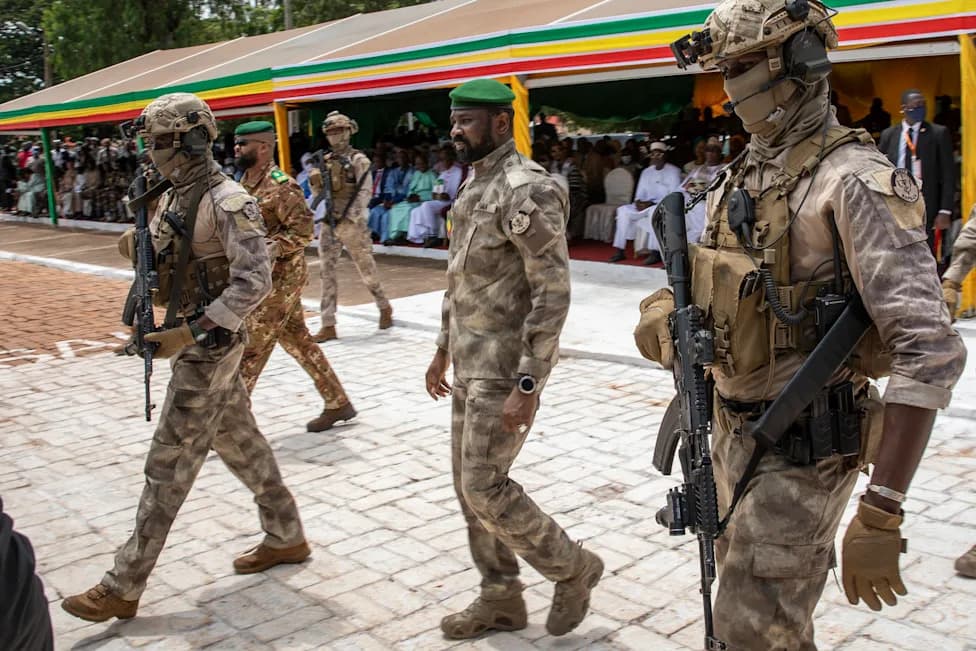
Thousands of Malians have fled escalating violence into Mauritania, with refugees describing horrific abuses — including executions, decapitations and sexual violence — amid clashes between Islamist militants, separatists, the Malian army and Russian-linked forces. Analysts and rights groups say all sides have committed violations, while new legal action at the African Union accuses Mali and its partners of serious human rights breaches. The influx — tens of thousands since late 2023 — is straining camps and scarce resources in Mauritania and raising alarms about wider regional instability.
‘We Saw Terrible Things’: Mali Refugees Describe Atrocities as Violence Drives Thousands Into Mauritania
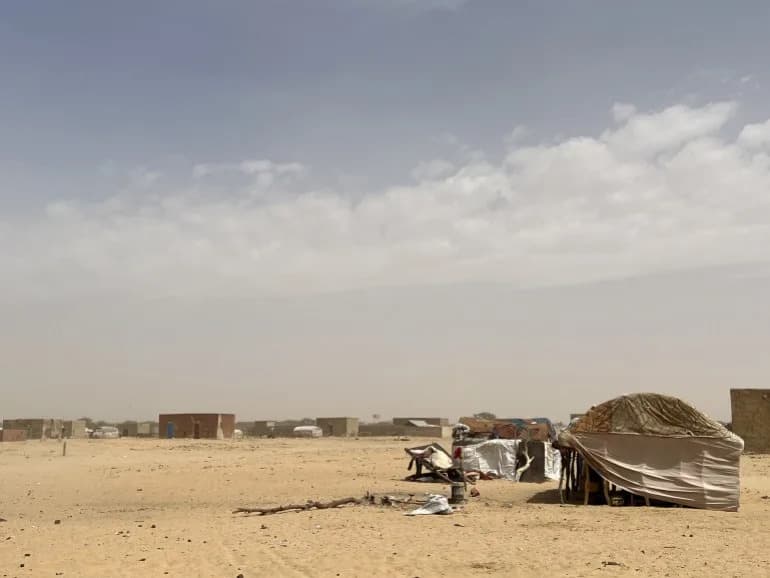
A refugee tent is set up in Douankara on Mauritania’s border with Mali [Shola Lawal/Al Jazeera]
Note: Al Jazeera is withholding some interviewees’ surnames to protect their identities.
Douankara, Mauritania — In late March, 75‑year‑old Moctar and his relatives packed what they could and fled Sondaje, a village in northern Mali, after an armed group gave them 72 hours to leave. For months, homes in the area had been targeted by rival factions accusing villagers of collaborating with enemies. Two of Moctar’s cousins were killed in an earlier attack.
“The men came on about 30 motorbikes, observed the evening prayers with us in the mosque and then told us we had 72 hours to leave the village,” Moctar told Al Jazeera in a hoarse, laboured voice. “We saw terrible things. People were decapitated and their heads put on their chests. People were so scared. The fear in their eyes made us even more scared.”
Witness Accounts and Allegations
Moctar’s family is among thousands who have crossed into Mauritania in recent months, traumatised by scenes of killings, sexual violence, looting and other abuses. Refugees in camps and border communities describe a pattern of brutality that includes alleged executions, torture, rape, decapitations and cases of people buried alive. Al Jazeera has not independently verified all individual allegations and has sought comment from Malian and Russian authorities without response.
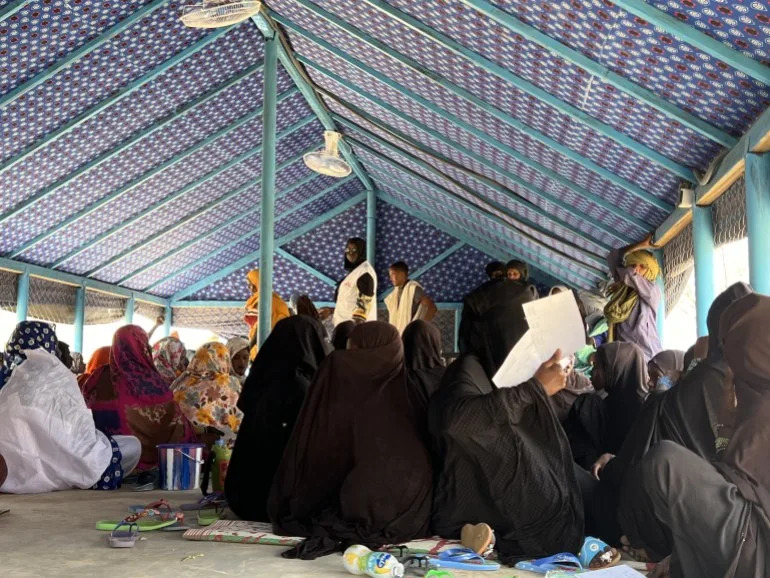
Refugees wait for treatment at a clinic run by Doctors Without Borders close to the Malian border in Douankara [Shola Lawal/Al Jazeera]
Several interviewees attributed many of the worst abuses to Russian fighters who originally arrived with the Wagner Group and are now largely organised under a state-linked unit often called the Africa Corps. Refugees say these forces sometimes operate alongside elements of the Malian army. Reports describe raids in which suspects were lined up, beaten, detained or worse.
Wider Conflict Dynamics
Mali sits at the centre of escalating violence across the Sahel. Armed groups aligned with al‑Qaeda and ISIL — notably Jama’at Nusrat al‑Islam wal Muslimeen (JNIM) and the Islamic State Sahel Province (ISSP) — have seized large rural areas, alongside separatist and rebel movements such as the Azawad Liberation Front (FLA). JNIM, commanded by Iyad Ag Ghali, has ramped up operations and expanded southward as its capabilities have grown.
Analysts say all parties to the conflict have committed violations, but data from ACLED (Armed Conflict Location & Event Data Project) indicate the Malian military and its Russian allies have inflicted more civilian harm than armed groups combined in the past two years. Heni Nsaibia, ACLED’s senior West Africa analyst, told Al Jazeera: “There are no good sides in this conflict, and collective punishment has been a key feature.”
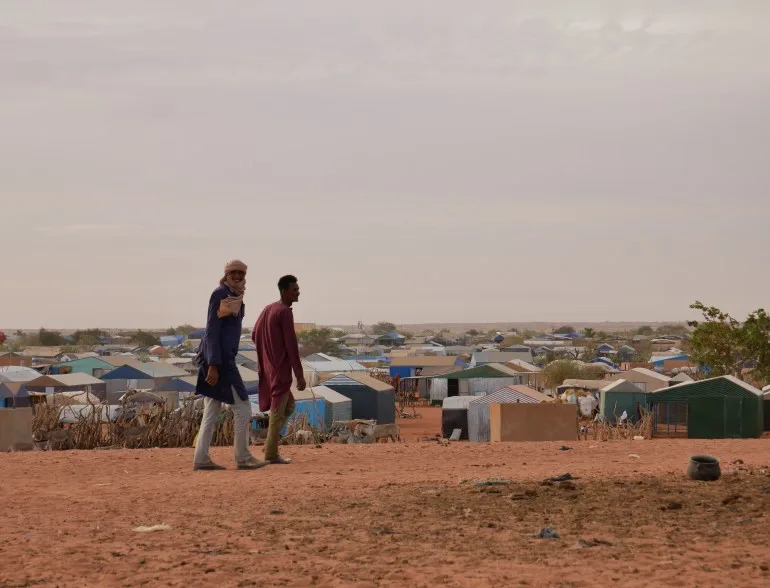
Refugees walk in Mbera camp in Mauritania, where hundreds of thousands of Malians displaced in 2012 and since 2023 live [Shola Lawal/Al Jazeera]
Recent Attacks and Legal Action
In a major weekend offensive, a coalition of rebel and Islamist groups struck multiple targets, including barracks near Bamako and cities in the north; Malian defence minister Sadio Camara was reported killed in the assault. On April 20, three rights organisations filed a case against Mali at the African Union’s human rights court, accusing the military and its Russian partners of serious human rights violations — reportedly the first African case to seek state accountability for hiring military contractors.
Humanitarian Toll and Displacement
From October through April, UNHCR documented at least 13,000 new arrivals from Mali into communities such as Douankara and Fassala. Since late 2023, at least 100,000 people have crossed into Mauritania as violence intensified, with the majority of new arrivals women and children, UNHCR spokesperson Omar Doukali said. Many journeys were long and perilous across remote, arid territory.
Refugees have settled in sites such as Mbera camp, originally created in 2012. Local leaders say the renewed influx is straining water, grazing land and basic services: clinics, schools and other infrastructure are becoming overwhelmed, while refugees often arrive with livestock that add pressure to already scarce resources.
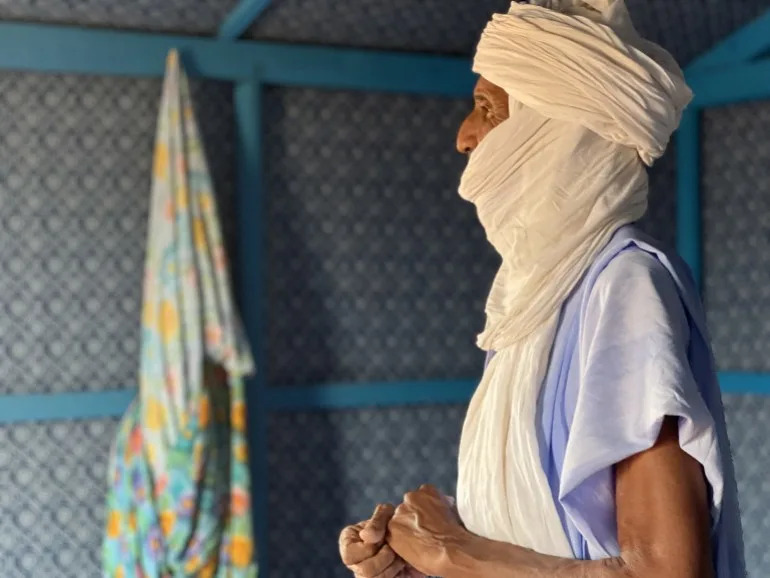
Mbera community leader Mohamed “Momo” Ag Malha says needs in the camp were already high before the latest influx of refugees from Mali [Shola Lawal/Al Jazeera]
Regional Implications
Observers warn Russia appears poised to broaden its footprint in West Africa, using operations in Mali as a staging ground. The Sentry and other monitoring groups report that Africa Corps personnel are active in neighbouring military‑led governments, including Niger and Burkina Faso, raising concerns about wider regional instability.
Voices From The Camp
At Mbera camp, 84‑year‑old community leader Mohamed “Momo” Ag Malha said it was painful to see another wave of Malians forced into exile more than a decade after the camp was first established. “We, the Malian people, are the victims of everyone,” he told Al Jazeera. “All we want is peace and to be able to return to our homes.”
As legal cases and international scrutiny mount, hundreds of thousands remain displaced or living in fear. Humanitarian agencies say sustained funding is needed to meet urgent needs, yet many donor countries have reduced support, complicating relief efforts across a vast and remote border region.
Help us improve.